Choosing the Right Swamp Excavator for Projects

application/swamp-excavator, application/swamp-excavator, 
Inquiry
Inquiry

swamp excavator

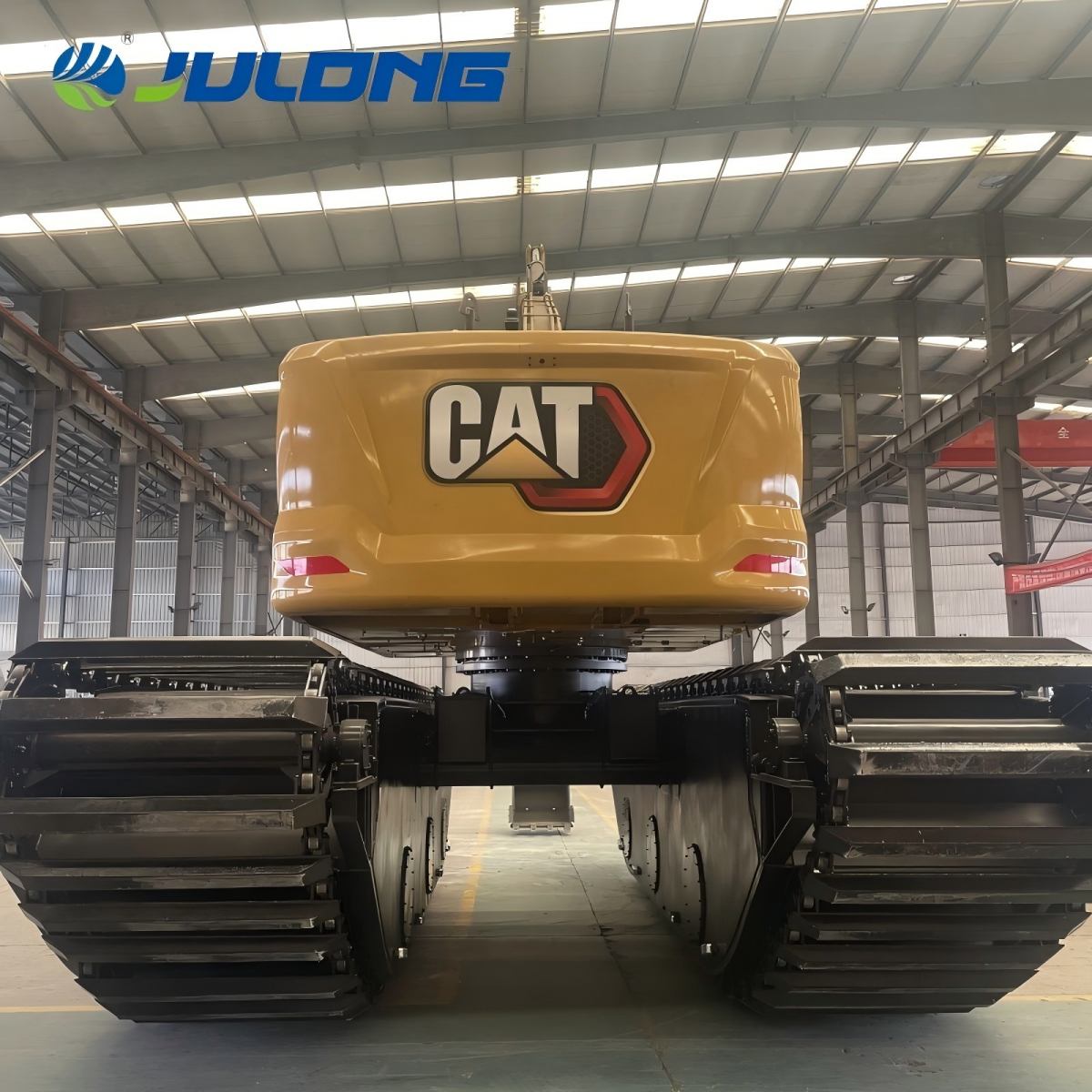
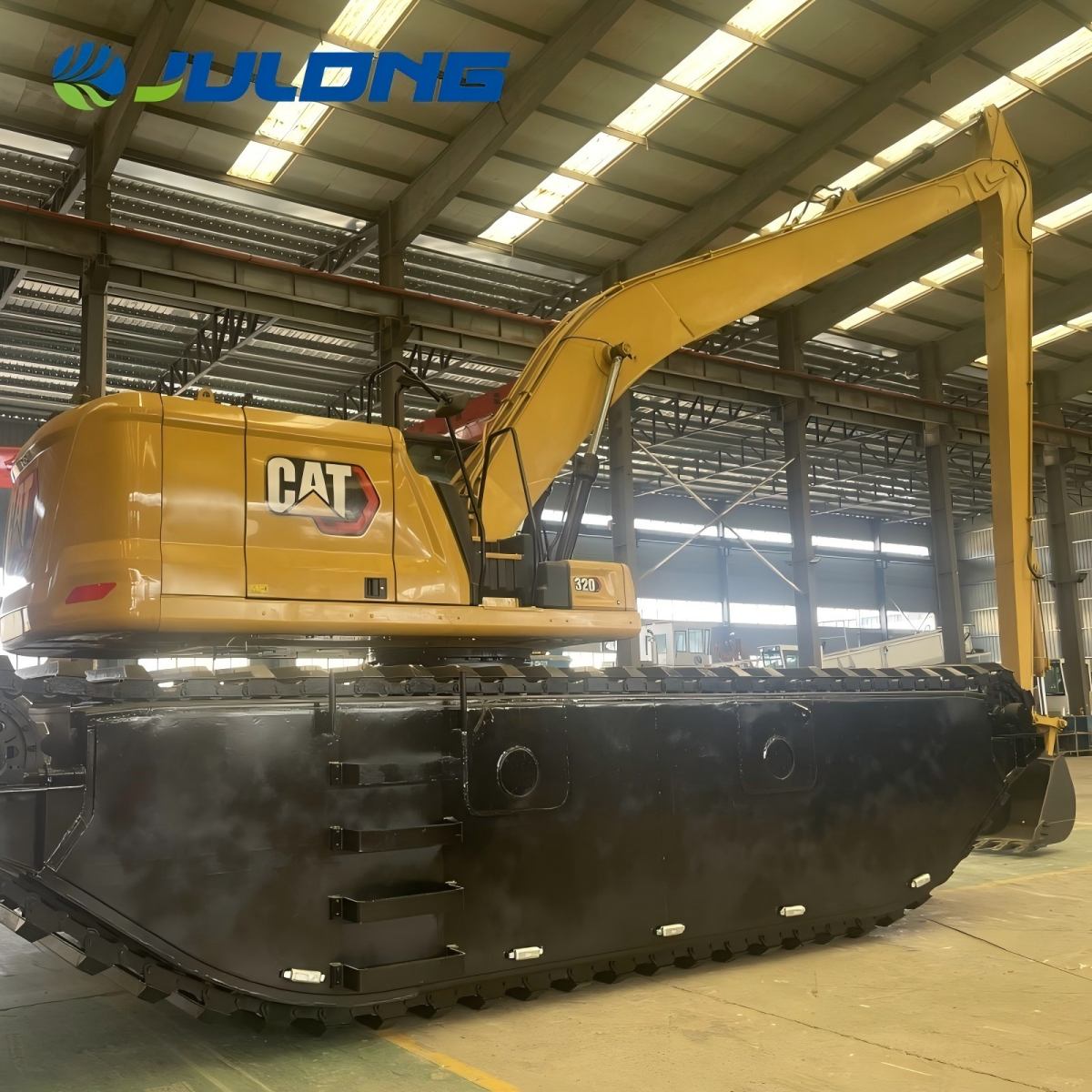
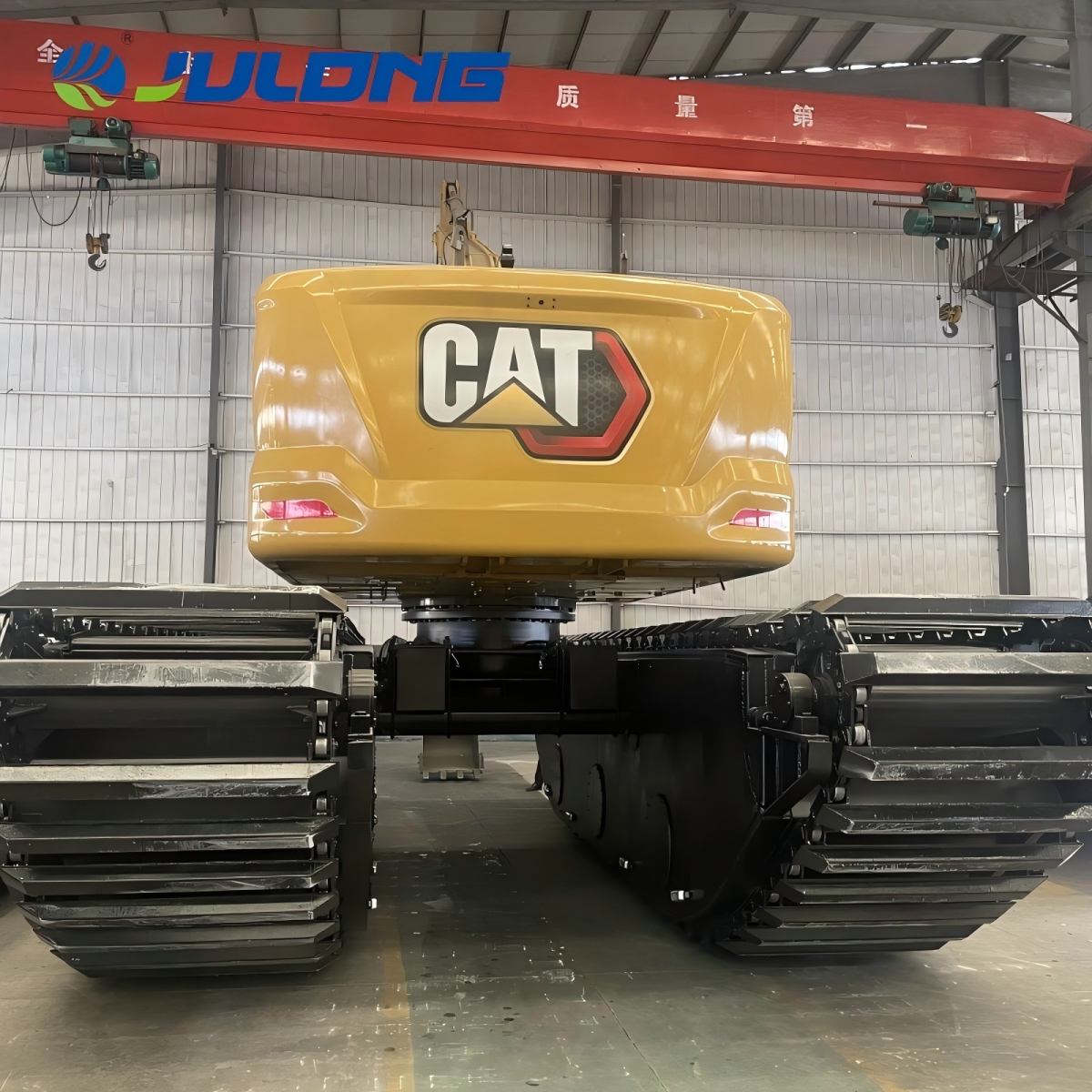
Choosing the right swamp excavator is  crucial  for  projects  involving wetlands,  rivers,  and lakes. These specialized  machines are designed  to operate  in challenging environments, where traditional  excavators  may not perform  effectively. B2B  buyers, including purchasing managers and engineers,  often face concerns about specifications,  vendor reliability, and cost implications. This article  will  guide  you through the essential factors to consider when  selecting a swamp excavator, ensuring that  you make an informed decision for your project needs.

Key Specifications to Consider When Sourcing Swamp Excavators

Key Specifications to Consider When Sourcing Swamp Excavators

When sourcing swamp  excavators, several key specifications can significantly impact their performance  and  suitability for your project:

Engine  Power: The horsepower of the excavator determines  its ability  to perform under load. Higher power typically translates to better performance, especially  in challenging terrains.

Dimensions and Weight: Size matters when operating in confined spaces or on soft ground. Ensure that the dimensions of the swamp  excavator fit your project site while also considering its weight distribution to avoid sinking in marshy areas.

Digging Depth and Reach: Assess the maximum digging depth and reach of  the excavator's  arm. This  is crucial for dredging operations where  deep water access is necessary. For such operations, utilizing a Dredger may also be a viable option.

Hydraulic Systems: The efficiency of the hydraulic system affects the speed and power of the excavator's movements. Look for machines with advanced hydraulic technology  that can enhance operational efficiency.

Durability and Materials: Ensure that the swamp excavator is built with durable  materials that can withstand harsh environmental conditions,  including corrosion-resistant  components for longevity  in  wet environments.

What to Look for in Swamp Excavator Vendors

What to Look for in Swamp Excavator Vendors

Choosing the right vendor is  as important as selecting the right excavator.  Consider the  following criteria when evaluating  swamp excavator manufacturers:

Experience and Reputation: Look for manufacturers with a proven track record in  producing swamp excavators. Companies like Qingzhou JULONG Environmental  Technology Co.,  Ltd. have extensive experience  and certifications, which can  be indicators of reliability.

Quality Assurance Systems: Ensure that the vendor has established quality control processes  in place. Ask about the certifications they hold, such as  ISO and CE, which reflect adherence to international quality  standards.

Customer Support and Maintenance: Evaluate the  level of customer support the  vendor offers. A reliable vendor should provide ongoing maintenance and  support options,  which are essential for the longevity of your swamp excavator.

Customization Capabilities: If your project has unique  requirements, inquire about  the vendor's ability to customize excavators to meet your specific  needs.

Common Installation Problems and Solutions for Swamp Excavators

Common Installation Problems and Solutions for Swamp Excavators

Installing swamp excavators can present unique challenges.  Here are some common issues and  how to address them:

Site Preparation: Ensure that the installation site is adequately prepared  to accommodate the excavator's size  and  weight. Poor site preparation can lead to operational inefficiencies and safety hazards.

Hydraulic Connectivity: Verify that all hydraulic connections are secure and functional before starting the excavator. Leaks or improper connections can  lead to equipment  failure.

Operator Training: Proper  training for operators is crucial to avoid  misuse or  accidents during installation  and operation. Ensure  that operators are familiar with the  specific features and controls of  the swamp excavator.

Environmental Considerations: Pay attention to  environmental  regulations regarding wetland operations.  Ensure that the installation complies  with local  laws to avoid legal complications.

Understanding Cost Factors for Swamp Excavators and Budgeting

When budgeting for a swamp excavator,  several cost factors should be considered:

Purchase Price: The initial cost of  the swamp excavator  will vary depending on specifications, features, and manufacturer. Be prepared  to  compare prices from  different vendors to find the best deal for your required specifications.

Operating Costs: Account for fuel consumption, maintenance, and repair costs. Swamp excavators may  have higher operating costs due to specialized equipment and parts.

Customization Costs: If you require any  custom features, factor in the additional costs associated  with these modifications.

Financing Options:  Explore financing  options available through your vendor or third-party institutions. Some manufacturers may offer leasing options, which can reduce upfront costs.

Resale  Value: Consider the potential resale value  of the swamp excavator. Some models may retain their value better than others, impacting your long-term budget.

In summary, selecting  the right swamp  excavator involves careful consideration of project needs, specifications, vendor reliability, installation challenges, and budget factors. By understanding these key aspects, you can make an informed  purchasing decision that  supports the success of your project.

How to Choose the Right Swamp Excavator for Your Project Needs

Selecting the appropriate  swamp excavator begins with understanding the specific requirements of your project. Consider the following factors:

Project Type: Different projects may require varying capabilities. For example, dredging tasks in shallow  water may necessitate  a cutter suction dredger, while swamp excavators are ideal for  maneuvering in marshy terrains.

Operating Environment: Assess the  environmental conditions such as  water depth,  soil type, and vegetation density. Swamp  excavators are designed  with amphibious capabilities,  allowing them to operate on  both land and water, which is essential for projects that involve transitioning frequently between these terrains. For projects that require such versatility, options like the Amphibious Equipment can enhance operational efficiency.

Load Capacity: Evaluate the load capacity required  for your specific applications. This  will affect the size and model  of the excavator  you choose. Ensure that the swamp excavator can handle the expected load without compromising performance.

Customization Needs: Determine if you require any customized  features  for your swamp excavator, such as specialized attachments or enhanced flotation capabilities. Many manufacturers, like Qingzhou JULONG Environmental Technology Co., Ltd., offer customization options  tailored to specific project requirements.

Frequently Asked Questions

What is a swamp excavator used for?

A swamp excavator is designed for dredging, excavation, and earthmoving in marshes, wetlands, rivers, lakes and shallow port areas, enabling efficient debris removal, channel maintenance, and land reclamation.
We offer various models with different boom lengths, bucket sizes, track types and power options to suit shallow water, soft soil and amphibious applications. Custom configurations are available per project needs.
Our swamp excavators are produced in a 12,000 m² facility and meet ISO and CE standards, ensuring durable manufacturing, safety compliance and reliable performance.
Yes. We offer installation guidance, commissioning support, operator training and remote technical assistance to ensure correct setup and optimal operation on site.
We provide a manufacturer warranty, spare parts supply, maintenance guidance and global after-sales support across our served countries to ensure long-term uptime and serviceability.

Get a Free Quote

Our representative will contact you soon.
0/1000