Key Considerations for Sourcing Floating Dredgers

application/floating-dredger, application/floating-dredger, 
Inquiry
Inquiry

floating dredger

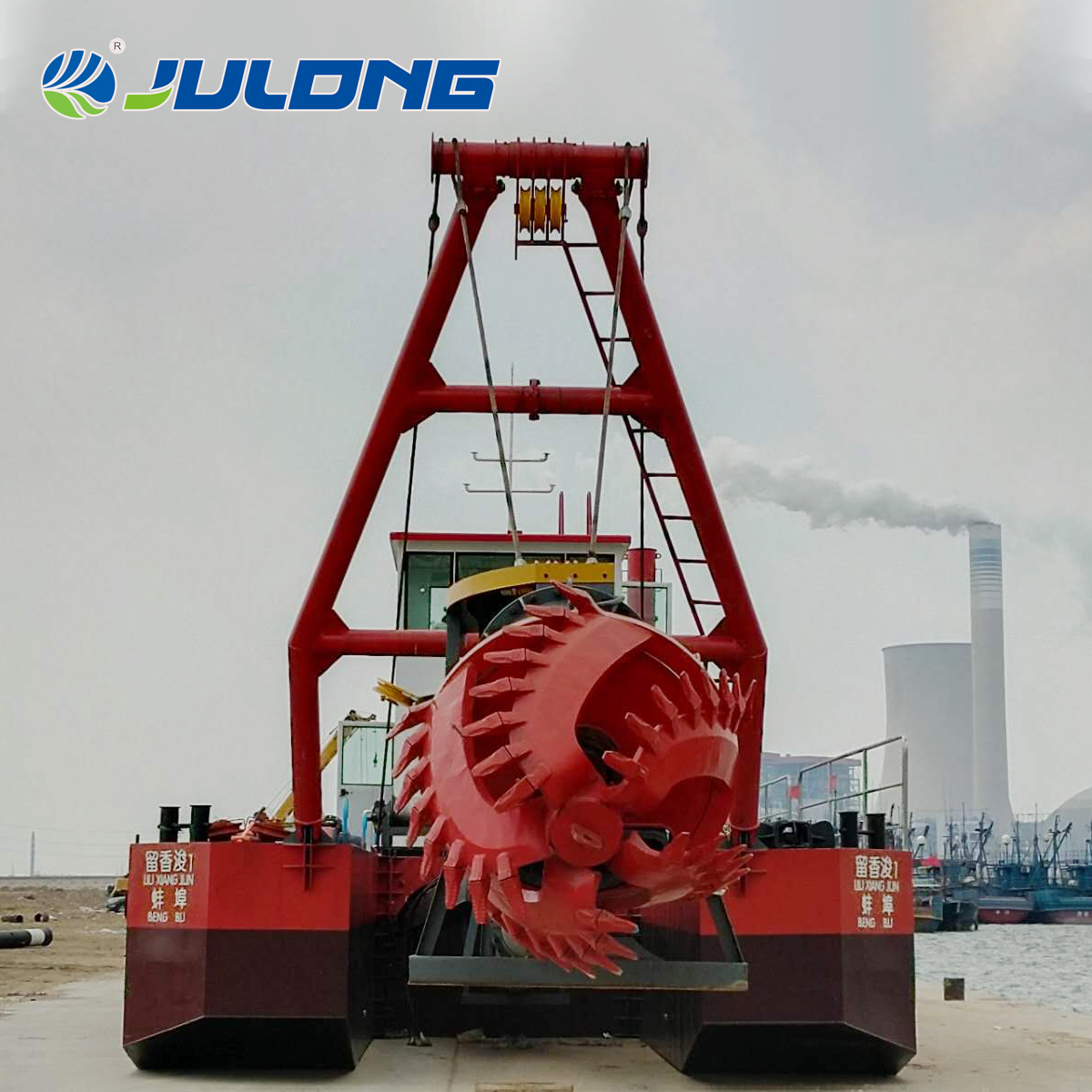
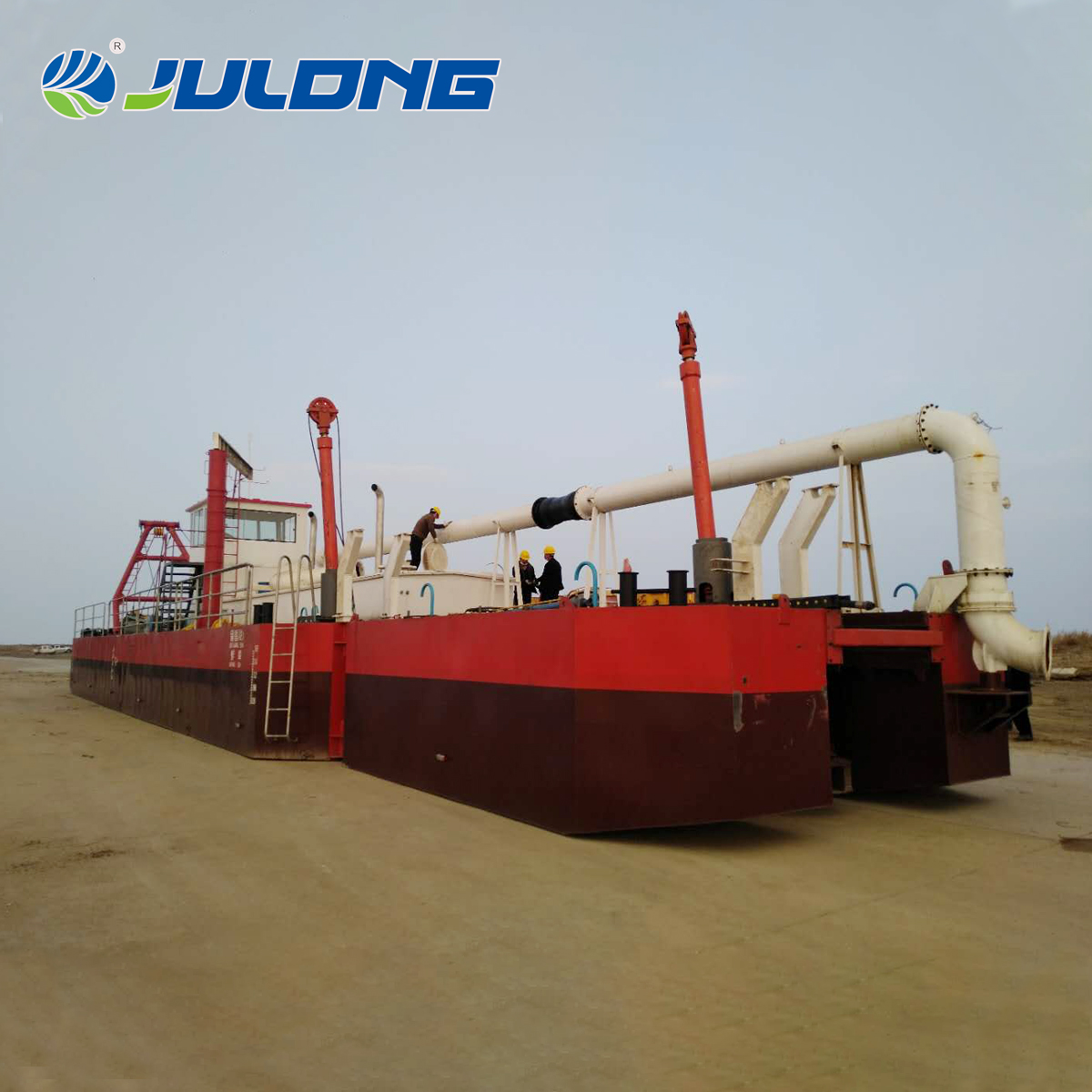
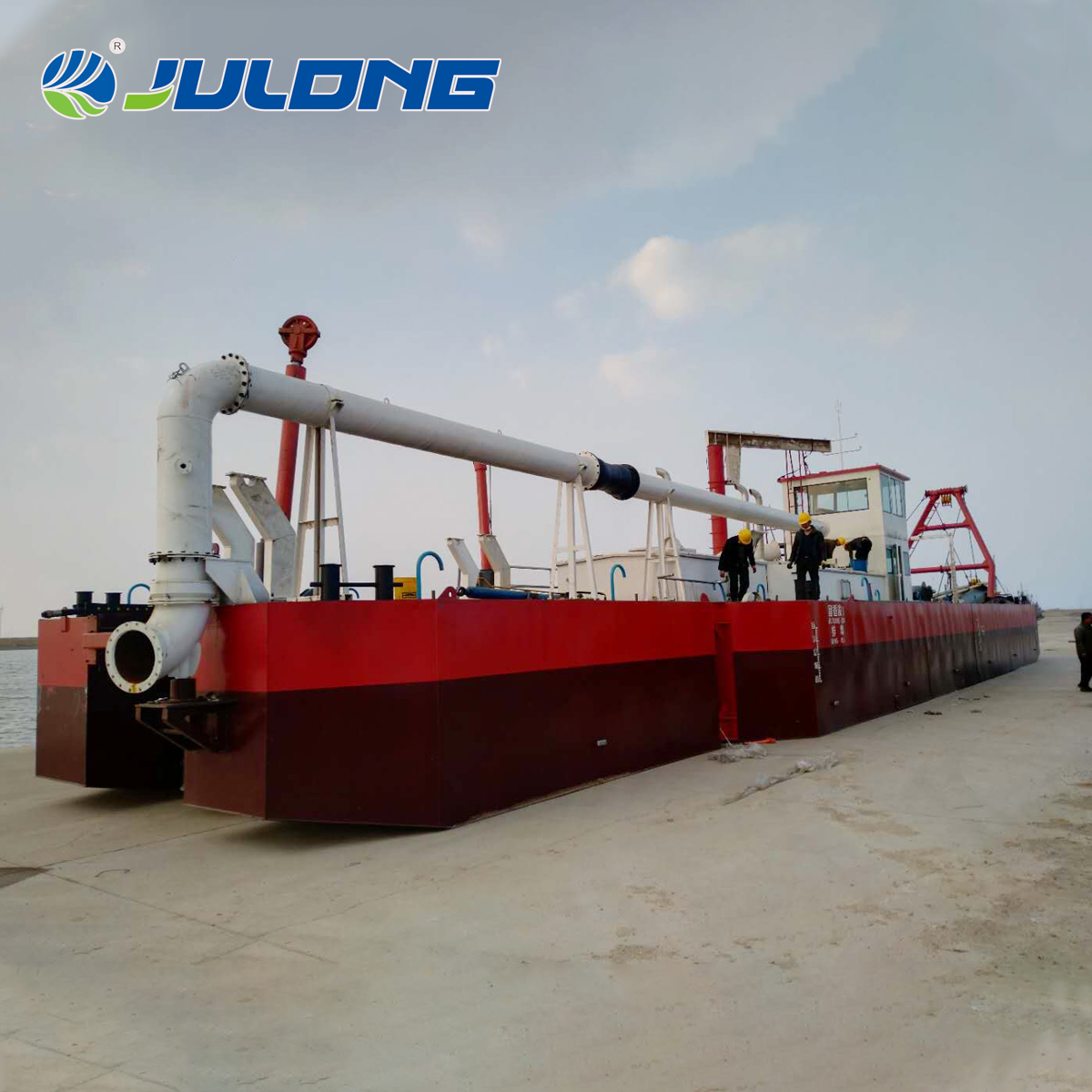
Floating  dredgers are specialized vessels  designed for the  excavation  and  removal of sediment and  debris from bodies of  water such as rivers,  lakes, and ports.  For purchasing managers and project engineers, selecting the right floating  dredger is critical,  as  it impacts project  efficiency, cost,  and overall success. This  article will address  key considerations when sourcing floating  dredgers, including  cost  factors, quality control measures, common  issues, and essential features to evaluate. If you are looking for a versatile option, consider the Multi-Function Work Boat for various applications.

Understanding the Cost Factors of Floating Dredger Purchases

Understanding the Cost Factors of Floating Dredger Purchases

Cost is a  significant factor when purchasing a floating dredger, and various elements contribute to the overall price. The initial purchase price varies based on dredger size,  capacity, and features. Buyers should  also consider additional  costs such  as shipping, installation, and  maintenance, which can impact the total expenditure.

Another important aspect  is the  dredger's operational efficiency. A more efficient dredger may come  with  a higher upfront cost but can lead to substantial  savings in fuel and operational  time over its lifespan. Additionally, the availability of spare  parts and service support can affect  long-term costs. Buyers should inquire about the manufacturer's service network and the cost of replacement parts to avoid  unexpected expenses.

Customization options can  also influence pricing. Depending on the project requirements, buyers  might  need  specific features, such as enhanced dredging capabilities or specialized attachments. Discussing customization with the supplier upfront can help clarify its impact  on cost and lead time.

Quality Control Measures for Floating Dredger Manufacturing

Quality Control Measures for Floating Dredger Manufacturing

Quality assurance in the  manufacturing process  of floating dredgers is paramount  to ensure the equipment meets performance  and durability standards. Reputable manufacturers, such as  Qingzhou JULONG Environmental Technology Co., Ltd.,  implement  stringent quality control measures throughout the  production process.

Buyers should inquire  about the manufacturer's certifications, such as ISO and CE,  which indicate adherence to international quality standards. Additionally,  asking  about the quality  control processes in place, including material inspections and functional testing, can  provide insights into  the dredger's reliability.

Before finalizing a purchase, it's advisable  to inspect a sample dredger or request a factory  visit. This allows buyers to  evaluate craftsmanship, materials, and production techniques firsthand. Confirming that  the manufacturer employs advanced technology and skilled labor can  further assure product quality.

Common Problems with Floating Dredgers and Their Solutions

Common Problems with Floating Dredgers and Their Solutions

Despite their robust design,  floating dredgers can  encounter several common issues  during operation. One frequent problem  is clogging in the  suction pipe due to debris or sediment buildup. To mitigate this, regular maintenance and inspections should be scheduled, ensuring  that the dredger’s  components remain clear and functional.

Another common concern  is mechanical failure, particularly  in the pump or engine systems. Buyers  should verify the manufacturer's warranty and post-purchase support options to address potential breakdowns promptly. It's also beneficial to  understand the common wear and tear components and have a  plan for their  timely  replacement.

Lastly, operational inefficiencies  may arise if the dredger is not adequately matched to the project conditions.  Buyers should assess the  dredger’s suitability for specific materials being dredged, as different sediment types can impact performance. Consulting with the manufacturer about the expected operational environment will  help ensure optimal  performance.


Features and Benefits to Consider

When evaluating floating dredgers,  several features can significantly enhance their performance and usability.  One critical feature is the dredger's suction and discharge system, which  determines how effectively it  can remove sediment. Look for dredgers equipped with high-efficiency pumps that provide  the necessary suction power for the project's demands.

Another valuable feature  is the dredger's mobility. Models that can easily  navigate varying  water depths and conditions are preferable for projects with unpredictable  environments. Consider whether the dredger can be  equipped with additional attachments, such as excavators or augers, for enhanced versatility.

Lastly, consider  the ease of  operation and maintenance. Dredgers designed with user-friendly controls and  simple maintenance access can reduce downtime and operational costs. Manufacturers that provide comprehensive  training and support can also add value by  ensuring your team can operate the equipment safely and effectively.

In summary, sourcing a  floating dredger requires careful consideration of various factors, including  size, materials, cost, quality  control, and specific features. By addressing these elements, buyers  can  make informed decisions that lead to successful project outcomes.

What to Consider When Sourcing a Floating Dredger for Projects

When sourcing a floating dredger, buyers should consider  several critical factors to ensure they select the right equipment for their specific project needs. First, assess the dredger's  size and capacity, as  these directly  influence its suitability for the intended application. For example,  larger dredgers are often required for deep-water projects, while smaller models may suffice for shallow areas.

Material selection is another crucial consideration. Floating dredgers are typically constructed from  durable materials  that can withstand harsh  marine environments. Stainless steel and high-strength polyethylene are common choices,  as they offer excellent  corrosion resistance and longevity. Before making a decision, confirm  the dredger’s specifications, including suction power,  discharge distance, and operational depth.


Additionally, understanding the dredger's mobility and  maneuverability is  vital. Some projects may  require amphibious capabilities,  allowing the dredger to  operate  on both  land and water. Evaluate the dredger’s design to ensure it meets the specific logistical requirements of the project, such as ease of transport and deployment. The use of Amphibious Equipment can enhance operational flexibility in such scenarios.

Frequently Asked Questions

What is a floating dredger used for?

A floating dredger is used to remove sediment, deepen waterways, and maintain rivers, lakes, and ports for navigation, flood control, and construction projects.
We supply cutter suction and amphibious-style floating dredgers suited for river, lake, and port operations, designed for durability and efficient performance.
Our equipment is manufactured in a 12,000 m² facility and meets ISO and CE standards to ensure safety, reliability, and consistent quality.
Yes. We offer customization of dredging depth, power, cutter types, and auxiliary equipment to match project needs and site conditions.
We provide technical support, spare parts supply, installation guidance, and remote troubleshooting to ensure long-term, efficient operation.

Get a Free Quote

Our representative will contact you soon.
0/1000