Choosing the Right Auger Dredger for Your Project

application/auger-dredger, application/auger-dredger, 
Inquiry
Inquiry

auger dredger

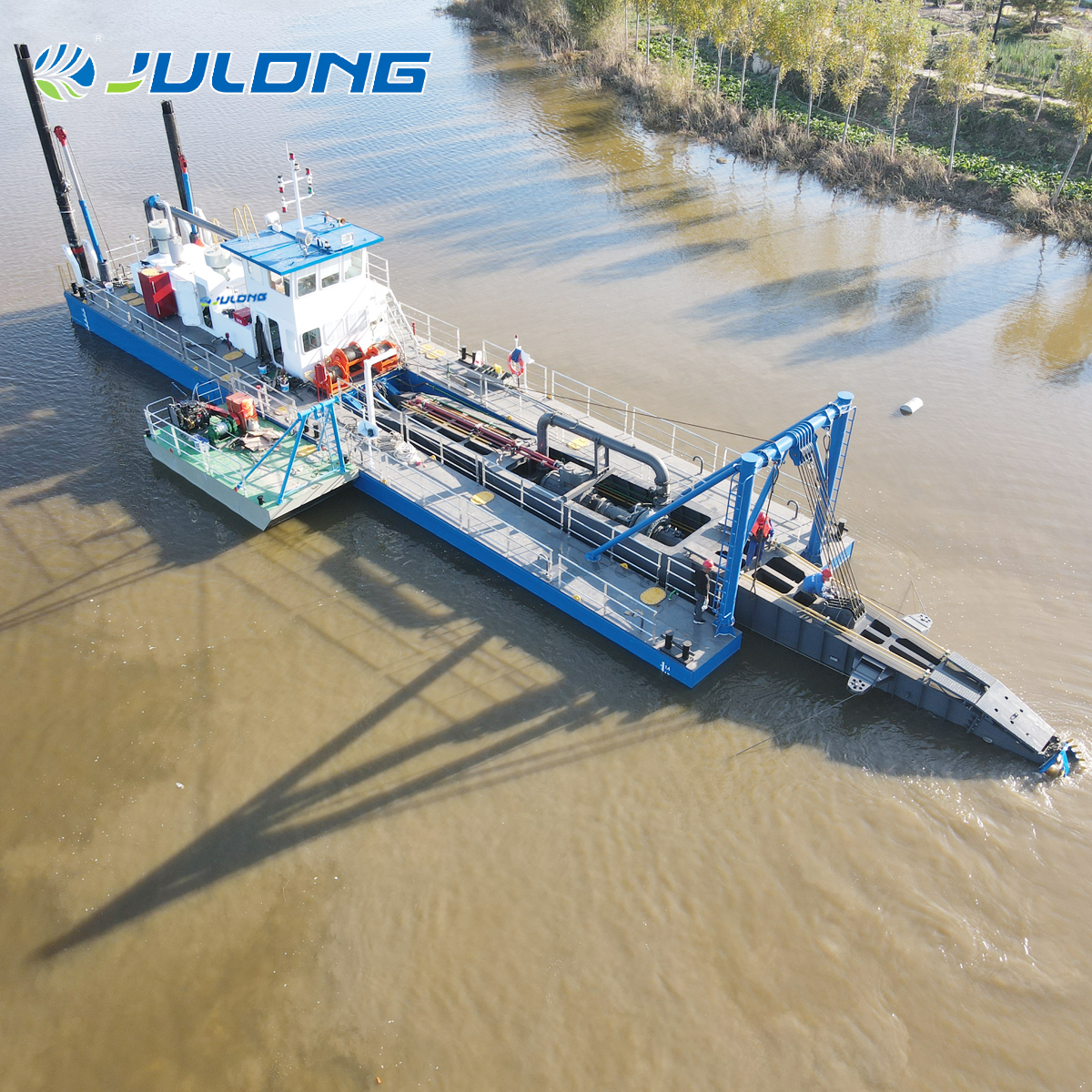
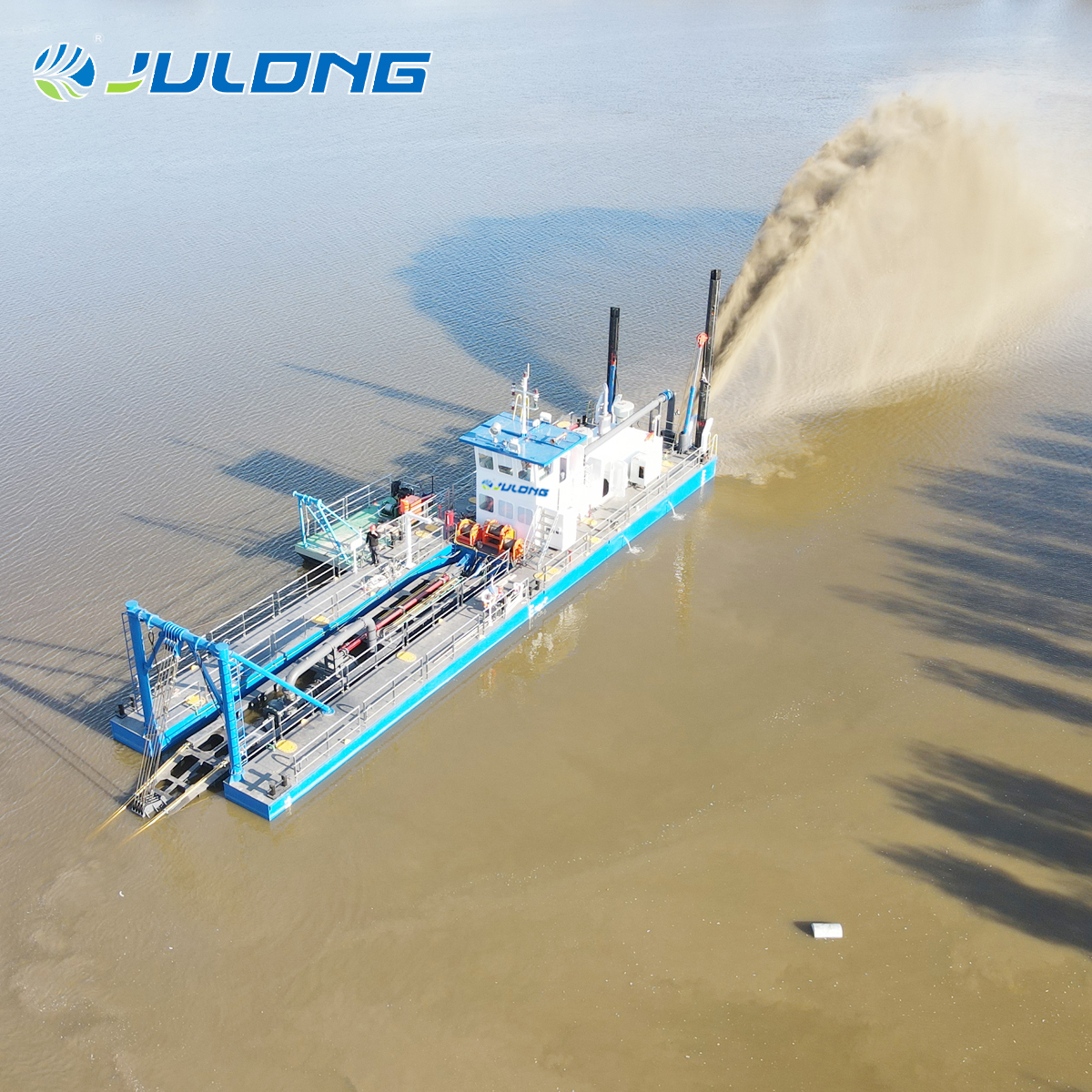
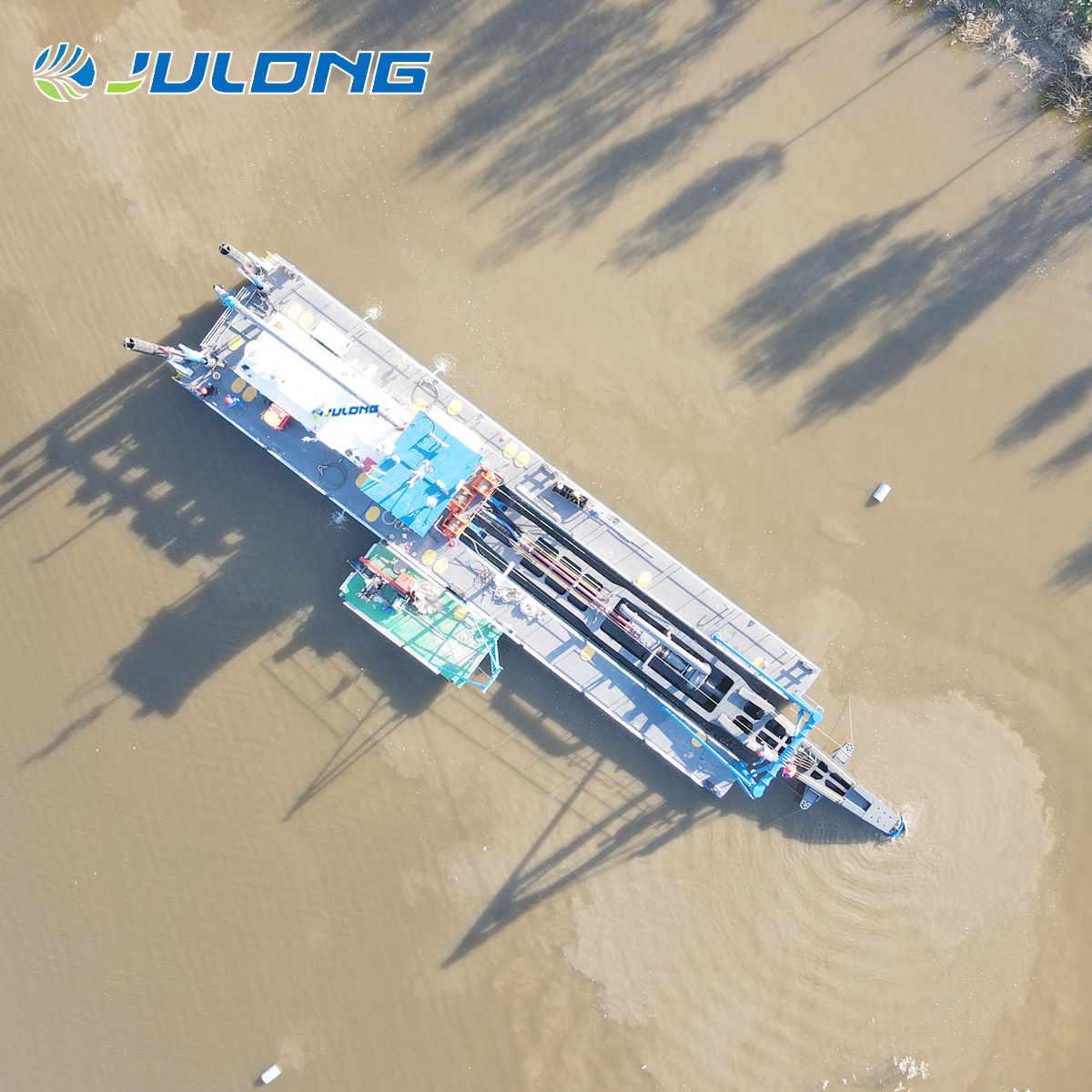
Choosing the right auger dredger is critical for the success of various river, lake,  and  port projects. These specialized  machines are designed to excavate  material from underwater environments efficiently. As a B2B buyer, you  want to ensure that the auger dredger you select  meets your  project  needs  in terms of performance,  durability, and  cost-effectiveness. This  article  will provide you with essential insights  on selecting  the right auger  dredger, comparing specifications, and  understanding  the key factors  that influence your  purchasing decision.

Comparing Auger Dredger Specifications for Optimal Performance

Comparing Auger Dredger Specifications for Optimal Performance

Understanding the specifications of auger dredgers is vital for evaluating  their performance. Key specifications include:

Power Output:  Measured in horsepower,  a higher  power output  allows for more efficient excavation,  especially in challenging materials.  Auger Diameter: A larger diameter increases the volume of material that can be removed per cycle, but it may require  more power and generate more  resistance.  Digging Depth: Ensures the dredger can reach the  necessary depth for your project. Some models may have adjustable digging depths, providing versatility for different tasks. Weight and Stability: Heavier dredgers can provide better stability during operation but  may limit mobility. Conversely, lighter models are easier  to  transport  but may require additional anchoring in deep waters.

When comparing  models, consider how these specifications align with your specific project  requirements. It's essential  to strike a balance between power,  efficiency,  and mobility.

What to Look for in Auger Dredgers

What to Look for in Auger Dredgers

When evaluating  auger dredgers, several critical factors should guide your decision:

Construction Quality: Look for durable materials such as high-strength  steel that can withstand harsh underwater conditions. The construction should also include protective coatings  to  prevent corrosion and wear.

Ease of Maintenance: A  dredger designed with accessibility in mind will save time and  costs associated with routine maintenance. Check  for features like easy  access to the  engine, auger, and hydraulic components.

Customization Options: Some manufacturers, like Qingzhou JULONG  Environmental  Technology Co.,  Ltd., offer customization based on your specific application needs. This may include different auger sizes, additional features for sediment handling, or unique mobility options. For example, the JLWB1600 Multi-function Work Boat can be tailored for various operations.

Certifications and  Compliance: Ensure the dredger meets industry  standards and regulations. Certifications such as ISO and CE indicate adherence to  quality and safety standards, which is  crucial for  reliable operation.

Support and  Warranty: Evaluate the manufacturer's support services and warranty offerings. A  strong warranty  can provide peace of mind regarding the dredger's performance and durability.

Cost Factors to Consider When Purchasing Auger Dredgers

Cost Factors to Consider When Purchasing Auger Dredgers

The cost of an auger  dredger can  vary significantly based on various factors. When budgeting for your purchase, consider the following:

Initial Purchase Price: This  is often the most apparent cost but  can vary widely depending  on the dredger's size,  specifications, and manufacturer.  Operating Costs: Factor in fuel efficiency, maintenance costs, and the  availability of replacement parts.  A more efficient dredger may have a higher upfront cost but can save money over time through lower operating expenses. Customization Costs: If you require  specific features or capabilities, be prepared for additional costs associated with customization. Shipping and Installation Fees: Depending on the dredger's size, shipping  can be a  significant expense. Ensure you account for these costs in your budget. Training and Support: Consider whether  the manufacturer provides training for  your operators and  ongoing support, which can impact your overall project costs.

Understanding  these cost factors will help you make a more  informed purchasing  decision, optimizing your  budget  for the best long-term value.

Key Considerations

When purchasing an auger dredger, it's crucial to keep several  key  considerations in  mind to ensure that your investment  aligns with your project goals:

Project Scope and  Timeline: Define the specific requirements of your project, including timelines  and expected outcomes.  This will help you choose a dredger that can meet  these demands efficiently.

Site Conditions: Assess the  environmental conditions of  your worksite, including soil  types and water clarity. Some dredgers are better suited for specific conditions, which  can affect performance.

Supplier Reputation: Research potential suppliers, focusing on their experience, customer reviews, and product offerings.  A reputable supplier like Qingzhou JULONG Environmental Technology Co., Ltd., known for its reliability and quality, can significantly enhance your purchasing experience.


Safety  Features: Verify that the dredger includes essential safety features to protect operators and ensure compliance with  industry regulations.

Future Needs: Consider how your dredging needs may evolve over time.  Selecting a  versatile auger dredger that can adapt to various applications may provide better long-term value.

By keeping these considerations in mind, you can make a more informed decision that will support the  success of  your dredging projects.

How to Choose the Right Auger Dredger for Your Project Needs

When selecting an auger dredger,  it is essential to consider specific project requirements, including the type of material to be excavated, water depth, and  site conditions. The auger dredger  should be compatible with  the  environmental  factors of your project,  such as sediment type, density, and  potential obstacles in the water. For instance, if your project involves deep-water excavation, you might consider options like the JLCSD700 Cutter Suction Dredger which offers high capacity and efficiency.

Start  by determining the  auger dredger's operational capabilities, such as its  digging  depth and diameter. For example, if your project involves deep-water excavation, a dredger  with an extended reach and a larger auger diameter will be necessary. Additionally, consider the dredger's  mobility; amphibious dredgers offer  flexibility in accessing various terrains, which can be crucial for certain  applications.

Moreover, evaluate  the dredger's power system. Diesel engines are common for their reliability and efficiency,  but electric options can provide quieter operation and  lower emissions. Assess your  energy sources and project requirements before making a decision.

Frequently Asked Questions

What is an auger dredger used for?

An auger dredger is used for sediment removal in rivers, lakes, ports and wetlands, loosening and transporting silt, clay and soft soils for restoration, maintenance and construction projects.
We provide multiple auger dredger sizes and configurations suitable for shallow to medium depths, customizable by power, hopper capacity and hull type to match project needs.
Yes. Our auger dredgers are designed for shallow and confined waters, with adjustable draft and flexible mounting for efficient operation in tight or low-depth sites.
We hold ISO and CE certifications and manufacture in a 12,000 m² facility, ensuring durable components, rigorous quality control and reliable performance.
Yes. We provide technical support, training, spare parts supply and maintenance guidance to ensure long-term operation and minimize downtime.

Get a Free Quote

Our representative will contact you soon.
0/1000

Related product categories