Choosing the Right Wetland Amphibious Excavator

application/wetland-amphibious-excavator, application/wetland-amphibious-excavator, 
Inquiry
Inquiry

wetland amphibious excavator

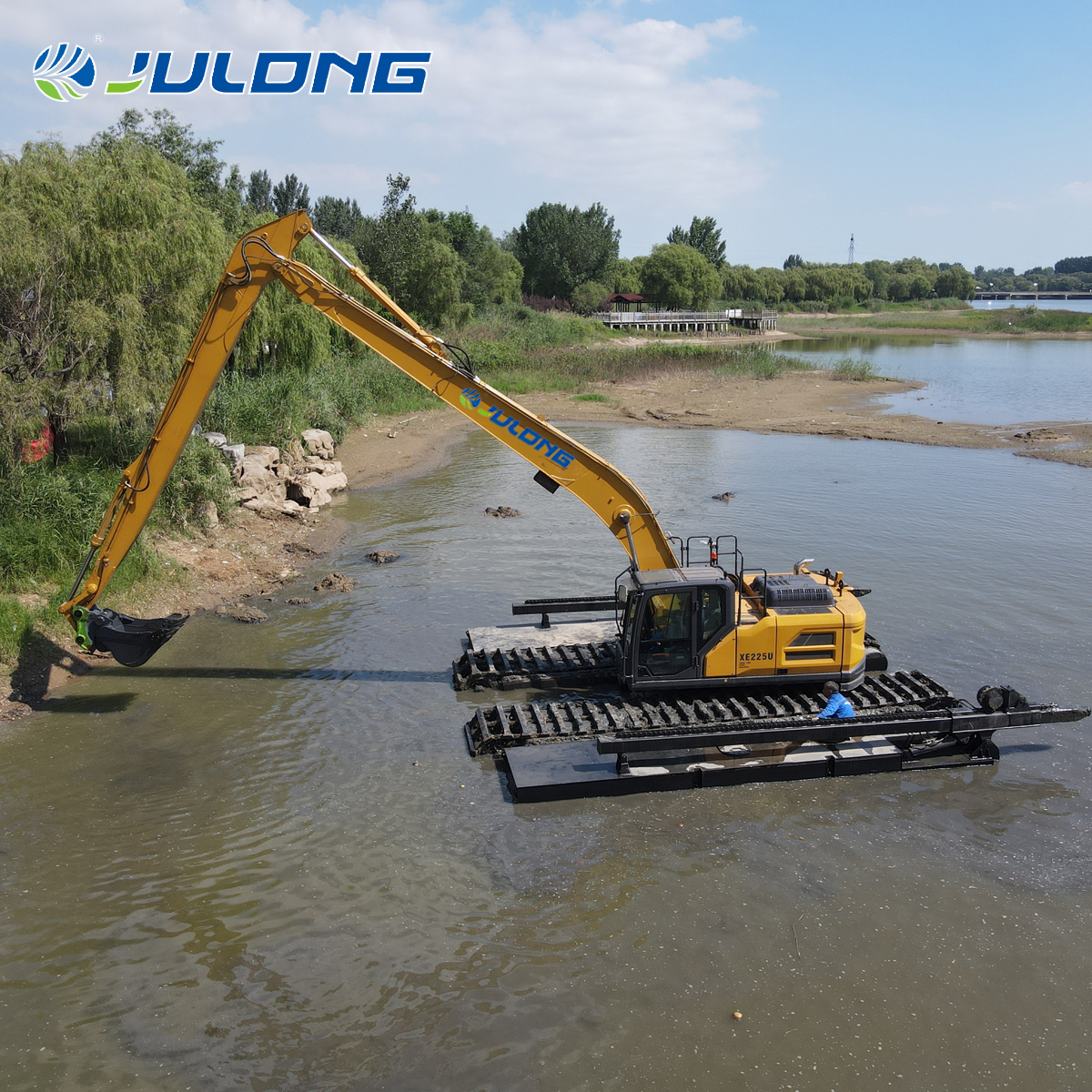
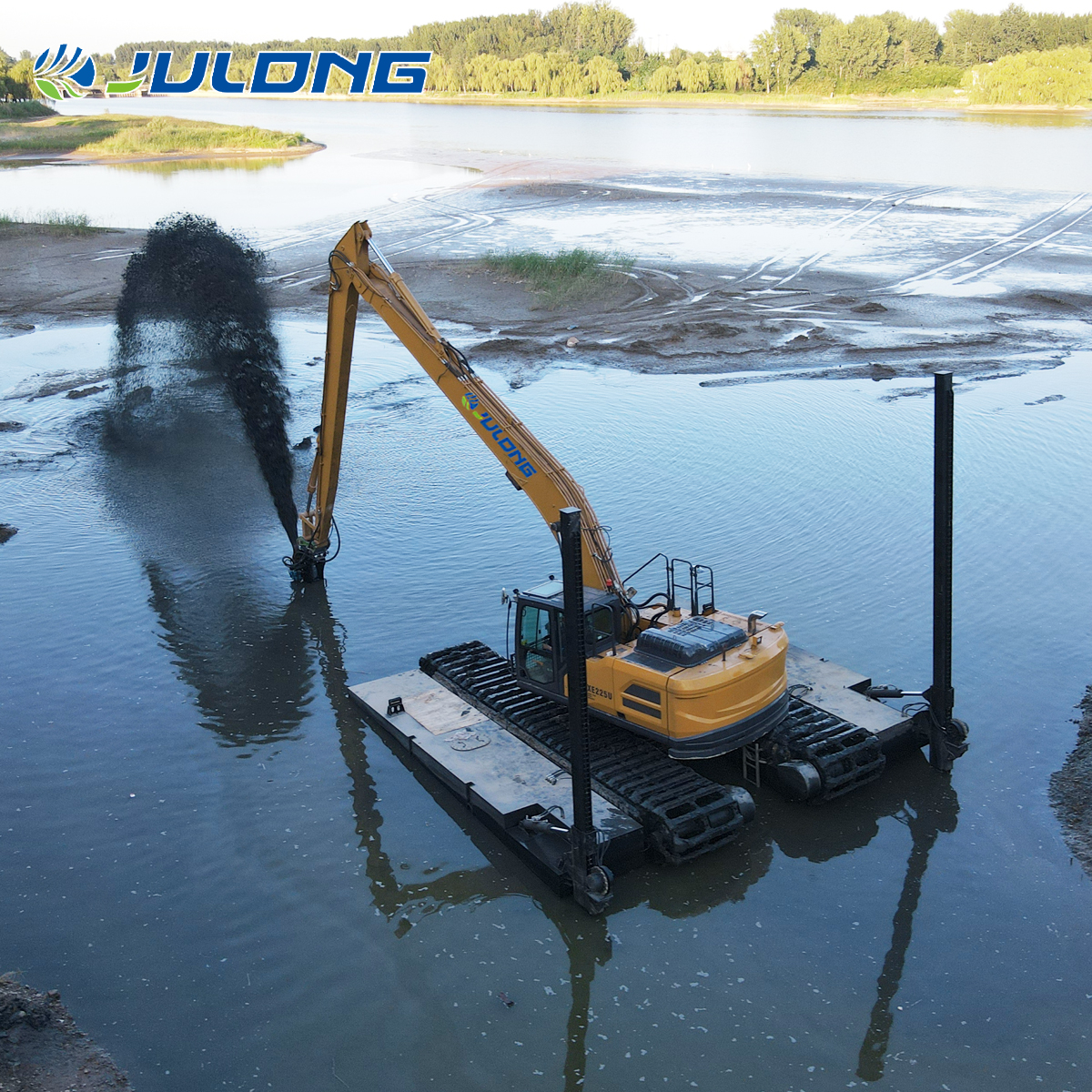
When  it comes to managing wetland projects, choosing the right equipment is crucial. A wetland  amphibious excavator can provide the versatility and efficiency needed  for tasks  like dredging,  excavation, and environmental restoration.  However, potential  buyers  often face uncertainties  regarding specifications, cost factors,  and the overall suitability of the equipment  for their  unique projects. This article aims to clarify what  to consider when selecting a wetland amphibious  excavator, key  specifications  to evaluate,  cost  factors involved,  and material advantages that enhance  performance. For example, an Amphibious Equipment can significantly improve operational efficiency in such projects.

Key Specifications of Wetland Amphibious Excavators for Buyers

Key Specifications of Wetland Amphibious Excavators for Buyers

When evaluating wetland  amphibious excavators, specific  specifications become critical indicators of the machine's suitability for your  needs. Here are some key specifications to  focus on:

Operating Weight: This affects the machine's stability and flotation. A heavier excavator may handle challenging  conditions better but could also sink in  softer soils.

Bucket Capacity: The  volume  of material the bucket can handle at one time affects productivity. A larger bucket may  increase efficiency but could also  require a more powerful  hydraulic system.

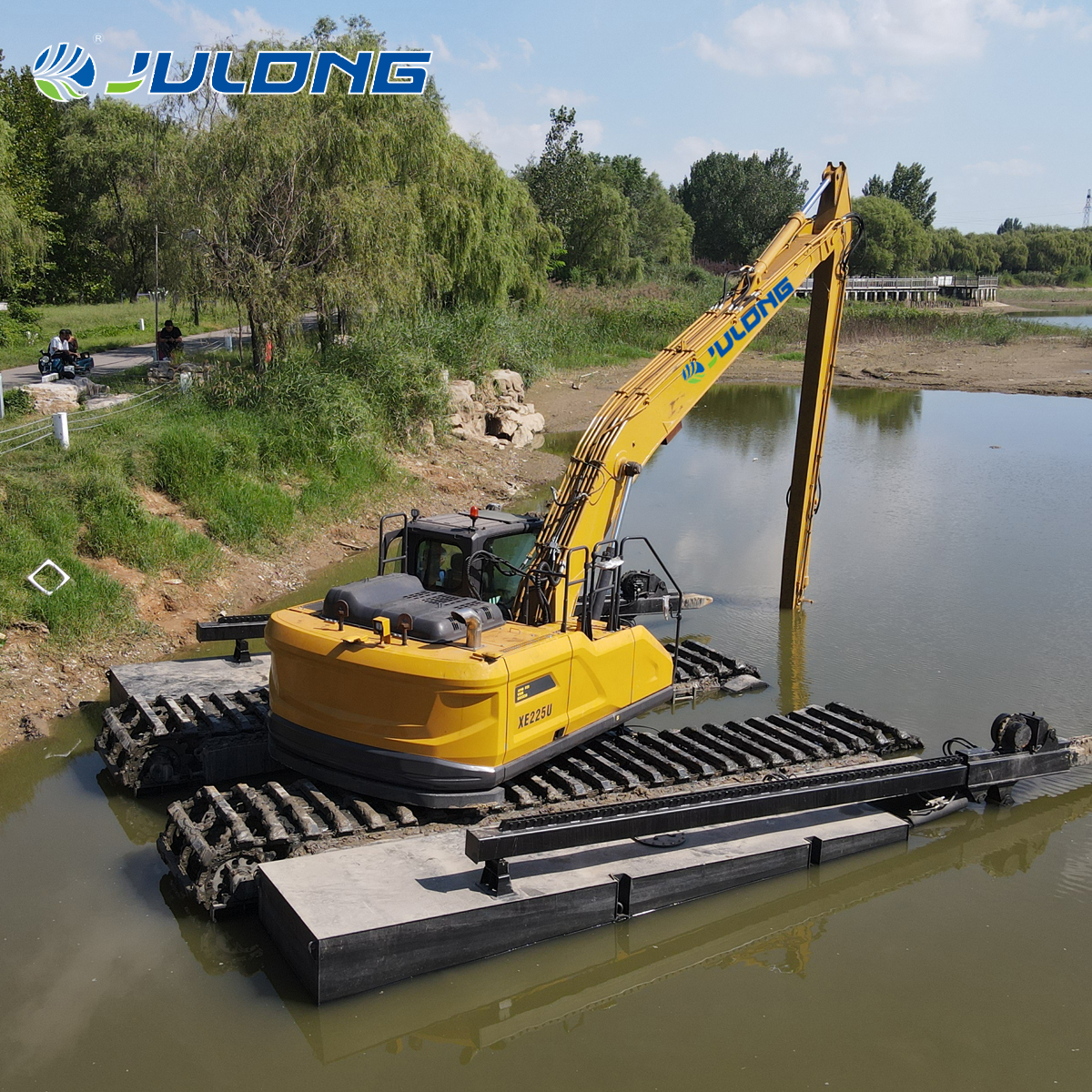
Arm Length: A  longer  arm allows for  greater reach but may affect the excavator's stability. Buyers should balance reach with  operational efficiency based on the project's requirements.

Hydraulic Flow Rate: This specification determines the power of  the hydraulic attachments. A higher flow  rate allows  for more robust attachments,  improving versatility in tasks.

Travel Speed: The speed at which the excavator can move across  different terrains is vital for project timelines. Buyers should consider both land and water travel speeds.

Understanding these specifications will enable buyers to make informed decisions that align with their operational requirements and budget constraints.

Comparing Cost Factors for Wetland Amphibious Excavator Purchases

Comparing Cost Factors for Wetland Amphibious Excavator Purchases

Cost is a significant consideration  when purchasing a wetland amphibious excavator. Several factors influence the overall expenses involved:


Initial Purchase Price:  This  is the most obvious cost. Buyers should compare quotes from multiple suppliers, considering both base prices and  any additional features or attachments  that may  be required.

Operating Costs: Fuel consumption, maintenance, and  parts replacement should be factored into the total cost of ownership. An  excavator with higher initial costs may prove more economical in the  long  run if it’s more fuel-efficient or requires less frequent  maintenance.

Financing Options: Depending  on cash flow, buyers  may wish to explore financing  options that spread the cost over time, affecting both budget planning and overall expense management.

Resale Value: Consider the potential resale value of the equipment. Some brands and models retain value better than others, impacting the long-term cost of the investment.

Customization  Costs:  If specific adaptations are needed for unique projects,  these customizations can add  to the overall  expense. Buyers should clarify the cost implications of any customization upfront.

Understanding and comparing these cost factors will help buyers ensure they are making a financially sound decision.

A Quick Guide

A Quick Guide

When preparing  to purchase  a  wetland amphibious excavator, here’s a quick guide to streamline the  process:

  Identify Project Requirements: Understand the  specific tasks  and challenges your  project entails.  Gather Specifications:  Collect detailed specifications from multiple manufacturers. Evaluate Costs: Compare the total cost  of ownership, including  purchase  price,  operating costs, and resale value. Assess Supplier Support:  Determine the level of after-sales support and service available from the manufacturer. Request  Demonstrations: If possible, arrange for a  demonstration to see the excavator in action.

Following this guide  will  help  in making a well-informed purchasing decision.

Material Advantages of Wetland Amphibious Excavators You Should Know

The materials used in constructing wetland  amphibious excavators  play a significant role in their performance, durability,  and maintenance  requirements. Here are some material advantages  to  consider:

Corrosion-Resistant Materials: Given the nature of wetland environments, using materials that resist corrosion from water and mud is crucial. Stainless steel and specially  treated alloys can enhance the machine's longevity.

Lightweight yet Strong Components: Utilizing advanced composite materials or high-strength steel allows for a reduction in weight without compromising strength. This balance improves fuel  efficiency and overall performance.

Wear-Resistant Finishes:  Components exposed  to abrasive materials should have wear-resistant  finishes. This can significantly reduce maintenance needs and extend the life of critical parts like  buckets and tracks.

Flexible Track Systems: Some excavators  use flexible track systems that enhance the machine's ability  to navigate soft ground conditions without getting stuck,  which is essential for wetland applications.

By understanding these material advantages, buyers can select  a  wetland amphibious excavator that meets  their durability and performance  expectations, ultimately leading to more efficient project execution.


What to Consider When Choosing a Wetland Amphibious Excavator

Selecting  a wetland amphibious excavator requires  a  thorough understanding of the project's specific needs. Key considerations  include the machine's operational environment, intended applications, and the particular  challenges posed by wetland  conditions. Factors such as  soil type, water depth, and  vegetation density can  significantly affect the excavator's performance.

Another critical aspect is the machine's  mobility. Amphibious excavators must be capable of transitioning smoothly between land and water. Buyers should assess the equipment's flotation capabilities, track width, and undercarriage design to ensure optimal performance in various terrains.  Additionally,  consider the power  output and  hydraulic capabilities,  which directly influence the machine's ability to  handle different tasks and materials. For instance, certain models like the Multi-Function Work Boat offer enhanced features for diverse applications.


Lastly, verify the manufacturer’s support and service options. Reliable after-sales service, including maintenance and spare parts availability,  can impact the long-term value of the  investment.


Frequently Asked Questions

What is a wetland amphibious excavator?

A specialized machine combining excavator and pontoon features to operate on soft, marshy, and shallow-water environments for dredging, vegetation removal, and land reclamation.
Ideal for wetland restoration, river and lake dredging, shoreline protection, and port maintenance where normal land machines cannot operate.
Manufactured in an ISO/CE certified facility with robust quality control and long-lasting components to ensure reliability in harsh environments.
Yes. We offer customization of hull size, reach, power, and attachments to meet project depth, mobility, and capacity requirements.
We provide installation support, operator training, spare parts supply, remote technical assistance, and maintenance guidance for reliable long-term operation.

Get a Free Quote

Our representative will contact you soon.
0/1000