Key Specifications of Small Suction Dredges

application/small-suction-dredge, application/small-suction-dredge, 
Inquiry
Inquiry

small suction dredge

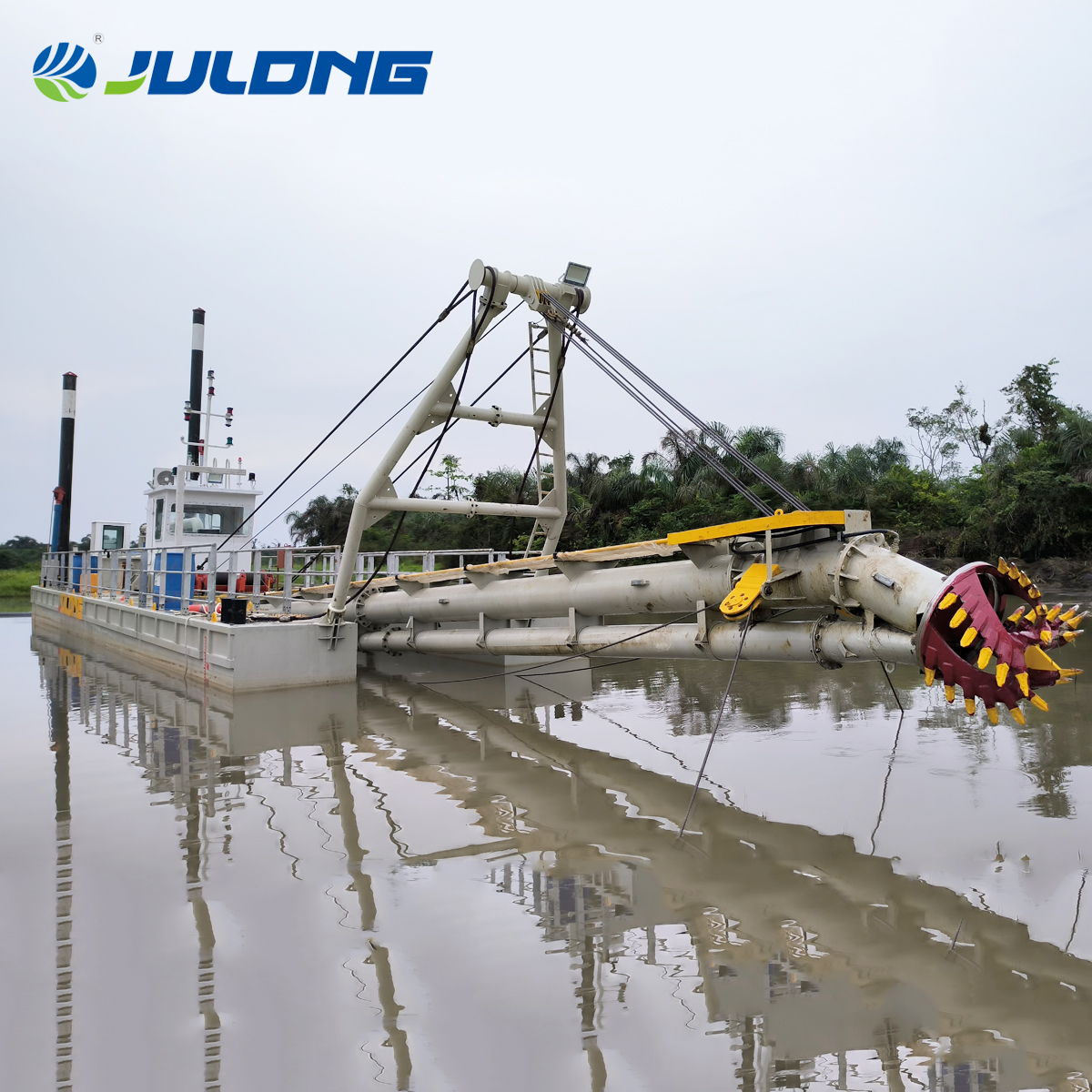
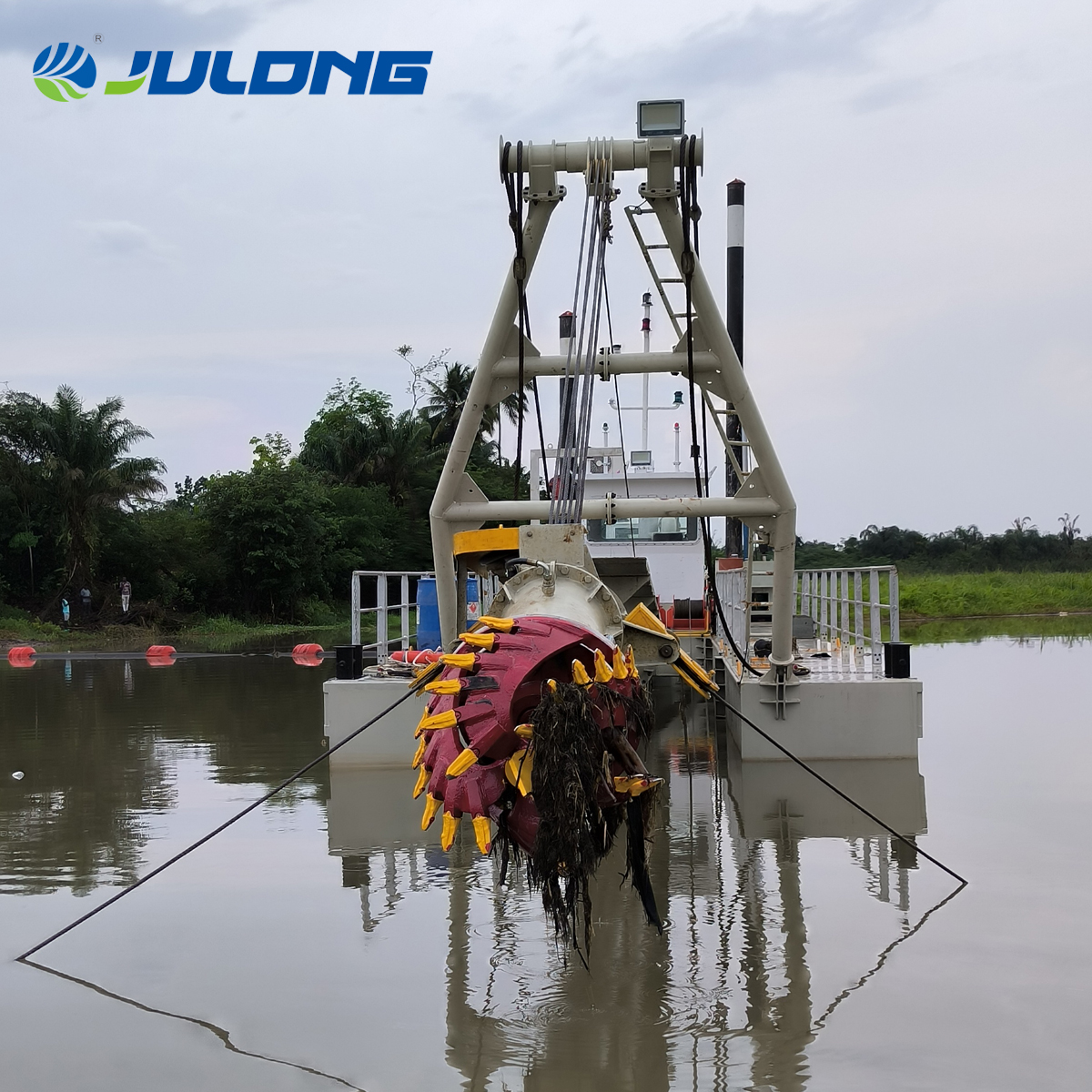
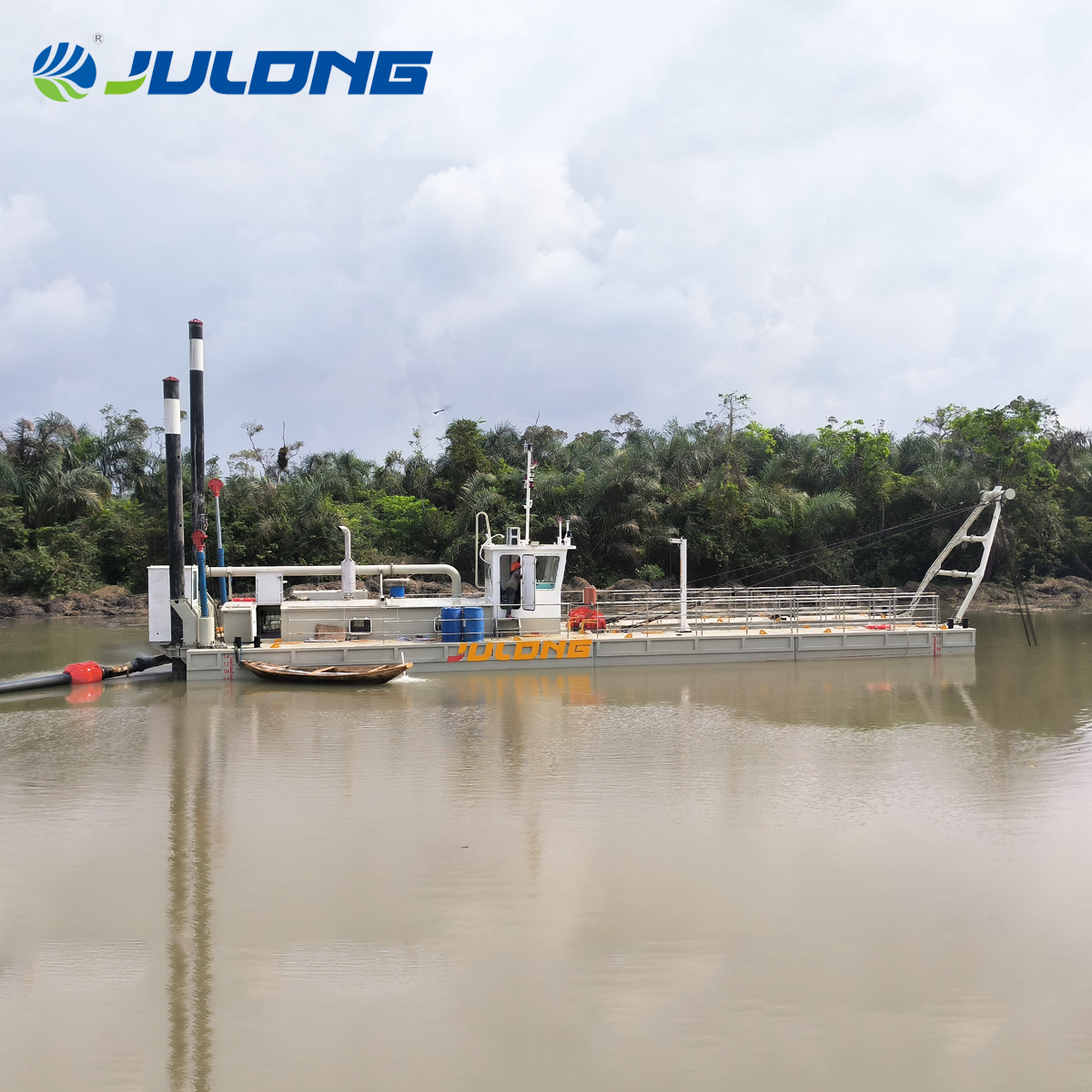
Small  suction dredges  are specialized equipment designed for  efficient  sediment removal in shallow water environments such as rivers, lakes,  and ports. For purchasing managers and  engineers in the manufacturing  and environmental  sectors, understanding the specifications and  capabilities  of these  dredges is  crucial for selecting the right  equipment.  This article  will  explore key specifications, quality evaluation methods,  supplier sourcing, cost considerations,  and the advantages of using small suction dredges  in environmental  projects.

How to Evaluate the Quality of Small Suction Dredges

How to Evaluate the Quality of Small Suction Dredges

Quality  evaluation of small suction dredges involves several  practical steps:

Inspect  Certifications: Ensure the dredge is certified by relevant standards, such as ISO or CE,  which indicates adherence to quality and safety regulations. This is crucial for ensuring reliability and performance.

Review Manufacturing Processes: Understanding how the dredge is manufactured can provide  insights into its  quality. Look for suppliers that employ advanced manufacturing techniques and have stringent quality control processes.

Request Samples or Demonstrations: If possible, request a demonstration or access to a sample dredge. Observing its operation can  help identify  potential issues and confirm its suitability  for your application.

Check User  Feedback and Case Studies: Reviews from other users can provide valuable insights into the  dredge’s performance and reliability in real-world applications.

Evaluate  After-Sales Support: Quality  doesn’t end with the purchase. Reliable  suppliers should  offer  comprehensive after-sales support, including  maintenance services  and spare parts  availability.

By following these steps, buyers can  make informed decisions and reduce the risk of purchasing subpar equipment.

Where to Find Reliable Suppliers for Small Suction Dredges

Where to Find Reliable Suppliers for Small Suction Dredges

Finding a reliable supplier for small suction dredges is critical for ensuring quality and performance. Here are some strategies:

Industry Trade Shows: Attending trade shows focused on environmental  technology or marine  construction can help you connect  with reputable  manufacturers and suppliers.

Online Directories: Utilize online B2B marketplaces  and industry directories to find manufacturers specializing in  dredging equipment. Look  for companies with positive reviews and a solid track record.

Networking: Reach out  to industry peers or associations for recommendations on reputable suppliers. Personal experiences can guide you to reliable manufacturers.

Supplier Evaluation Criteria: When contacting  suppliers, inquire about their manufacturing  capabilities, certifications,  and experience in  exporting to your region. Compare responses  to gauge reliability.

Request Quotes: Obtain quotes from multiple suppliers. This not only helps in price comparison but also  provides insights into  their  responsiveness and willingness  to accommodate custom requests.

Following these steps will enhance your chances of finding a trustworthy supplier for  small suction dredges, ensuring  a smooth purchasing  process.

Cost Factors to Keep in Mind for Small Suction Dredge Purchases

Cost Factors to Keep in Mind for Small Suction Dredge Purchases

When  budgeting for small suction dredges, several cost factors should be considered:

Initial Purchase Price: While  the base cost of the  dredge is a primary consideration, it’s essential to  balance price with  quality.  Cheaper models  may incur higher maintenance costs over  time.

Shipping and Handling: Factor in shipping costs, especially for  international purchases.  Make sure to clarify whether  the quoted price  includes delivery to your site.

Customization: If specific modifications are required, such as changes in dimensions or  features, this  can significantly impact the final cost.  Discuss customization options early in the purchasing  process.

Maintenance and Operating Costs: Regular maintenance is crucial for the longevity of dredging equipment. Assess the cost of routine maintenance services  and availability of parts.

Financing Options: Some suppliers may offer financing plans, which can help manage cash flow. Evaluate these options  to determine if  they align with your budget.

Understanding these cost factors enables buyers to create a comprehensive budget and make  informed purchasing decisions.

Advantages of Using Small Suction Dredges in Environmental Projects

Small suction dredges offer several advantages  for environmental projects:

Minimal Environmental Impact: These dredges are designed to operate in sensitive environments with minimal  disturbance. Their precision allows for targeted sediment removal, reducing the risk  of harming surrounding ecosystems.

Versatility: Small suction  dredges can be used in various applications, from  maintaining waterways to removing  contaminated sediments. Their adaptability makes them  suitable for diverse projects.

Cost-Effectiveness: Compared to larger dredging equipment, small  suction dredges typically have lower operational costs and can be  more economical for smaller projects or tight budgets. For example, the JLWB1600 Multi-function Work Boat is designed for efficiency in smaller dredging operations.

Ease of Use:  Many small suction dredges are designed  for ease of operation, allowing less experienced operators to use them effectively. This can reduce training costs and  improve project timelines.

Scalability: These dredges can be used in tandem for larger projects, allowing for scalable operations based  on  the size and requirements of  the job.

By leveraging these advantages, environmental professionals  can enhance project outcomes  while ensuring compliance with ecological standards.

When selecting a  small suction dredge,  thorough research  and evaluation of specifications, quality, suppliers, and costs are essential to ensure that the chosen equipment meets operational needs and environmental considerations.

Key Specifications of Small Suction Dredges for Bulk Purchasing

When considering small suction dredges, buyers should pay attention to several key specifications:

Pump Capacity: Measured in cubic  meters per  hour (m³/h), this determines how much sediment the dredge can remove. A higher capacity  is essential for larger projects but may be less critical for  smaller,  localized tasks.

Suction Depth: The maximum depth the dredge can operate effectively is vital. Ensure the dredge can reach the required sediment  depth for your  specific application.

Hopper Capacity: This specification indicates how much material the dredge can hold before needing to  discharge. A  larger hopper reduces  operational downtime, making it more efficient for extensive projects. For instance, the JLCSD700 Cutter Suction Dredger has a significant hopper capacity designed for large-scale operations.

Engine Power: The power rating of the engine impacts the dredge’s performance. A robust engine  ensures that the  dredge can operate  effectively in challenging conditions.

Material Construction: Dredges should be constructed from durable, corrosion-resistant materials to withstand harsh  environmental conditions. Common materials include high-strength steel  and marine-grade alloys.

Transportability: Consider the  dimensions and weight of the dredge, especially if it needs to be moved frequently between sites. Compact models may offer better transport options.  Understanding these specifications helps ensure that the selected dredge meets operational  demands and performs reliably in  the field.

Frequently Asked Questions

What is a small suction dredge used for?

A small suction dredge removes silt, sediment, and debris from rivers, lakes, ports, and shallow waterways to restore depth, improve flow, and support maintenance or construction projects.
Consider dredging depth, pumping capacity, engine power, hose diameter, cutter type, and mobility. We provide specifications tailored to project scale and site conditions.
Yes. Our dredges are manufactured in a 12,000 m² facility and come with ISO and CE certifications, built for durability and reliable field performance.
Yes. We offer customization of cutter heads, pump capacity, hose length, power options, and amphibious features to meet specific river, lake, or port requirements.
Yes. We supply technical support, maintenance guidance, and spare parts to customers across 93 countries to ensure efficient long-term operation.

Get a Free Quote

Our representative will contact you soon.
0/1000