Key Specifications of Small Dredges for Performance

application/small-dredge, application/small-dredge, 
Inquiry
Inquiry

small dredge

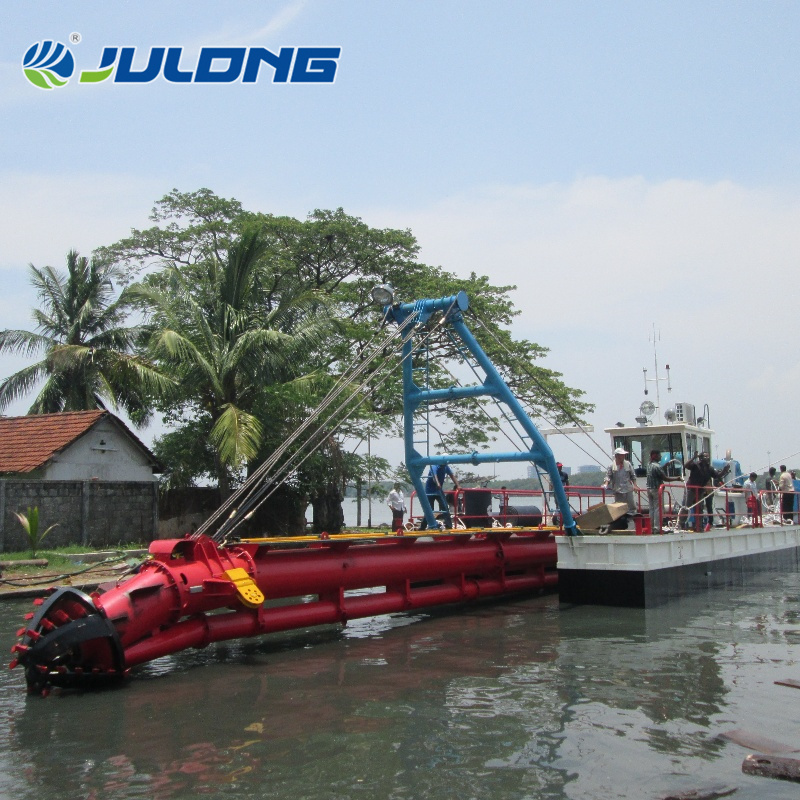
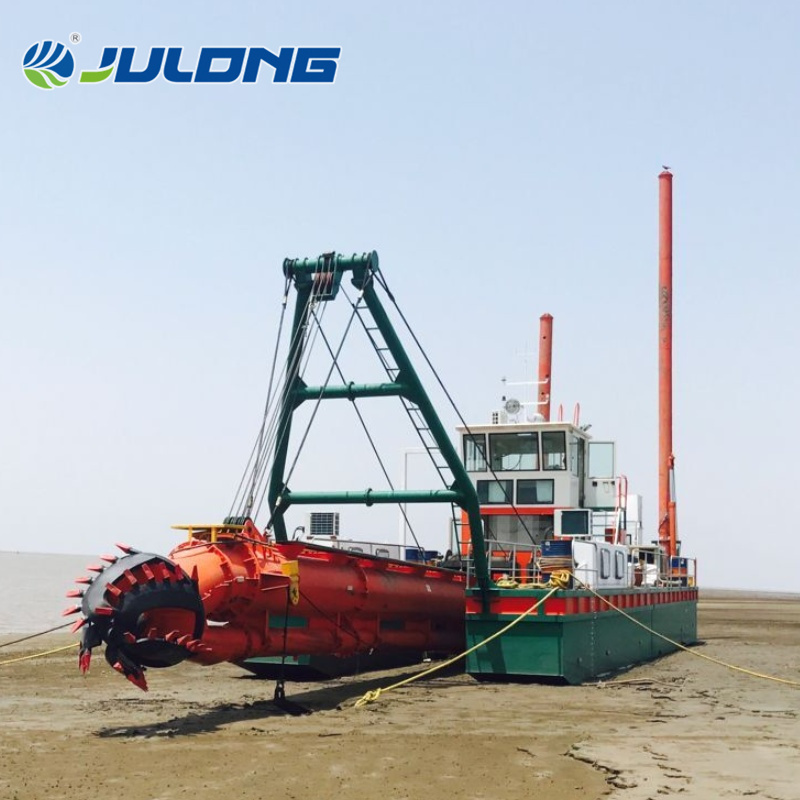
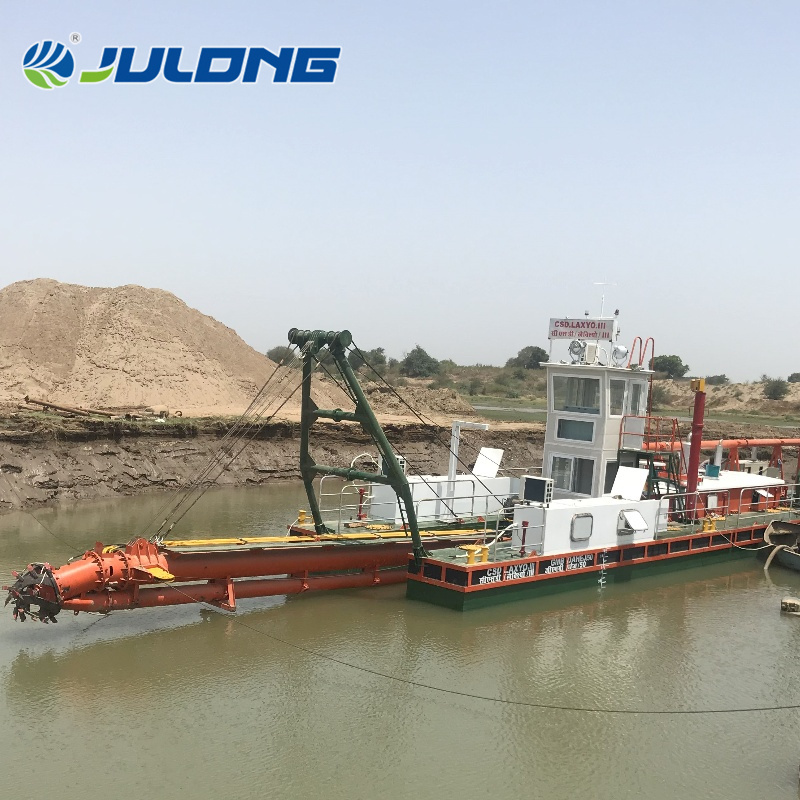
Small  dredges are essential  tools for various  aquatic projects,  including river,  lake, and  port maintenance. These compact dredging machines  are designed to  remove  sediment, debris,  and other materials from  water bodies efficiently. As a purchasing manager or  project  engineer, understanding the specifications, performance capabilities, and applications of small dredges is crucial for making informed procurement decisions. This article will guide you through  the key specifications of small dredges, how  to assess the materials  they handle,  common challenges encountered, and  their applications across  different  industries.

How to Assess Small Dredge Materials

How to Assess Small Dredge Materials

Assessing the materials that small dredges will encounter is critical for ensuring efficient operation and longevity  of the equipment.  Here are some factors to  consider:

Material Composition: Understand the types of materials present in the dredging site. Small  dredges can handle a range of  materials, including sand, silt, and clay. However, abrasive or heavy materials may require specific dredge  designs or  modifications.

Density  and Weight:  The density of the  materials affects the dredging process. Heavier materials may require more powerful pumps and engines to manage effectively. Ensure that the selected  small dredge  can  handle the specific density and weight of the materials at your site.

Water  Content: The moisture level of the dredged materials impacts the dredging efficiency. Higher water content may lead to a  more challenging dredging process. Assessing the water content allows for appropriate adjustments in  equipment and operational strategy.

Environmental Impact: Consider the environmental regulations and potential ecological  impacts when assessing materials. Using small dredges that minimize disruption to the  surrounding ecosystem can be crucial for compliance and sustainability. For example, an Aquatic Cleaning Boat can be particularly effective in sensitive environments.

What You Need to Know

What You Need to Know

Before purchasing a small dredge, you should be aware of several important  considerations:

Customization Options:  Depending on  the specific project requirements, you may need to  customize certain  features of the dredge. Discussing customization capabilities  with the manufacturer  can help tailor the equipment to your needs.

Quality  Control Processes: Understanding the  manufacturer’s quality control processes can provide insights into  the reliability and durability  of the dredge. Look for manufacturers with rigorous testing and quality assurance measures in place.

Lead  Times and Production Capacity: Inquire about lead times  for production and delivery. Understanding the manufacturer's production capacity can help  you plan  your  project  timeline effectively.

Maintenance Requirements: Familiarize yourself with the maintenance needs of the dredge. Regular  maintenance is vital for optimal performance and  longevity. Ask  about service agreements or support available after purchase.

Common Problems with Small Dredges and Their Solutions

Common Problems with Small Dredges and Their Solutions

Like any machinery, small dredges can encounter issues that  may disrupt operations. Here are  some common  problems and their potential solutions:

Clogged Pumps: Clogs often occur  due to debris or overly thick materials.  Regular inspection  and maintenance can help minimize this issue. Installing a pre-screening  system  can also  prevent  larger debris from entering the pump.

Engine Overheating:  Overheating can result from inadequate cooling or  excessive load. Regularly checking coolant levels and ensuring the engine is not overloaded can mitigate this risk.

Wear and Tear: Continuous operation can  lead to wear on components like the pump and hull. Regular inspections  for signs of wear and timely replacements of worn  parts can extend the dredge’s operational life.

Navigational Challenges:  Small dredges  may struggle in  shallow or obstructed waters. Ensuring the dredge is equipped with appropriate mobility features  can enhance navigation  and efficiency in various environments.

Applications of Small Dredges in Various Industries and Projects

Small dredges  are versatile tools used across multiple industries. Here are some common applications:

Environmental Cleanup: Small dredges are frequently employed in environmental restoration projects to remove contaminated  sediments  from water bodies, helping to  restore ecosystems.

Construction Projects: In construction, small dredges are  used for excavation and site  preparation. They facilitate the removal of  sediments to  create foundations for bridges, docks,  and other structures.

Aquaculture: In  aquaculture, small dredges are  utilized to maintain water quality  and manage sediment buildup in fish farms, ensuring a healthier environment for aquatic life.

Municipal Improvements: Small dredges are effective in  maintaining local waterways, lakes, and reservoirs by removing excess  sediment and debris, improving water quality  and navigation.

By understanding  the specifications, assessing materials, and being aware of common  issues,  buyers can make informed decisions when procuring small  dredges. Engaging with a reputable manufacturer, such as Qingzhou JULONG Environmental  Technology Co., Ltd., ensures access to high-quality, durable dredging solutions tailored to your specific project needs.

Key Specifications of Small Dredges for Effective Performance

When evaluating small dredges,  several key specifications should be considered to ensure effective performance.

Dredging Depth and Width: The dredging depth indicates how  deep the dredge can operate underwater, while the dredging width affects the amount of material that can be removed in a single pass. Buyers should  determine the specific depths and widths required for their projects to select an appropriate model.

Pump Capacity: This specification details the volume of water and sediment  the dredge can handle in a given time. A higher  pump capacity generally translates to  increased  efficiency and reduced project timelines.  Buyers should assess their project scale to select a dredge that meets or exceeds  their pumping needs.

Engine Power: The engine's horsepower directly influences the dredge's operational capabilities, including lifting and propulsion. Ensure the engine  power aligns with the intended application, especially in challenging environments like muddy or deep water.

Material Handling  Capability: Different small dredges  are designed to  handle varying types of materials, from silt to gravel. Understanding  the composition of the materials you plan to  dredge is essential to select a model that can efficiently manage those specific materials without compromising performance. For instance, utilizing an Aquatic Cleaning Boat can enhance your dredging capabilities.

Mobility Features: Small dredges often come with various mobility features, such as amphibious capabilities or flotation systems. These features enhance the dredge’s ability to navigate different terrains, making them suitable  for diverse  project requirements.

Frequently Asked Questions

What is a small dredge used for?

A small dredge is used for river, lake, pond and small port sediment removal, maintenance dredging, and land reclamation in confined or shallow waters where larger machinery cannot operate.
Small dredges vary by pump power, cutter size, dredging depth (often up to 6–10 m), and hull dimensions. We customize specs to project needs within our manufacturing capabilities and certifications.
Yes. We provide customized designs for cutter, pump, hull and control systems to suit site conditions, project scale and transport limits from our ISO/CE certified facility.
Our products are manufactured in a 12,000 m² facility and comply with ISO and CE standards, ensuring durable components, tested systems and reliable performance.
Contact our sales team with project details (dredging depth, soil type, discharge distance). We will provide a tailored quote and lead time based on customization and current production schedule.

Get a Free Quote

Our representative will contact you soon.
0/1000