Key Considerations for Sourcing Pond Dredges

application/pond-dredge, application/pond-dredge, 
Inquiry
Inquiry

pond dredge

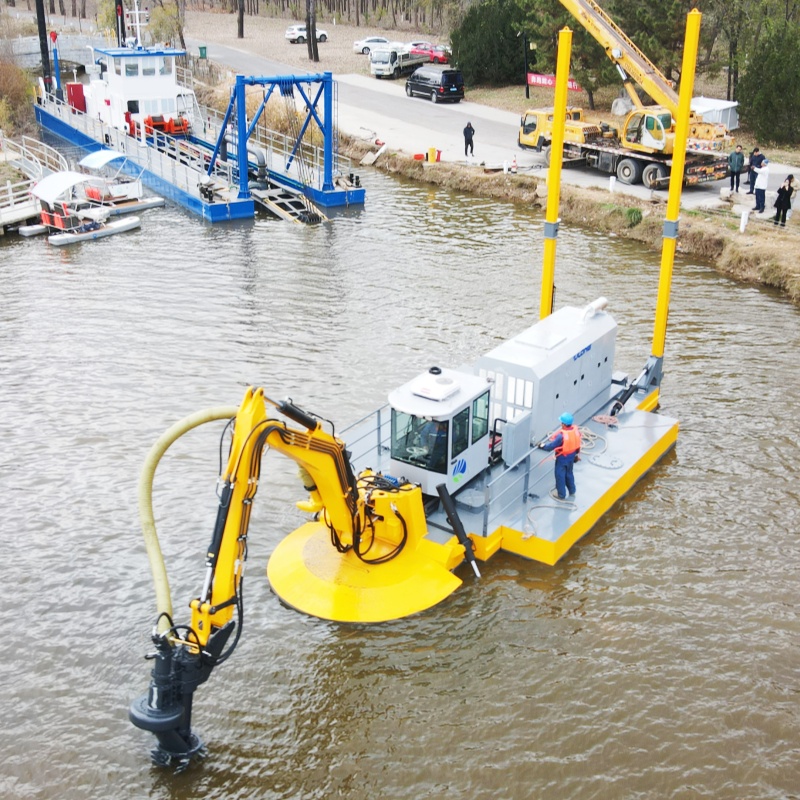
Pond dredges are specialized pieces  of equipment designed primarily for  sediment  removal  and  maintenance  of  water  bodies such  as  ponds, lakes, and rivers. For B2B buyers, including purchasing managers  and environmental engineers, concerns often  revolve around the  efficiency, durability, and  suitability of dredging solutions for specific projects. This article  will delve  into the essential  considerations when  sourcing a pond dredge, focusing on key specifications, installation guidance, and  practical applications in environmental  projects.

Key Specifications to Compare in Pond Dredge Models

Key Specifications to Compare in Pond Dredge Models

When comparing different pond dredge models, several specifications warrant careful consideration to ensure the equipment meets project requirements:

Dredging Depth and Width: Evaluate the  maximum dredging depth and width of the dredge. These dimensions will determine the dredge's ability to efficiently remove sediment from the chosen water body.

Power and Fuel Efficiency: The dredge's engine power and fuel consumption  are  critical  for operational  cost  assessments. Choose models that provide a balance between sufficient power for  effective dredging  and optimal fuel efficiency  to minimize operational costs.

Material Construction: The  durability  of  the dredge largely  depends on  the materials  used in its construction. Look for high-strength steel or corrosion-resistant materials that can withstand the harsh conditions  of aquatic environments.

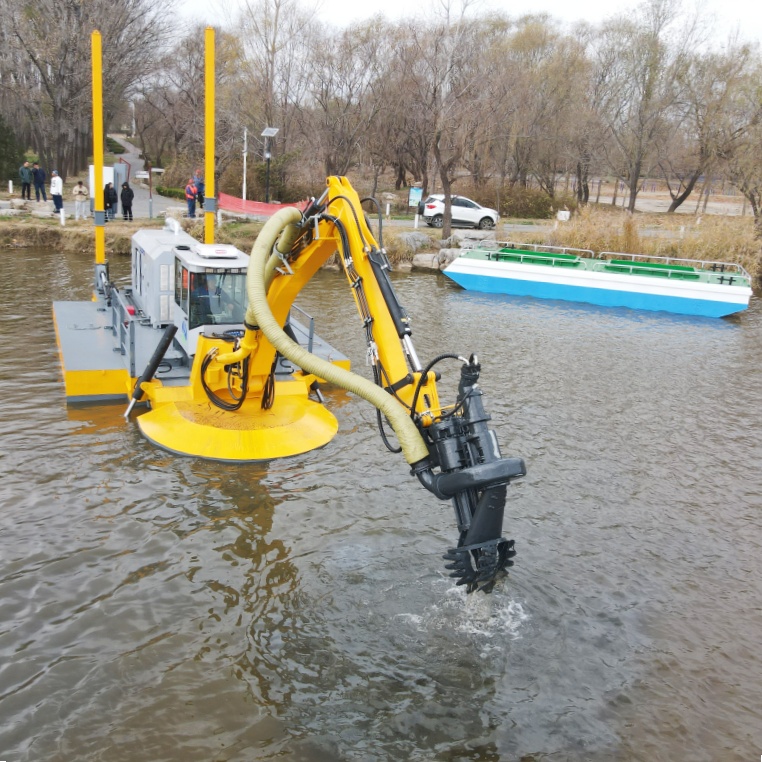
Pump Capacity: A higher pump  capacity allows for faster removal of sediment, which is essential for time-sensitive projects. Assess the dredge’s pump specifications to ensure it aligns with your  operational goals.

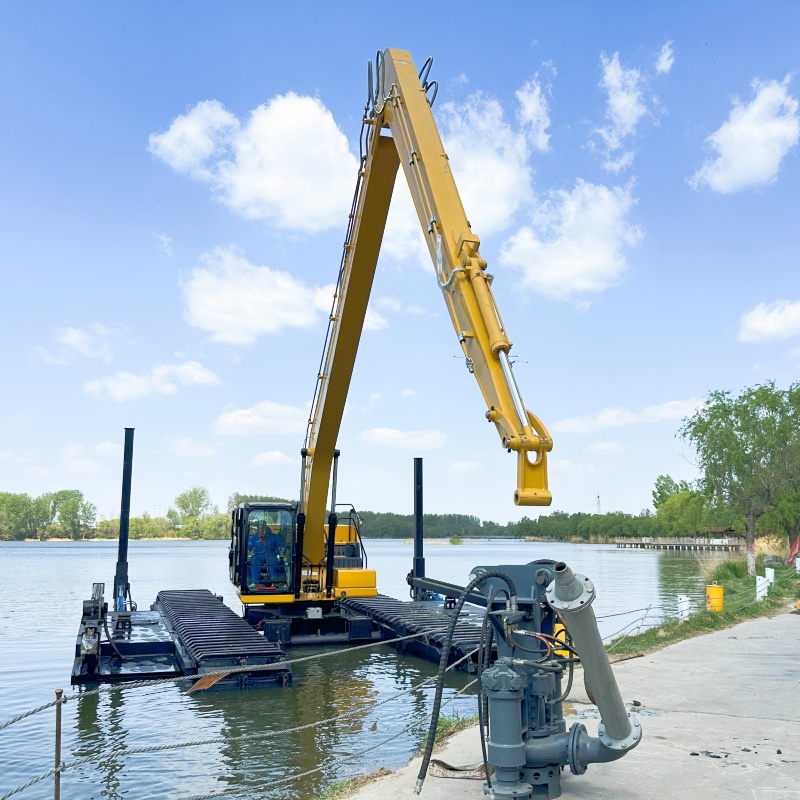
Mobility Features: Depending on site conditions, mobility features such as amphibious capabilities or trailer-mounted designs can enhance operational flexibility.

These specifications should  be matched to the specific application needs, ensuring the dredge can perform  effectively in its intended environment.

What to Look For

What to Look For

When  selecting a pond dredge, consider the following  aspects to ensure it meets both  operational and project requirements:

Customization  Options: Some  projects may  require specialized attachments or configurations. Discuss customization  capabilities with the  manufacturer to tailor the dredge to your  specific needs.

Service and Support:  Post-purchase support  is vital for maintaining operational efficiency. Select suppliers  that  offer comprehensive after-sales service, including maintenance training and spare parts availability.

Operational Ease:  Look for dredges with user-friendly controls and features that facilitate quick setup and efficient operation. This can minimize training time and enhance productivity.

Quality Assurance  Processes: Inquire  about the  manufacturer's quality control processes. A  robust quality assurance  system ensures that every dredge meets the necessary  performance and safety standards before delivery.

Installation Guidance for Efficient Pond Dredge Use

Installation Guidance for Efficient Pond Dredge Use

Proper installation is essential  for maximizing the efficiency of a pond dredge. Here are key points  to consider:

Site Preparation:  Ensure the  site is  adequately prepared before installation. This includes assessing water  levels,  sediment type, and potential obstacles in the  dredging area.

Equipment Setup: Follow the manufacturer's setup guidelines closely.  Proper alignment and connection  of the dredge to its power source are  crucial  for optimal  performance.

Testing: Conduct a thorough test run after installation. This will help  identify any operational issues and ensure that the dredge is functioning  as intended.

Operator  Training: Ensure that operators are trained in using the specific dredge model. Familiarity with controls and features enhances operational safety  and  efficiency.

Effective  installation and operator training can significantly reduce downtime and operational inefficiencies, ensuring  that the dredging project proceeds smoothly.

Applications of Pond Dredges in Environmental Projects

Pond dredges play a pivotal role in various environmental projects. Here are some common applications:

Sediment Removal: Dredges are primarily used to remove  excess  sediment from  ponds and lakes, improving water  quality and enhancing aquatic habitats.

Habitat Restoration: Dredging can help restore  natural habitats by removing  invasive species and excess nutrients that hinder  native  plant and animal  life.


Waterway Maintenance: Regular dredging ensures that waterways remain navigable and that flood risks are minimized by preventing sediment buildup.

Construction Preparation: Before construction projects near water  bodies,  dredging can prepare the site by clearing sediment and ensuring proper water  flow. For instance, using a model like the JLWB1600 Multi-function Work Boat can enhance the efficiency of pre-construction activities.

By  understanding  these applications, buyers can better assess their project needs and the specific  features required in  a pond dredge.

Selecting the right pond dredge involves careful consideration of specifications, supplier capabilities, and the specific applications required. By focusing on these elements,  B2B buyers  can make informed decisions that enhance the efficiency and effectiveness of their dredging  projects.

Sourcing Quality Equipmen

When sourcing a pond dredge, it’s critical to evaluate  suppliers based  on their manufacturing capabilities,  certifications, and experience in the industry. Look for manufacturers with ISO and CE certifications, as these indicate adherence to international quality standards. A reputable supplier, such as Qingzhou JULONG  Environmental Technology Co., Ltd., typically showcases  extensive experience in  producing  cutter  suction dredgers like the JLCSD700 Cutter Suction Dredger – 7,000 m³/h Heavy-Duty Hydraulic Dredging Vessel and amphibious  dredgers,  which can offer insights into their reliability.

It's also essential to  consider the  size of the manufacturing facility  and production capacity. A facility of 12,000  square meters, for example, suggests a sufficient scale for large orders,  while also indicating the potential for  customization. Engaging with suppliers who  can  provide references or case studies from past  projects  can further solidify their credibility.

Frequently Asked Questions

What is a pond dredge used for?

A pond dredge removes silt, vegetation, and debris to restore depth, improve water flow, and enhance water quality in lakes, ponds, and canals.
We supply cutter suction and amphibious pond dredges suitable for varied depths and terrains, plus excavator attachments for targeted sediment removal.
Our equipment is produced in a 12,000 m² facility and carries ISO and CE certifications, ensuring reliable manufacturing and quality control.
Yes. Amphibious dredges are designed for shallow, soft, and marshy areas, providing mobility and stable operation where boats cannot go.
Yes. We offer technical support, spare parts, and maintenance guidance to maximize machine uptime and ensure efficient long-term operation.

Get a Free Quote

Our representative will contact you soon.
0/1000

Related product categories