How to Choose the Right Plough Dredger

application/plough-dredger, application/plough-dredger, 
Inquiry
Inquiry

plough dredger

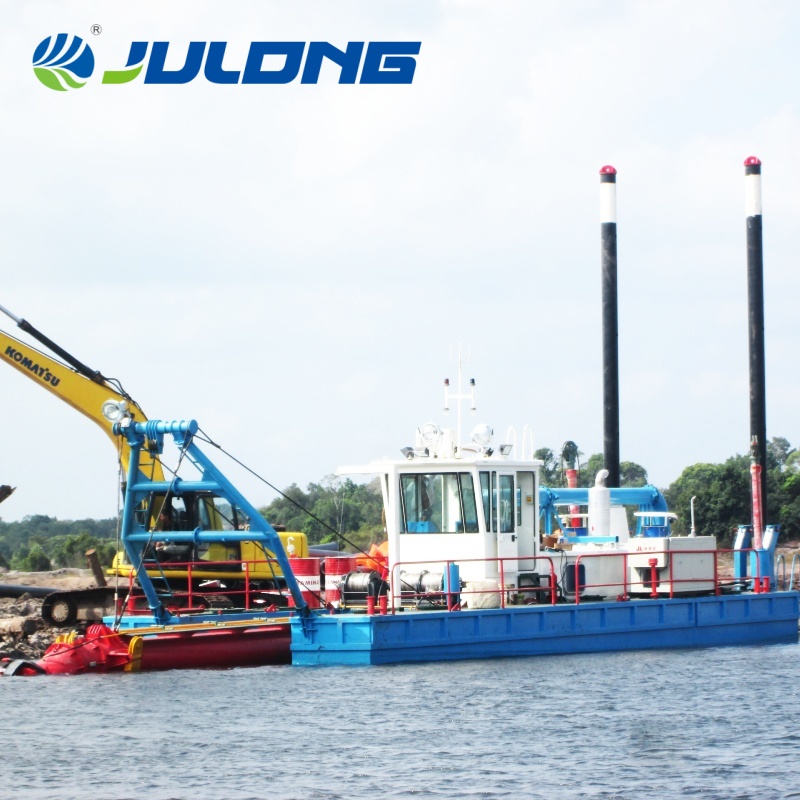
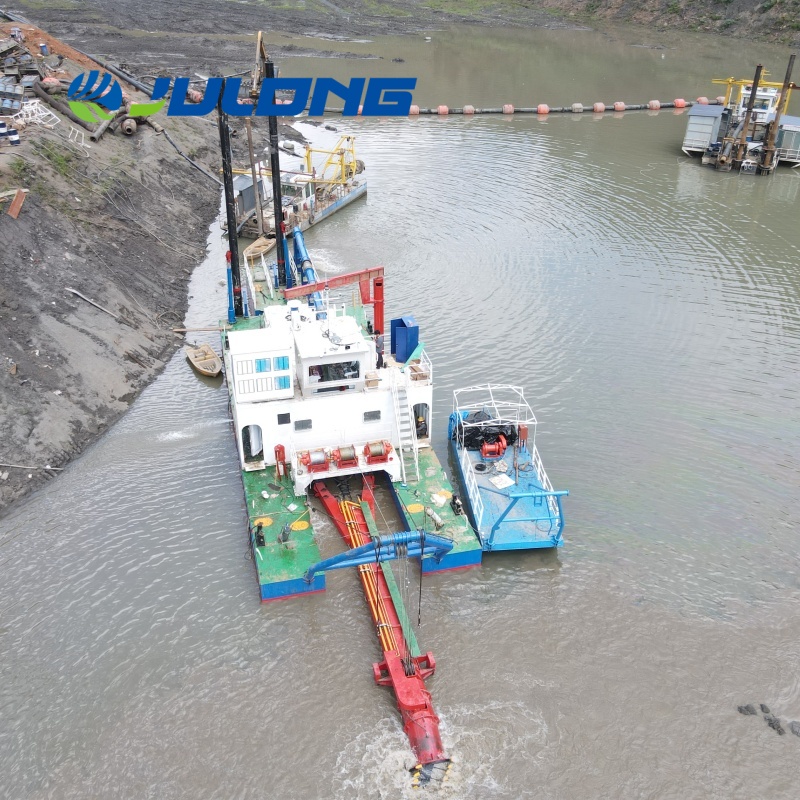
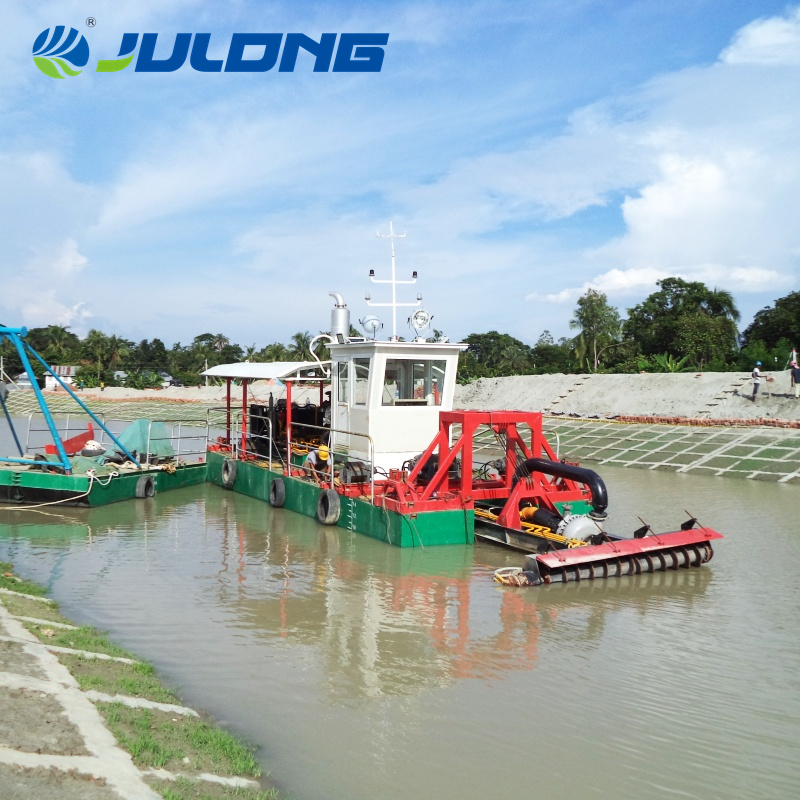
Choosing the  right plough dredger can significantly impact the efficiency  and success of your project.  These  machines are essential for  dredging  operations in  rivers, lakes, and ports, providing critical  functionality  for  maintaining waterways  and facilitating navigation. As a B2B buyer, your primary concerns may include  selecting  the correct specifications, finding  reliable suppliers, and  understanding installation and maintenance requirements. This  article will  guide you through the essential considerations for  sourcing a plough  dredger, ensuring you  make an informed purchasing decision.

Key Specifications to Evaluate When Sourcing Plough Dredgers

Key Specifications to Evaluate When Sourcing Plough Dredgers

Several key specifications should be evaluated when sourcing plough dredgers:

Dredging Depth and Width: The dredging depth indicates how deep the dredger can operate, while the width determines the area  it can cover in a single  pass. Aligning these specifications with your  project  requirements is crucial  for operational efficiency.

Power and  Engine Type: A powerful engine will enhance the  dredger's performance, especially  in challenging conditions. Consider  whether a diesel or electric engine is more appropriate for your needs based on fuel availability and environmental regulations.

Material Handling Capacity: This specification  indicates how much  material the dredger can move per hour. It’s essential  to match this capacity with the expected workload to avoid delays.

Construction Material: The dredger's build material  affects its durability and resistance to corrosion, especially  in saltwater  environments. High-quality steel or composite materials may offer better longevity.

Operational Features: Look for features that facilitate ease of use, such as automated controls, GPS navigation, and real-time monitoring systems.  These can  enhance operational efficiency and  reduce manual  labor.

Ensuring that these specifications align with your  operational goals will help in selecting a suitable plough dredger.

Where to Find Reliable Suppliers for Plough Dredgers

Where to Find Reliable Suppliers for Plough Dredgers

Finding a reliable supplier is critical for acquiring a  high-quality plough dredger. Start by researching manufacturers that specialize  in dredging equipment, focusing on those with a proven track record in the industry.

Check for ISO and CE certifications, as these indicate adherence  to international quality standards. Additionally,  look for  suppliers  with extensive export experience, particularly in regions relevant to your business needs. This experience  often correlates with the supplier's understanding of  various operational environments and regulatory  requirements.

Read customer reviews&nbsp; and&nbsp; testimonials to evaluate the supplier's reputation. Engaging in industry forums or trade&nbsp; shows can&nbsp; also provide insights into supplier capabilities and new&nbsp; technologies in&nbsp; dredging equipment. </p>

Request detailed&nbsp; product catalogs and&nbsp; inquire about customization options to ensure the dredger meets your specific project needs.&nbsp; Establishing a&nbsp; good&nbsp; relationship with your supplier can also enhance communication and support throughout the purchasing process.

Installation Guidance for Efficient Use of Plough Dredgers

Installation Guidance for Efficient Use of Plough Dredgers

Proper installation of a plough dredger&nbsp; is crucial for its efficient operation. Each dredger&nbsp; model may&nbsp; have&nbsp; specific installation requirements, so always refer to the manufacturer’s&nbsp; guidelines for precise instructions.

Start by preparing the site, ensuring that the&nbsp; ground can support the dredger's weight. If necessary, create&nbsp; a stable platform for the&nbsp; dredger to operate from, especially if it&nbsp; will be used in&nbsp; marshy or unstable areas. </p>

Next, ensure that all components are correctly assembled&nbsp; and secured. This includes checking hydraulic connections,&nbsp; electrical systems, and any other&nbsp; operational features. After installation, conduct&nbsp; a thorough&nbsp; inspection and testing phase to&nbsp; confirm that all systems function as intended. </p>

Training your operators on the specific dredger&nbsp; model is essential. They should be familiar with operational protocols, safety measures, and maintenance routines to maximize efficiency and&nbsp; minimize downtime.

What Buyers Should Know

When preparing to purchase a plough dredger, there are several key considerations to keep in mind:

Cost Factors:&nbsp; Understand how pricing&nbsp; is influenced by specifications, features, and customization. It may be&nbsp; tempting to choose the lowest-cost option, but&nbsp; ensure that you&nbsp; are balancing price with&nbsp; quality and capability.

Lead Time: Inquire about manufacturing and delivery timelines, especially if you have a tight project schedule. Customization may extend lead times, so factor&nbsp; this into your planning.

Quality Inspection: Before finalizing&nbsp; your order, request a sample or prototype&nbsp; if possible. This allows&nbsp; you to verify&nbsp; that the dredger meets your specifications and performance&nbsp; expectations.

Post-Purchase Support: Confirm the availability of after-sales support, including parts replacement, maintenance&nbsp; services, and warranty coverage. A supplier that offers robust support can&nbsp; save you significant time and costs in the long run.

Regulatory Compliance: Ensure that the dredger complies with local environmental regulations and safety standards.&nbsp; This can help avoid potential legal issues and enhance your project's&nbsp; sustainability.

By understanding these factors,&nbsp; you can make a more informed purchasing decision that aligns with your operational needs and project goals.

How to Choose the Right Plough Dredger for Your Project Needs

When selecting a&nbsp; plough&nbsp; dredger, the first step is to assess the specific requirements of your project.&nbsp; Consider factors such as the type&nbsp; of material&nbsp; to be dredged, the depth&nbsp; of the dredging operation, and the environment in which the dredger will operate. For example, if you are working in shallow waters or marshy areas,&nbsp; an amphibious equipment might be more&nbsp; suitable than a conventional plough dredger.

Additionally, evaluate the dredger's capacity and size. It&nbsp; should&nbsp; be able to accommodate the expected volume of material efficiently. You should also think about the dredger's maneuverability, especially if your project site has limited space. Consulting with engineers or industry experts can&nbsp; provide valuable insights&nbsp; into the best dredger type&nbsp; for your application.

Lastly, consider the&nbsp; dredger's operational&nbsp; speed and&nbsp; efficiency. A&nbsp; dredger that can operate at a higher speed while maintaining performance will reduce&nbsp; project timelines and costs. Engaging with manufacturers who can provide&nbsp; detailed specifications&nbsp; and past performance data can aid in making the right choice. For instance, exploring options like the Multi-Function Work Boat may also prove beneficial.

Frequently Asked Questions

What is a plough dredger used for?

A plough dredger is used to manage sediment by scarifying and redistributing silt and debris in rivers, lakes, and ports to maintain depth and flow without extensive excavation.
We offer multiple sizes and configurations for small to large projects, tailored by cutting width, working depth, and power to suit specific river, lake, or port requirements.
Our plough dredgers are manufactured in a 12,000 m² facility with ISO and CE certifications, ensuring durable components and quality-assured production processes.
Yes. We provide on-site installation guidance, commissioning assistance, operation training, and remote technical support to ensure efficient deployment and operation.
Yes. We customize plough dredger specifications—power, attachments, and materials—based on project scale, sediment type, and working environment for optimal performance.

Get a Free Quote

Our representative will contact you soon.
0/1000