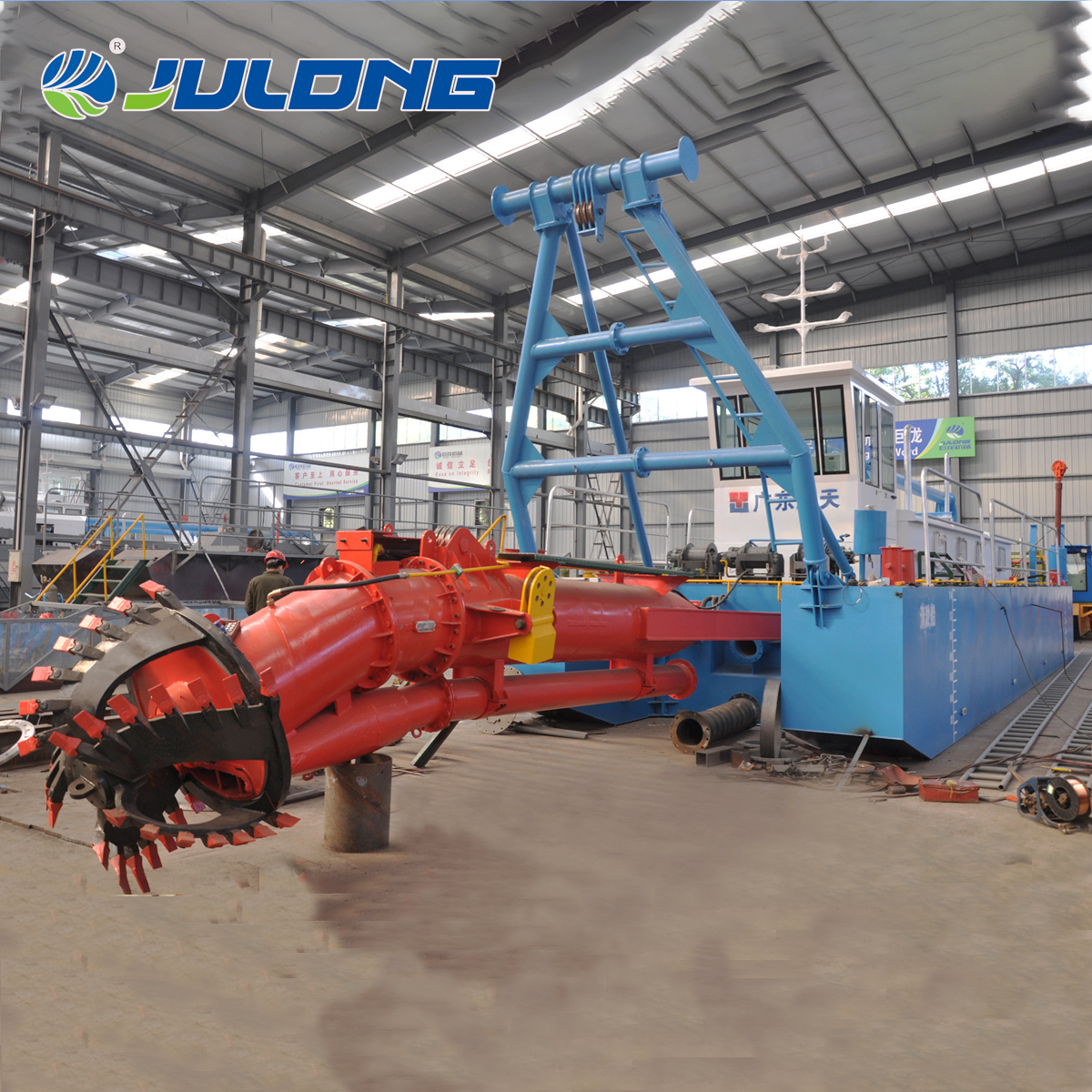
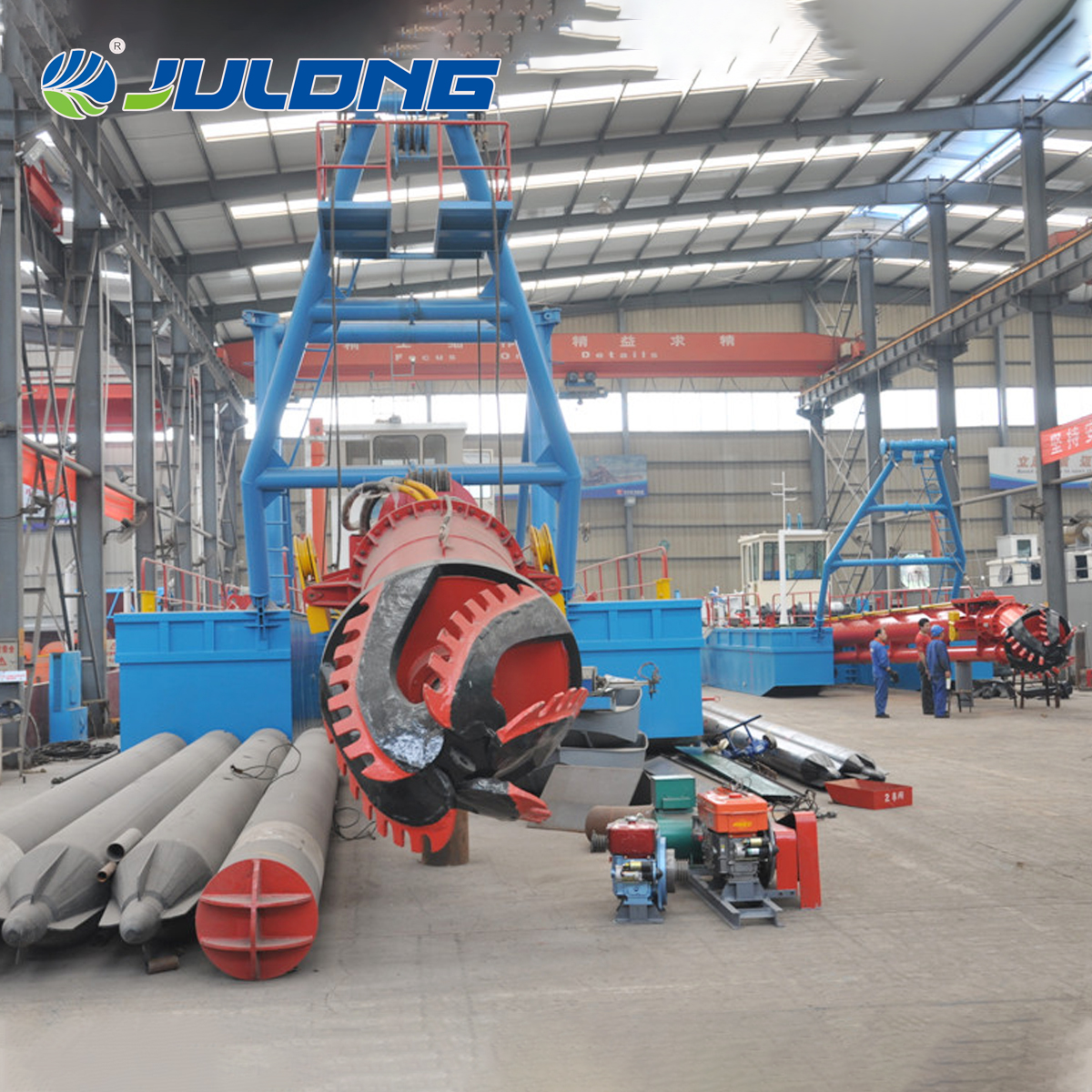
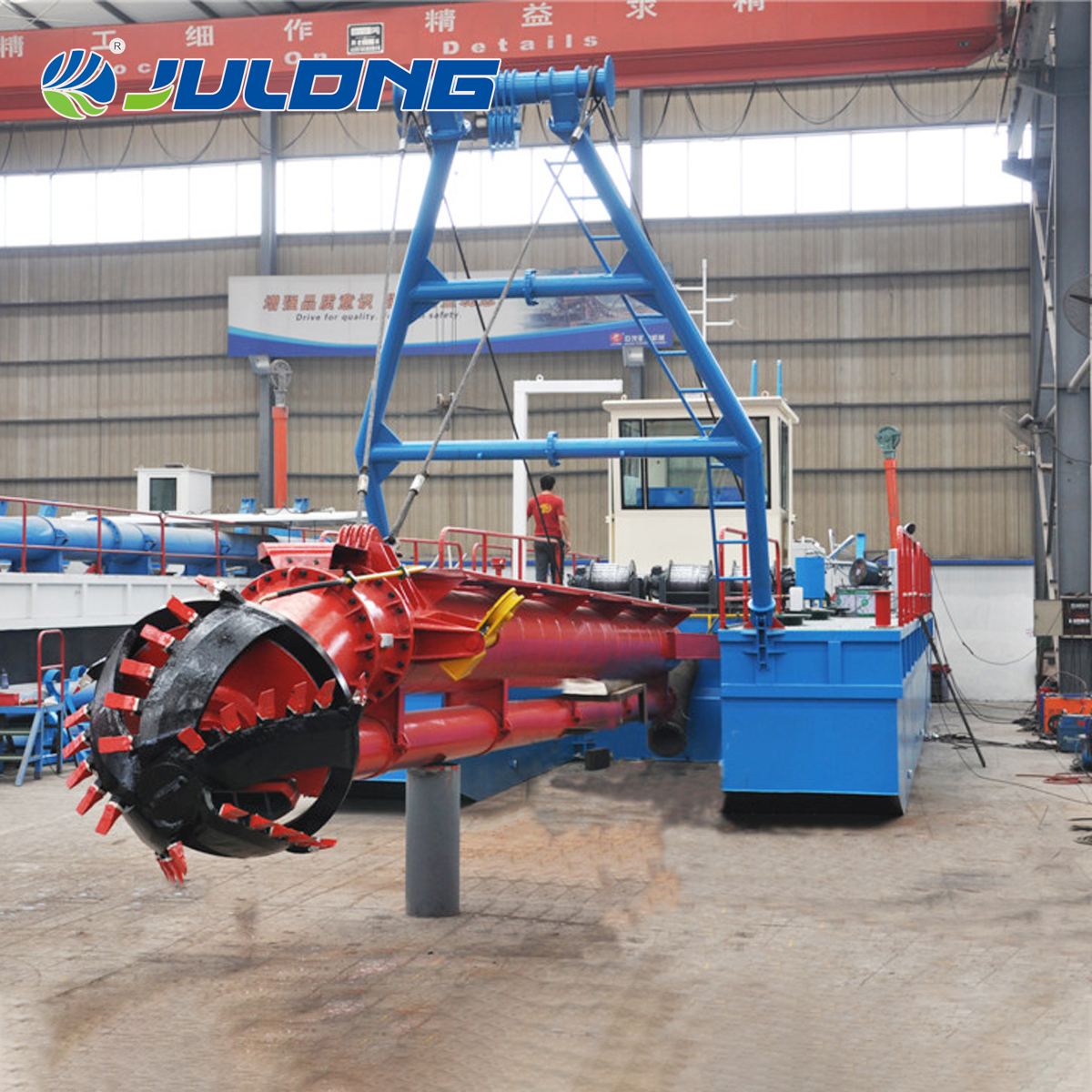
Hopper Dredger for Sale: Key Buyer Insights

application/hopper-dredger-for-sale, application/hopper-dredger-for-sale, 
Inquiry
Inquiry

hopper dredger for sale

A hopper dredger is an essential piece  of equipment used in  various dredging projects,  particularly in rivers,  lakes,  and  ports. For B2B buyers looking to invest in a hopper dredger for sale, understanding the specific requirements  and  applications is  crucial.  This  article will  address  key buyer concerns, including  selecting the right model, evaluating specifications, identifying reliable suppliers, and understanding practical usage scenarios. With  insights from Qingzhou  JULONG Environmental Technology Co.,  Ltd., a manufacturer with  extensive expertise in dredging  equipment, this guide aims to empower purchasing managers and engineers to make informed  decisions.

Key Specifications to Evaluate When Buying a Hopper Dredger

Key Specifications to Evaluate When Buying a Hopper Dredger

When considering a hopper dredger for sale,  evaluating key specifications is critical. Important factors to  consider include:

Dredging Depth and Width: These dimensions  determine the dredger's operational capabilities. A dredger must meet the specific depth and width requirements of the project site to ensure efficiency.

Power and Engine  Type: The engine's power output directly affects the dredger’s performance. Buyers  should consider whether a diesel or electric engine is preferable based on operational costs, maintenance, and environmental regulations.

Hopper Capacity: The hopper's size will  impact the dredger's efficiency and the frequency  of trips needed to transport the dredged material. A larger hopper may reduce the number of trips  required, enhancing productivity.

Material Handling Systems:  The efficiency  of the dredging operation can be significantly influenced by the material handling systems in place. Buyers should inquire about the design and reliability of these systems.

Construction Materials: Look for durable materials  that can withstand harsh marine environments. This is  crucial for the longevity  and maintenance  of the  dredger.

By focusing on  these specifications, buyers can ensure that they  select a hopper dredger that  meets their operational needs and project requirements.

Reliable Suppliers of Hopper Dredgers

Reliable Suppliers of Hopper Dredgers

Identifying reliable suppliers is  pivotal for ensuring a quality  purchase. Buyers should look for  manufacturers with  proven experience in  the industry, such as Qingzhou JULONG Environmental Technology  Co., Ltd., which  boasts ISO and CE certifications. These  certifications indicate compliance with international  quality standards, providing assurance of the product's reliability and  safety.

Furthermore, consider suppliers who offer comprehensive customer support, including installation, maintenance, and training services. A supplier with a global presence and experience  in  diverse  markets can also provide valuable  insights  into  best practices and operational challenges.

Buyers are encouraged to request references  or case studies from the supplier to evaluate their past performance and customer satisfaction. Engaging  with existing customers can provide insights into the supplier's reliability  and service quality.

Where and How to Use Them

Where and How to Use Them

Hopper dredgers are versatile machines  suitable for  a variety of applications. They are commonly used in:

River Maintenance:  Dredging  to remove sediment  buildup to maintain navigable waterways.  Lake Enhancement: Improving water  quality and habitat by removing  excess nutrients  and debris. Port Development: Excavating to deepen berths and  enhance shipping activities.

To ensure effective operation, it is  important to  assess the specific conditions of the working  environment. This includes understanding water depth, sediment types, and environmental  regulations that  may impact  dredging  activities. Buyers should also consider the operational logistics, such as transportation and disposal of dredged materials.

In addition, training for operators is essential to maximize the efficiency and safety of dredging operations. Working with a supplier that provides  training and operational guidance can enhance the  success of the project.

What to Look for in Quality and Performance

Quality and performance are paramount when selecting a hopper dredger. Here are key aspects to consider:

Durability and Build Quality: The construction of the dredger should be robust enough  to withstand challenging operational conditions. Look for  thick hulls and  reinforced components that can resist wear and tear.

Performance Metrics: Inquire about the dredger’s efficiency ratings, including fuel consumption and dredging rates. A  more efficient dredger can significantly reduce operational costs over time.

Maintenance Requirements: A dredger that requires less frequent  maintenance can lead to lower downtime and reduced costs. Ask  suppliers about the maintenance  schedules and any common issues encountered.

Technology Integration: Modern dredgers may feature  advanced technologies, such  as  automated controls  and real-time monitoring systems, which can improve operational efficiency and safety.

Customer Reviews and Case Studies: Assessing feedback from other users can provide  valuable insights  into the dredger's performance and reliability in real-world situations.

By focusing on these quality indicators, buyers can ensure that they are investing in  a hopper dredger that not only meets their immediate project needs but also provides long-term value. Additionally, considering the right multi-function work boat can enhance operational efficiency in various dredging tasks.

In summary, purchasing a hopper dredger requires careful consideration  of project specifications, supplier reliability, and performance  quality. By following the guidance  outlined, potential buyers can make informed  decisions that enhance their dredging operations  and project outcomes.

Choosing the Right Hopper Dredger for Your Project Needs

Selecting  the appropriate hopper dredger hinges on several  factors, including the type  of project, water conditions, and sediment characteristics. For  instance, projects involving soft  sediments may benefit from a  cutter suction dredger, while harder  materials may  require a more robust  model. Buyers should consider the dredger's capacity and its  ability to efficiently transport materials.

Additionally, the project’s scale matters. Smaller projects may not necessitate the same power or capacity as larger  undertakings, which require machines capable of handling significant volumes of material. It's  also important  to evaluate the dredger's maneuverability and ability to operate in shallow waters, especially in lakes or rivers with variable  depths. As a  general guideline, buyers should  assess their  specific project requirements and consult with manufacturers  like Qingzhou JULONG to  identify the best fit.

Frequently Asked Questions

What specifications are available for your hopper dredger?

We offer various sizes, hopper capacities, dredging depths and engine options. Provide project details and we will recommend a suitable model with ISO/CE-certified components and performance specs.
Yes. We customize hull dimensions, hopper capacity, propulsion, and dredging equipment to match site conditions and client requirements from our 12,000 m² facility.
Our dredgers carry ISO and CE certifications. We follow strict QC, testing and documentation to ensure durability, safety and compliance for river, lake and port projects.
Yes. We provide on-site installation guidance, operator training, spare parts supply and technical support to ensure efficient deployment and long-term operation.
We serve 93 countries. Lead time depends on customization and production schedule; typical delivery ranges from weeks to months. Contact us with location and specs for a precise timeline.

Get a Free Quote

Our representative will contact you soon.
0/1000