Choosing the Right Cutting Dredger for Your Project

application/cutting-dredger, application/cutting-dredger, 
Inquiry
Inquiry

cutting dredger

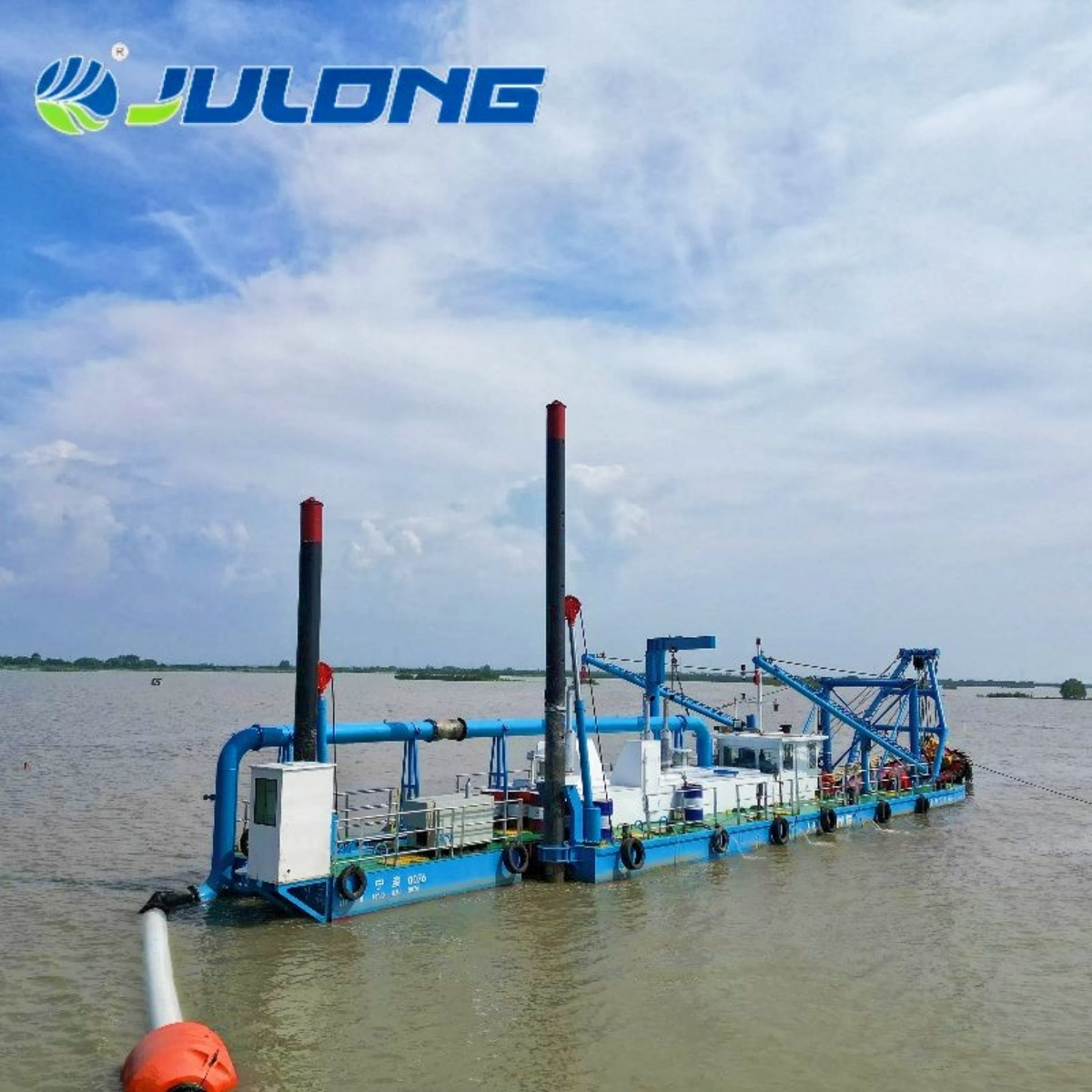
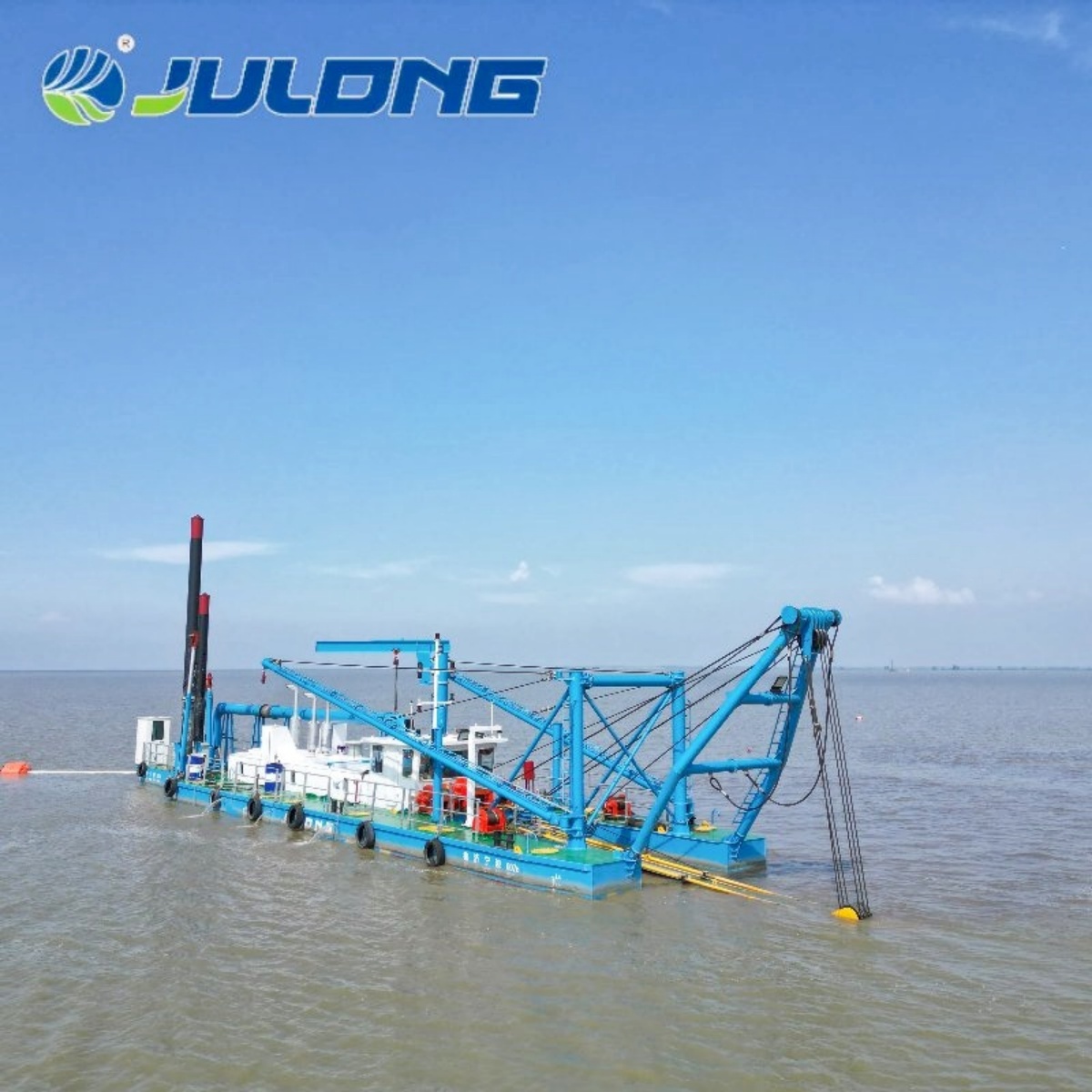
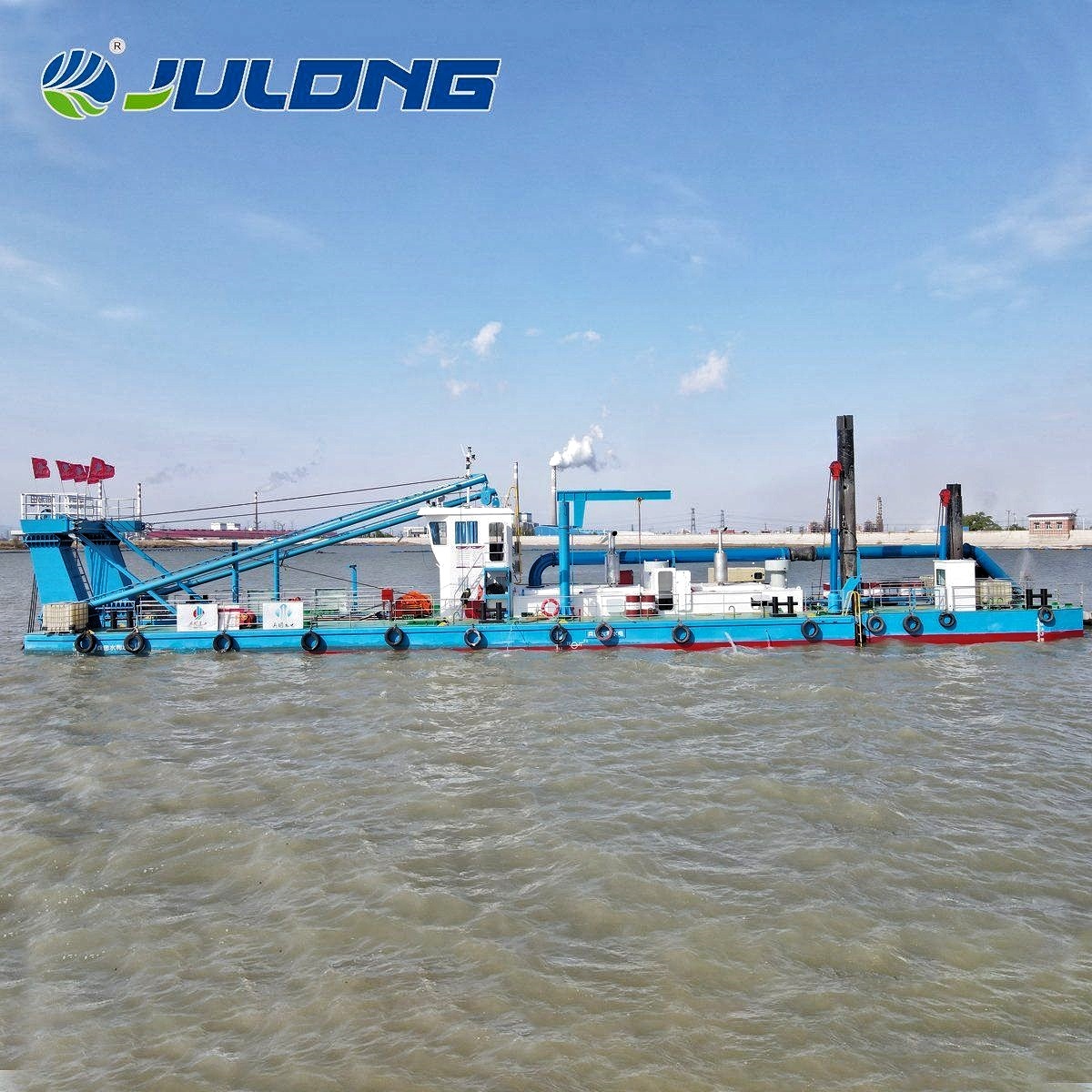
Cutting dredgers are specialized equipment used primarily in the dredging industry for excavating and transporting material  from underwater  environments.  They are essential for projects  involving rivers,  lakes,  and ports, where precision  and efficiency are paramount. For B2B buyers such as purchasing managers, engineers, and  contractors,  understanding the  specific  needs and capabilities  of cutting dredgers is crucial  for making informed purchasing decisions. This article will guide you through selecting the right cutting dredger for your project needs,  evaluating key  specifications,  finding  reliable  suppliers, and  understanding the advantages of high-quality materials in dredger  manufacturing.

Key Specifications to Evaluate in Cutting Dredgers for Bulk Orders

Key Specifications to Evaluate in Cutting Dredgers for Bulk Orders

When evaluating cutting dredgers, certain specifications are critical to  ensuring they meet your operational requirements.  Key specifications to consider include:

Suction Capacity: This specification  indicates the volume of material the dredger can move per hour. It's essential to choose a dredger with a  capacity that matches your project  timeline  and material volume.

Pump Power: The  power of the dredging pump affects the efficiency  and effectiveness of material removal. Higher pump power translates to  better  performance, especially in challenging  conditions.

Cutter Head Type: Different cutter heads are designed for specific applications. For example, a rotary cutter head is suitable  for soft materials, while a chain cutter is more effective for hard soils.  Understanding the material characteristics will guide your  choice.

Dimensions: The size of the dredger impacts its performance and maneuverability. Ensure the dimensions are  suitable for  the dredging environment and project requirements.

Material  Composition: The materials used in the dredger's construction affect its durability and operational life. High-quality  steel or specialized alloys can enhance resilience against wear and  tear.

These specifications should be meticulously  evaluated to ensure the dredger not only meets your project needs but also provides long-term value and reliability.

Where to Find Reliable Suppliers of Cutting Dredgers for Import

Where to Find Reliable Suppliers of Cutting Dredgers for Import

Finding a  reliable supplier for cutting dredgers involves thorough research and evaluation. Start by identifying manufacturers with a strong track  record in  the dredging  industry. Look for suppliers that have ISO and  CE certifications, as these indicate adherence to international quality  standards.

Attending industry trade shows and exhibitions can also be beneficial. These events provide opportunities to meet manufacturers face-to-face, inspect  their products, and discuss your specific needs.  Online  platforms and industry-specific directories can further  aid in locating reputable suppliers.

Additionally, consider reaching out to other professionals in the  industry for recommendations. Networking can provide insights into suppliers known for their reliability and quality. Once you  have a shortlist, request  quotes and  product  specifications  to compare  offerings. This step ensures  that you choose a supplier that aligns with  your quality and budgetary requirements.

Advantages of High-Quality Materials in Cutting Dredger Manufacturing

Advantages of High-Quality Materials in Cutting Dredger Manufacturing

The materials used in manufacturing cutting dredgers significantly influence their  performance, durability, and maintenance  requirements. High-quality materials, such as marine-grade steel and high-strength  alloys, offer several advantages:

Durability: Dredgers subjected to harsh underwater conditions require materials that can withstand corrosion and physical wear. Investing  in high-quality materials extends the operational life of the dredger.

Reduced Maintenance: Dredgers  built with superior  materials typically  require less frequent repairs and maintenance, leading to lower overall operational  costs.

Performance Efficiency: The choice of materials affects the dredger's weight and buoyancy, impacting  its efficiency. Lighter yet durable materials  can  enhance maneuverability  and  reduce fuel consumption.

Safety: High-quality materials contribute to the structural integrity of the dredger, reducing  the risk of  operational failures  that could lead to safety hazards.

When sourcing cutting dredgers, prioritize suppliers who use  advanced  materials and manufacturing techniques, as this can translate to better performance and  reliability.

Versatile Solutions for Contractors

Cutting  dredgers are  versatile  tools that  cater to a wide range of applications in various sectors, including environmental  remediation, land reclamation, and infrastructure development. For contractors, having access to adaptable dredging solutions is crucial for successfully managing diverse project demands.

For instance, amphibious dredgers can operate in shallow  waters and  muddy environments, making them ideal for projects in wetlands or  flooded areas. On the other hand, cutter suction dredgers  excel in deep-water dredging,  providing efficiency in material removal from rivers and harbors. Utilizing a Multi-Function Work Boat can also enhance operational capabilities.

Furthermore, customization options  are often available, allowing contractors to tailor dredgers to specific project requirements. This  could include adjusting the cutter head  type, suction capacity, or  even integrating advanced navigation systems for enhanced operational control.

By understanding  the  versatile nature  of cutting dredgers and the  potential for customization, contractors  can select the most appropriate equipment for their unique project challenges, ultimately contributing to improved project  outcomes and client satisfaction.

How to Choose the Right Cutting Dredger for Your Project Needs

Selecting the right  cutting dredger depends on various  factors, including the specific project requirements, the type of material to be excavated, and the  operational environment.  Key considerations include the dredger's suction capacity, pump power, and the type of  cutter head used. For instance, projects that involve hard materials, such as rock or compacted sediment, require  dredgers equipped with robust cutter heads  capable of breaking through tough surfaces.

Additionally, consider  the dredger’s operational  depth and width. The dredging depth must  align with  the project's requirements, while the width should match the area being dredged to ensure efficient material removal. It’s also advisable to evaluate the mobility and maneuverability of the dredger, especially for  projects in confined spaces or areas with complex navigation. For example, using an Amphibious Equipment can enhance maneuverability in such conditions.

Lastly, assess the dredger’s compatibility with existing equipment and infrastructure.  This  includes verifying whether the dredger can work seamlessly with other machinery used in  the project, such as transport vessels or auxiliary equipment. By  focusing on these aspects,  you can  make a well-informed decision that aligns with  your  project needs.

Frequently Asked Questions

What is a cutting dredger used for?

A cutting dredger removes hard-packed sediment, clay, or compacted material from rivers, lakes, and ports using a rotating cutter head to loosen material for suction and removal.
We offer multiple cutter suction dredger sizes and configurations to suit small to large river, lake, and port projects. Specific model options depend on required depth, capacity, and site conditions.
Yes. Our cutter suction dredgers are built in an ISO/CE-certified facility and comply with relevant quality and safety standards for international operations.
Yes. We provide customizable dredger options—power, cutter head type, pump capacity, and auxiliary systems—to match site depth, material type, and operational requirements.
We offer technical guidance, spare parts supply, maintenance training, and remote assistance to ensure durable, efficient operation and minimize downtime.

Get a Free Quote

Our representative will contact you soon.
0/1000