Dredger Cutter Head Specifications and Applications

application/dredger-cutter-head, application/dredger-cutter-head, 
Inquiry
Inquiry

dredger cutter head

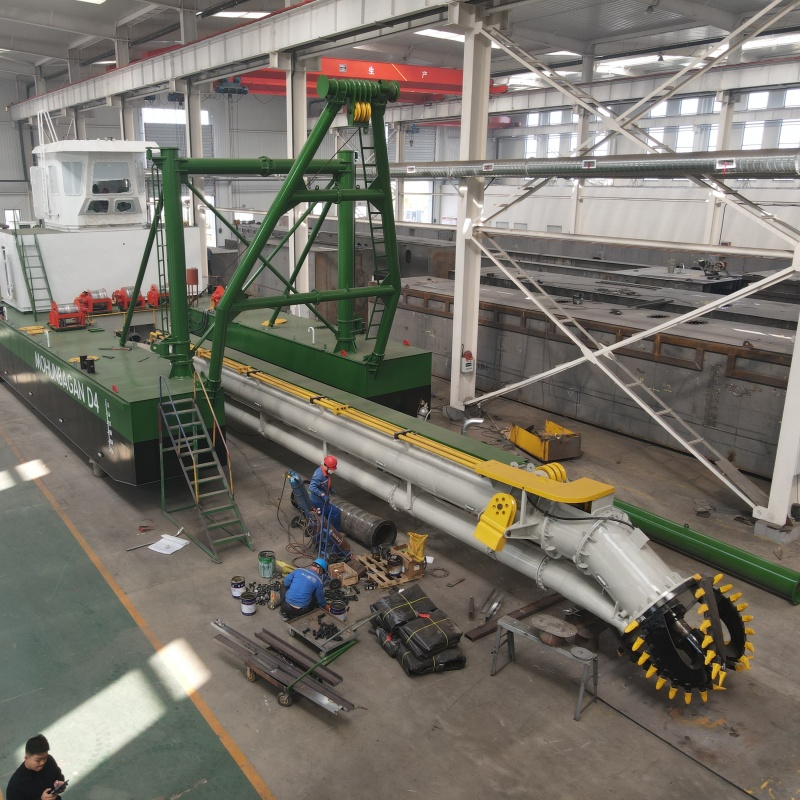
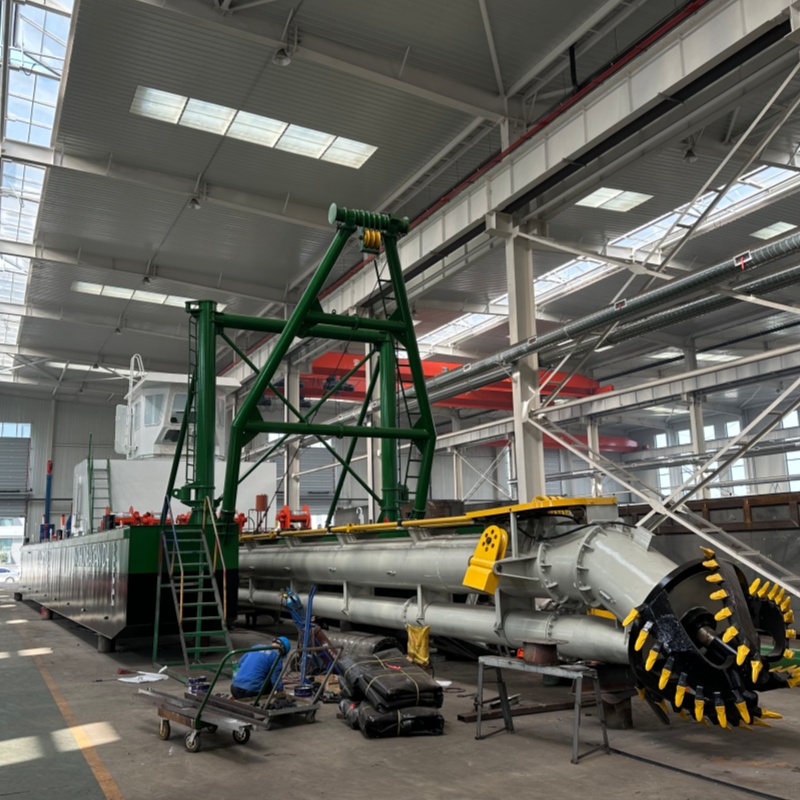
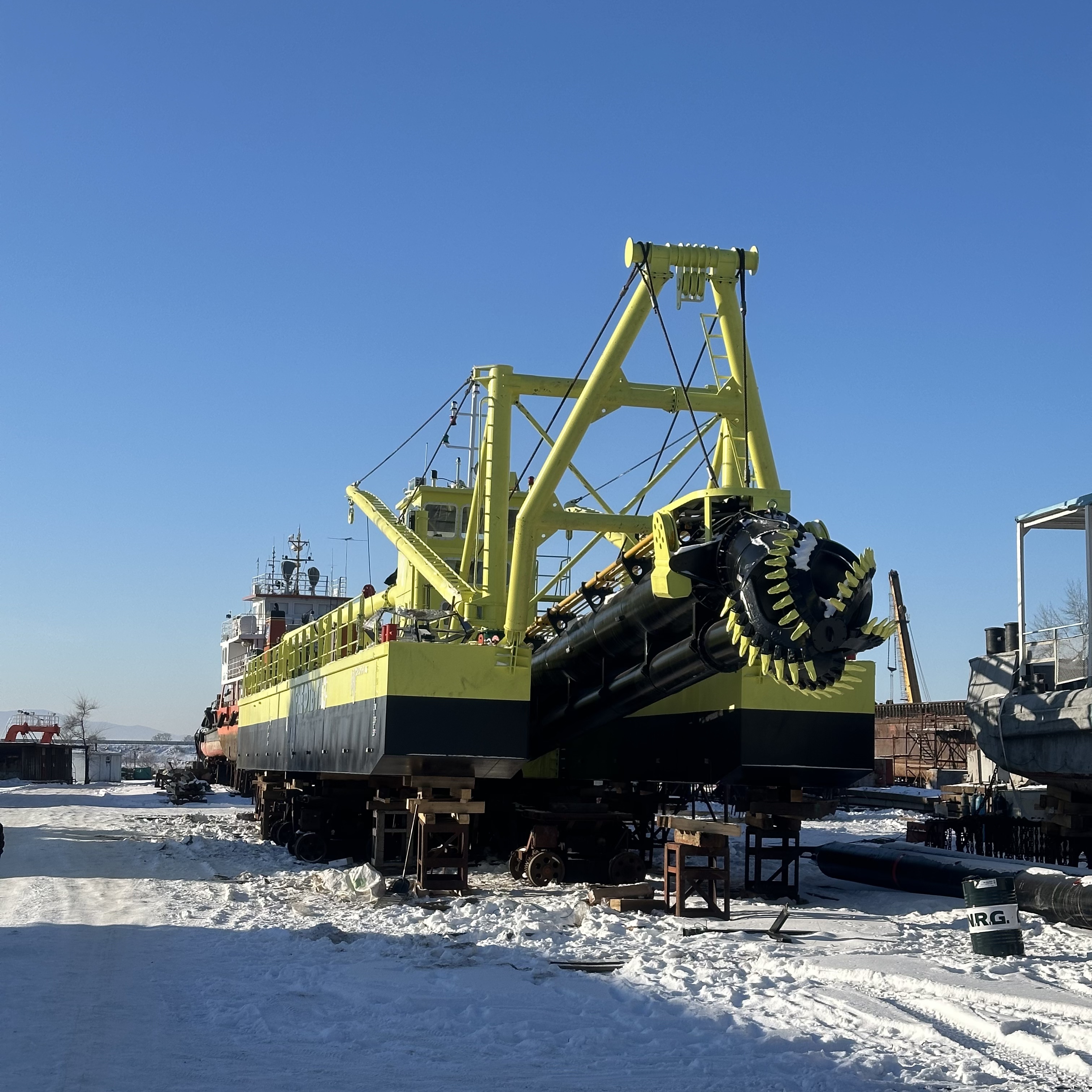
Dredger cutter  heads  are  critical components of dredging equipment, specifically designed  to efficiently excavate and remove sediment from bodies of water such  as rivers, lakes, and ports. For purchasing managers and engineers in the  industrial sector, understanding the specifications, application suitability, and potential challenges  associated  with  dredger  cutter  heads is essential  for making informed decisions. This article will help  clarify these aspects, enabling  buyers to choose the  right  cutter  head for their projects  while  addressing common concerns related to quality and  performance.

How to Choose the Right Dredger Cutter Head for Your Projects

How to Choose the Right Dredger Cutter Head for Your Projects

Selecting the appropriate dredger cutter head involves several considerations.

Project  Requirements: Assess the  specific requirements  of the dredging project, including the type of material to be dredged, the expected volume, and  the working environment (e.g., freshwater vs. saltwater). Matching these  requirements with the cutter  head  specifications is crucial  for optimal performance.

Operational Efficiency: Consider the cutter head's efficiency in  terms of material removal rate and fuel consumption. A more efficient  cutter  head  can lead to reduced operational  costs and shorter project timelines.

Customization Needs: Evaluate  if customization options are available. Many manufacturers, including Qingzhou JULONG Environmental Technology Co., Ltd., offer tailored  solutions that can adapt the cutter head design to specific project conditions, enhancing  performance and durability. For example, the Customized Multifunction Work Boat JLWB700 is designed for such adaptability.

Supplier Reliability: Finally, assess the manufacturer’s reputation and reliability. Choose a supplier that has  a proven  track record in producing high-quality dredger cutter heads and who can offer solid support throughout the purchasing process.

Key Factors for Buyers

Key Factors for Buyers

When purchasing dredger  cutter heads, buyers should consider  the following key factors:

Quality Assurance: Confirm that the manufacturer adheres to international quality standards, such as ISO and CE certifications.  These certifications indicate a commitment to quality  and safety in  manufacturing  processes.

Lead  Time and  MOQ: Understand  the lead times and minimum order quantities (MOQ) involved.  This information is crucial for planning project timelines and budgeting.

Shipping and Logistics: Discuss packaging methods and shipping logistics  with the supplier. Proper packaging  can prevent damage during transport, which  is essential for  maintaining product integrity.

Technical Support and Training: Inquire about the availability  of technical support and training for installation and  operation. A manufacturer that provides comprehensive support can enhance the overall success of the  project.

By focusing on these factors, buyers can ensure they  are  making well-informed purchasing decisions that meet their project needs.

Common Problems with Dredger Cutter Heads and Their Solutions

Common Problems with Dredger Cutter Heads and Their Solutions

Several common problems can arise with dredger cutter heads, but understanding these issues can  help  mitigate risks.

Wear and Tear: Cutter heads are subject to  significant wear  due to abrasive materials. To combat this, buyers should invest in heads made from  wear-resistant materials and schedule regular  maintenance checks to prolong their  lifespan.

Clogging: Clogging can occur if  the cutter head is not matched properly with the  suction system.  Ensure that the cutter head’s  design complements the dredger’s suction capacity. Regular monitoring  for blockages and  promptly addressing them can prevent operational downtime.

Inadequate Performance: If a cutter head  is underperforming, it could be due to improper sizing or material mismatches. Conducting thorough analysis during the selection  process can help prevent these issues. Testing a sample under actual operating conditions prior to full-scale  purchase is advisable to confirm performance.

Installation Issues: Incorrect installation can lead to operational inefficiencies. Buyers should consult  with the manufacturer for guidance on proper installation techniques to  ensure optimal performance.

Understanding these common problems  and their solutions can help buyers avoid costly mistakes and ensure smooth project  execution.

Applications of Dredger Cutter Heads in Various Projects

Dredger cutter  heads are versatile tools used across various applications, including:

River Dredging: In river projects, cutter heads are employed to remove  sediment and debris to deepen channels and improve navigation. Their  efficiency in handling varying sediment types makes  them ideal for  such  tasks.

Lake Maintenance: In lakes, cutter heads  help maintain  water quality by removing organic matter and preventing algae blooms, which can impact aquatic  ecosystems.

Port  Development: For port construction  and maintenance, cutter heads play a vital role in clearing  the seabed of obstructions, ensuring safe docking and shipping activities.

Environmental  Restoration: Cutter heads are also used in environmental  restoration projects to remove contaminated sediments, contributing to  the  rehabilitation of affected ecosystems. Projects such as using the Aquatic Weed Harvester can be part of these efforts.

By understanding the  applications of dredger cutter heads, buyers can better match their product choices  to the specific requirements of their projects, optimizing performance and effectiveness.

Understanding Dredger Cutter Head Specifications for Bulk Orders

When considering bulk  orders of dredger cutter heads, it’s vital to  understand key  specifications that affect performance and suitability. These specifications often include dimensions, material composition, and design features.

Dimensions: The diameter and length of the cutter head are crucial as they impact the dredging depth and the  volume of material  that  can be  processed. Larger diameters are suited for deeper dredging applications, while smaller sizes are  preferable for tighter  spaces.

Material Composition: Cutter  heads are  typically  made from high-strength steel or composite materials that provide durability against  wear and tear. The choice of material directly influences the cutter head's resistance to  abrasion and its overall lifespan. Buyers should consider the specific environmental conditions, such as salinity and sediment type, which may dictate the best material choice.

Design Features: The design of the cutter head, including  the configuration of the  cutting tools and the type of suction  mechanism, can enhance efficiency. For instance, a head with a spiral design can improve the flow  of  material into the suction pipe, increasing productivity. Additionally, many companies offer specialized designs, like the JLWB1600 Multi-function Work Boat, which can be paired with effective cutter heads to enhance performance.

Understanding these specifications will  help buyers ensure they select a cutter head that meets their operational needs while maintaining high performance.

Frequently Asked Questions

What is a dredger cutter head used for?

A dredger cutter head breaks and loosens soil, clay, and compacted seabed materials to be suctioned by a cutter suction dredger for river, lake, and port projects.
Designed for cutter suction and amphibious dredgers and excavators used in river, lake, and port applications; compatibility depends on mounting dimensions and power ratings.
Manufactured from wear-resistant steel with reinforced teeth and bearings; produced in an ISO/CE certified facility to meet international quality standards.
Yes. We offer installation guidance, technical support, and spare parts through our service team to ensure optimal performance and uptime.
Lead time varies by order size but is typically weeks; we provide warranty and after-sales service details upon inquiry to ensure dependable operation.

Get a Free Quote

Our representative will contact you soon.
0/1000