Choosing the Right Cutter Head Dredge for Projects

application/cutter-head-dredge, application/cutter-head-dredge, 
Inquiry
Inquiry

cutter head dredge

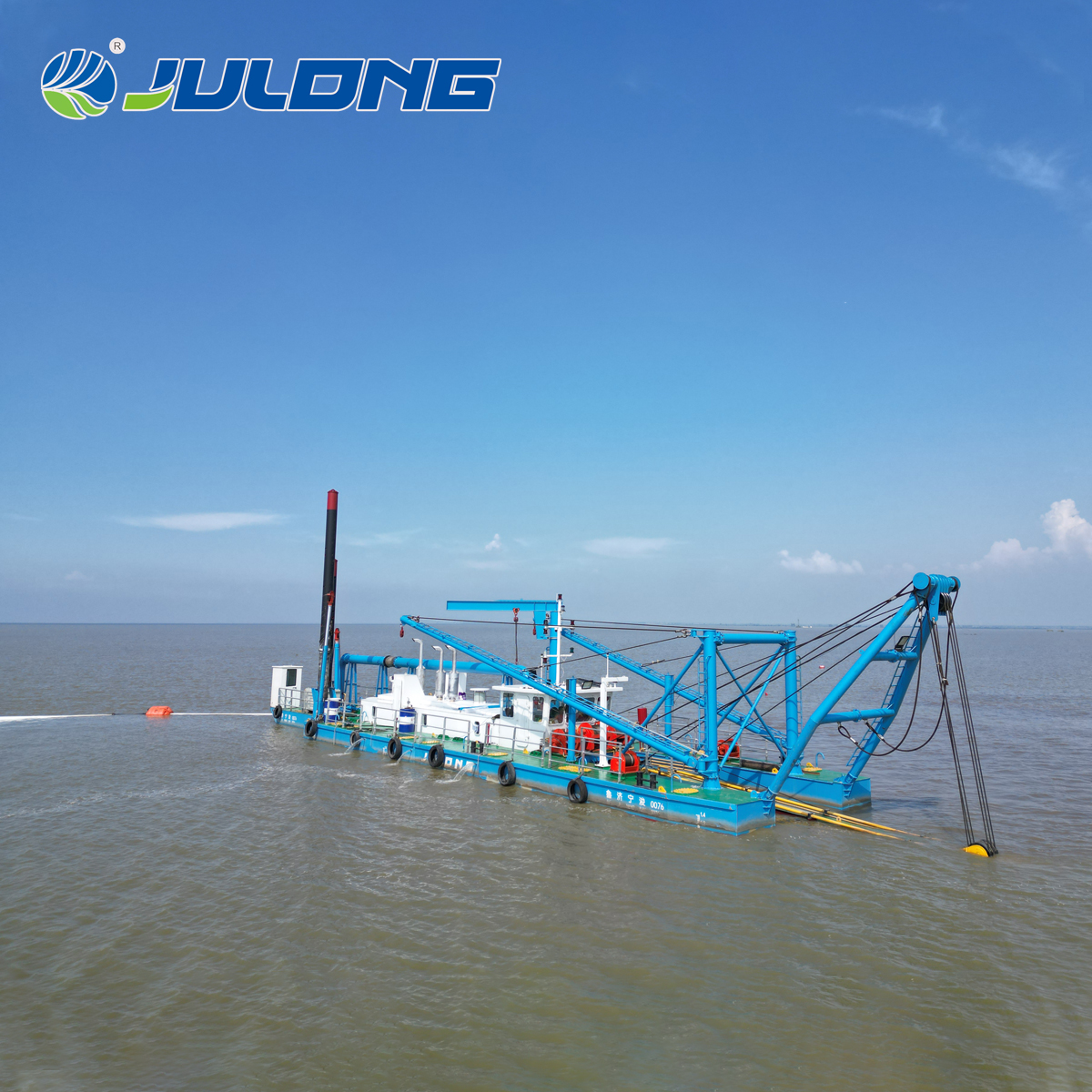
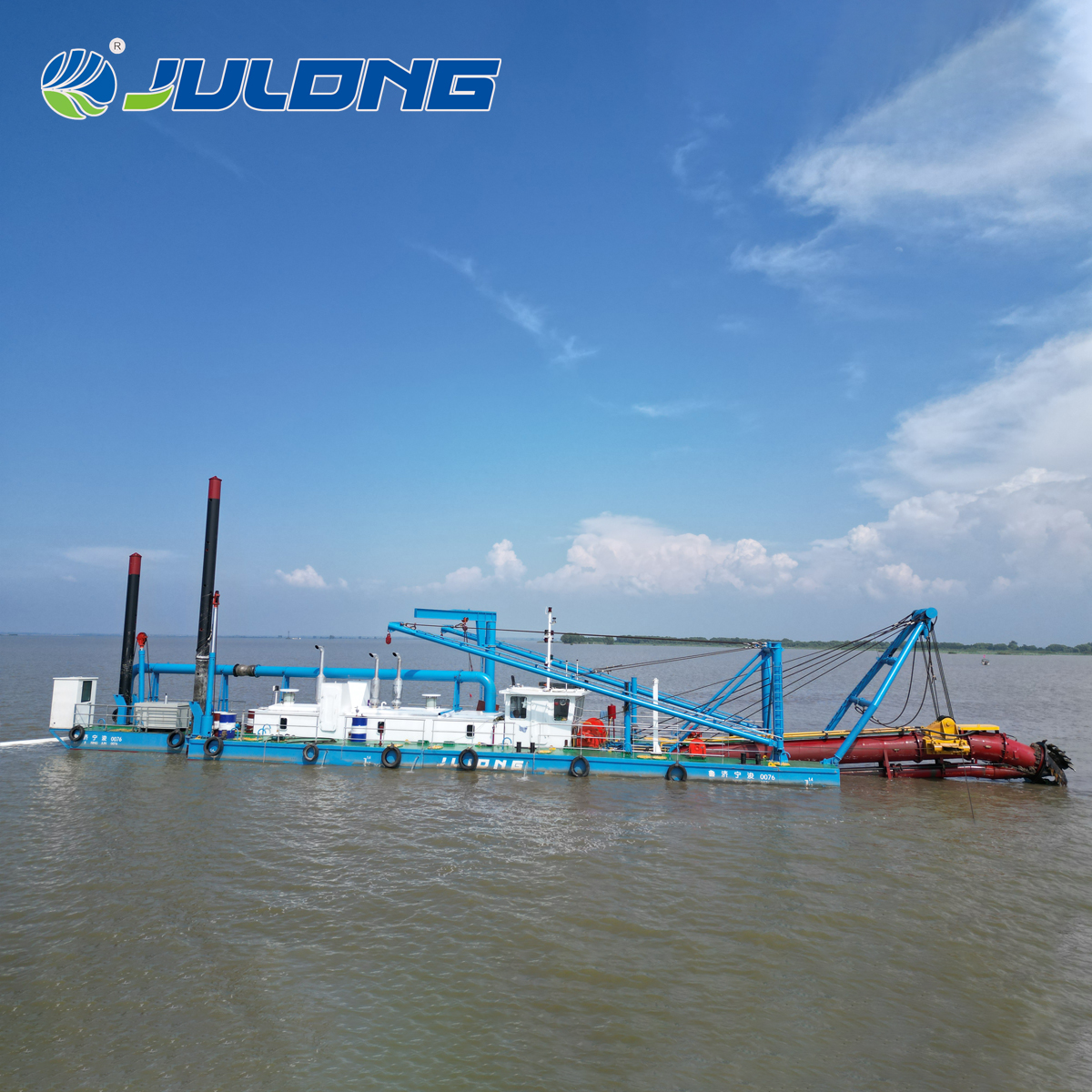
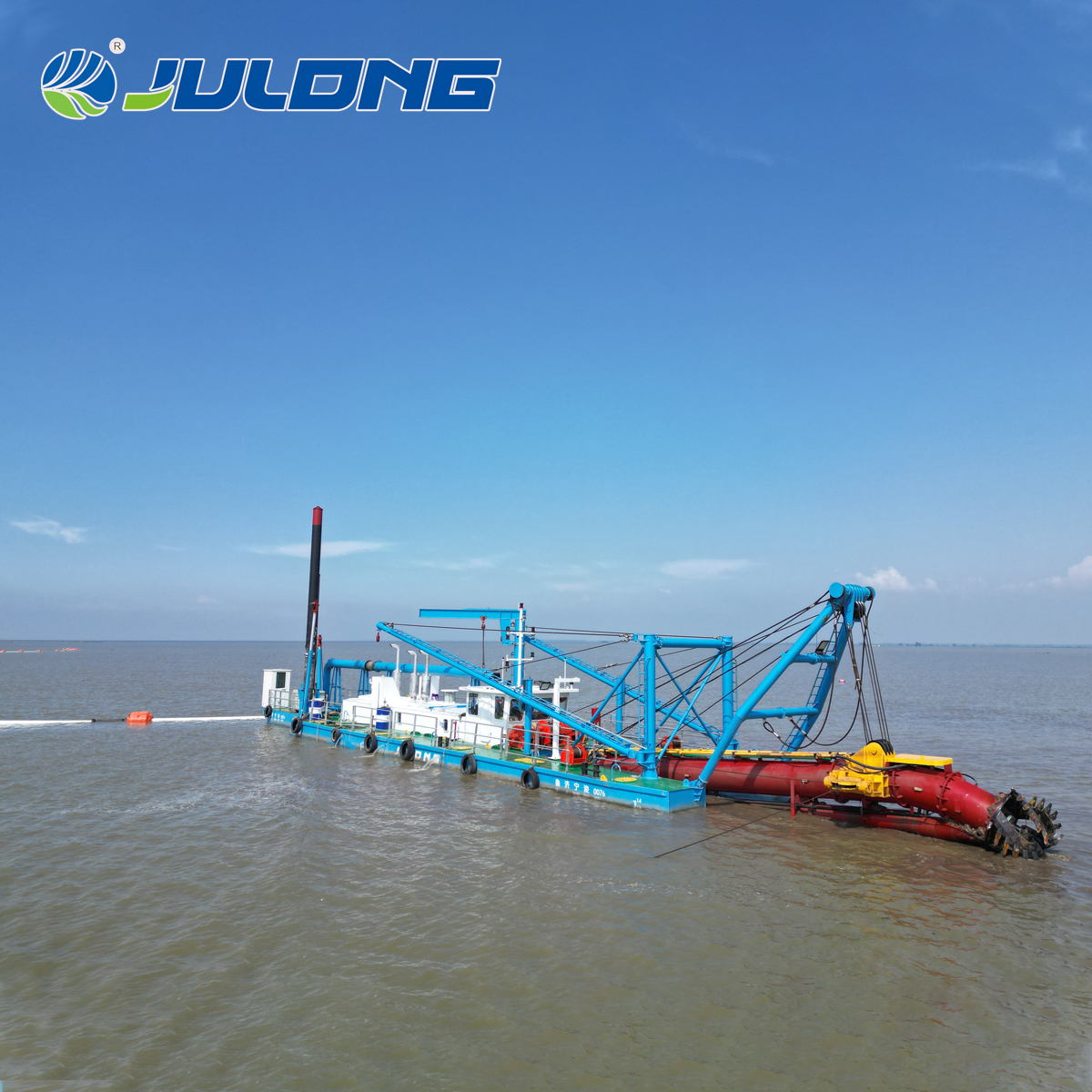
Cutter  head  dredges are specialized equipment designed for underwater excavation and material removal,  particularly  in river, lake, and port  projects. As  a  purchasing  manager, engineer, or product manager, your main concerns may revolve around  the dredge's efficiency,  durability,  application suitability, and installation requirements. This  article will guide you through  selecting the  right  cutter  head dredge, finding  quality suppliers, addressing  common installation challenges,  and  understanding optimal usage scenarios.

Where to Find Quality Cutter Head Dredges

Where to Find Quality Cutter Head Dredges

Finding quality cutter head dredges requires  thorough research and evaluation of potential  suppliers. Start by exploring established  manufacturers  with a proven  track record in the dredging industry. Look for companies that have ISO and CE certifications, as these indicate adherence to international  quality standards.

Online platforms and industry trade  shows are excellent resources for  identifying reputable suppliers. Networking with other industry professionals can  also provide insights into  reliable manufacturers.  Request references  and case studies to  assess the performance of  their equipment in real-world  applications.

When evaluating  suppliers, inquire about their production capabilities and quality control processes. A  comprehensive understanding of their  manufacturing methods will give you confidence in the product's reliability. For instance,  Qingzhou JULONG's facility spans 12,000 square meters and is equipped with advanced production equipment, ensuring high-quality output.

 
Common Installation Challenges with Cutter Head Dredges and Solutions

Common Installation Challenges with Cutter Head Dredges and Solutions

Installing a cutter head dredge can present  several challenges, but understanding these hurdles can help you prepare effectively. One  common issue is  ensuring proper alignment and support for  the dredge during installation. An improperly aligned cutter head can lead to reduced efficiency and increased wear on the equipment.

To overcome this, conduct  thorough site assessments before installation. Engage with your installation  team to plan for optimal positioning and support structures. Utilizing  templates  or guides can also enhance  alignment accuracy.

Another potential  challenge is the compatibility  of the dredge with existing equipment  and systems.  Ensure that  you communicate  with your supplier  about your current  setup to determine any specific modifications that may be necessary. This includes hydraulic connections, power supply requirements, and control systems.

Lastly, be prepared for potential delays caused by weather conditions or unforeseen  site issues.  Establish a contingency plan that includes alternative installation schedules and resource allocations to mitigate the impact of such delays.

 
What to Look For

What to Look For

When evaluating cutter  head dredges, focus on several critical specifications and features that directly  impact performance.

Material Quality: The cutter  head should be constructed from high-strength materials that can withstand abrasive conditions. Look  for materials like  high-carbon  steel or composite materials with  anti-corrosive coatings.

Cutter Head Design: Different designs  cater  to  various dredging tasks. For  example, a multi-tooth cutter head may be more effective  for softer  materials, while a robust, single-tooth design  might be necessary for harder substrates.

Hydraulic System Specifications: Evaluate the hydraulic power  of the dredge, including pump capacity and pressure ratings. This will  determine the dredge's ability to handle different material types effectively.

Operational Depth and Reach: Ensure  that the dredge can operate at the required depths and has adequate reach  for your project needs.

Ease of Maintenance: Consider the maintenance requirements of the dredge. Features that facilitate easier access to components can significantly reduce downtime.

Gathering  this information will allow you to make an informed decision and  select a cutter head dredge that meets your operational requirements.

When to Use a Cutter Head Dredge Effectively

Cutter head dredges are particularly effective in various applications,  but understanding  the right scenarios for their use can enhance productivity and efficiency.


Excavating Soft Materials: Cutter head dredges excel at removing  soft materials like silt and sand. They are particularly useful in environments where traditional  dredging methods may be less effective.

Debris Removal: If your  project involves  clearing underwater debris or vegetation,  a cutter head dredge can effectively cut through  and remove unwanted material.

Navigational Channel Maintenance: Regular maintenance of  navigational channels often requires precise dredging to ensure safe passage for vessels. Cutter head dredges can help maintain depth and width efficiently.

Construction Projects: In construction projects requiring underwater  excavation, such as foundation work for  piers  or docks, cutter head dredges offer the precision needed to meet project specifications.

Environmental Restoration: When conducting  environmental restoration, these dredges can efficiently remove contaminated sediments, aiding in  the restoration of aquatic ecosystems.

Using cutter head dredges  in these scenarios allows for effective material  removal, ultimately leading to successful project completion.  


By considering  these  aspects of cutter head dredges, you will be better equipped to make informed purchasing decisions, ensuring that your dredging projects are executed efficiently and effectively.

How to Choose the Right Cutter Head Dredge for Your Project Needs

Selecting the right cutter head dredge involves considering several key factors, including project specifications, dredge design,  and  material handling capabilities. First,  assess the type of material you'll be dredging,  such as sand, silt, clay, or rocks, as different cutter head designs are optimized for various material types. For instance, if you are looking for a robust option, the JLCSD700 Cutter Suction Dredger is designed for heavy-duty hydraulic dredging.

Next, evaluate the dredging depth and  width required for your  project. Cutter head dredges come in various sizes and configurations, and knowing the expected  operational  conditions will help narrow down your options. For example, a dredge with a wider cutter head may be more  effective in larger areas, while a compact design could be more suitable for confined spaces.

Additionally, consider the dredge's power  and hydraulic capabilities. A dredge  with a robust hydraulic system can handle tougher materials and operate more efficiently.  Ensure that the chosen model aligns with your project's technical requirements and  operational environment.  For a multi-functional solution, the JLWB1600 Multi-function Work Boat can be an excellent choice.


Lastly, consult with your supplier about any customization options available. High-quality manufacturers, such  as Qingzhou JULONG  Environmental  Technology  Co., Ltd., can  often tailor their products  to meet specific project needs, such as adjusting cutter head sizes or modifying the dredge's overall design.

Frequently Asked Questions

What is a cutter head dredge used for?

A cutter head dredge is designed to excavate and remove sediment from rivers, lakes, and ports by cutting compacted material and pumping slurry for disposal or reclamation.
We offer various cutter head dredge sizes and configurations to suit project scale, from small river works to large port dredging, customizable to site requirements and discharge distances.
Our cutter head dredges are built in an ISO/CE certified facility with quality control processes, ensuring durable components and reliable performance for long-term operation.
Yes. Our cutter head dredges and amphibious options are optimized for shallow, confined, and variable-depth environments, providing flexible deployment and maneuverability.
We supply technical support, training, and spare parts from our 12,000 m² facility, assisting installation, maintenance, and timely parts delivery to ensure continuous operation.

Get a Free Quote

Our representative will contact you soon.
0/1000