Choosing the Right Cutterhead Suction Dredge

application/cutterhead-suction-dredge, application/cutterhead-suction-dredge, 
Inquiry
Inquiry

cutterhead suction dredge

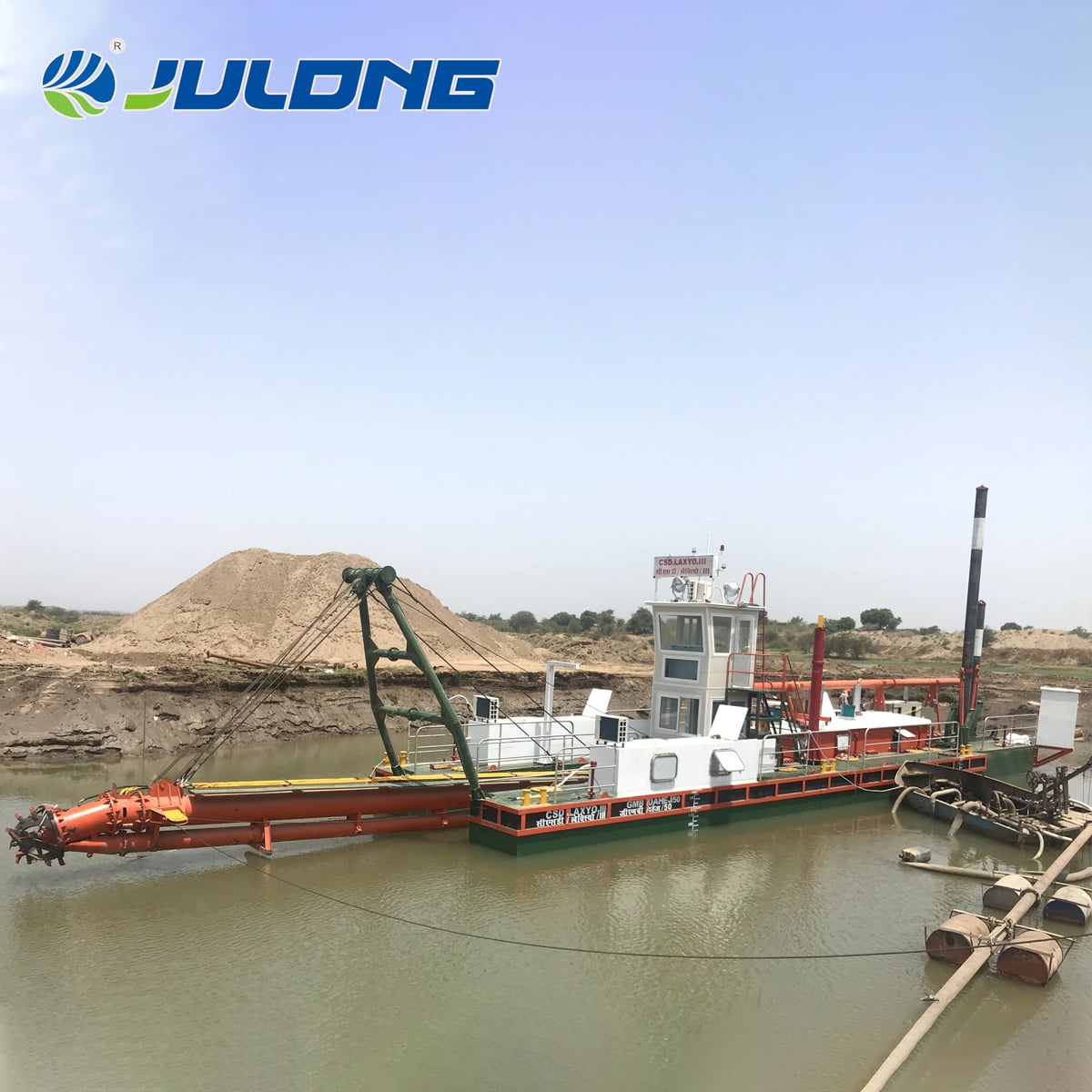
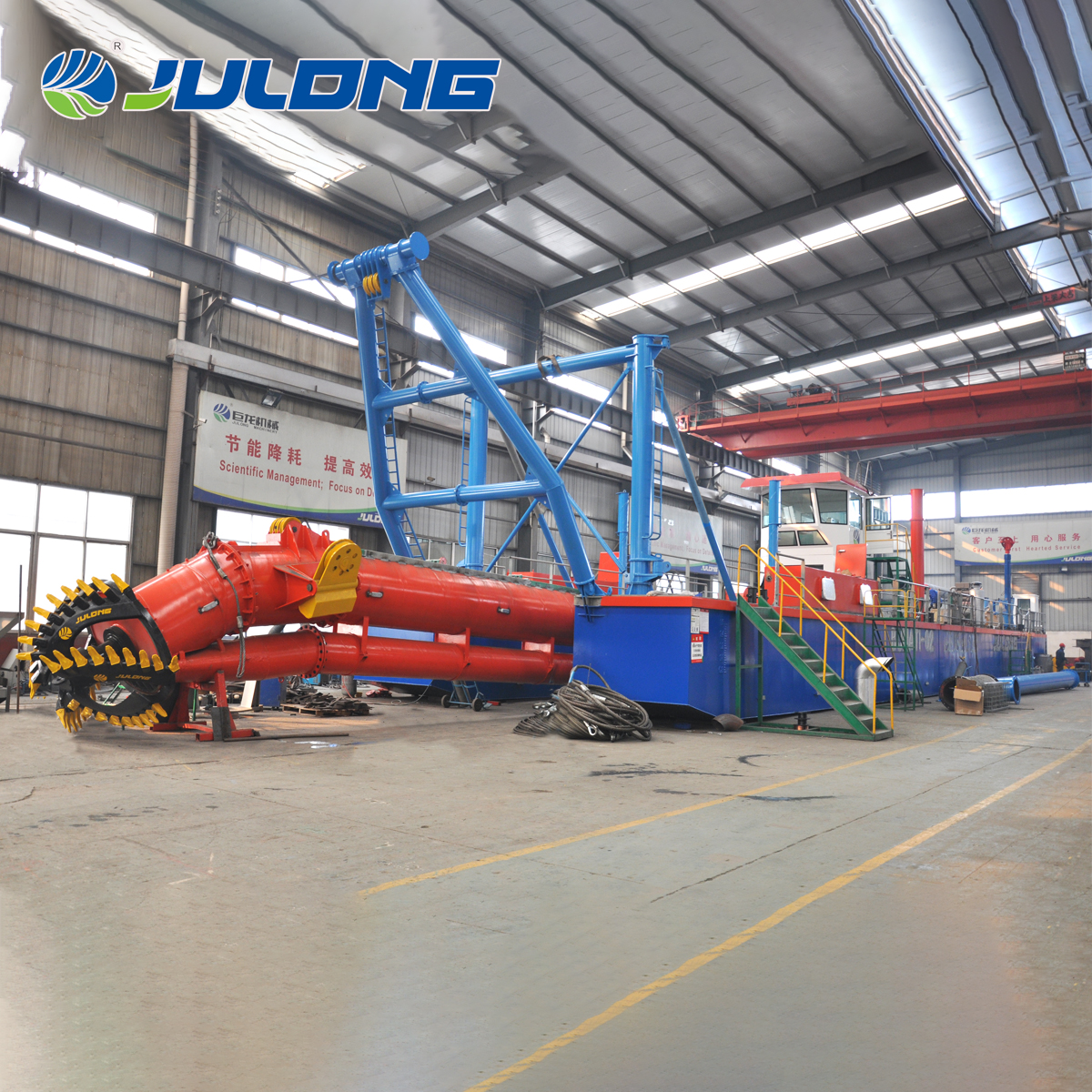
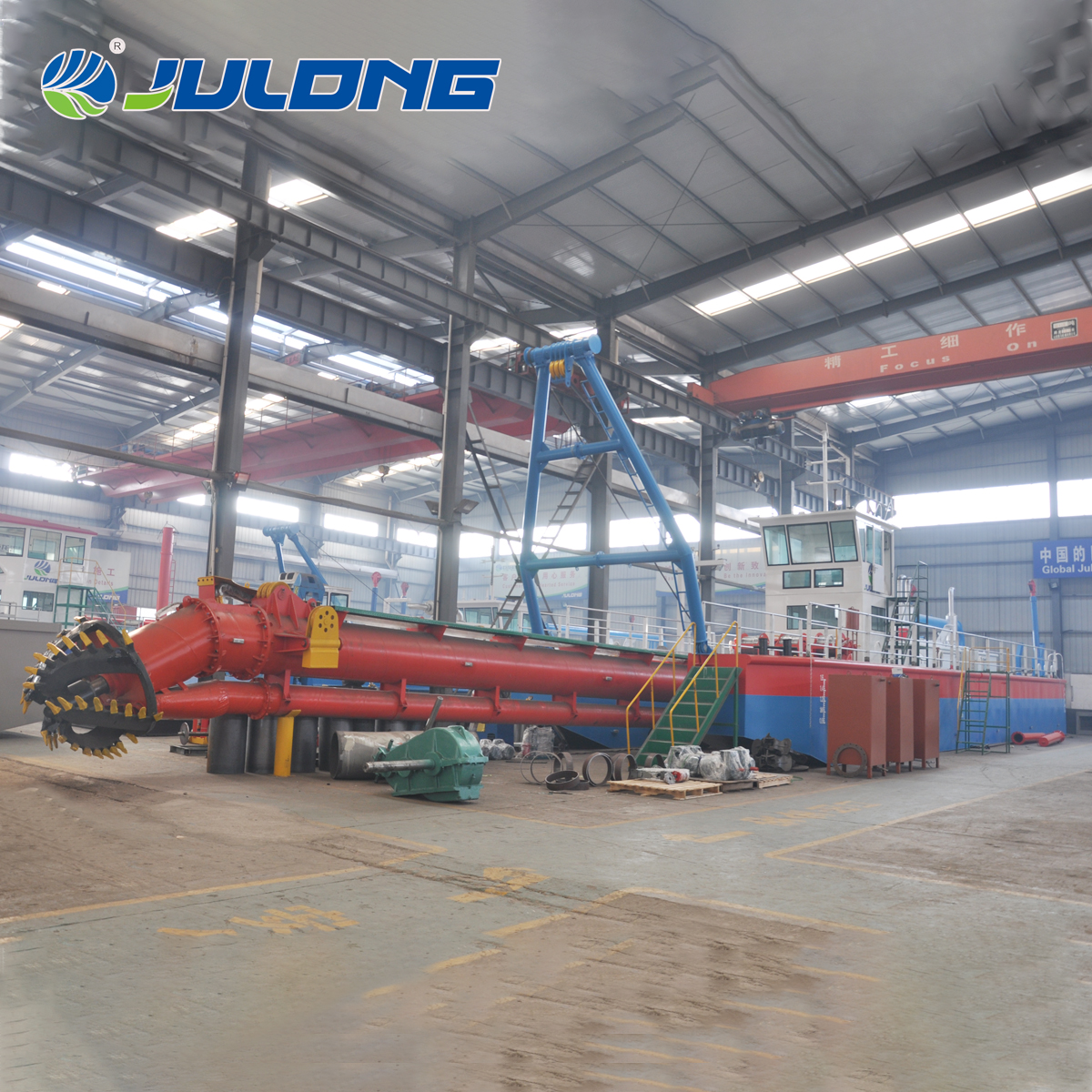
Cutterhead suction  dredges  are  specialized machines used in various waterway projects, designed  to excavate sediment  and  debris from  underwater environments  efficiently. For B2B  buyers, the  concerns  often revolve around the specifications,  performance, and reliability of these  dredgers, as well  as the cost and potential issues that may arise during operation. This article will provide comprehensive insights into cutterhead suction dredgers, focusing  on key  specifications, sourcing  reliable  suppliers, understanding cost factors, addressing common problems,  and exploring their applications across different  industries.

Specifications to Consider When Sourcing Cutterhead Suction Dredges

Specifications to Consider When Sourcing Cutterhead Suction Dredges

Finding a reputable supplier for cutterhead suction dredgers is essential  for  ensuring quality and reliability. Here are some strategies to locate trustworthy  manufacturers:

Industry  Trade  Shows and Exhibitions: Attending industry-specific trade shows allows potential buyers to meet suppliers face-to-face, inspect equipment firsthand, and discuss  specifications in detail. This personal interaction can provide insights into the supplier's reputation and capabilities.

Online Marketplaces and Directories: Platforms like Alibaba, ThomasNet, and others can  connect buyers with manufacturers globally. It’s crucial to check the  suppliers’ certifications, reviews, and ratings to gauge their  reliability.

Industry Associations and Certifications: Engaging with industry associations can provide access to a network of vetted suppliers. Certifications such as ISO and CE validate the manufacturer’s commitment to quality and  safety standards.

Referrals and Recommendations: Seeking referrals from  industry contacts or  previous  clients can lead to trustworthy suppliers. Recommendations often come with insights into  the supplier's performance  and customer service.

Manufacturer Websites: Exploring a  supplier’s website can provide information about their product range,  technical support, and after-sales service. Look for detailed product  specifications, case studies, and customer testimonials that highlight their expertise, such as those offered by manufacturers of Multi-Function Work Boat.

By utilizing these avenues, buyers can  identify reliable suppliers of cutterhead suction dredgers that meet their operational needs.

Quality Control Measures in Cutterhead Suction Dredge Manufacturing

Quality Control Measures in Cutterhead Suction Dredge Manufacturing

The cost of cutterhead suction dredgers can vary significantly based on several factors:

Design and Specifications: Custom specifications, such as size, capacity, and cutterhead design, influence the final price. Customized dredgers tailored to specific project requirements generally incur higher costs.

Material Quality: The materials used in  construction, such  as  high-grade steel or corrosion-resistant coatings, can impact  pricing. Investing in quality materials may lead to lower maintenance costs over time.

Technology  and Features: Advanced technology for automation and monitoring systems can  raise costs. Buyers should consider the benefits of these features against their budget and operational needs.

Shipping and Logistics: The cost  of transporting the dredger can  add to the total expenditure. Buyers should factor in shipping fees,  customs duties, and potential delays, especially when sourcing from international suppliers.

After-Sales  Support and  Warranty: The level of after-sales  support and warranty offered by the manufacturer can influence overall costs. Comprehensive support can justify  a higher initial investment  by reducing  long-term operational risks.

Understanding these cost factors will enable  buyers to  make informed decisions  and allocate their budgets more effectively when purchasing cutterhead suction dredgers.

How to Evaluate the Cost of Cutterhead Suction Dredges for Bulk Orders

How to Evaluate the Cost of Cutterhead Suction Dredges for Bulk Orders

Despite their robust design, cutterhead suction dredgers may encounter several common issues  during operation:

Clogging: Clogging in the suction line can occur due to the presence of  large debris or sediment types that are too dense. Implementing a pre-screening process or using a cutterhead designed  for dense materials  can mitigate this problem.

Mechanical Failures: Components such as the pump,  engine,  or hydraulic systems may fail due to wear and tear or improper maintenance. Regular inspections and adhering to the manufacturer’s  maintenance schedule are critical  to preventing mechanical issues.

Inefficient Dredging: If the dredger does not perform as expected, it may be due to incorrect  settings or unsuitable operational parameters. Buyers  should ensure that  the dredger is calibrated correctly for the specific type of sediment and water conditions.

Corrosion and Material Degradation: Prolonged exposure to corrosive environments can degrade  material quality. Utilizing corrosion-resistant materials  and coatings can extend the dredger's lifespan and minimize repair needs.

Operational Safety Concerns: Safety is paramount in dredging  operations. Ensuring that operators are well-trained and that safety features are in place can help  prevent accidents and ensure compliance with regulations.

Identifying these common  problems and their solutions will  help buyers maintain their cutterhead suction dredgers effectively, ensuring optimal performance and longevity.

Comparing Cutterhead Suction Dredge Models for Optimal Performance

Cutterhead suction dredgers have a wide range of applications across various industries, including:

Environmental Remediation: These dredgers are used for cleaning up contaminated sediments in rivers  and lakes, helping restore ecosystems and  improve water quality.

Construction and Infrastructure: In port and harbor construction, cutterhead suction dredgers are vital for deepening berths  and creating  navigation channels, ensuring  safe  passage for vessels.

Mining Operations: In the mining industry, these dredgers are utilized to extract minerals from riverbeds and lake bottoms, providing  an efficient way to recover valuable resources.

Land Reclamation: Cutterhead  suction dredgers play a crucial role in land reclamation projects, where sediment  is removed from water bodies to create new land for  development.

Flood Control: Dredging rivers and lakes helps manage water levels and reduce flooding risks.  By removing sediment build-up, these dredgers maintain waterways'  capacity and flow.

Understanding the diverse applications  of cutterhead suction dredgers can help buyers  identify how these machines can benefit their specific projects, ensuring efficient and  effective operations.

Choosing the Right Cutterhead Suction Dredge for Your Project Needs

When evaluating cutterhead  suction dredgers,  several key specifications are crucial to ensure optimal performance for specific applications.

Size and Capacity: The dredger's size, including its length and width, directly  impacts its operational capabilities. Larger dredgers  can handle greater volumes  of material, making them suitable for substantial projects, while smaller units are ideal for confined spaces  or smaller jobs.

Power and Efficiency: The engine power, typically measured in horsepower,  determines the dredger's efficiency and the speed at which it can operate. A higher horsepower rating usually translates to faster dredging rates and improved performance in tougher conditions.

Dredging Depth and Reach: The maximum dredging depth is a critical specification since it defines how deep the dredger can operate underwater. Buyers  must assess the depths required for their projects and choose  a dredger that meets these  needs.

Cutterhead Design: The cutterhead's design influences how  effectively the dredger can penetrate and excavate different types of sediment.  Options include various blade configurations and materials that  can withstand abrasive environments.

Durability and Material  Quality: The construction materials of the dredger  play a vital  role in its longevity and resistance  to wear and tear. High-quality steel and corrosion-resistant coatings are essential for  ensuring  durability in harsh aquatic environments. This is particularly important for those considering the use of an Aquatic Cleaning Boat in conjunction with dredging operations.

Understanding these specifications helps buyers select the right cutterhead  suction dredger tailored to their project requirements, ensuring efficiency and effectiveness in sediment removal.

Frequently Asked Questions

What is a cutterhead suction dredge used for?

A cutterhead suction dredge removes sediment, silt, and debris from rivers, lakes, ports and waterways by cutting and suction, restoring depth and improving navigation and flood control.
We offer various cutterhead suction dredgers and amphibious dredgers sized for small to large projects. Models differ by horsepower, dredging depth, and output. Contact us for model selection.
Our equipment is manufactured in a 12,000 m² facility and meets ISO and CE certifications, ensuring durability, safety, and reliable performance.
Yes. We offer installation guidance, commissioning, operator training, spare parts supply, and global technical support to ensure proper operation and maintenance.
Yes. We customize cutterhead design, power configuration, pump capacity, and mobility options to match project depth, soil type, and site conditions.

Get a Free Quote

Our representative will contact you soon.
0/1000