Choosing the Right Deckhand Tugboat for Your Operations

application/deckhand-tugboat, application/deckhand-tugboat, 
Inquiry
Inquiry

deckhand tugboat

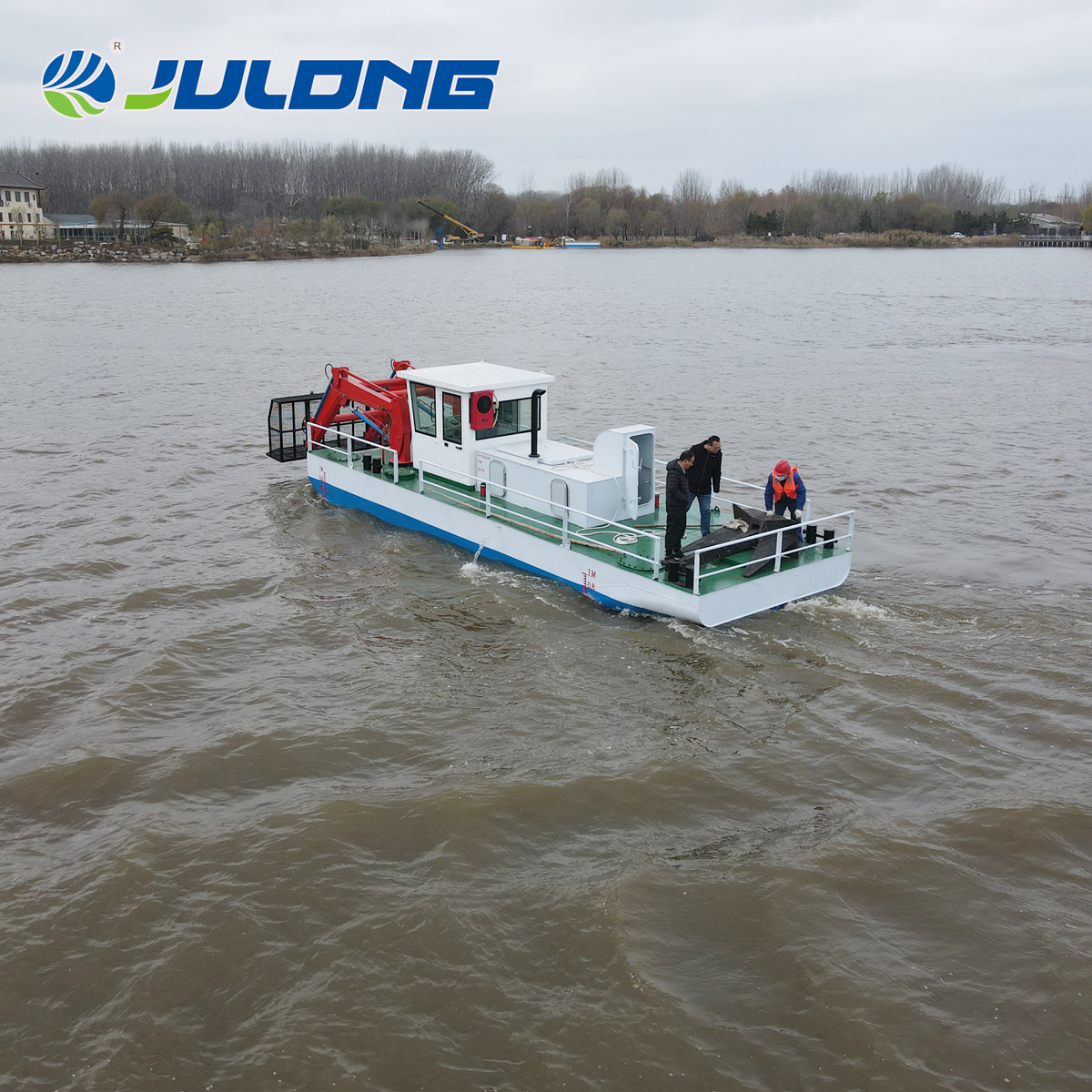
Deckhand tugboats  play a critical role  in maritime  operations, providing  essential support  for various tasks, including  towing, pushing,  and maneuvering larger vessels. As purchasing managers  or operators in the maritime industry,  understanding  the intricacies of  deckhand  tugboats is vital  for making informed decisions. This article will help you navigate  key  considerations,  including specifications,  material  advantages, and common issues,  to ensure  you select the right tugboat for your operations.

Steps to Follow

Steps to Follow

To ensure an informed purchasing process for deckhand  tugboats, follow these  steps:

Define Your Requirements: Assess your operational needs, including the types of vessels you'll be working with, typical sea conditions,  and specific  maneuvers required.

Research Suppliers:  Look for reputable  manufacturers,  such as Qingzhou JULONG Environmental Technology Co., Ltd., known for  their expertise in producing durable  maritime equipment. Ensure they hold relevant certifications like  ISO and CE, which reflect quality standards.

Evaluate Specifications:  Compare specifications from different suppliers, focusing on power output, towing capacity, hull design, and  materials used. This will help you  identify the tugboats that best meet your needs.

Request Quotes: Provide detailed information to potential  suppliers, including  operational  requirements, expected usage, and any customization needs. This ensures you receive tailored quotes that reflect  your specific needs.

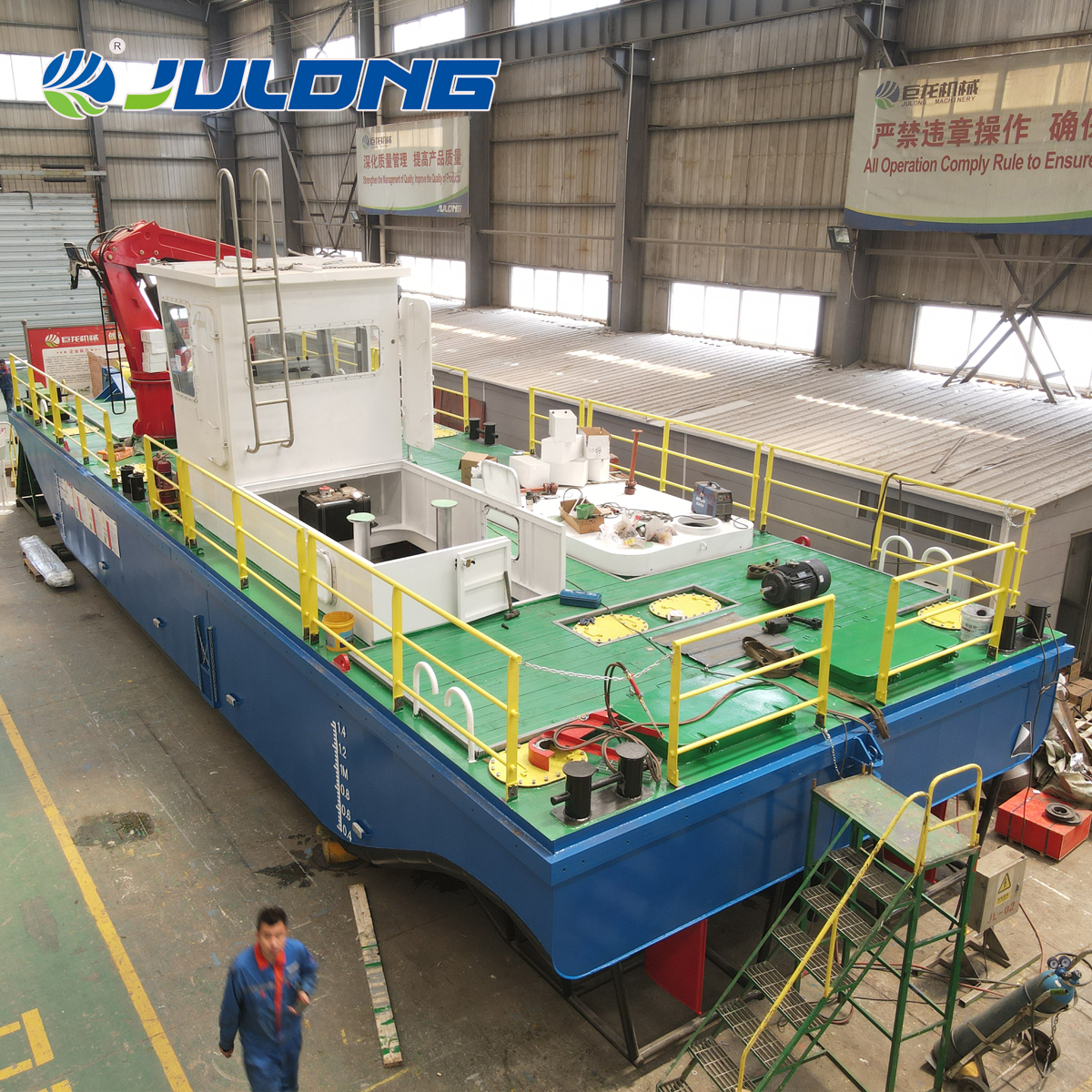
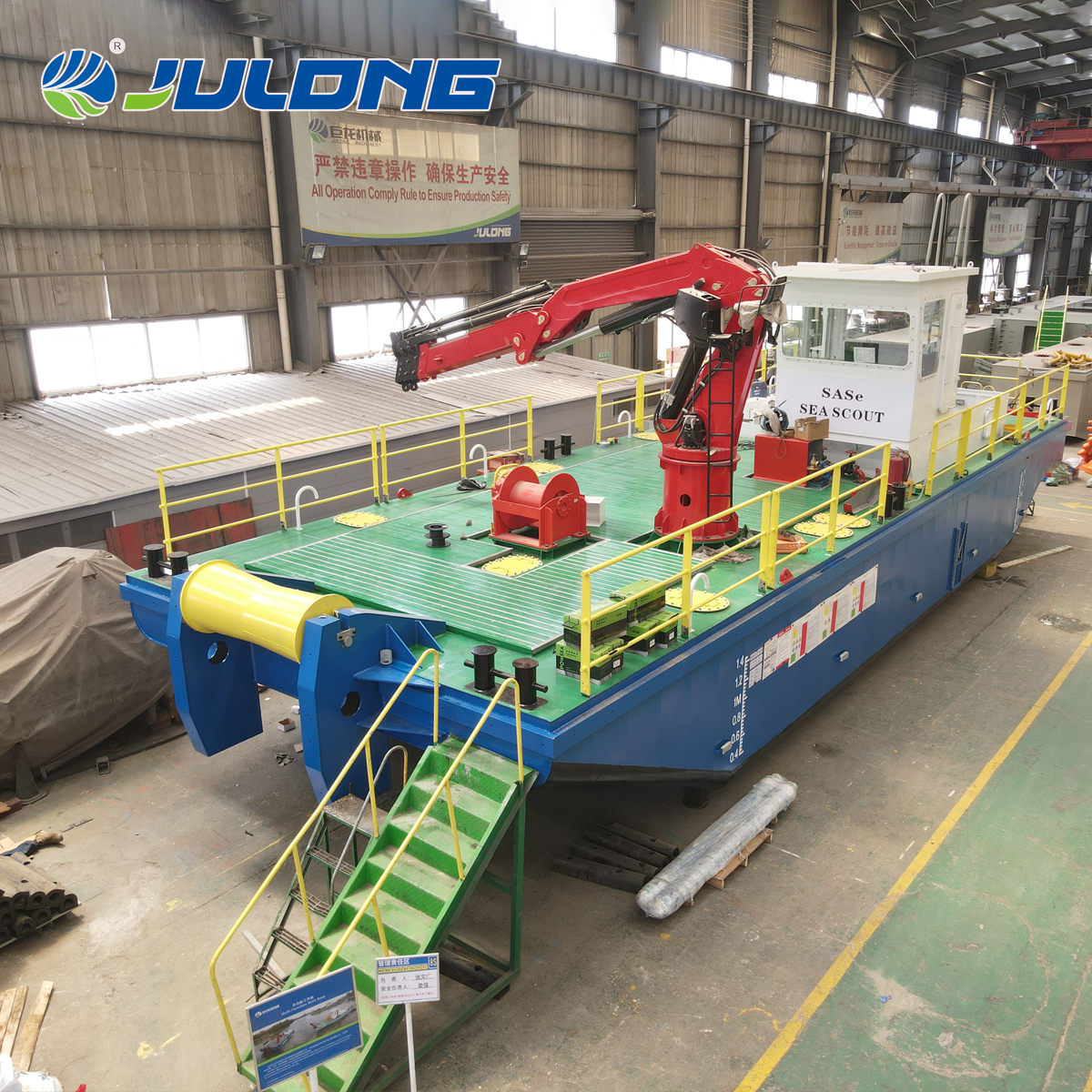
Inspect Samples:  Before finalizing your  order, request a sample or a visit to the manufacturing facility to assess the  build quality. Observing the production process can provide insights into the manufacturer's capabilities and quality control measures.

Common Problems with Deckhand Tugboats and Effective Solutions

Common Problems with Deckhand Tugboats and Effective Solutions

Deckhand tugboats,  like any machinery, can  encounter specific issues. Common problems include:

Engine Performance Issues: Inadequate power or responsiveness can  arise  from  poor maintenance or incompatible fuel  types. Regular  engine checks and using recommended fuel types can mitigate these issues.

Hull Damage: Collisions or grounding can lead to hull integrity  issues. Regular inspections are  vital, and any damage should be addressed  immediately to avoid further complications.

Towing Equipment  Failures: Problems with towing lines or winches can hinder operations. Ensure proper maintenance and regular checks on these components  to prevent failures during critical operations.

Corrosion: Exposure  to harsh  marine environments can  lead to corrosion. Opting  for corrosion-resistant materials and regular maintenance can extend the lifespan of the  tugboat.

How to Compare Deckhand Tugboat Options for Your Business

How to Compare Deckhand Tugboat Options for Your Business

When comparing deckhand tugboats, consider  the following factors  to ensure you make an  informed decision:

Specifications vs. Needs: Match the technical specifications of each tugboat to your operational requirements. Pay particular attention to  power output, towing capacity, and hull design.

Quality Assurance: Investigate the manufacturer’s  quality control processes. A reliable manufacturer will have rigorous testing and certification procedures to  ensure the  products  meet industry standards.

Customization Capabilities: Depending  on your unique operational  needs, you may require  customized features. Ensure the manufacturer  can accommodate specific requests such as engine upgrades or specialized towing equipment.

Warranty and Support: Understand the warranty terms and  post-sale support offered by the manufacturer. A  robust support system can be invaluable in case of  unexpected issues.

Cost of Ownership: Beyond  the  initial purchase price, consider maintenance costs, fuel efficiency, and the expected lifespan of  the tugboat. A lower upfront cost may not always correlate  with lower long-term expenses.

Understanding Material Advantages in Deckhand Tugboat Manufacturing

The materials  used in the construction of deckhand tugboats significantly impact their durability  and performance. Here are some  key considerations:

Steel vs. Aluminum  Hulls: Steel is commonly used for its strength and durability, making it ideal for heavy-duty applications. However,  aluminum offers advantages in weight reduction  and corrosion resistance, which may be beneficial  for specific operational environments.

Coatings and  Treatments: Protective coatings can enhance resistance to corrosion and wear. Look for manufacturers that employ advanced surface treatments  to prolong  the life of the tugboat.

Reinforced Structures: Reinforcements in critical areas can enhance the tugboat's ability to withstand harsh operating conditions. This is  particularly relevant for tugs operating in rough  waters or with  heavy towing loads.

Material Sourcing: Verify where  the materials are  sourced from to ensure compliance with industry standards. Quality materials are essential for the longevity and reliability of the tugboat.

By understanding these material advantages, you can make more informed decisions that align with your  operational needs and budget.

Selecting the right  deckhand tugboat is crucial for enhancing operational  efficiency and ensuring  safety on the water. By considering the specifications, evaluating suppliers, and understanding common issues, you can make a well-informed purchasing decision that serves your  business effectively.

What to Look for in Deckhand Tugboats

When evaluating deckhand  tugboats, several key specifications should be  considered. First, the power output  is  crucial; it determines the tugboat's ability to maneuver larger vessels effectively. Look for tugs with engines  that provide sufficient  horsepower for the expected  towing capacity.

Next,  consider the size  and hull design. Tugboats often have a shorter, broader hull for  enhanced stability and maneuverability, particularly in tight spaces. The dimensions should match the operational environment, whether rivers, lakes, or  ports,  as  well as any specific docking requirements. For instance, using an Amphibious Equipment can be advantageous in certain conditions.

Another vital aspect is the towing capacity, which should align  with your operational needs. This capacity is typically measured in tons and will influence the tugboat's performance in various conditions. Ensure the tugboat's specifications are compatible with the  types of vessels  you intend  to assist.

Finally, assess the  tugboat’s construction  materials. Durable materials can enhance longevity and reduce maintenance costs, which are pivotal for maximizing operational efficiency. Choosing an effective Dredger for associated tasks can also prove beneficial.

Frequently Asked Questions

What is the primary use of the deckhand tugboat?

The deckhand tugboat assists in maneuvering dredgers, barges and small vessels during river, lake, and port projects, providing towing, pushing, and positioning support for efficient operations.
Specifications include length, engine power, bollard pull, draft, and deck layout. Customization for project needs is available to match site conditions and equipment requirements.
Yes. We offer customization of propulsion, deck fittings, winches, and control systems to suit river, lake, and port project demands and integration with dredging equipment.
Our products are manufactured in a 12,000 m² facility and come with ISO and CE certifications, ensuring quality, safety, and compliance with international standards.
We provide global shipping to 93 countries, technical support, spare parts supply, and after-sales service to ensure reliable operation and timely maintenance.

Get a Free Quote

Our representative will contact you soon.
0/1000