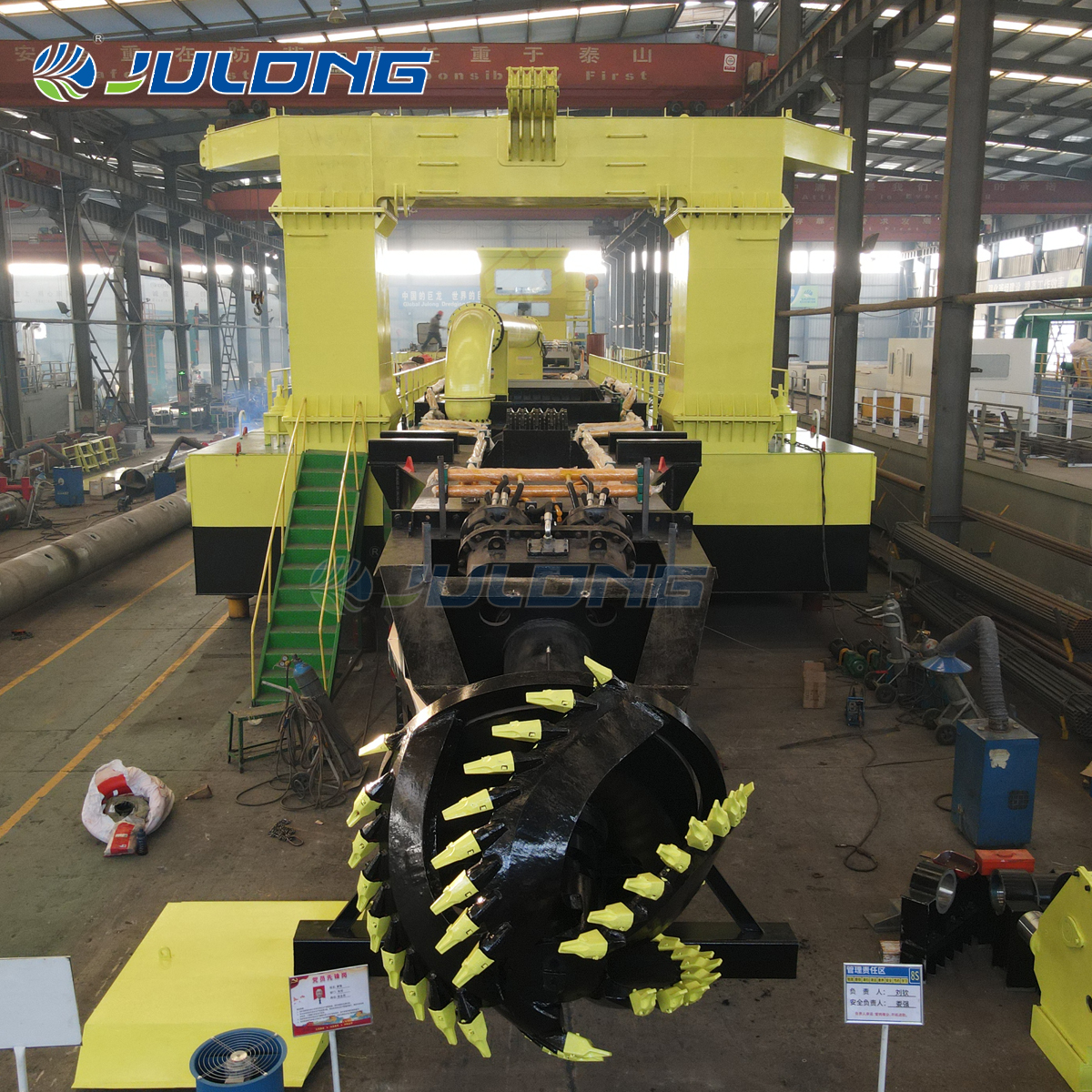
Common Problems with Dredge Cutters and Their Solutions
Dredge cutters, like all heavy machinery, can encounter operational issues. Understanding these common problems—and their solutions—can help maintain efficiency and reduce downtime:
Clogged Pumps: This is a frequent issue when dredging materials with high debris content. Regular maintenance and clearing of the pump can prevent this problem. Operators should be trained to monitor flow rates and react promptly to changes.
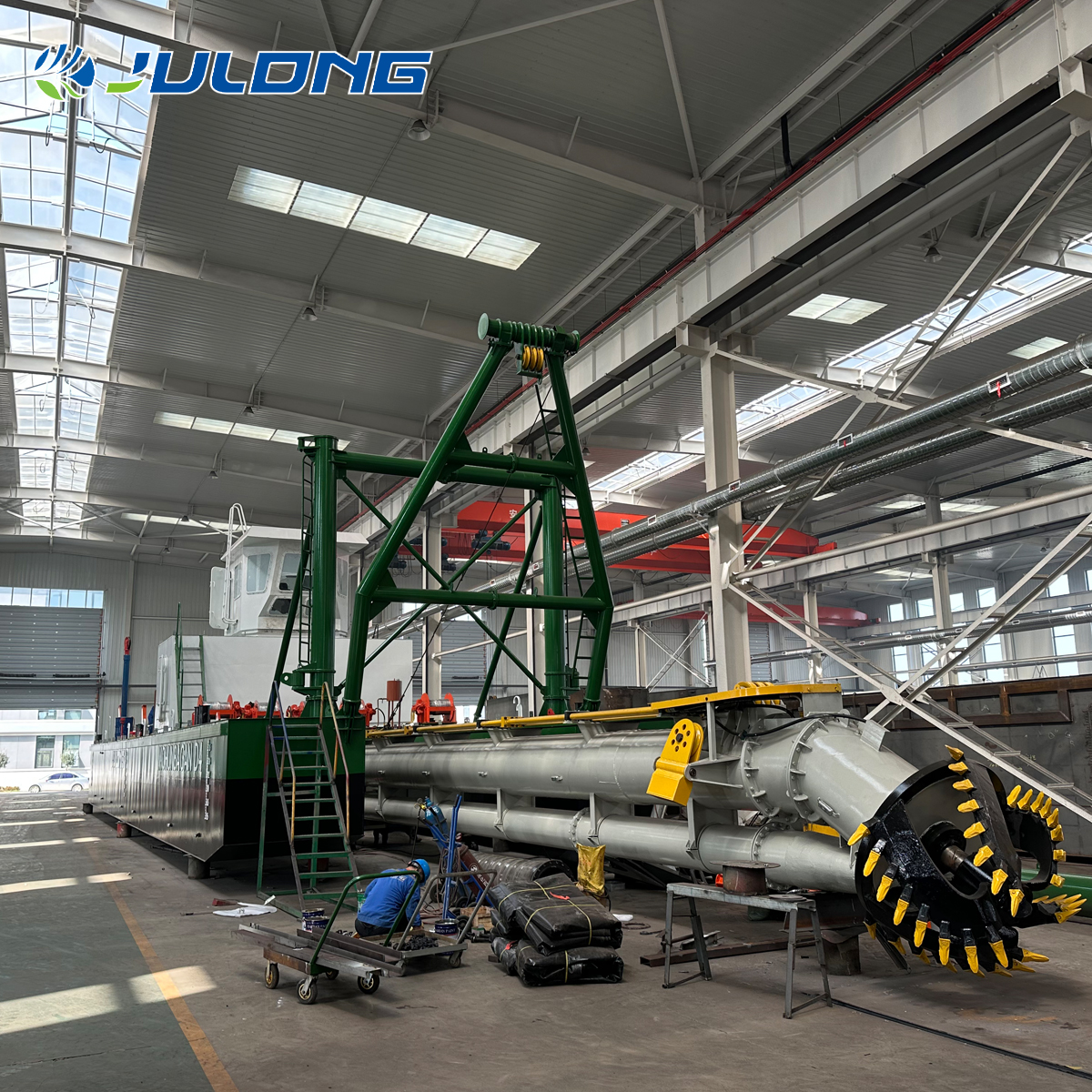
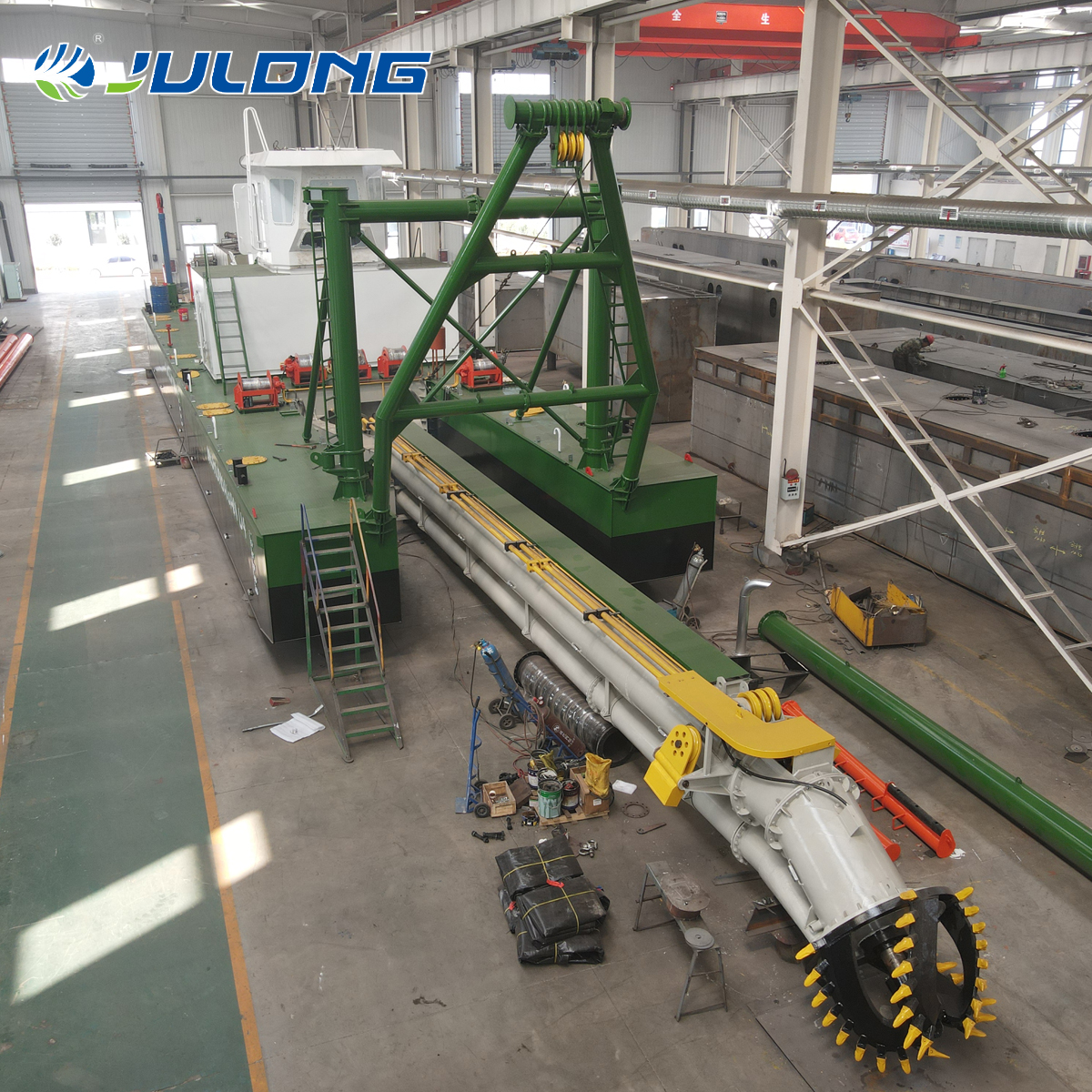
Wear and Tear on Blades: The cutting blades are subject to significant wear. Regular inspection and timely replacement of blades are necessary to maintain cutting efficiency. Choosing blades made from high-durability materials can also extend their life.
Hydraulic System Failures: Hydraulic failures can halt operations. Routine checks of hydraulic fluid levels and system components can mitigate this risk. Operators should be trained to identify early signs of hydraulic issues.
Environmental Factors: Conditions such as strong currents or unexpected underwater obstacles can impact Amphibious Equipment efficiency. Conducting a thorough site survey before operations can help identify potential challenges.
By proactively addressing these common problems, operators can ensure the smooth functioning of dredge cutters, ultimately leading to successful project completion.
In summary, understanding the intricacies of dredge cutters—from selecting the right model for your needs to knowing the key specifications and common operational issues—can significantly enhance your project outcomes. Engaging with reputable suppliers and considering the full range of costs will further support informed purchasing decisions, ensuring that your dredging operations are efficient, reliable, and successful.
 EN