Key Specifications for Lake Dredges in Bulk Orders

application/lake-dredge, application/lake-dredge, 
Inquiry
Inquiry

lake dredge

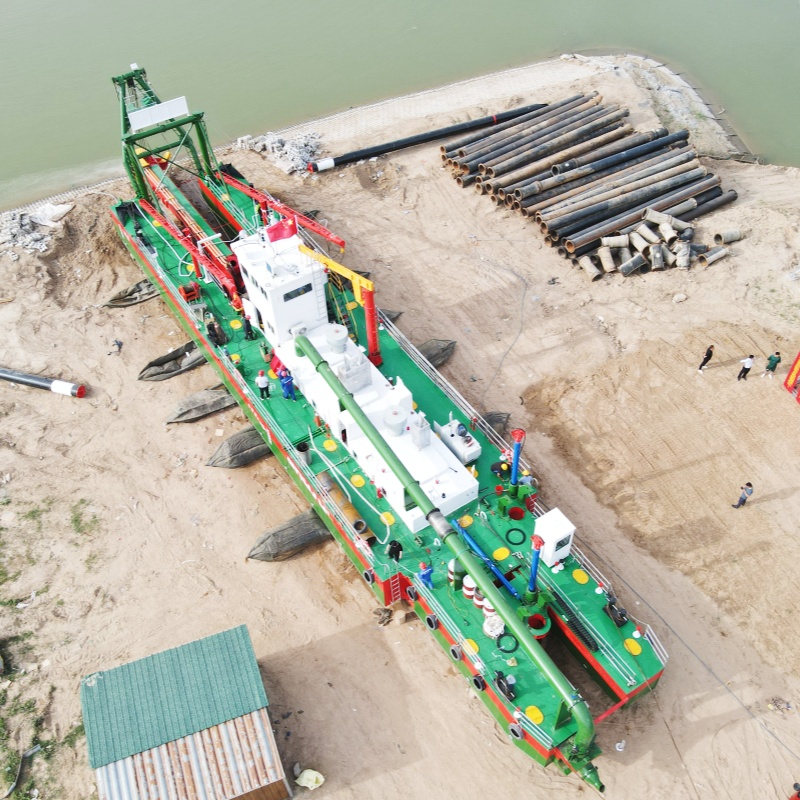
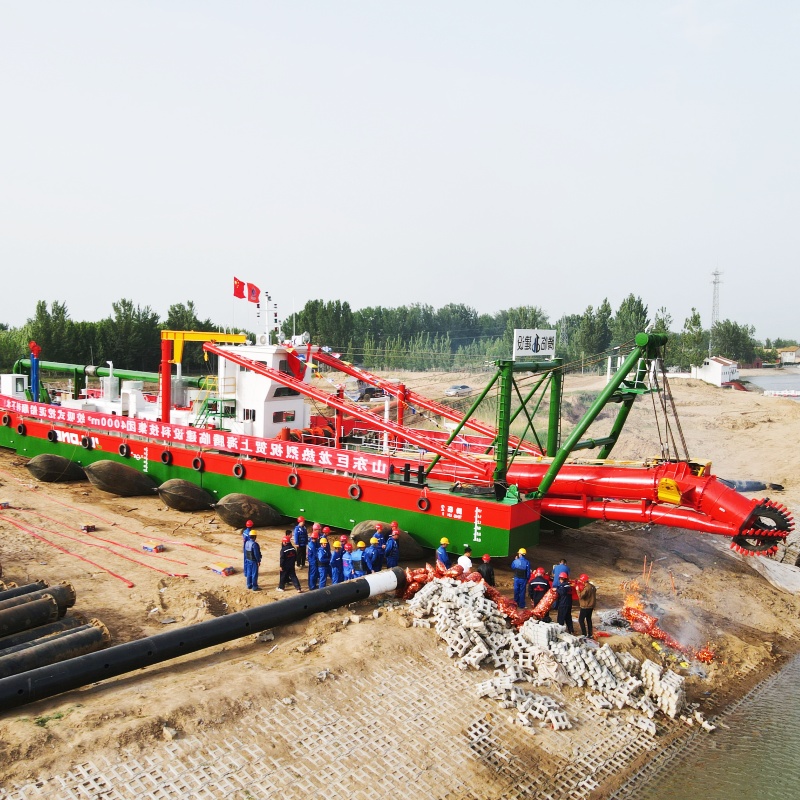
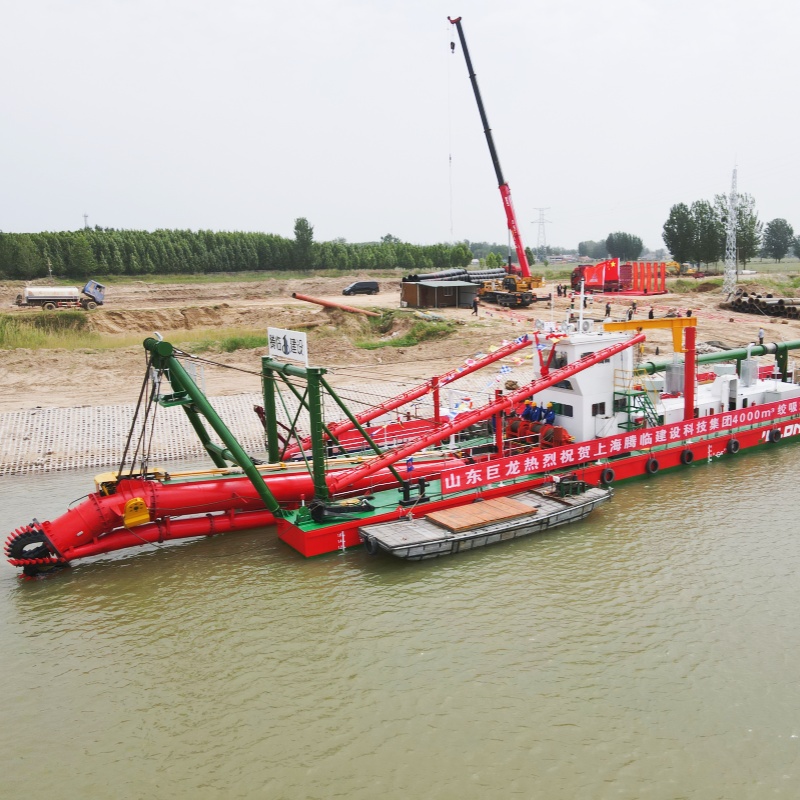
Lake dredges are essential  equipment used in various industrial applications, particularly  for  the maintenance and excavation  of lakes, rivers, and ports. These  machines  are designed  to remove  sediment, debris, and other  materials from  water  bodies, ensuring navigability and environmental health. For purchasing managers and engineers looking  to procure a lake dredge, understanding key specifications, features, potential issues, and solutions is  crucial. This article provides  a comprehensive  guide to  help  buyers make informed  decisions  when investing  in lake dredges.

Features and Cost Factors

Features and Cost Factors

Understanding  the features  of lake dredges and their corresponding cost factors  is vital  for any purchasing decision. 

Customization Capabilities: Many manufacturers, like Qingzhou JULONG  Environmental Technology Co., Ltd., offer customizable dredges tailored to specific project needs. Customization can include adjustments for  size, pump type, and additional features like multi-function capabilities. While custom dredges may have higher upfront costs,  their efficiency in meeting project specifications can lead to significant  long-term savings. For instance, a Multi-Function Work Boat might serve multiple purposes, enhancing project efficiency.

Maintenance and Support: Consider the maintenance requirements and  the availability of support services. Dredges that are easier  to maintain and come with robust support options can reduce downtime and operational costs.

Price Variability: Prices for lake dredges can vary widely based on specifications, features, and the manufacturer's reputation. Bulk  orders often come with discounts, but be sure to weigh the cost against the dredge's performance and reliability.

Warranty  and Certification: Ensure that the  dredge comes with  a warranty and is certified by  recognized standards (such  as ISO or CE). This not  only assures quality but also provides peace of mind regarding the machine's reliability.

 
What You Should Know

What You Should Know

Before  purchasing a lake dredge, it's essential to be  aware  of several key considerations:

Operational Training:  Ensure that  operators are adequately  trained to handle the dredge. Misuse can lead to operational  inefficiencies and  damage to the equipment.

Environmental Regulations: Familiarize yourself with  local  environmental  regulations regarding dredging operations. Compliance  can  affect the choice  of dredge and operational  practices.

Insurance and Liability: Depending  on the  scale of operations, consider obtaining suitable insurance coverage. This protects  against potential liabilities arising  from equipment  failure or operational mishaps.

Steps and Considerations

Steps and Considerations

To effectively  purchase  a lake dredge, follow these steps:

Assess Project Requirements:  Clearly define the project scope, including  the type of materials  to be  dredged, the size of  the area, and the expected duration  of  operations.

Request Proposals: Reach out  to multiple manufacturers  to obtain detailed proposals. Ensure that each proposal includes specifications,  pricing, and customization options.

Evaluate Samples:  If possible, request a demonstration  or a sample dredge. This  allows for firsthand evaluation of performance and suitability  for your specific application.

Verify Supplier Credentials: Research the supplier's history, customer reviews, and project references. A reputable supplier should have a proven track record in delivering quality products.

Finalize Specifications: Before  placing an order, confirm all specifications based on your project  requirements. This  includes  reviewing technical parameters and ensuring they align with operational needs.

Common Problems with Lake Dredges and Effective Solutions

Understanding potential issues with lake dredges can  help mitigate risks.  Here are some common problems and their solutions:

Clogged Pumps: One of the most frequent issues is clogging due to debris. Regular maintenance and the  use of pumps designed  to handle  tough materials can reduce this risk.

Engine Failures: Engine problems can arise  from  inadequate maintenance or improper operation. Ensure regular inspections and follow manufacturer guidelines for operation and maintenance.


Inefficiency  in Material Removal: If a dredge is  not efficiently removing material, it may be due to improper depth settings or insufficient pump capacity. Regularly reevaluate operational parameters to ensure the  dredge operates at  optimal efficiency.


Wear and Tear: Over  time, components may  wear down, affecting performance. Implementing a proactive  maintenance schedule can identify issues before they escalate, ensuring consistent operation.

Environmental Compliance Issues: Failure to adhere to environmental regulations  can halt operations. Stay updated with local laws and ensure that dredging practices align with regulatory guidelines.

By being informed about the specifications, features, and potential challenges associated with lake dredges, B2B buyers can make educated decisions that  align  with their operational needs and  project objectives.

Key Specifications to Evaluate Lake Dredges for Bulk Orders

When evaluating lake dredges, several specifications are critical to ensure the right  choice for your project. Here are the  primary factors to consider:

Dredging Depth and Width: The  dredging depth determines how deep  the machine can operate  underwater,  while  the width affects the area it can cover in a  single  pass. Understanding the specific requirements of your project will help in selecting a model that meets both depth and width  specifications.

Pump Capacity: The performance of a  dredge depends significantly on its pump capacity,  measured in cubic meters per hour (m³/h). This specification indicates the volume  of material  the dredge can remove efficiently. Ensure that the dredge's capacity aligns with the expected workload.

Engine Power: The  power of the dredge's engine influences its operational efficiency and capability. A more powerful engine can handle tougher materials and larger volumes, which is essential for extensive dredging operations.

Material Construction: The durability of the dredge  is often determined by the materials used in its construction. Look for models made from high-quality steel or other robust materials that can withstand harsh underwater conditions and resist corrosion.

Mobility Features: Depending on your project’s location, consider the dredge's mobility. Amphibious Equipment, for example, offers versatility in navigating both land and  water, which can  be advantageous in varied environments.

Frequently Asked Questions

What is a lake dredge used for?

A lake dredge removes sediment, silt, and debris to restore water depth, improve flow, and support aquatic health and navigation in lakes and reservoirs.
We supply cutter suction dredges and amphibious dredgers tailored for lake projects, plus excavator-mounted options for shallow or sensitive areas.
Our dredges are built under ISO and CE standards, ensuring reliable manufacturing, safety, and compliance for global projects.
We support small to large lake and reservoir projects, providing scalable equipment and customized configurations to meet varied site requirements.
Yes. We offer technical support, installation guidance, training, and spare parts through our 12,000 m² facility to ensure long-term performance.

Get a Free Quote

Our representative will contact you soon.
0/1000

Related product categories