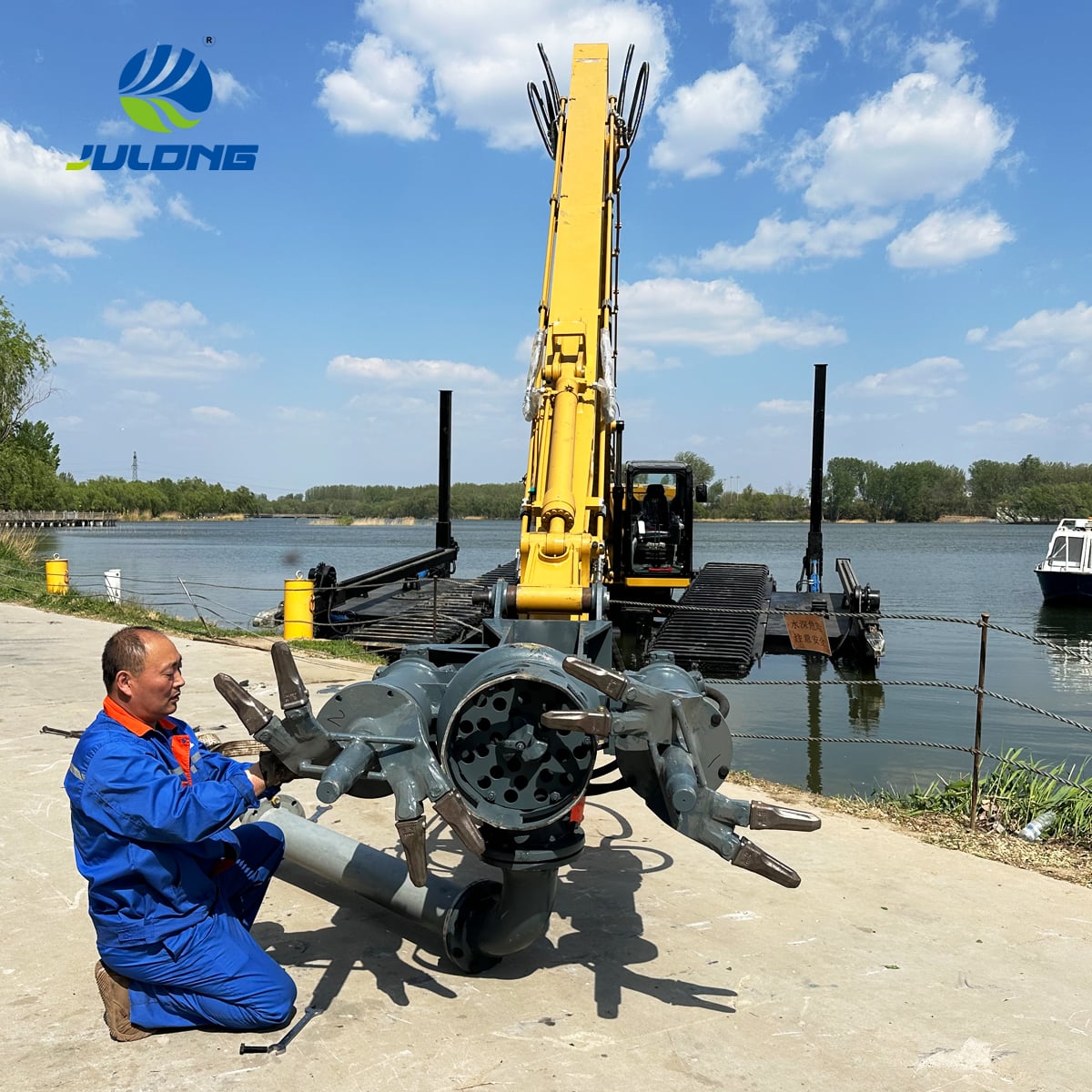
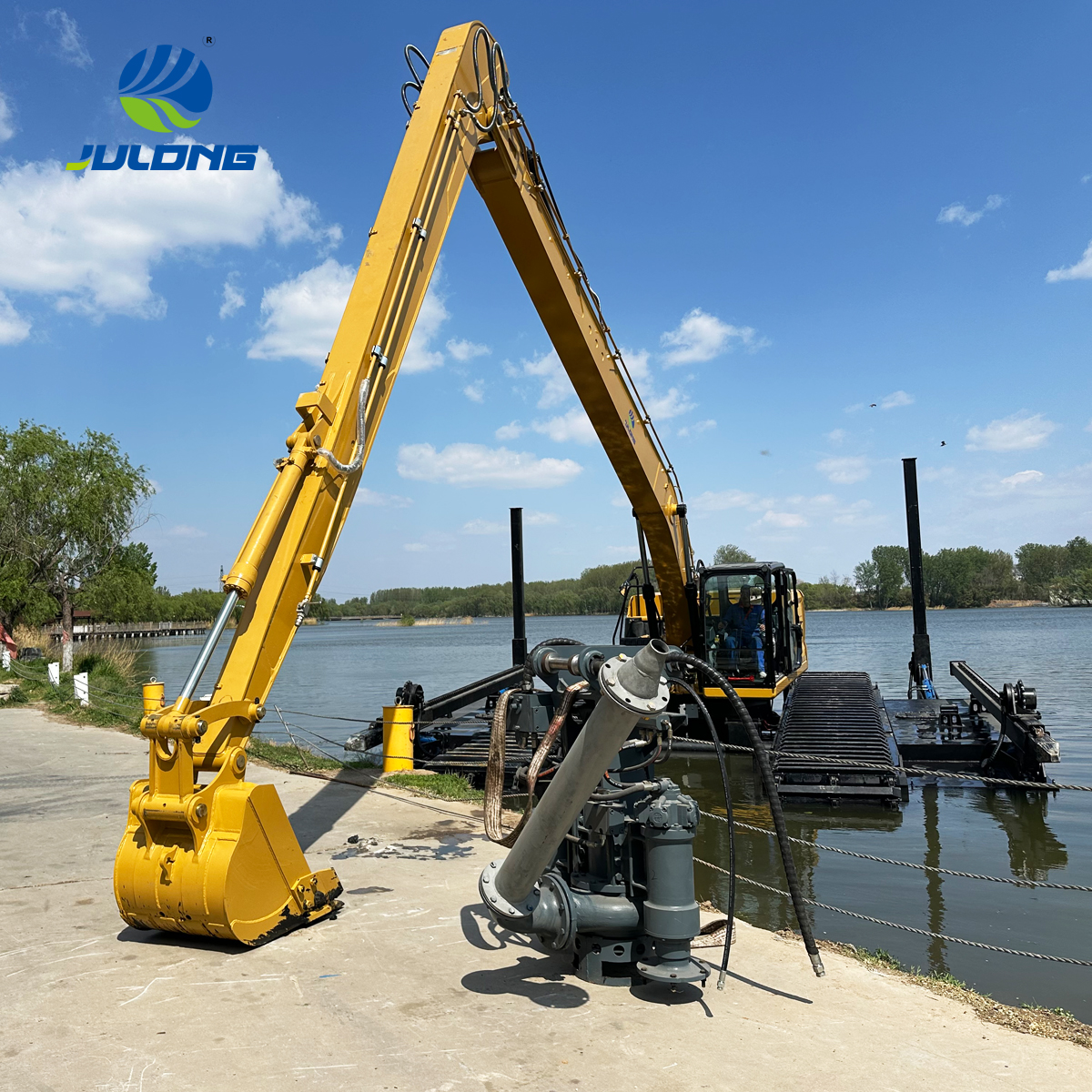
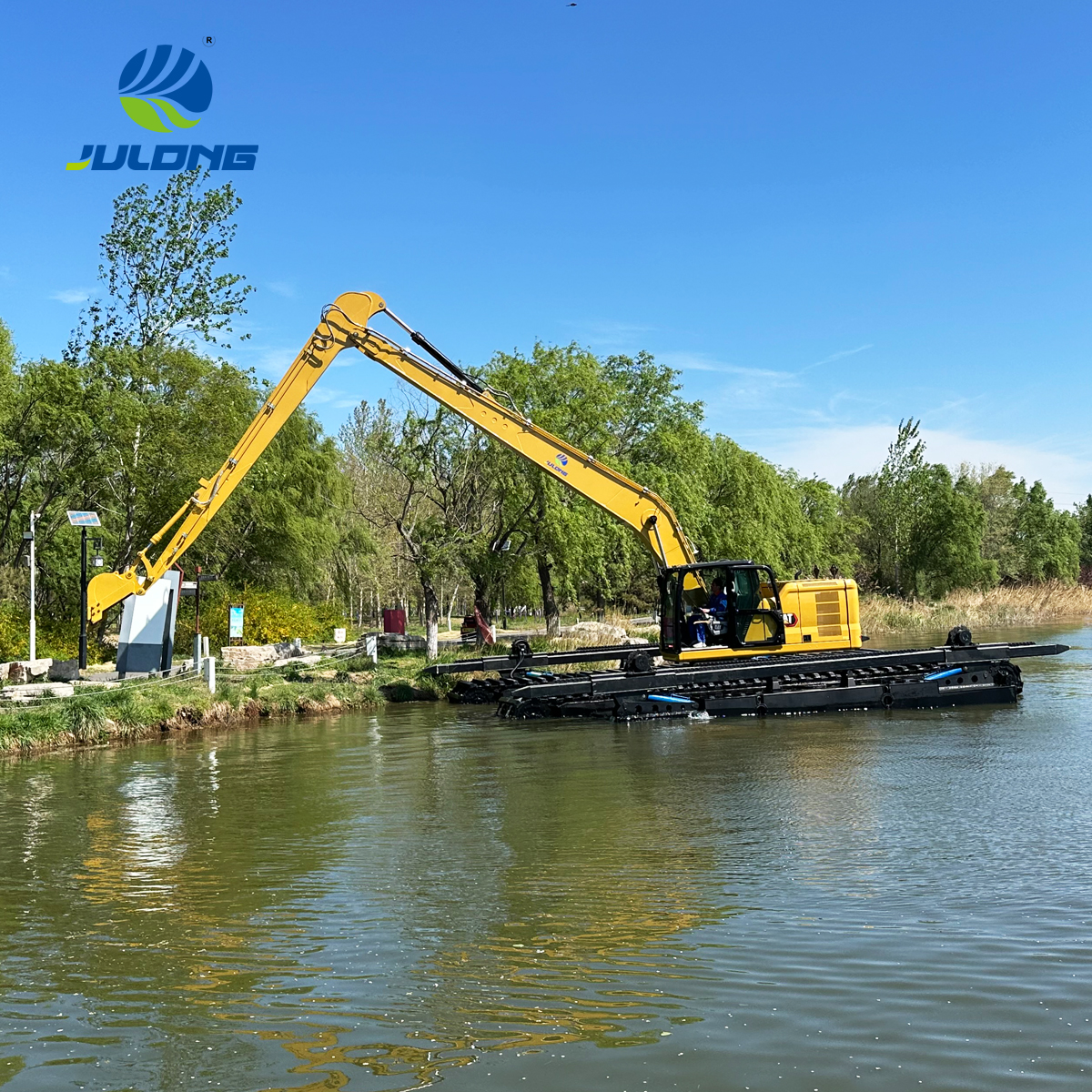
Reliable Suppliers of Pontoon Excavators

application/pontoon-excavator, application/pontoon-excavator, 
Inquiry
Inquiry

pontoon excavator

The  pontoon excavator is a  versatile and highly efficient machine  used  in  various applications, particularly in wetland areas or locations  where traditional  excavators  cannot operate effectively. For B2B buyers such as purchasing managers, engineers,  and  project  managers, the key concerns often  revolve  around the machine's reliability,  operational  efficiency, and suitability for specific  applications.  This article  aims to  provide valuable insights into sourcing pontoon excavators, essential considerations when evaluating options, common  challenges, and their practical applications.

Key Factors to Consider

Key Factors to Consider

When evaluating pontoon excavators, several key factors must be  considered:

Specifications:  Understand the technical specifications such as weight  capacity, digging depth, and  reach. These parameters significantly  influence the machine's performance in your  specific application.

Construction Material:  The materials used in the construction of the pontoon excavator should be durable and  resistant to corrosion, especially if it will be used in  water. Steel or aluminum with protective coatings are  common choices.

Customization Options: Many suppliers offer customization capabilities to tailor the excavator to specific  project requirements. This may include adjustments  in boom  length, bucket size, or additional equipment like hydraulic attachments. For those looking for multi-functional capabilities, the Multi-Function Work Boat may provide additional flexibility.

Quality Control Processes: Inquire about the manufacturer's quality control processes. Ensuring that the equipment undergoes rigorous  testing and inspection  before delivery can prevent costly  downtime and repairs later on.


Post-Purchase Support: Reliable  suppliers should  offer strong after-sales service, including maintenance support, spare parts  availability, and technical assistance.

Common Problems with Pontoon Excavators and Their Solutions

Common Problems with Pontoon Excavators and Their Solutions

Pontoon excavators  can encounter several issues, often  stemming from their operational environment or design limitations. Here are  common  problems and their solutions:

Stability Issues: If the  excavator tips or feels unstable during operation, it may be due to improper weight distribution or inadequate buoyancy. Ensure the correct configuration for the specific working  conditions and adjust the ballast as necessary.

Hydraulic Failures: Hydraulic components are  critical  for  the operation of  pontoon excavators. Regular maintenance,  including checking fluid levels and inspecting hoses  for leaks, can prevent unexpected failures.

Corrosion: Given their frequent exposure to water, pontoon excavators  are prone to corrosion.  Select models with protective coatings and consider regular  inspections and maintenance schedules to prolong the machine's  lifespan.

Inefficient Fuel Consumption: Efficiency is  crucial for  operational cost management. Look  for newer models that incorporate advanced engine technology, which can reduce fuel consumption and emissions.

 
Cost Factors to Consider When Purchasing Pontoon Excavators

Cost Factors to Consider When Purchasing Pontoon Excavators

Understanding the cost factors involved in  purchasing pontoon excavators is vital for  budget planning  and financial decision-making.  Key considerations include:

Initial Purchase Price: Assess the  base price of the excavator, factoring in any additional features or attachments that may be necessary for your specific applications.

Operational Costs: Calculate ongoing operational costs, including fuel, maintenance, and potential repairs. Efficient models may have higher initial costs but  can lead to savings over  time.

Financing Options: Many manufacturers offer  financing plans or leasing options, which can  ease the  burden of upfront  costs. Evaluate these options to determine what best fits your  financial strategy.

Shipping and Handling: Consider  the logistics of  shipping the equipment to your project site. Shipping costs  can vary significantly based on distance and the  size of the excavator, so it's crucial  to factor this into your total cost.

Resale Value: Pontoon excavators  can retain significant value in the  resale market. Research the depreciation rates for different  models to understand the potential return on investment.

Understanding the Applications of Pontoon Excavators in Projects

Pontoon excavators are particularly suited  for a range  of applications primarily in aquatic environments. Understanding these applications can help buyers make informed decisions based  on their project needs:

Dredging:  Pontoon  excavators excel in dredging projects,  where they remove sediment and debris from rivers, lakes, and harbors. Their  ability to operate in shallow waters makes them  ideal for these  tasks.

Wetland Restoration: These excavators are used in ecological projects  aimed at restoring wetlands. They can maneuver in soft, marshy ground while minimizing ecological disturbance.

Construction and Maintenance of Waterways: They play  a crucial  role in maintaining navigable waterways, allowing for the excavation of channels and removal of obstacles that hinder  water flow.

Environmental Cleanup: In cases of pollution or ecological  disasters, pontoon excavators can be deployed  to remove contaminated sediment or debris from aquatic environments  safely.

Landscaping and Shoreline Modifications:  They are often used for landscaping projects that involve reshaping  shorelines or  creating recreational areas near water bodies.

By understanding these  applications, buyers can ensure they select the right pontoon excavator for their specific project requirements, optimizing both performance and efficiency.

Where to Find Reliable Suppliers of Pontoon Excavators

When searching for  reliable suppliers of pontoon excavators,  it's essential to consider manufacturers with a strong reputation and proven track record in the industry. Look  for companies  that have extensive experience in  producing specialized equipment for river,  lake,  and port projects. Certifications such as  ISO and CE can indicate adherence to quality standards, which  is crucial for ensuring product reliability and safety. For instance, those seeking advanced machinery might also explore options like the Amphibious Equipment that can complement pontoon excavators in various projects.


Attend industry trade  shows, seminars, and expos to connect with manufacturers  and  suppliers directly.  Online B2B marketplaces and industry-specific  directories can also be useful for finding potential  suppliers. It's advisable to request references and case  studies from any supplier you’re considering  to verify  their expertise and track record in delivering pontoon excavators suitable for your  specific needs.

Frequently Asked Questions

What is a pontoon excavator used for?

A pontoon excavator is used for dredging, sediment removal, shoreline work, and construction in rivers, lakes, and ports where land access is limited.
We offer various models with different pontoon lengths, reach, lifting capacity, and engine power to suit small to large-scale river, lake, or port projects.
Yes. Our machines carry ISO and CE certifications, reflecting compliance with international quality and safety standards.
Yes. Designed for shallow water and soft ground, our pontoon excavators provide stable operation and efficient sediment handling in such conditions.
We provide technical support, spare parts supply, operator training, and warranty coverage. Details vary by model and contract; contact us for specifics.

Get a Free Quote

Our representative will contact you soon.
0/1000

Related product categories