Key Specifications for Quality Bucket Dredgers

application/bucket-dredger, application/bucket-dredger, 
Inquiry
Inquiry

bucket dredger

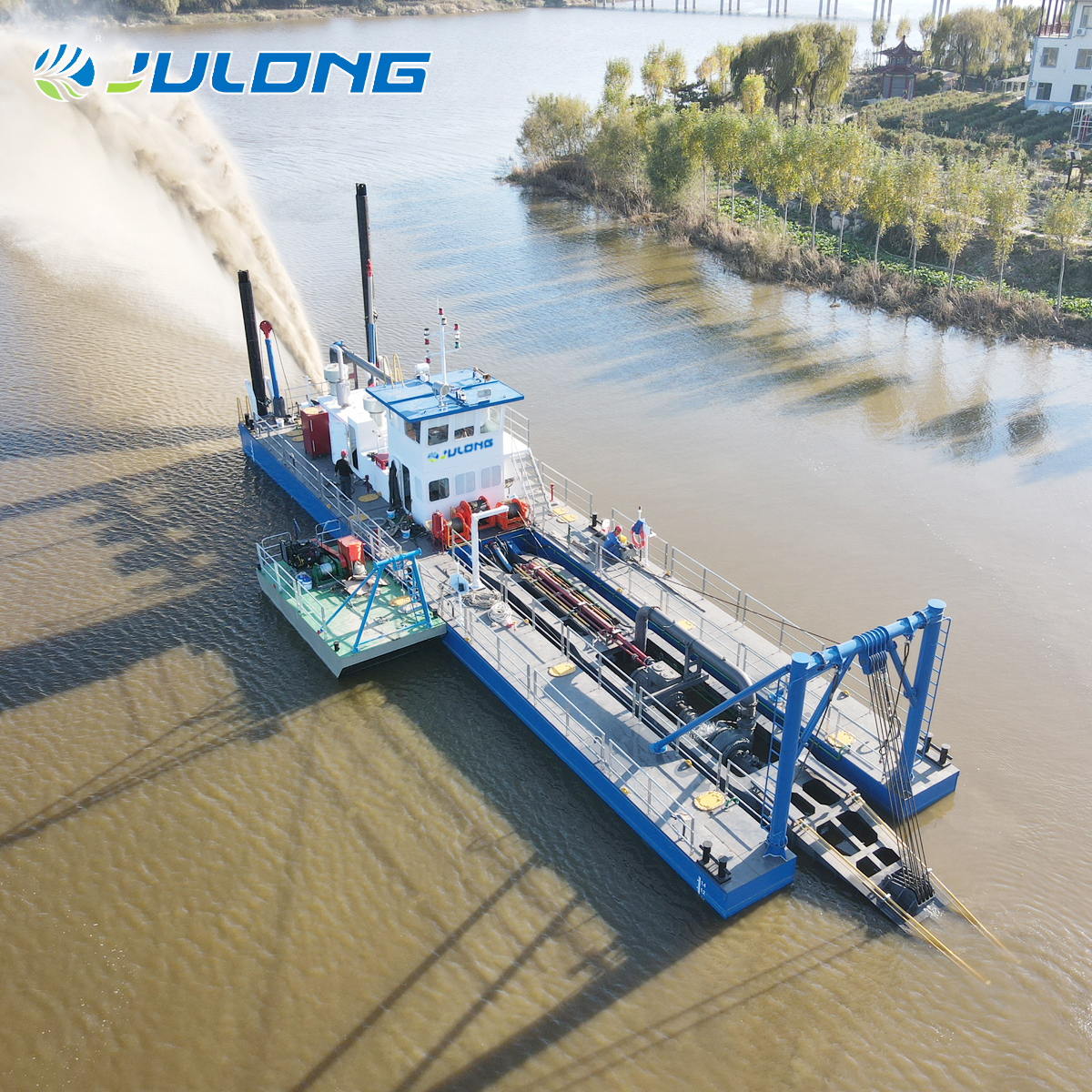
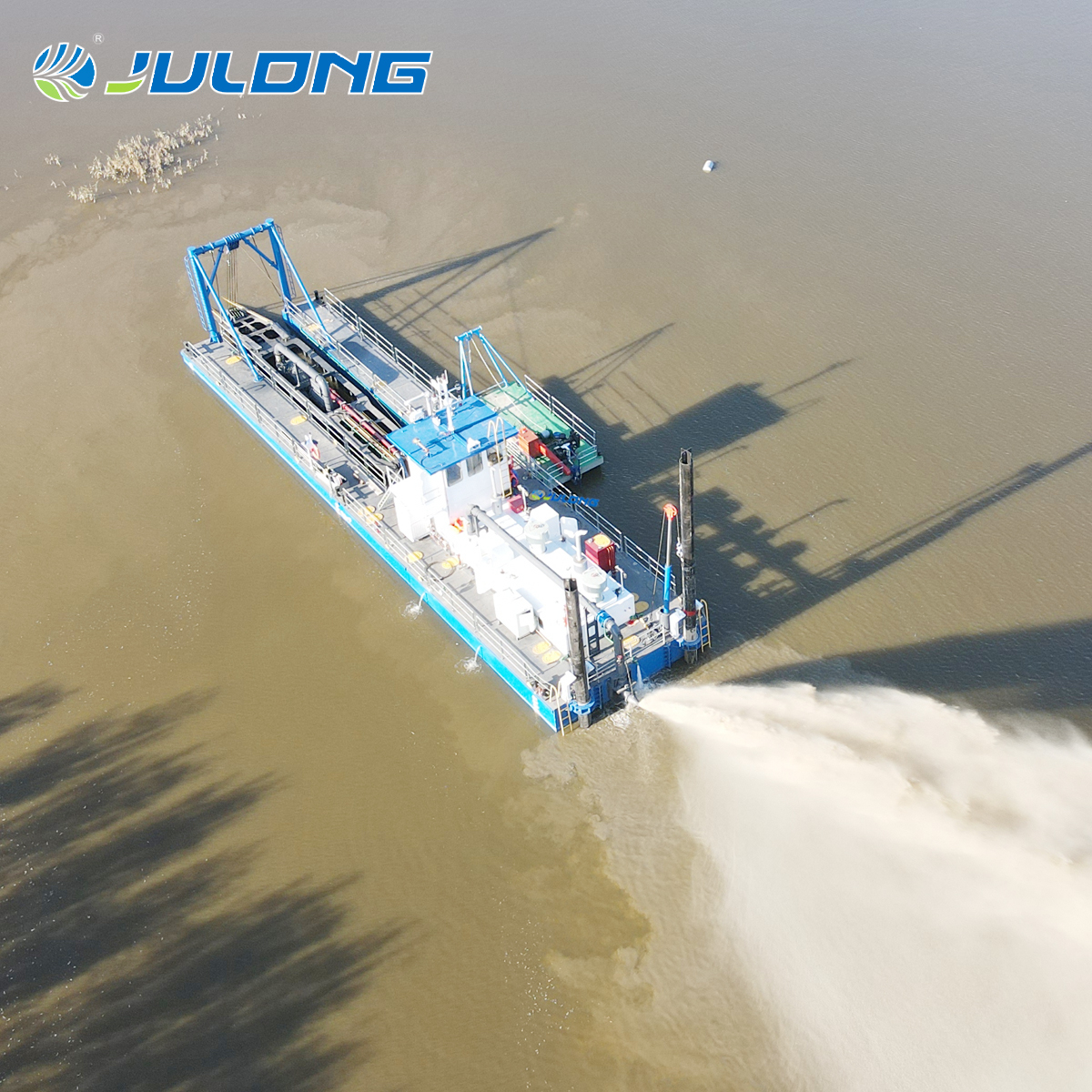
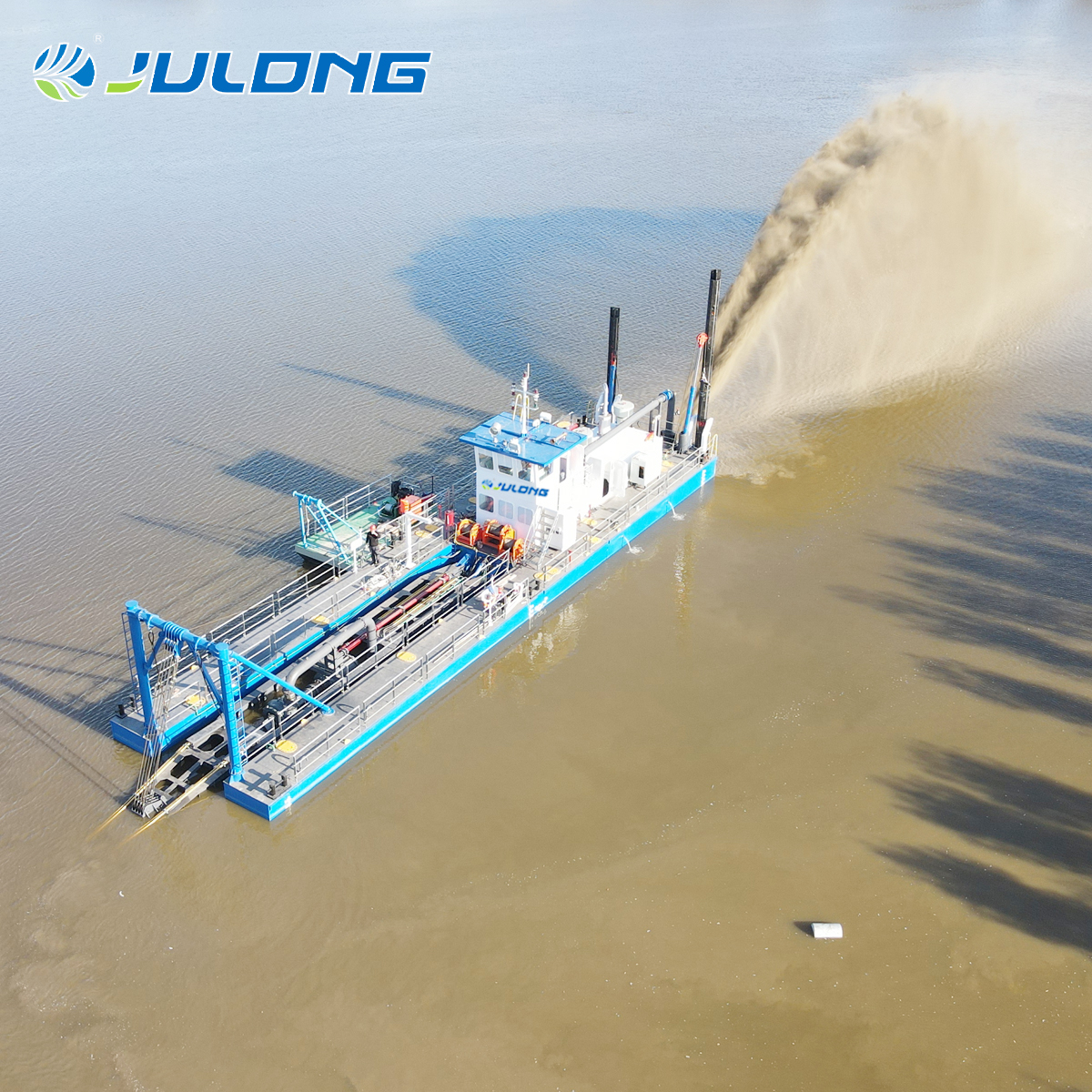
A bucket dredger is a specialized piece of equipment  designed  for  the efficient excavation and removal  of sediment  and  debris from bodies  of water such as  rivers, lakes,  and ports. B2B  buyers,  including purchasing  managers and project engineers, often  seek insights  into the key specifications, reliable suppliers, and installation guidance for  bucket dredgers. This  article will address these concerns while  also highlighting common  problems and solutions associated  with bucket dredgers, as well as the material advantages that  contribute to their long-term durability. Additionally, it's worth considering the use of an Aquatic Cleaning Boat for more efficient waterway management.

Finding Reliable Bucket Dredger Suppliers

Finding Reliable Bucket Dredger Suppliers

Identifying a trustworthy bucket  dredger supplier is  essential for  ensuring quality  and performance. Here  are some tips to facilitate the selection process:

Certifications: Look  for suppliers  with  relevant certifications, such  as ISO and CE. These certifications demonstrate adherence to international quality and safety standards.

Experience and Reputation: Research the  supplier’s experience in the industry. A manufacturer with a proven track record, like Qingzhou JULONG Environmental Technology Co., Ltd.,  which has served 93 countries, is more likely to offer reliable products.

Customer Reviews and Testimonials: Engaging with past clients or checking online reviews can provide insights into the supplier’s product quality and customer service.

After-Sales Support: A good supplier should offer comprehensive after-sales support, including maintenance services, spare parts availability, and technical assistance.

Customization Options: Ensure the  supplier  can accommodate specific customization  requests based on the buyer's unique project needs, such as modifications  to size or capacity.

By thoroughly evaluating potential suppliers based on  these criteria, buyers can secure a  reputable  partner for their bucket dredger needs.

Installation Guidance for Bucket Dredgers in Various Applications

Installation Guidance for Bucket Dredgers in Various Applications

Correct installation of bucket dredgers is vital for  maximizing efficiency and ensuring  safe operation. Here are some general guidelines for installation:

Site Assessment: Conduct a  thorough site evaluation to  understand the dredging environment, including water depth,  sediment type,  and potential obstacles.  This assessment will inform installation strategies.

Foundation Preparation: Ensure that the foundation  where  the dredger will be stationed can support its weight and operational  movements. A  stable base is crucial for preventing equipment tipping or sinking.

Assembly Instructions: Follow the manufacturer’s assembly instructions precisely. If unfamiliar with the assembly process, consider hiring a professional or  consulting with the supplier for  assistance.

Testing Before Operation: Once installed, perform a series of  tests to  confirm that all systems function correctly. Check hydraulic systems, power supply, and operational controls to ensure everything is in proper working order.

Training for Operators: Provide comprehensive training for operators on how to use the dredger safely  and effectively. Proper training can  prevent accidents and  equipment damage.

Each application may  have unique requirements, so tailoring the installation process to suit specific environments will  enhance operational success.

Understanding Common Problems with Bucket Dredgers and Solutions

Understanding Common Problems with Bucket Dredgers and Solutions

Bucket dredgers, while efficient,  may encounter various  operational issues. Here are some common problems and practical  solutions:

Clogging of Buckets: This can occur if the sediment is too thick or contains  large debris. Regularly inspect and clean the buckets to prevent build-up. Adjusting the dredging speed may  also alleviate this issue.

Hydraulic System Failures: Hydraulic systems can experience  leaks or pressure loss. Routine maintenance  and inspections  are crucial to identify  potential issues early. Using high-quality hydraulic fluids can also improve performance.

Wear and Tear of Components: Natural  wear over time can lead to reduced efficiency. Employing durable materials during the manufacturing  process, such  as high-strength steel, can prolong component life. Additionally, scheduling regular maintenance  checks can  catch issues before they escalate.

Operational  Misalignment: Misalignment can lead to increased wear and ineffective dredging. Ensure that  the dredger is level and properly aligned during operation. Training operators on correct operational techniques  can minimize this risk.

By being  aware of these common problems and implementing proactive maintenance and operational  strategies, buyers can maximize the lifespan and efficacy of their bucket dredgers.

Material Advantages of Bucket Dredgers for Long-Term Durability

The materials used in bucket dredgers  play a significant role in their performance and longevity. Here are  some material  advantages to consider:

Corrosion Resistance: Many bucket dredgers are constructed from materials that resist corrosion, such as stainless steel or  specialized coatings. This is particularly important for  dredging in saltwater environments, where  corrosion can significantly reduce lifespan.

High Strength-to-Weight Ratio: Advanced materials such as  high-strength steel provide the necessary durability while minimizing weight. This allows  for easier handling and greater operational efficiency.

Impact Resistance: The ability to withstand impacts from debris or rocks is  crucial for maintaining  operational integrity.  Using specially treated materials  can  enhance impact resistance  and extend the useful life of the dredger.

Customization of Material Properties: Depending on  the application, buyers can often request specific material configurations that  suit their operational environment, such as enhanced  wear resistance for heavy sediment areas.

Selecting bucket dredgers made with high-quality materials ensures that they can withstand harsh  conditions and deliver reliable  performance over time, making them a  sound investment for any dredging project. Furthermore, considering options like a Multi-Function Work Boat can also provide additional versatility for various projects.

Key Specifications to Evaluate in a Quality Bucket Dredger

When  assessing bucket dredgers, several key specifications should be evaluated to ensure optimal performance and suitability for specific applications. Important specifications include:

Bucket Capacity: This affects the volume of material that can be dredged in  one  cycle. Larger  capacities may be suitable for extensive projects, while smaller capacities can be appropriate for more delicate operations.

Dredging Depth: Understanding  the maximum  dredging depth  is critical. This specification will dictate whether the dredger can perform effectively in the intended environment and how it can navigate varying water levels.

Power Requirements: The engine power  and type (diesel or electric) influence the performance and efficiency of  the dredger. Buyers should consider the availability  of  fuel sources  in their operational areas.

Material Composition: The construction  materials used  in the bucket  dredger, such as high-strength steel or corrosion-resistant alloys, impact durability and maintenance needs.

Mobility and Size: Depending on the project site, the dredger's size and mobility features (e.g., amphibious capabilities) can be crucial  for  accessing challenging  locations.Amphibious Equipment can also enhance the versatility of dredging operations.

Evaluating these specifications helps buyers select a bucket dredger that meets their operational requirements and ensures effective and efficient  dredging.

Frequently Asked Questions

What is a bucket dredger used for?

A bucket dredger excavates and removes sediment from rivers, lakes, ports and channels to maintain depth, improve navigation, and support construction or environmental projects.
We offer a range of bucket dredgers with varying bucket sizes and lifting capacities tailored to project needs. Specific specs depend on site requirements; contact us for customized options.
Yes. Our bucket dredgers are manufactured in an ISO/CE certified facility and meet international quality and safety standards.
Yes. Our designs include models optimized for shallow, confined, and inland water operations such as rivers, lakes, and small ports.
Yes. We provide installation guidance, operator training, spare parts supply, and technical support to ensure efficient long-term operation.

Get a Free Quote

Our representative will contact you soon.
0/1000