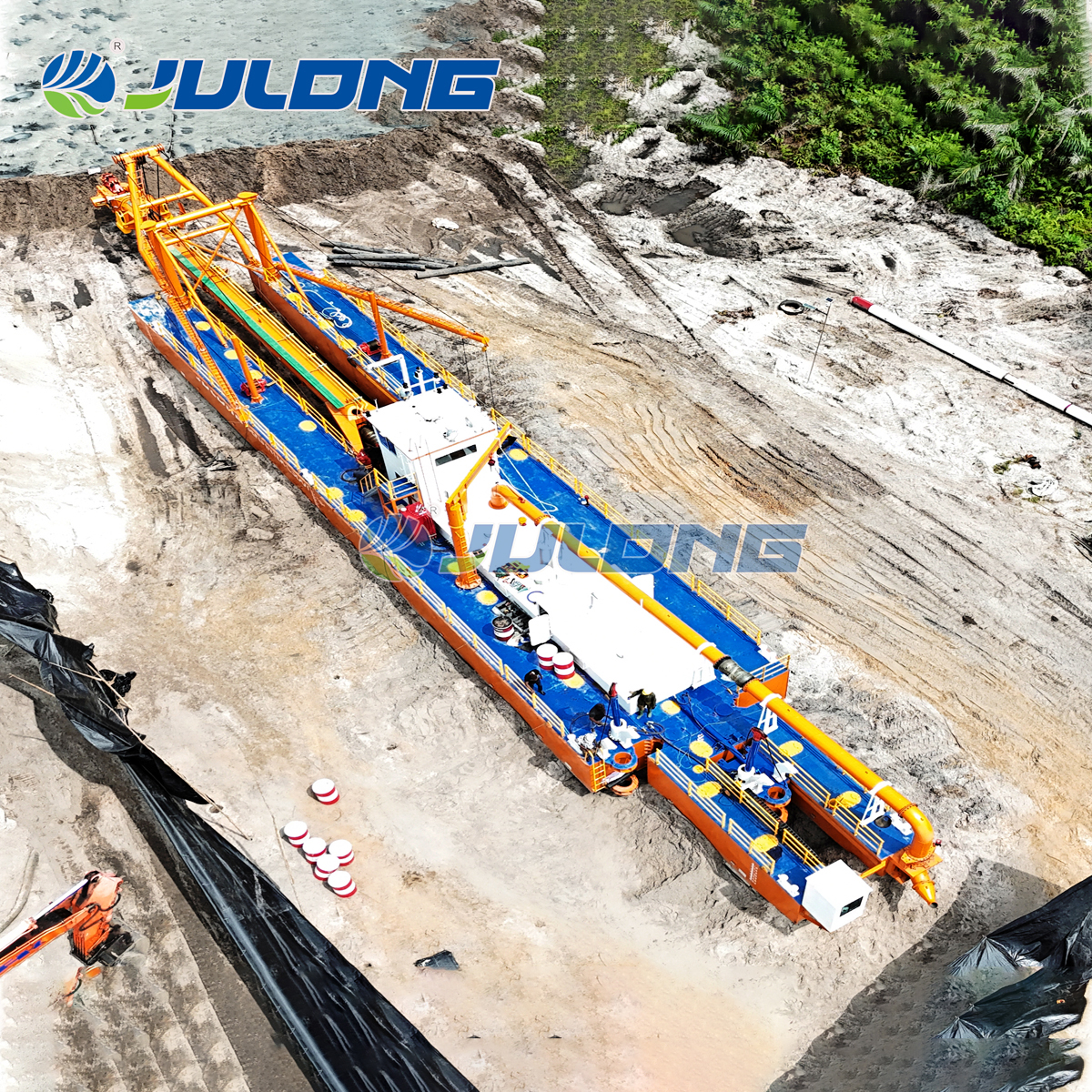
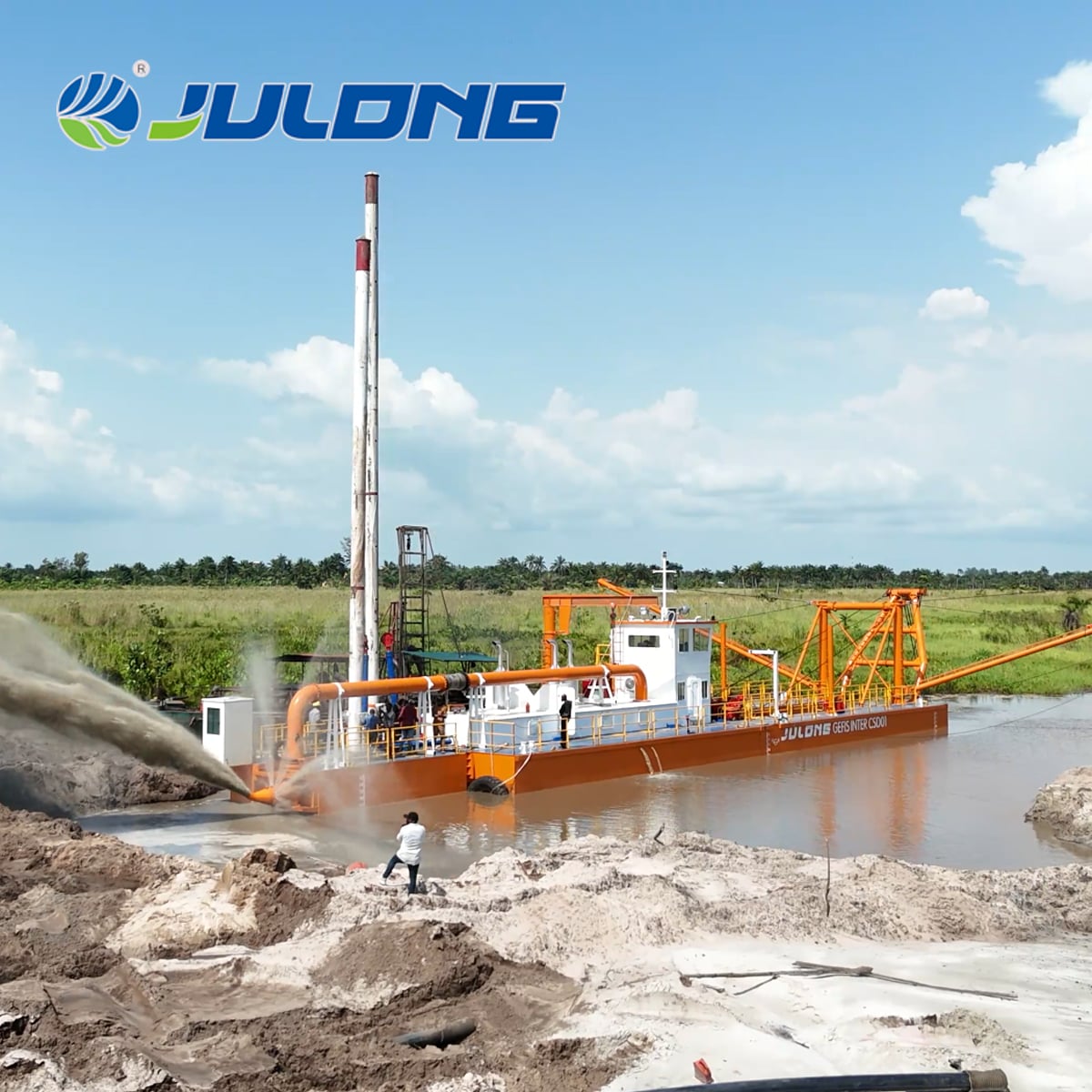
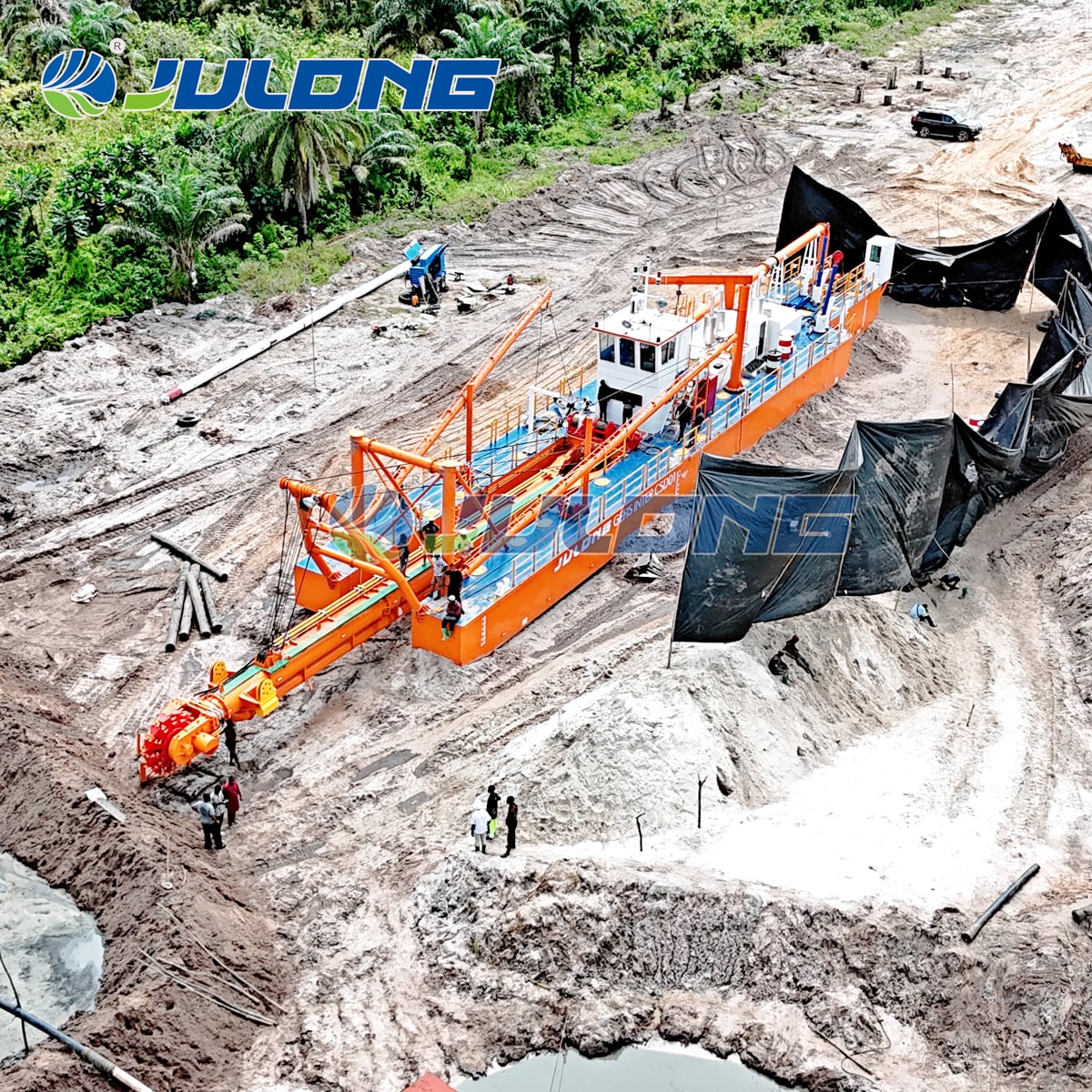
Key Specifications of Bucket Line Dredges

application/bucket-line-dredge, application/bucket-line-dredge, 
Inquiry
Inquiry

bucket line dredge

In the world of dredging, the bucket line  dredge  stands out  as  a  vital tool for efficiently excavating sediment  from rivers,  lakes, and ports. These specialized machines  are designed for heavy-duty  applications, making them essential for  contractors and  project managers in the environmental  and  construction sectors. This article aims to address common concerns B2B buyers have,  such  as  product specifications, quality evaluation, and sourcing strategies, while providing  insights that  will help ensure informed purchasing  decisions.

 
How to Evaluate the Quality of Bucket Line Dredges

How to Evaluate the Quality of Bucket Line Dredges

Quality evaluation of bucket line dredges is paramount to  ensure  reliability and performance  on the job.  Here are several factors to consider:

Certifications: Verify that the dredge meets international  standards such as ISO and CE certifications. These certifications indicate  that  the product has undergone rigorous testing  for safety and  performance.


Manufacturing Process: Understanding the manufacturer's  production capabilities is essential. A  reputable supplier should have modern manufacturing equipment and a clear quality control process to ensure that each dredge meets specified standards.

Material Quality: Examine the materials used in the dredge's construction. High-quality steel and corrosion-resistant coatings can significantly  extend the lifespan of the equipment, reducing maintenance costs.

Performance  Testing: It is advisable to request performance data or  case studies that demonstrate the  dredge's operational success in similar applications. This firsthand evidence can provide insights into the product's reliability in the field.

By focusing on these quality indicators, wholesale buyers can make informed decisions that  minimize potential risks  associated  with  equipment failure.

Sourcing Your Bucket Line Dredge Wisely

Sourcing Your Bucket Line Dredge Wisely

Sourcing a bucket line dredge requires careful consideration to  ensure you are getting  a product  that meets your specifications while  also providing value. Here are practical  steps to follow:

Research Suppliers: Start by identifying reputable suppliers with a proven track record in the industry. Look  for companies that specialize in dredging equipment and have a wide customer base.

Request Quotations:  Prepare a detailed request for quotation (RFQ) that includes information  on the desired specifications,  quantity, delivery timelines, and any customization requirements. This will help suppliers provide accurate pricing and lead times.

Evaluate Customization Options: Depending on your project's needs, it may be necessary to  customize certain features  of the dredge. Discuss these options with the supplier to understand their capabilities and costs involved.

Check  References: Don’t  hesitate  to ask for references  or testimonials from previous clients. This can provide insights into the supplier's reliability and  the performance of  their equipment.

By taking these steps, buyers can ensure they source a bucket  line dredge  that best fits their  operational needs while also establishing a trustworthy supplier relationship. Additionally, exploring options like the Multi-Function Work Boat can provide added versatility in your operations.

Applications of Bucket Line Dredges in River and Lake Projects

Applications of Bucket Line Dredges in River and Lake Projects

Bucket line dredges  are versatile  machines commonly used in various applications related to river  and lake projects. Key applications include:

Sediment Removal: One of the primary uses of bucket line dredges is to  remove sediment build-up in rivers and lakes, which can improve navigability and water quality.

Contamination Cleanup: These dredges are effective  in  environmental remediation  projects, where contaminated sediments need to be removed to restore natural habitats or comply with environmental regulations.

Infrastructure  Development: In port and marina construction,  bucket line dredges are  utilized to create and  maintain navigable channels, ensuring safe passage for vessels.


Flood Prevention: By  regularly dredging  rivers and lakes, sediment accumulation  can be  controlled, reducing  the risk of flooding in surrounding areas.

Each application highlights  the importance of selecting  the right dredge for specific tasks, as the  efficiency and success of the project can depend heavily on the equipment used.

Choosing the Right Bucket Line Dredge for Diverse Project Needs

Selecting the appropriate bucket line dredge involves a thorough assessment of your project requirements. Here  are several considerations:

Project Scale:  Determine the scale of your projects. Larger projects may require dredges with bigger buckets and greater digging  depth,  while smaller projects can  be  managed with more compact models.

Operational Environment: Consider the specific conditions in which the dredge  will operate. Environments  with heavy silt or clay may necessitate a more robust design compared  to cleaner water bodies.

Performance Requirements: Identify the performance metrics that are critical for your operations, such as  the required dredging speed and material  handling capacity.  Discuss these with potential suppliers to find a model that meets your criteria.

Total Cost of Ownership: Evaluate  not just the  initial purchase price but also ongoing maintenance costs, operational efficiency,  and  longevity of the dredge. A higher upfront  investment can be justified  if it leads to lower overall costs in the long run.

By carefully considering these factors, buyers can  select a bucket line dredge that aligns  with their project goals, ensuring efficiency and cost-effectiveness in their dredging operations.

Key Specifications of Bucket Line Dredges for Wholesale Buyers

When considering a bucket line dredge, several key specifications must be evaluated to ensure optimal performance for your specific projects. Key  specifications  include:

Bucket Size and Capacity: The size of  the bucket directly impacts the dredging efficiency and the amount of material that can be excavated in a single pass. Common sizes range from 0.5 cubic meters to over  2 cubic meters, depending on the dredge's design and intended use.

Digging Depth: This specification  indicates how deep the dredge can operate effectively. Dredges typically offer varying operational depths, often ranging from 5  meters to over 20 meters. Ensure that  the dredge can  reach the required depth  for your project.

Power Source: Most  bucket line dredges operate on diesel  engines or electric motors. The choice of power source affects fuel efficiency and operational costs, as well  as maintenance requirements.

Material Construction: Durability is critical in dredging applications. Look for  dredges made from high-strength steel or  other materials that can withstand abrasive conditions and  prolonged exposure to water. For enhanced performance, consider exploring an Amphibious Equipment designed for diverse environments.

These specifications play a  crucial role in determining  how  well a bucket line dredge will meet  your project's needs. Buyers should always request detailed technical sheets from manufacturers to compare models  effectively.

Frequently Asked Questions

What is a bucket line dredge used for?

A bucket line dredge is used for continuous excavation and removal of sediment from rivers, lakes, and ports to deepen channels, reclaim land, and maintain waterway navigability.
We offer multiple sizes and bucket capacities to suit project needs, from small river work to large port dredging. Specifications are tailored based on depth, soil type, and production requirements.
Our dredges are built in a 12,000 m² facility and comply with ISO and CE standards, ensuring durable construction, reliable performance, and safety compliance.
Yes. We offer delivery, on-site installation guidance, operator training, spare parts supply, and technical support to ensure optimal operation and uptime.
Yes. The design handles a variety of materials—silt, sand, clay, and mixed soil. We assess site conditions to recommend appropriate bucket types and power configurations.

Get a Free Quote

Our representative will contact you soon.
0/1000