Choosing the Right Bucket Wheel Dredge

application/bucket-wheel-dredge, application/bucket-wheel-dredge, 
Inquiry
Inquiry

bucket wheel dredge

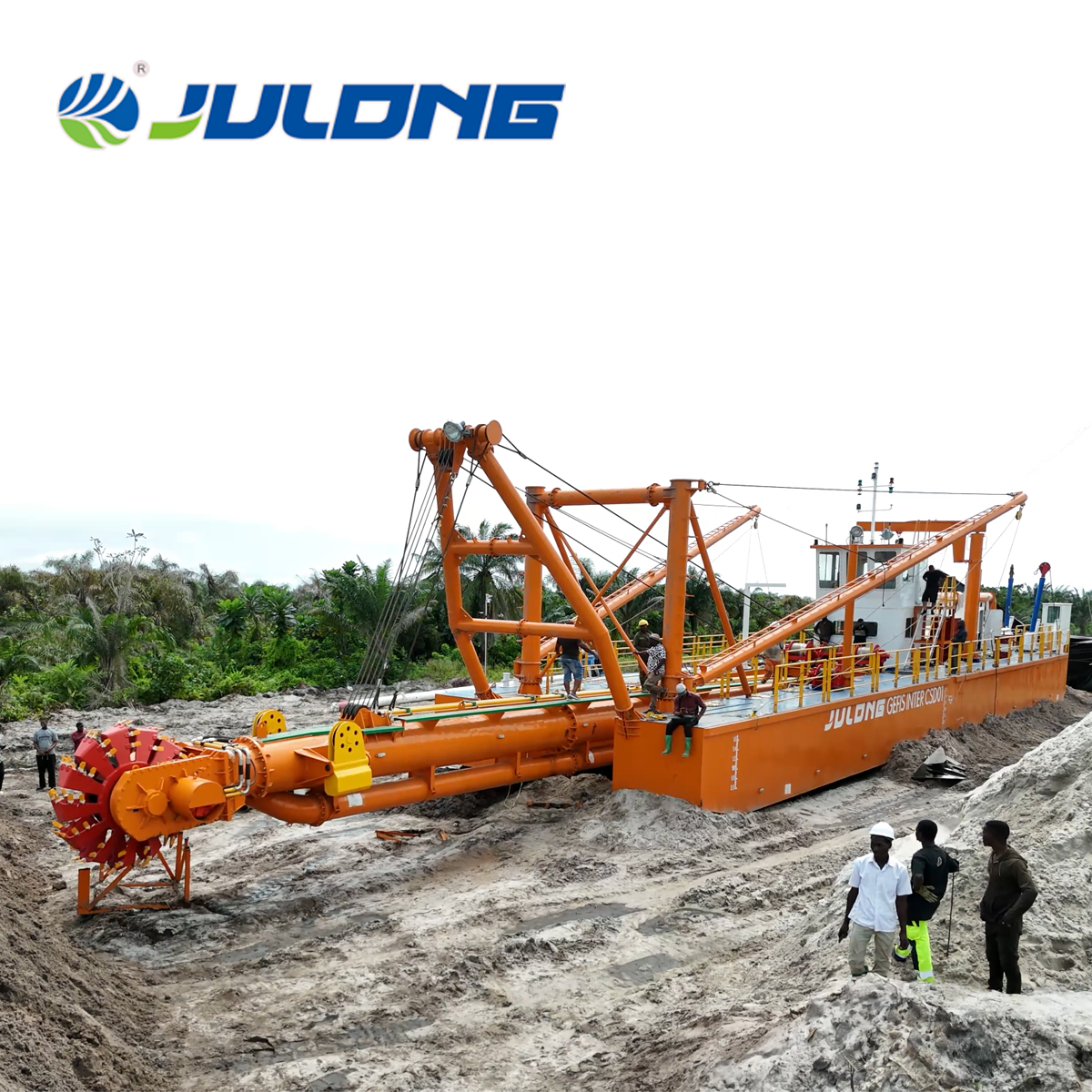
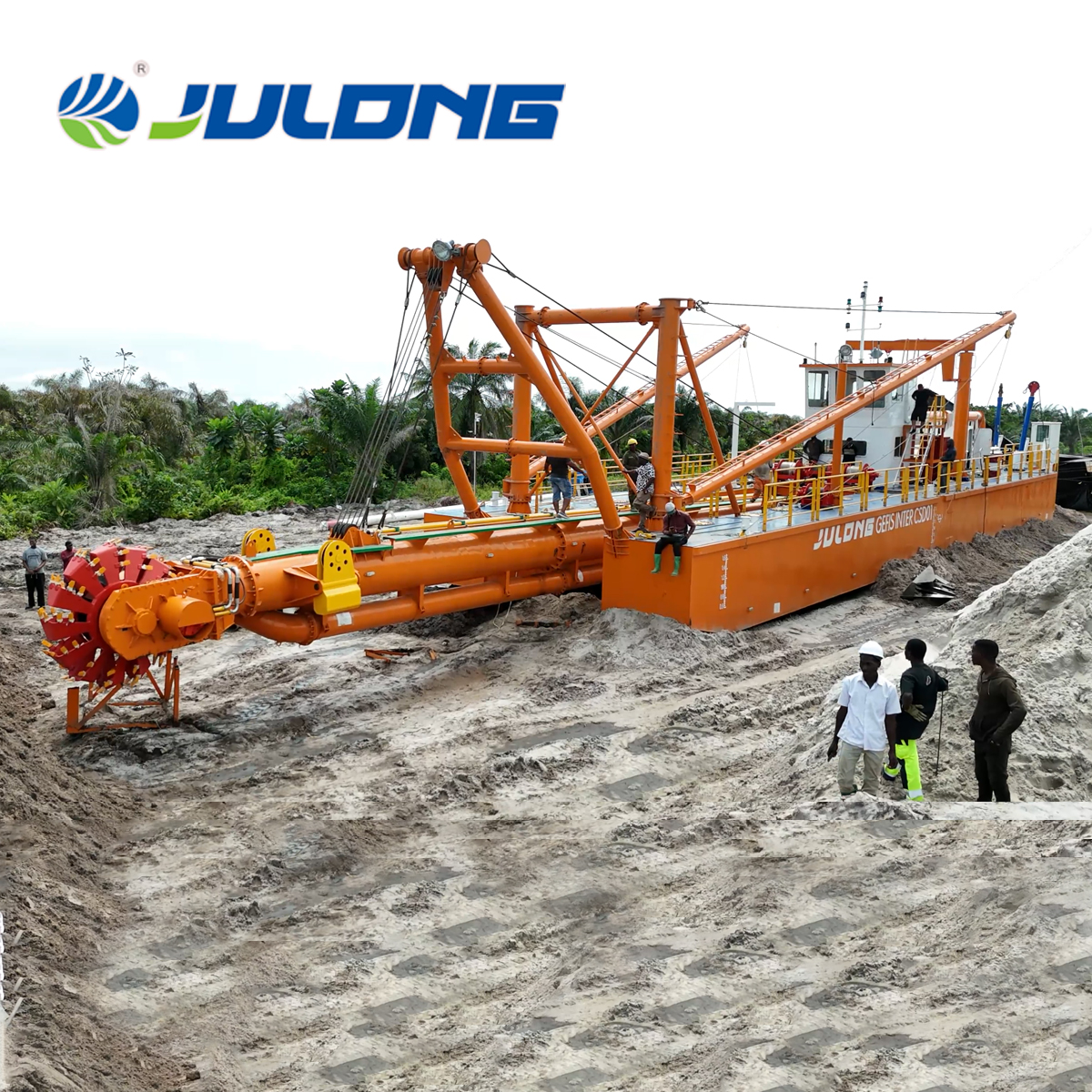
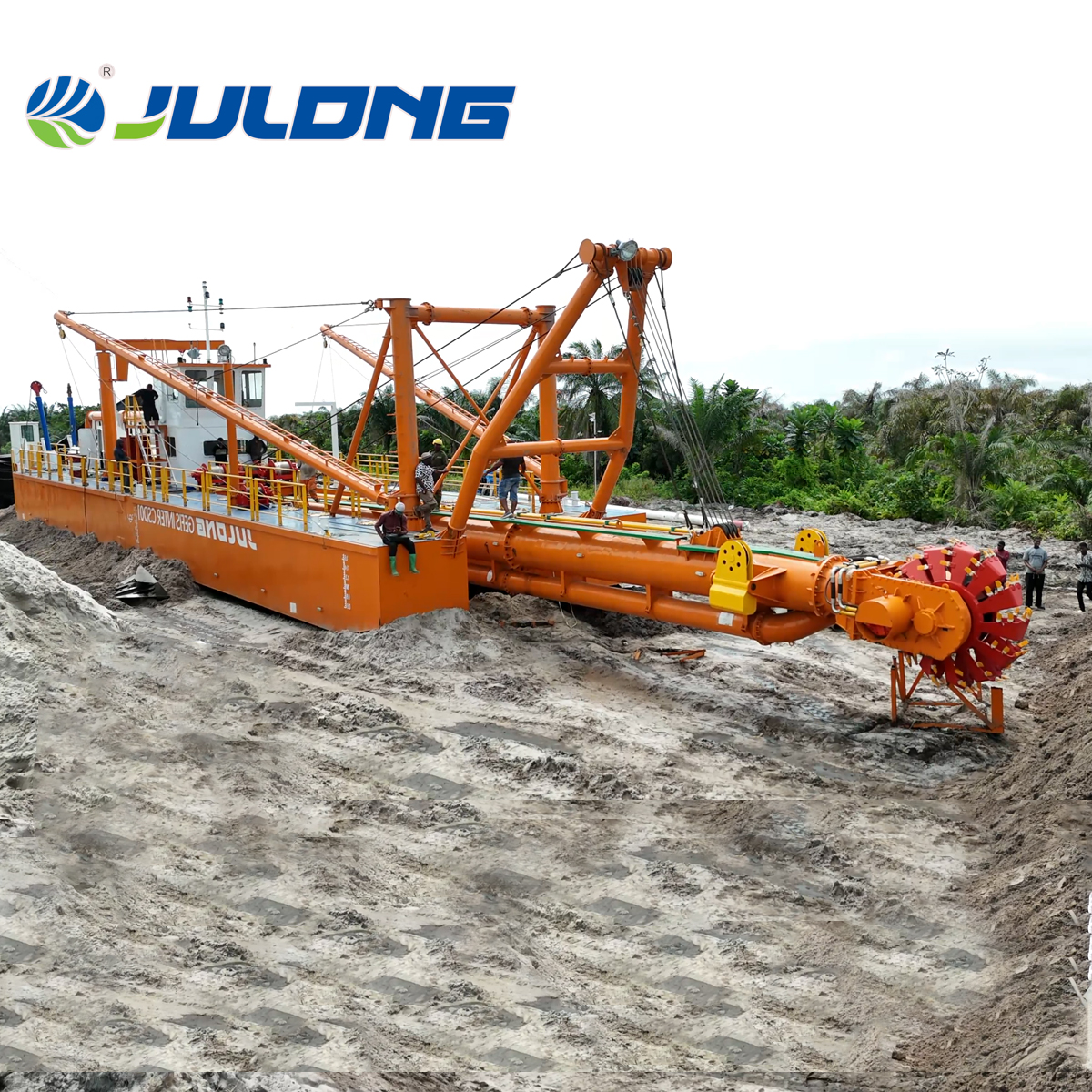
A bucket  wheel dredge is a specialized piece of heavy equipment designed for continuous excavation and material handling  in various dredging applications, such  as river, lake, and port projects. B2B buyers  in this  sector often prioritize  durability, efficiency, and  adaptability to specific  project needs. , we will explore how to choose the right  bucket wheel  dredge,  what sets Qingzhou  JULONG  Environmental Technology Co.,  Ltd.  apart, key  criteria to consider, common  issues  and solutions, and  how to maximize the value of your investment.

 
Why Qingzhou JULONG Stands Out in Dredging

Why Qingzhou JULONG Stands Out in Dredging

Qingzhou  JULONG Environmental Technology Co., Ltd. is a  recognized  leader in  the dredging equipment industry, with a specialization  in cutter suction dredgers, amphibious dredgers, and  excavators. The company’s commitment  to quality and innovation helps it serve clients in 93 countries effectively.

Certifications and Standards: With ISO and CE certifications, Qingzhou JULONG adheres to international quality standards, ensuring that their bucket wheel dredges  are reliable and efficient.

Manufacturing Expertise: The company operates a state-of-the-art manufacturing facility covering 12,000 square meters, equipped with  advanced  production equipment. This capability allows  for high-quality output  and precise  customization of dredging solutions.


Global Experience: Operating in diverse  markets  worldwide, Qingzhou JULONG has gained  valuable insights into varied dredging applications,  which informs their design and  manufacturing processes.

 
Important Criteria

Important Criteria

When evaluating bucket wheel dredges, several critical criteria should be considered:

Performance  Specifications:  Investigate the dredge’s operational capacity, including its maximum dredging depth and the volume of material it can handle  per  hour.  This information is vital for understanding  how well  the dredge can meet your project demands.

Durability and Materials: The construction materials of the dredge  affect its longevity and maintenance needs.  High-quality steel and corrosion-resistant materials are essential for dredges operating in harsh environments.

Maintenance and  Support: Consider the maintenance requirements of the  dredge. A design that allows for easy access to components can significantly reduce downtime. Additionally,  inquire about  the manufacturer's  support services, including spare parts availability and  technical assistance.

Cost Efficiency:  Evaluate not just the upfront cost, but the long-term operational  costs, including maintenance, fuel consumption,  and  potential downtime. An efficient dredge may have  a higher initial price but could offer better value over its lifespan.

Common Problems with Bucket Wheel Dredges and Their Solutions

Common Problems with Bucket Wheel Dredges and Their Solutions

While  bucket wheel  dredges are designed for robust performance, they can encounter several common issues:

Clogging: Material buildup can cause clogs  in the bucket wheel or  discharge  lines. Regular maintenance and monitoring of material flow can mitigate  this  issue.  Implementing a monitoring system can help detect clogs early.

Wear and Tear: Continuous operation can  lead to  wear on buckets and other components. Regular inspections and timely replacement of worn parts will ensure optimal performance.  Using high-durability materials can also extend the lifespan of critical components.

Hydraulic System Failures: Hydraulic issues may arise  from leaks or pressure drops. Regular checks on the hydraulic system and using quality hydraulic fluids  can  help prevent  these failures.

Operational Inefficiency: If  the dredge is not calibrated correctly for the specific material or depth,  it may operate inefficiently. Ensuring proper training  for operators and regular performance evaluations can enhance operational  efficiency.


Maximizing Value

To maximize the value  of your bucket wheel dredge investment, consider the following strategies:

Comprehensive Training: Ensure that  operators are thoroughly trained on the dredge’s capabilities and  maintenance  procedures. Knowledgeable operators can significantly enhance performance and reduce the likelihood of operational issues.

Regular  Maintenance: Implementing  a  proactive maintenance schedule can prevent unexpected breakdowns and extend the life of the dredge. Keeping a detailed log of maintenance activities helps track  performance and identify areas for improvement.

Utilization of  Technology: Leverage technology for monitoring  dredge performance and material flow.  Advanced monitoring  systems can provide real-time data, allowing for  timely adjustments and interventions.


Supplier Relationship: Building a strong relationship with your supplier, such as Qingzhou JULONG, can provide access to insights about  best  practices in dredging, as well as opportunities for upgrades or new technologies  as  they become  available. Moreover, considering options like the Multi-Function Work Boat could enhance your operational capabilities.

By carefully considering these aspects, B2B buyers can make informed decisions that align with their project goals while ensuring effective and efficient  dredging operations.

How to Choose the Right Bucket Wheel Dredge for Your Project Needs

Selecting the right bucket wheel dredge involves understanding the specific requirements of your project. Key factors include the type of material to be dredged, the required dredging depth, and the project's environmental conditions. For projects involving water, the use of an Aquatic Cleaning Boat can complement the dredging process effectively.

Material Handling: Determine  the type of material  you will be dredging—whether it’s sand,  gravel, silt, or clay—as this  affects the dredge's design and performance. For  instance, a dredge designed  for heavy  clay may require a more robust bucket  system compared to  one used for lighter materials.


Dredging Depth: Assess the  required dredging depth  for your project. Bucket wheel dredges come with different operational depths, so  it’s crucial to match  the dredge’s capabilities with your project specifications.

Mobility and Size: Consider  the dredge's  size and mobility, especially if the  project site has limited access. Amphibious dredgers may be beneficial for shallow water environments, while larger bucket  wheel dredges can handle more extensive operations. The Amphibious Equipment can provide significant advantages in such scenarios.

Customization Options: Evaluate if the  dredge can be customized to meet specific requirements, such as bucket size or operational speed. Qingzhou JULONG offers various configurations  that can be tailored to suit different applications.

Frequently Asked Questions

What is a bucket wheel dredge used for?

A bucket wheel dredge is used for continuous excavation and removal of silt, sand, and sediments from rivers, lakes, and ports to maintain navigable channels and support reclamation projects.
We offer customizable bucket wheel dredges with varying wheel diameters, hopper capacities, and excavation depths to meet project-specific requirements on rivers, lakes, and ports.
Our equipment is manufactured in a 12,000 m² facility and meets ISO and CE certification standards to ensure safety, durability, and reliable performance.
Yes. Our designs include adaptations for shallow water and soft sediment, such as adjustable cutting heads and hull configurations for stable, efficient operation.
We provide installation guidance, operator training, spare parts supply, and remote or on-site technical support to ensure long-term performance across 93 served countries.

Get a Free Quote

Our representative will contact you soon.
0/1000