Understanding Dredging: Equipment and Budgeting Guide

application/what-is-dredging, application/what-is-dredging, 
Inquiry
Inquiry

What is dredging

Dredging is a critical process in various industries, involving the removal of sediments and debris from the bottom of water bodies such as rivers, lakes, and ports.  Understanding what dredging is and how to select the cutter suction dredgers right equipment can be pivotal for purchasing managers and project engineers. This article delves into essential considerations for sourcing dredging solutions, key specifications to evaluate, and comparisons between different types of dredgers to help buyers make informed decisions. 

Key Specifications to Evaluate When Sourcing Dredging Solutions

Key Specifications to Evaluate When Sourcing Dredging Solutions

When sourcing dredging equipment, specific technical specifications should be meticulously evaluated to ensure suitability and performance. Key specifications include: 

Pump Capacity: Measured in cubic meters per hour (m³/h), this indicates how much material can be moved. Ensure the pump capacity meets your project's demands. 

Cutting Depth: For cutter suction dredgers, the maximum cutting depth is crucial. It determines the dredger's ability to reach different sediment layers. 

Power Requirement: Understand the engine power and type, as this influences fuel consumption and operational efficiency. 

Material Type: The dredger must be compatible with the cutter suction dredgers sediment type sand, silt, or clay affecting the choice of equipment. 

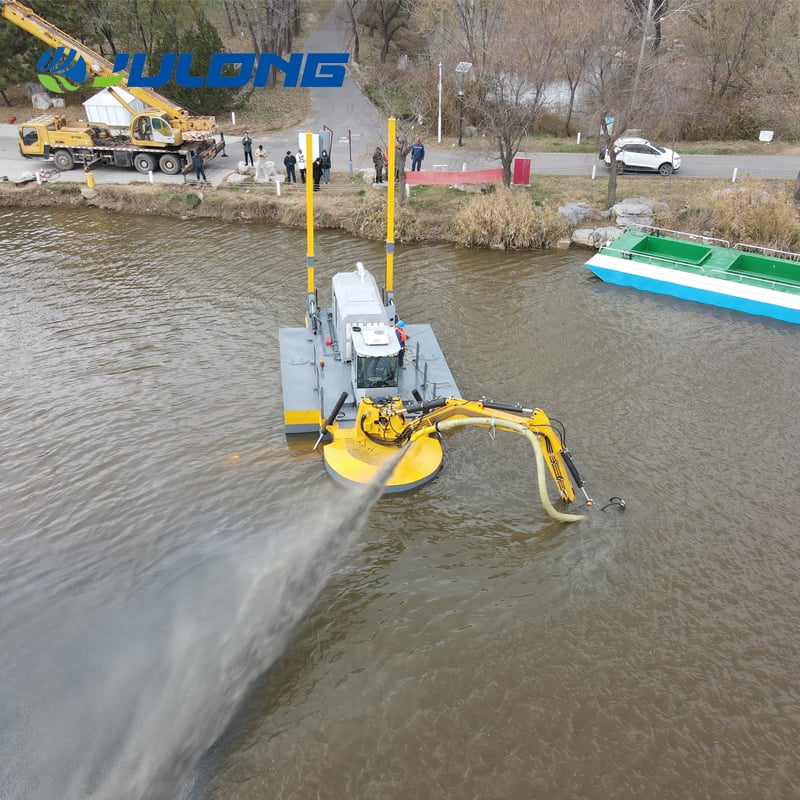
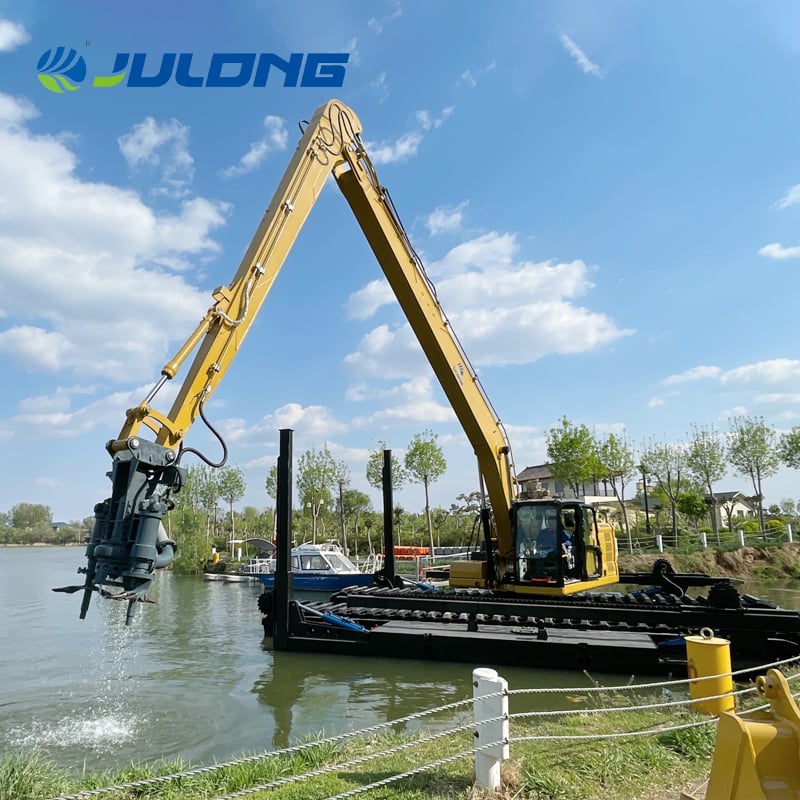
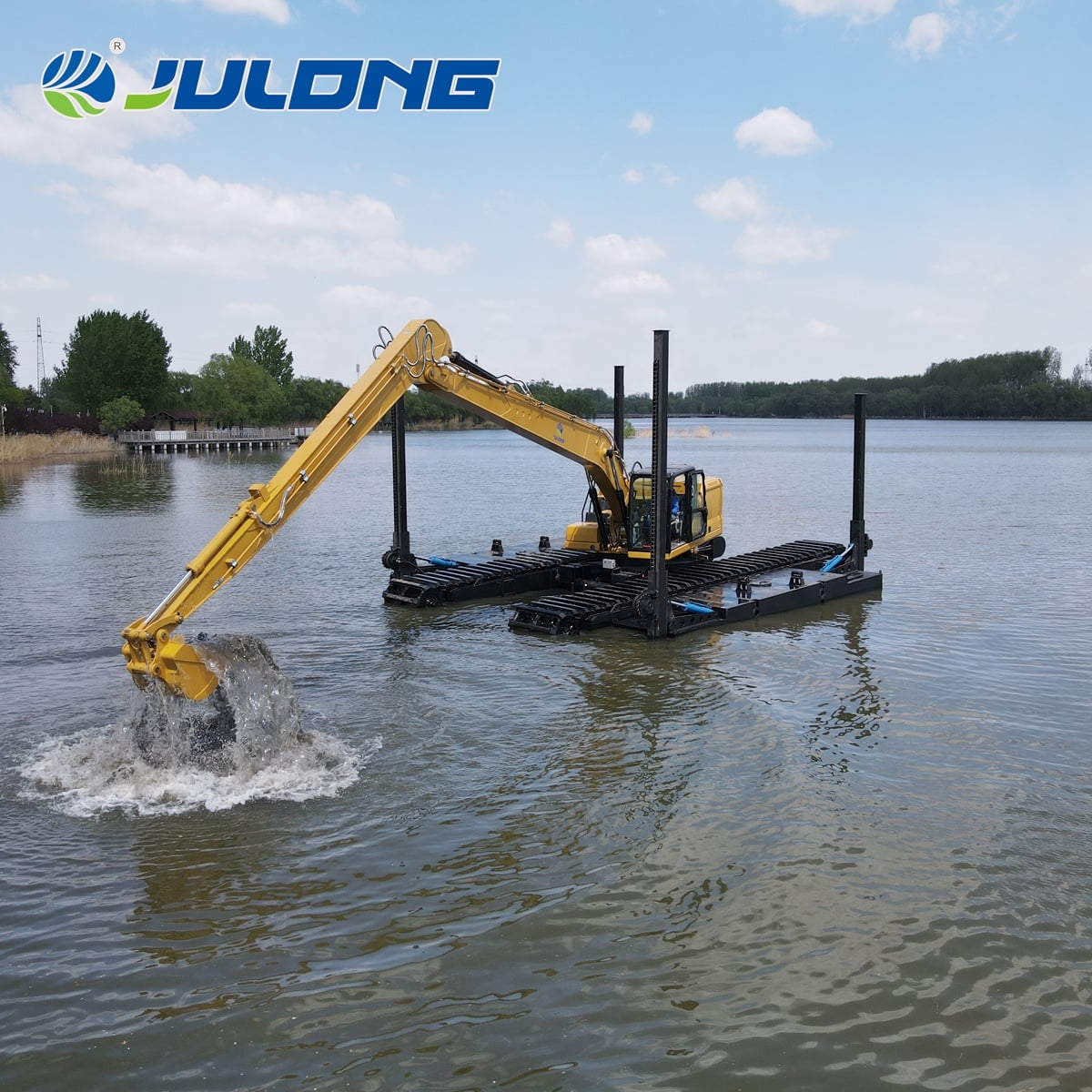
Mobility: Consider whether the dredger needs to be transported between sites. Amphibious dredgers offer enhanced mobility in shallow or marshy conditions. 

Evaluating these specifications allows buyers to make informed comparisons and ensures that the selected equipment meets project requirements. 

Cutter Suction vs. Amphibious Dredgers

Cutter Suction vs. Amphibious Dredgers

Cutter suction dredgers and amphibious dredgers serve different purposes and are suitable for distinct applications. Here's a breakdown of their differences: 

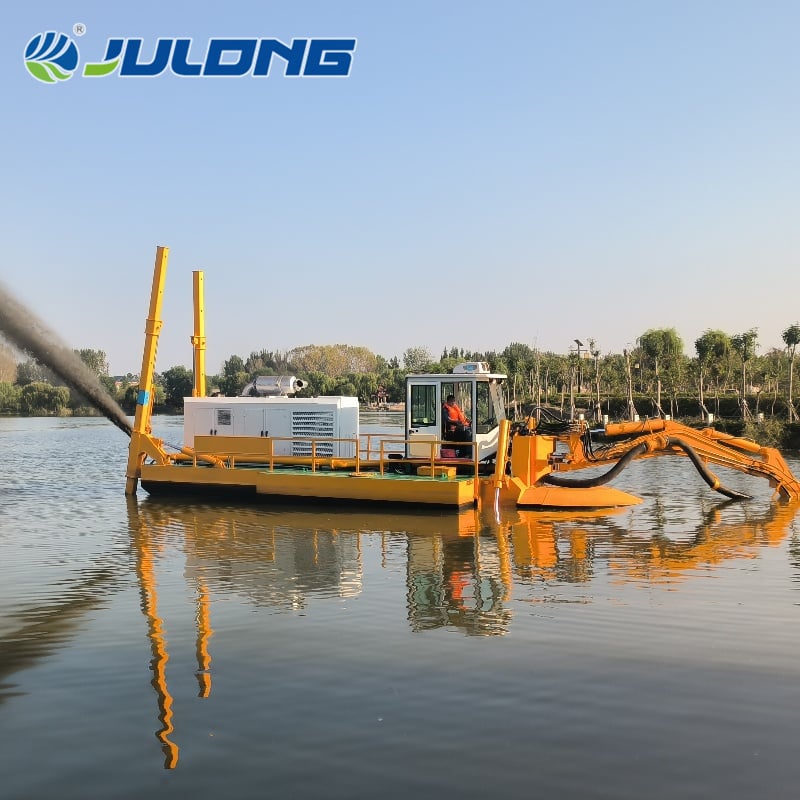
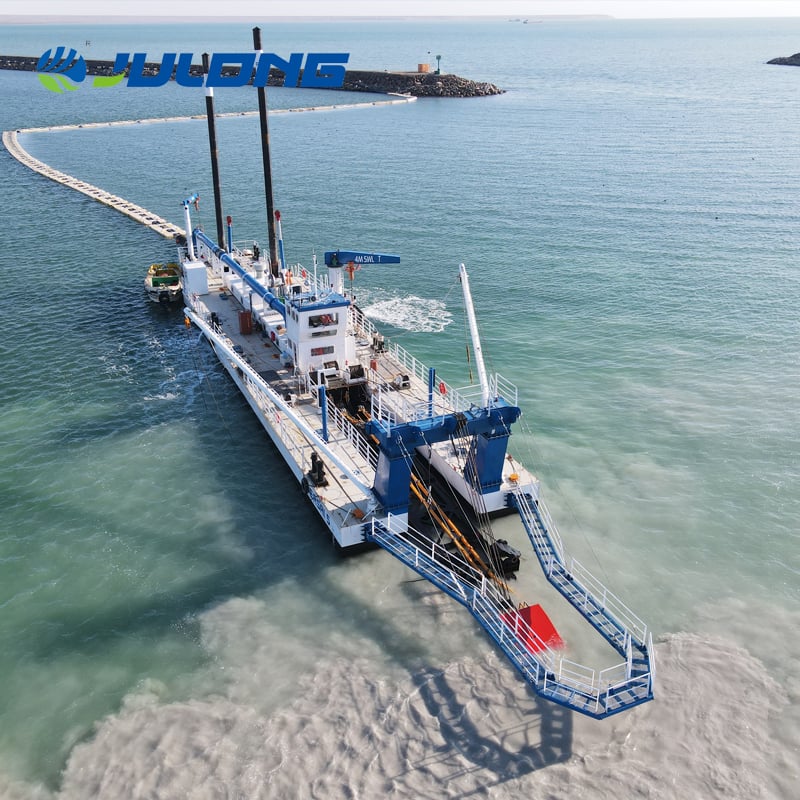
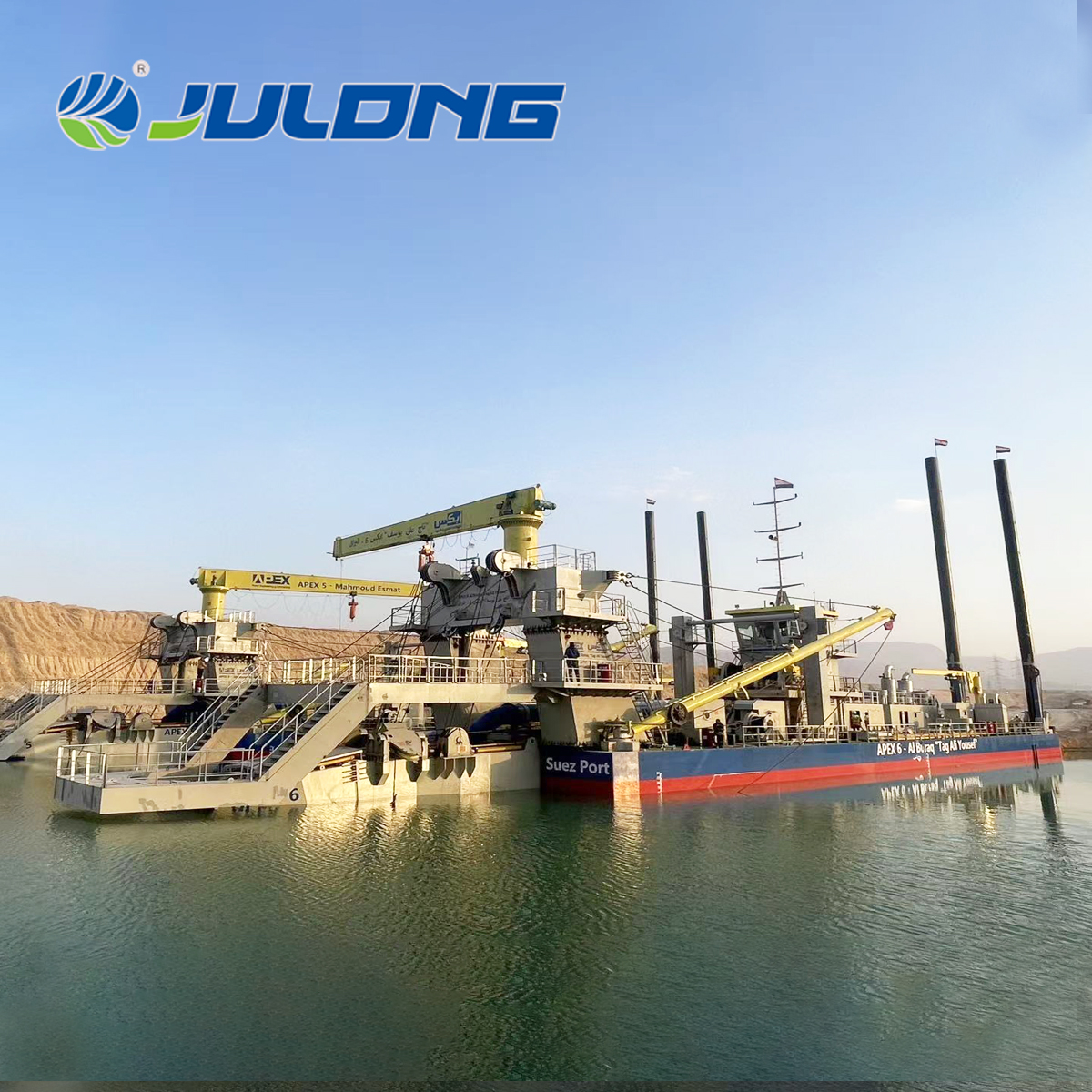
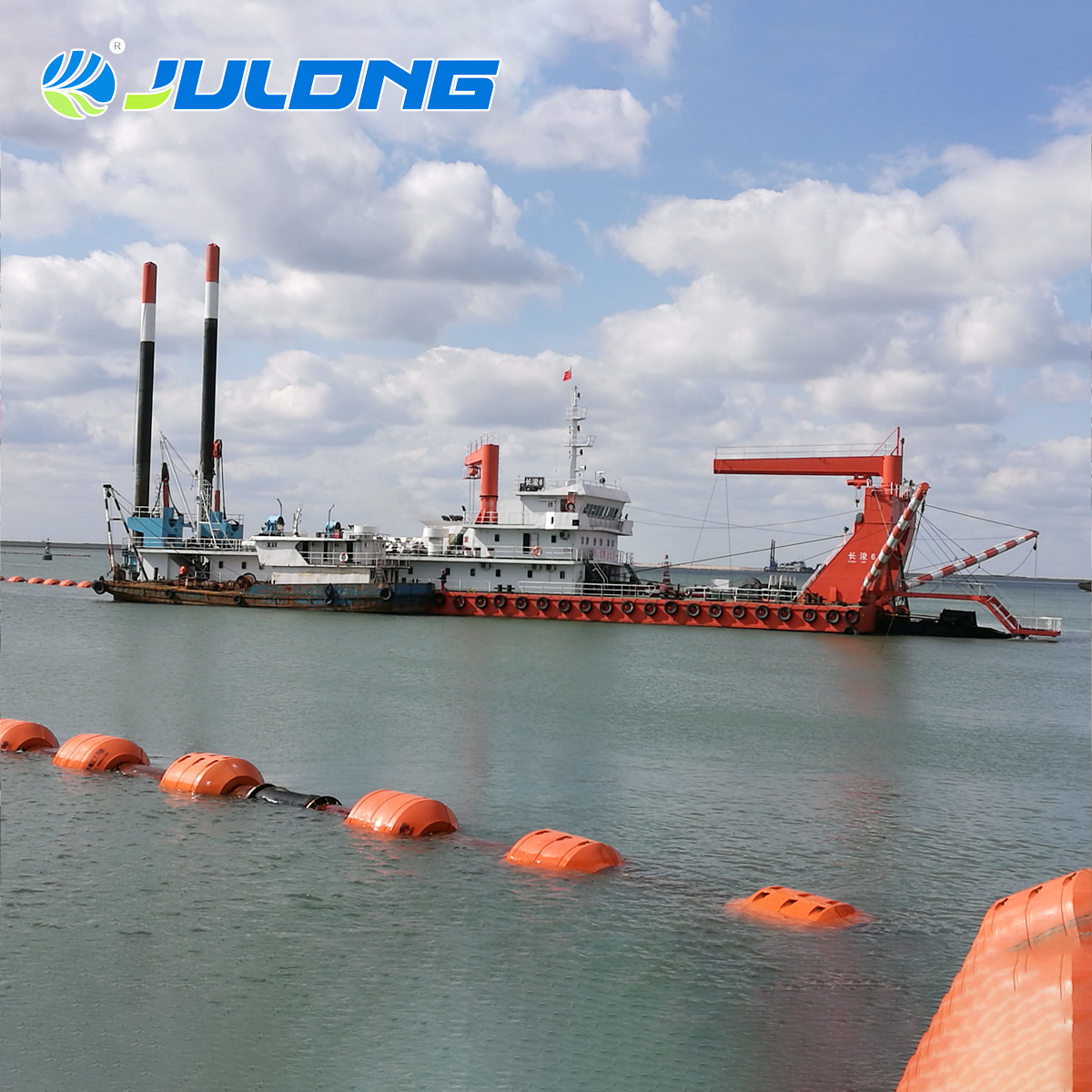
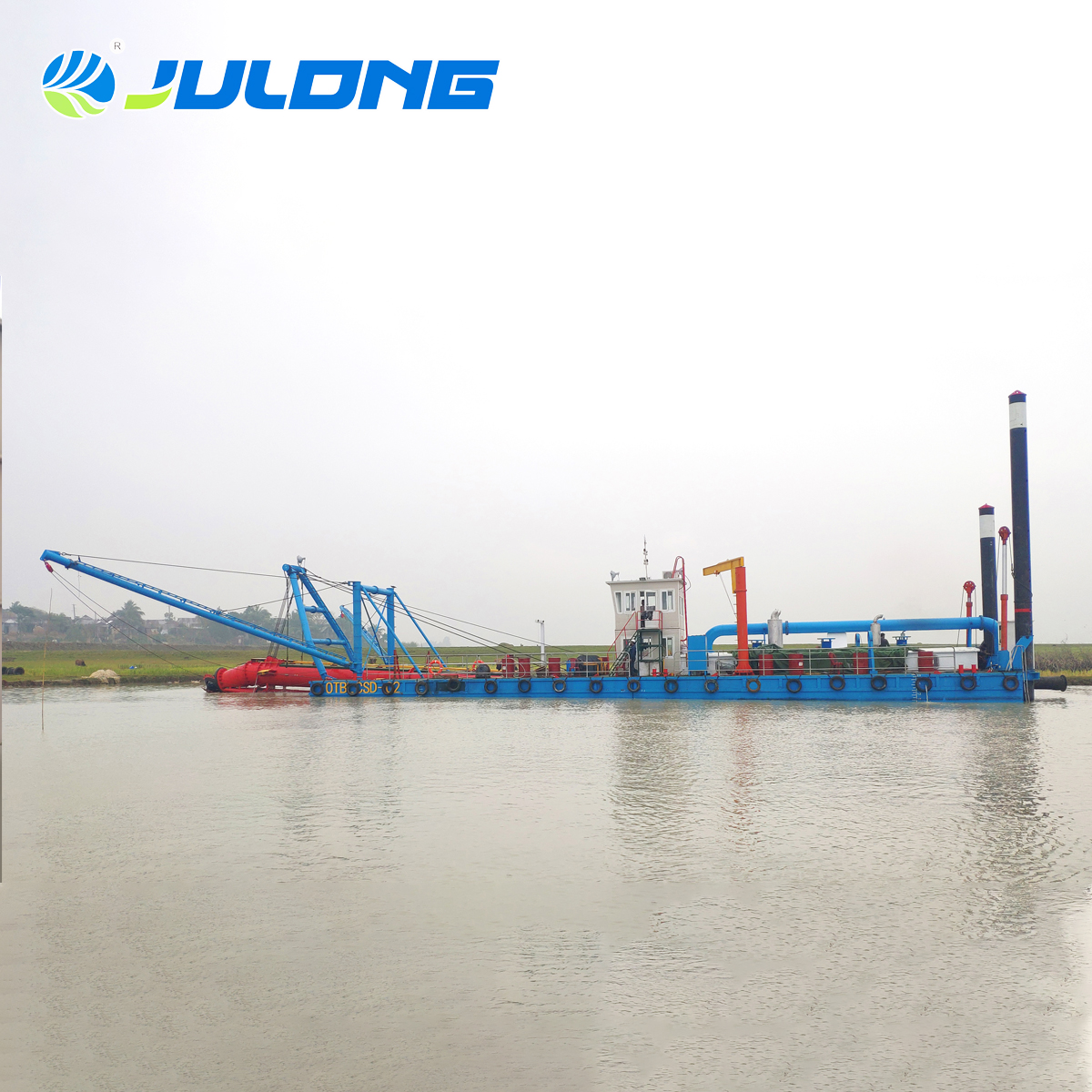
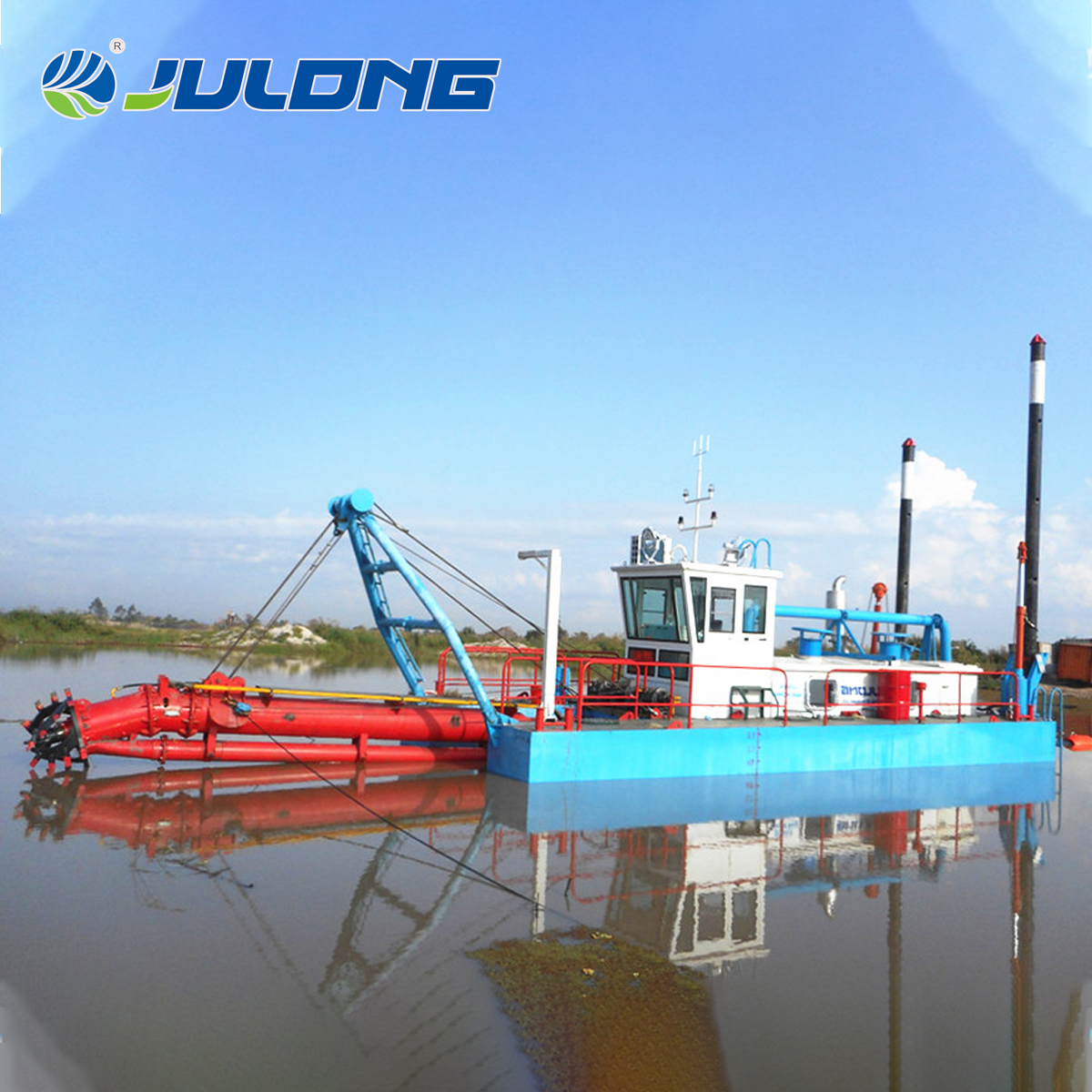
Cutter Suction Dredgers: These are designed for deep-water small dredging equipment projects. They utilize a rotating cutter head to break up sediment before suctioning it through a pipeline. Ideal for projects requiring significant material removal from deeper depths, these dredgers are effective in hard materials, making them suitable for port construction and river deepening. 

Amphibious Dredgers: These versatile machines can operate in both land and water environments. They are smaller and more maneuverable, making them ideal for shallow waters and marshy areas. Amphibious dredgers are often cutter suction dredgers used in environmental restoration projects, such as wetland rehabilitation or riverbank stabilization, where mobility and accessibility are critical. 

Understanding the specific advantages of each type of dredger allows buyers to select equipment tailored to their operational needs. 

Where to Find Reliable Dredging Equipment Suppliers for Bulk Orders

Where to Find Reliable Dredging Equipment Suppliers for Bulk Orders

Finding a reputable supplier for dredging equipment is vital for securing high-quality machinery. Start by researching manufacturers with a proven track record in the industry. Look for suppliers that hold ISO and CE certifications, as these indicate adherence to international quality and safety standards. 

Consider the following strategies to identify reliable suppliers: 

Industry Events: Attend trade shows and exhibitions focused on dredging and marine construction. These events provide opportunities to meet manufacturers, see equipment firsthand, and discuss specific needs. 

Online Directories: Utilize B2B platforms and directories to find suppliers. Look for companies specializing in dredging equipment with positive reviews and testimonials. 

Professional Networks: Leverage industry contacts for recommendations. Colleagues in similar sectors may provide insights into trusted suppliers based on their experiences.  

Once you identify potential suppliers, request detailed quotations and compare specifications, pricing, and delivery timelines to ensure you make an informed decision.  

Understanding Cost Factors in Dredging Equipment Purchases

The cost of dredging equipment can vary significantly based on several factors. Understanding these cost drivers will help buyers budget effectively and negotiate better terms. Key cost factors include: 

Equipment Type: Different dredgers come with varying price points depending on their capabilities and specifications. Cutter suction dredgers typically cost more due to their complex technology and depth capabilities. 

Customization: If specialized features or customizations are required, this cutter suction dredgers can increase the base price.  Customization may involve adapting the dredger for specific materials or operational conditions. 

Maintenance and Operating Costs: Beyond the initial purchase price,  consider the long-term costs associated with maintenance and operation, including fuel, parts, and labor. 

Quantity Ordered: Bulk purchases can lead to discounts. Suppliers may offer better pricing for larger orders, making it worthwhile to assess project needs comprehensively. 

By understanding these cost factors, buyers can better prepare for negotiations and ensure they receive value for their investment. 

In summary, making informed decisions about river dredging equipment equipment involves understanding the specific requirements of your project, evaluating critical specifications,  and identifying reliable suppliers. With a focus on the right equipment, project efficiency and effectiveness can be significantly enhanced. 

How to Choose the Right Dredging Equipment for Your Project

Selecting the right dredging equipment is essential for the success of your project. Start by assessing the specific needs of your application, such as the type of material to be dredged, the depth of the water, and the logistical constraints of the project site. For instance, cutter suction dredgers are ideal for deeper water and harder materials due to their ability to cut through sediment, while amphibious dredgers are more suited for shallow water and marshy areas. 

Consider the following when choosing dredging equipment equipment: 

Project Scope: Evaluate the size and duration of your project. Larger projects may require more robust equipment with greater production capacity. 

Terrain and Environment: Assess the cutter suction dredgers environmental conditions, including water depth, sediment type, and surrounding structures. Amphibious dredgers excel in challenging terrains where traditional dredgers may struggle. 

Operational Efficiency: Analyze fuel efficiency and maintenance needs. Reliable equipment reduces downtime and operational costs. 

By aligning your equipment choice with these factors, you can enhance project efficiency and effectiveness. 

Frequently Asked Questions

What is dredging and why is it used?

Dredging removes sediment and debris from waterways to deepen channels, restore flow, prevent flooding, and support ports and construction projects.
We supply cutter suction dredgers, amphibious dredgers, and excavator-based dredging solutions for rivers, lakes, and ports.
Our equipment is ISO and CE certified, ensuring manufacturing standards, safety, and reliability for global projects.
Our machines handle small to large-scale river, lake, and port projects, adaptable to soft or mixed sediments and variable water depths.
We offer technical guidance, spare parts, training, and remote or onsite support from our facility to ensure durable, efficient operation.

Get a Free Quote

Our representative will contact you soon.
0/1000