Choosing the Right TSHD Ship for Dredging Projects

application/tshd-ship, application/tshd-ship, 
Inquiry
Inquiry

Tshd ship

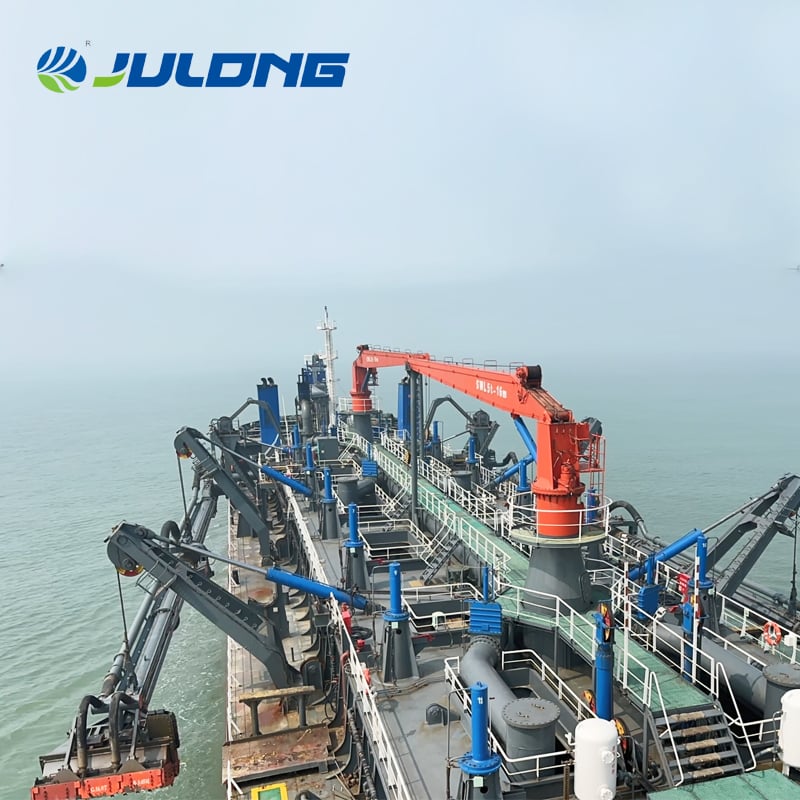
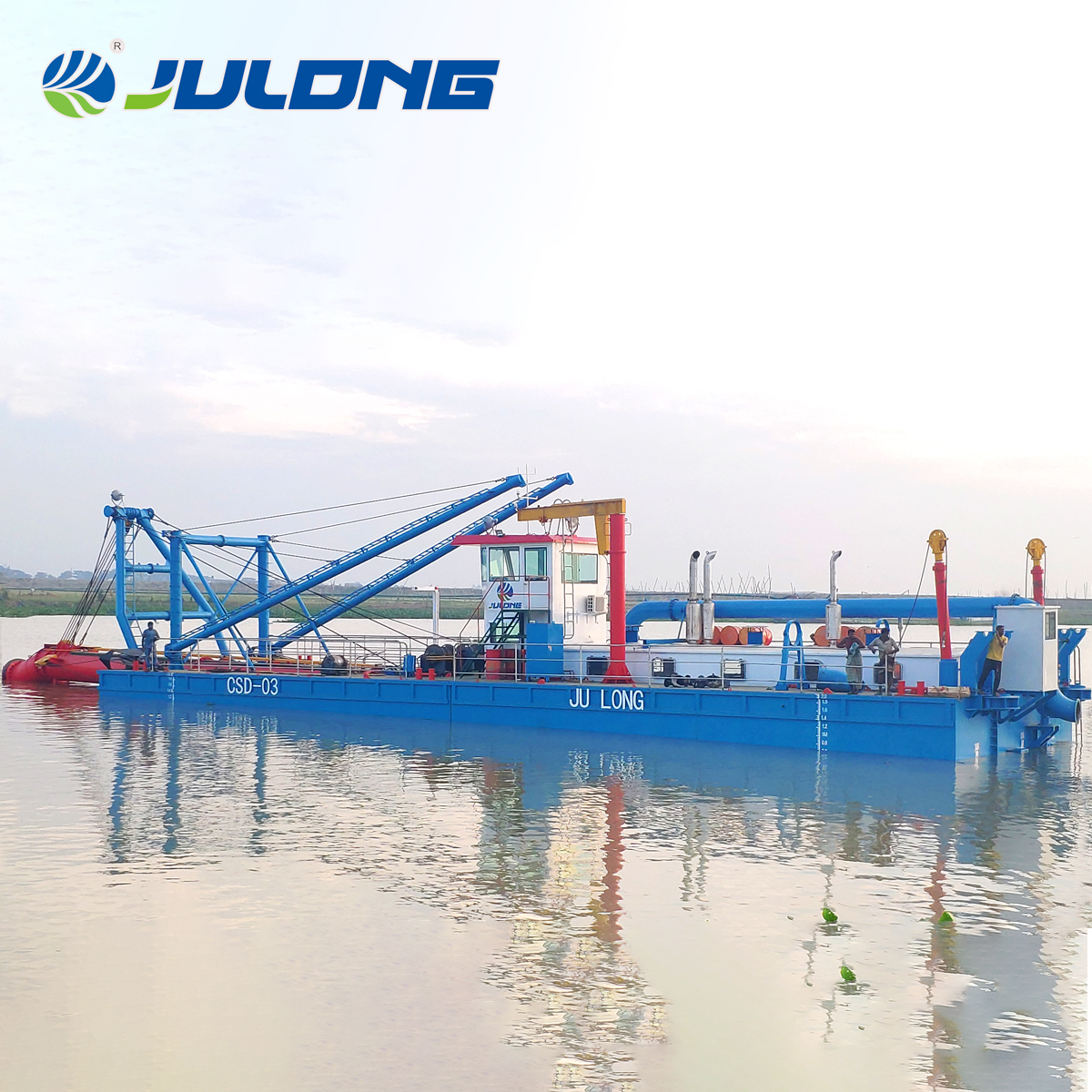
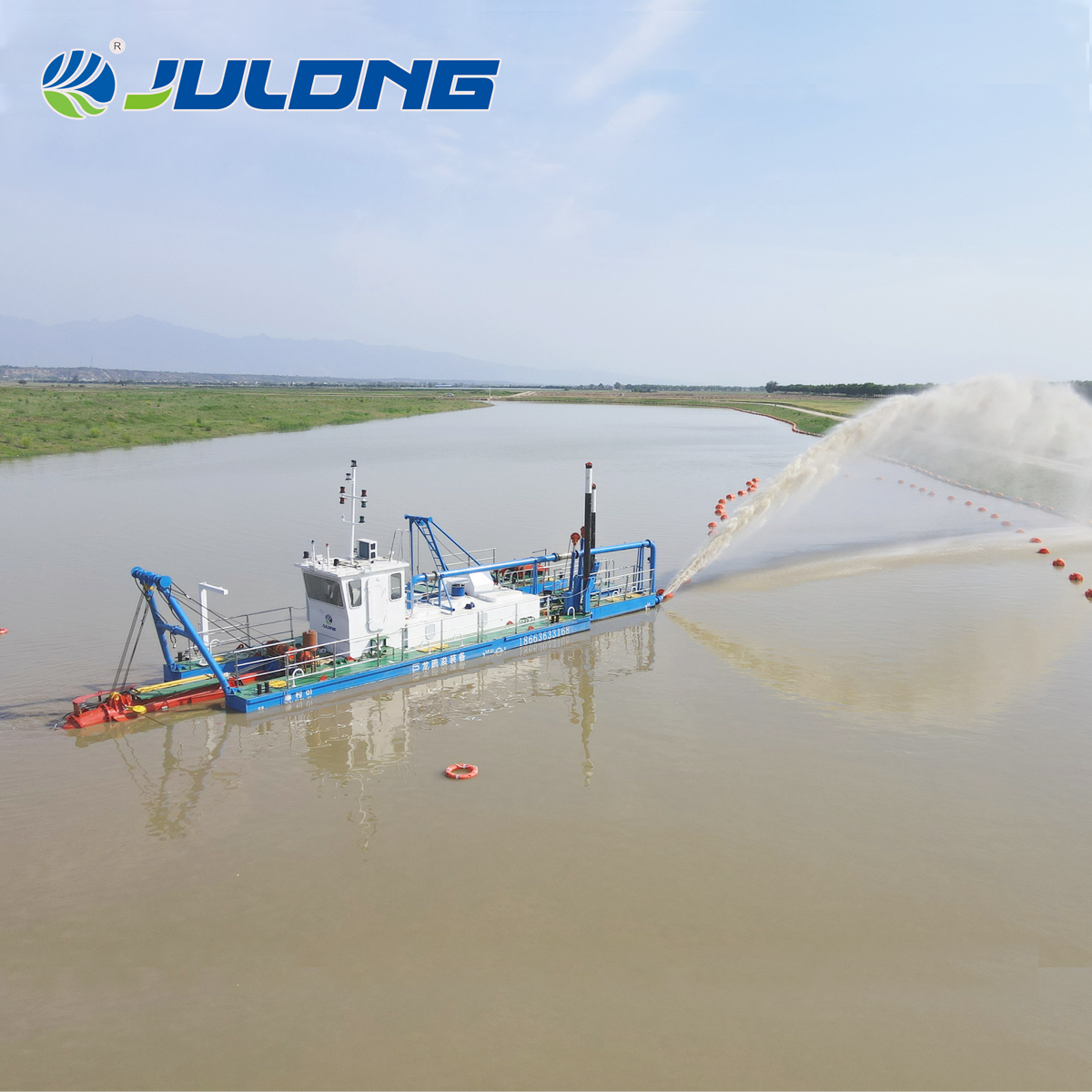
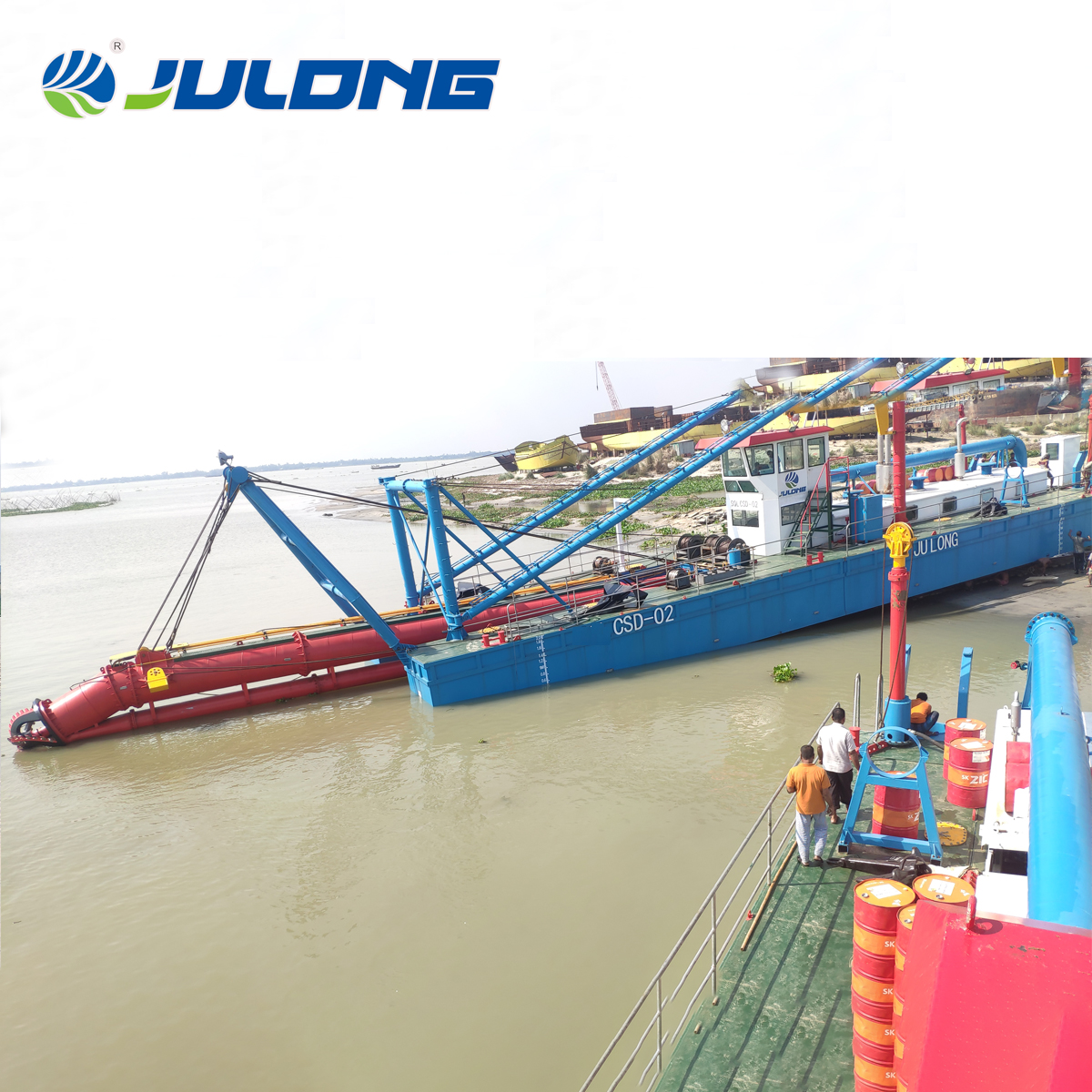
Understanding the intricacies of TSHD ships is crucial for professionals involved in dredging and environmental projects. A TSHD, or Trailing Suction Hopper Dredger, is an essential type of vessel used for dredging operations, allowing for the efficient removal of sediment and debris from underwater environments. B2B buyers often have concerns regarding performance, durability, and suitability for specific applications. This article will guide you through the key considerations when selecting a tshd ship, ensuring you make an informed purchasing decision.

Key Specifications to Evaluate When Sourcing TSHD Ships

Key Specifications to Evaluate When Sourcing TSHD Ships

When sourcing TSHD ships, several key specifications should be closely evaluated: 

Hopper Capacity: This refers to the volume of material the TSHD can carry. A larger hopper capacity can reduce the number of trips required for dredging, enhancing efficiency. 

Suction System: The design and power of the suction system are critical for effective dredging. Look for specifications that detail the suction pump capacity and the maximum dredging depth achievable. 

Hull Design: A well-designed hull improves maneuverability and stability, especially in challenging waters. Pay attention to the vessel's dimensions, including length, beam, and draft, to ensure compatibility with your operational environment. 

Power and Propulsion: The engine power and type of propulsion system will affect the TSHD's speed and efficiency. Ensure that the power output is sufficient for the intended operational requirements. 

Material and Construction: Durable materials are essential for long-lasting performance. Inspect the construction quality and finish, as these factors directly impact the vessel's resilience against harsh marine conditions. 

By focusing on these specifications, buyers can identify a TSHD ship that aligns closely with their operational needs and performance expectations. 

Understanding the Quality Control Process for TSHD Ship Manufacturing

Understanding the Quality Control Process for TSHD Ship Manufacturing

Quality control is paramount in the manufacturing of TSHD ships to ensure reliability and performance. At Qingzhou JULONG Environmental Technology Co., Ltd., a rigorous quality control process is followed, encompassing several key stages: 

Material Selection: High-quality materials are selected based on their durability and suitability for marine environments. This includes assessing corrosion resistance and structural integrity. 

In-Process Inspections: Throughout the manufacturing process, regular inspections are conducted to ensure that each component meets design specifications. This includes monitoring welding quality and ensuring that components are assembled correctly. 

Final Testing: Before delivery, each TSHD undergoes comprehensive testing to evaluate performance under various conditions. This may include trials related to suction capacity, maneuverability, and operational efficiency. 

Certification: The vessels are certified based on international standards, such as ISO and CE, which verify their compliance with safety and operational regulations. 

By understanding the manufacturing quality control process, buyers can have increased confidence in the reliability and performance of the TSHD ships they consider purchasing. 

Common Problems in TSHD Ship Operations and Their Solutions

Common Problems in TSHD Ship Operations and Their Solutions

While TSHD ships are designed for efficiency, operators may encounter several common issues during their use: 

Clogged Suction Systems: One of the most frequent problems is clogging in the suction system due to large debris. Regular maintenance and inspections can help identify potential clogs early. Operators should also ensure that the suction system is equipped with appropriate filters to prevent large particles from causing blockages. 

Hull Damage: Operating in rocky or shallow areas can lead to hull damage. To mitigate this, operators should conduct thorough site assessments before dredging and consider TSHD designs that feature reinforced hulls for added protection. 

Performance Issues: Inconsistent dredging performance may arise from engine inefficiencies or suction system malfunctions. Regular maintenance checks, along with immediate troubleshooting of engine performance, can enhance operational reliability. 

Environmental Compliance: Adherence to environmental regulations is critical. Operators should ensure that their tshd dredger for sale are equipped with the necessary technologies to minimize environmental impact, such as sediment control systems. 

Addressing these common issues through proactive maintenance and operational best practices can significantly improve the longevity and effectiveness of TSHD ships in the field. 

Applications of TSHD Ships in Dredging and Environmental Projects

TSHD ships are versatile vessels used in a variety of applications within dredging and environmental projects. Some of the primary applications include: 

River and Port Dredging: TSHD ships are frequently utilized for maintaining navigable waterways, ensuring that ports and rivers remain accessible for commercial shipping and recreational activities.  

Land Reclamation Projects: These vessels play a crucial role in land reclamation efforts, transporting dredged materials to create new land areas, which can be developed for commercial or residential use. 

Environmental Restoration: In environmental projects, TSHD ships are used to remove contaminated sediments from bodies of water, thereby improving ecosystem health and water quality. 

Coastal Protection: TSHD vessels are also involved in coastal protection projects, where they help build up beaches and shorelines to combat erosion and protect coastal infrastructure. 

Understanding these applications helps buyers recognize the broader impact of TSHD ships in various industries, informing their purchasing decisions based on project-specific needs. 

By focusing on the outlined elements, B2B buyers can navigate the complexities of selecting, sourcing, and operating TSHD ships effectively, ensuring that they meet their operational objectives and project requirements.  

How to Choose the Right TSHD Ship for Your Project Needs

When choosing a TSHD ship, the first step is to clearly define your project requirements. Consider factors such as the type of material to be dredged, the size of the operation, and the specific environmental conditions at the project site. For instance, if you are working in shallow waters, a smaller, more maneuverable TSHD may be appropriate. Conversely, for larger projects requiring extensive dredging, a more robust and larger capacity vessel is needed. 

Additionally, evaluate the dredging depth and the density of the material. A TSHD with a powerful suction system and adequate hopper capacity will be essential for effectively handling denser materials. It’s also important to consider the TSHD’s operational speed and efficiency, as these will directly impact project timelines and costs. Collaborating with a manufacturer experienced in tshd dredger design and production can provide insights into selecting a model that meets your specific needs. 

Frequently Asked Questions

What is the Tshd ship used for?

The Tshd ship is designed for cutter suction dredging in rivers, lakes and ports to remove sediment, deepen channels, and support reclamation and maintenance projects.
Tshd ships are manufactured under ISO and CE compliant processes, ensuring quality, safety, and international operational standards.
We offer various Tshd sizes and dredging capacities to suit project needs; specifications can be provided based on site depth, required production and soil type.
Yes. We offer technical support, maintenance guidance, and spare parts from our facility to ensure durable, efficient operation throughout the vessel's lifecycle.
Yes. We provide customization for propulsion, cutter heads, pump capacity and deck layout to match specific river, lake, or port project requirements.

Get a Free Quote

Our representative will contact you soon.
0/1000