 EN
High-Efficiency Dredging
High production capacity for faster project completion and lower operating costs.

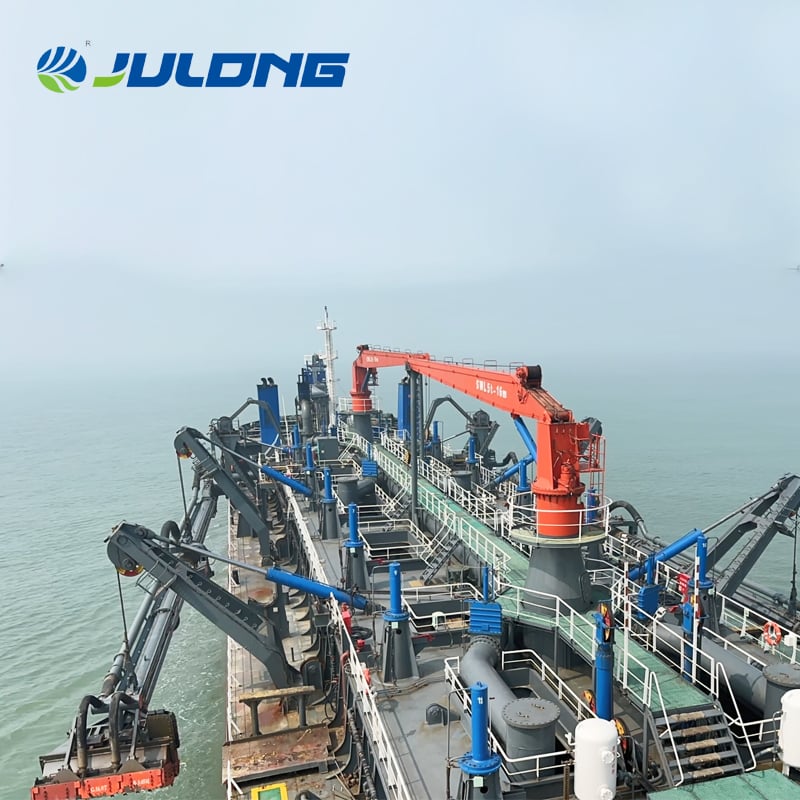
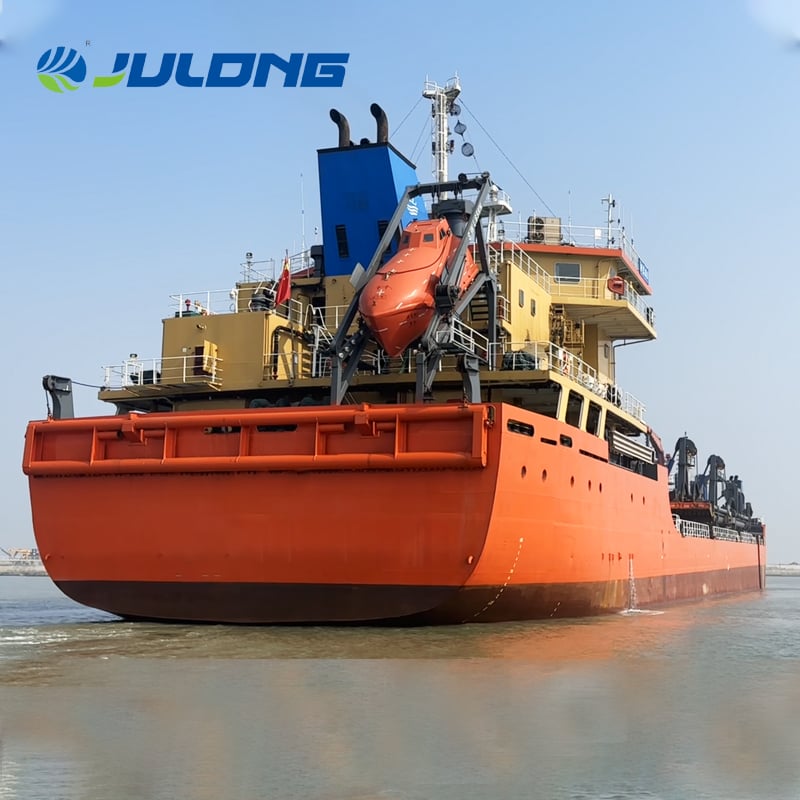
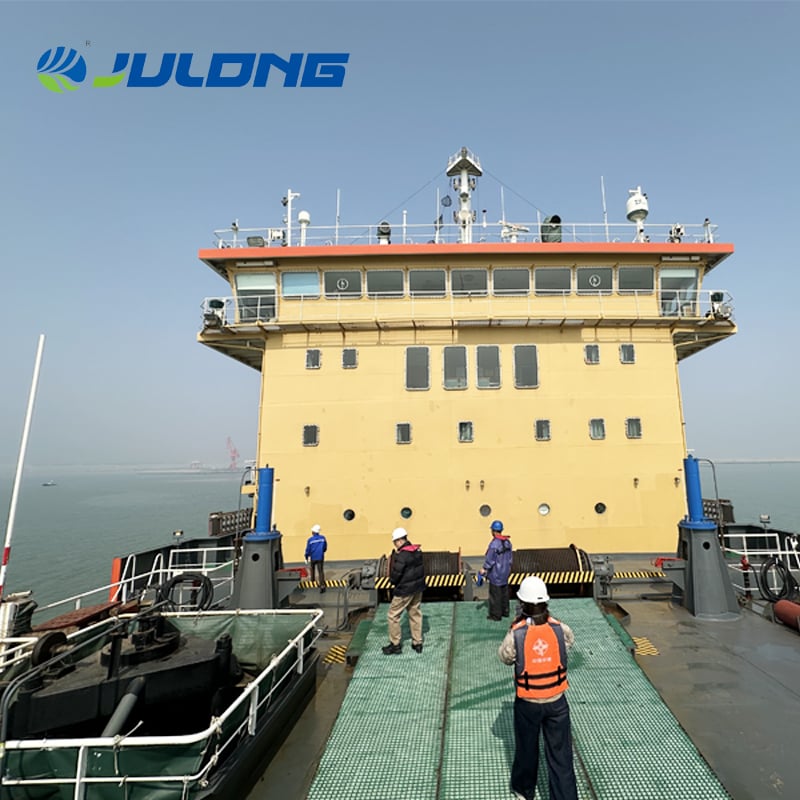
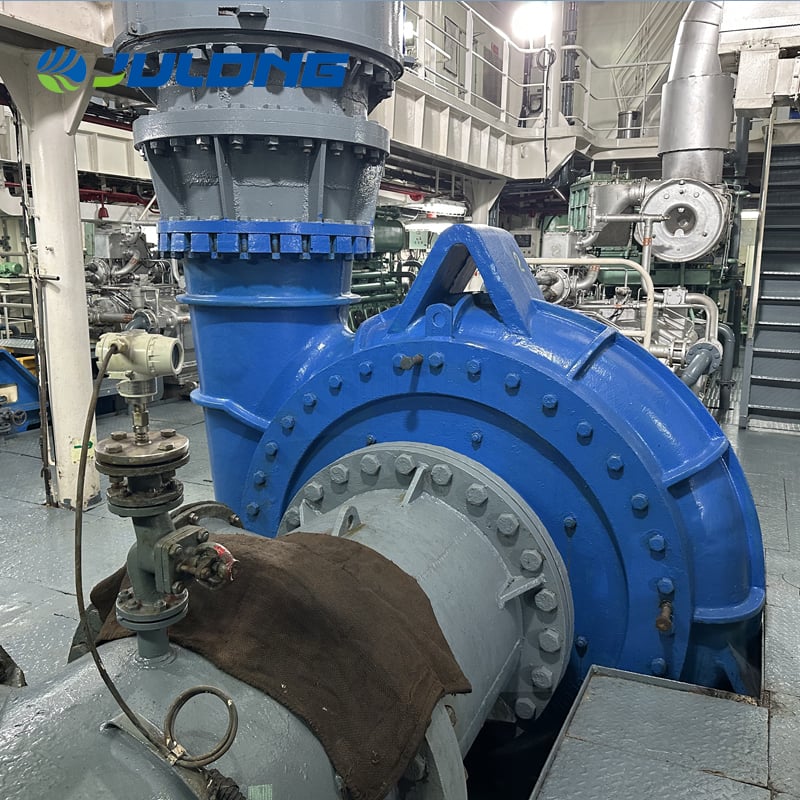
9,200m³ Trailing Suction Hopper Dredger
JULONG presents the 9200m³ Trailing Suction Hopper Dredger, a self-propelled TSHD engineered for high-efficiency sediment management and reliable port restoration dredging. Designed and built by Qingzhou JULONG Environmental Technology Co., Ltd., this vessel combines robust engineering, advanced dredging systems, and flexible operational profiles to serve coastal, riverine, and port environments. The JULONG 9200m³ trailing suction hopper dredger offers a comprehensive solution for large-scale material removal, transport, and disposal with a focus on minimizing downtime, maximizing productivity, and ensuring long-term value for infrastructure and environmental projects, featuring a certified hopper capacity 9200m³.
Key Features and Design Overview
The JULONG 9200m³ trailing suction hopper dredger is a purpose-built self-propelled TSHD that integrates a high-capacity hopper, optimized hull form, and efficient propulsion to deliver superior performance. With its impressive hopper capacity 9200m³, this trailing suction hopper dredger carries substantial volumes of dredged material per cycle, reducing the number of trips between the dredging site and disposal or reclamation areas during major port restoration dredging. The hull and hopper geometry have been optimized to balance payload, maneuverability, and sea-keeping, ensuring safe operations in a variety of tidal and weather conditions. The self-propelled TSHD configuration eliminates dependence on barges and tugs, enabling independent transit and reduced mobilization time.
Dredging System and Performance
At the core of the vessel’s capability is an advanced trailing suction system tailored for efficient sediment intake and minimized wear. The trailing suction hopper dredger is fitted with adjustable drag-heads, heavy-duty suction pipes, and high-capacity pumps that maintain steady production rates in mixed sediment conditions for any self-propelled TSHD deployment. The dredging system includes automated control for suction depth, drag-head pressure, and pumping rate, allowing the operator to maintain optimal dredge performance while protecting seabed features and reducing turbidity. For port restoration dredging, this automated control ensures precise material removal to design elevations and tolerances, critical for berth deepening, channel restoration, and reclamation projects that utilize the full hopper capacity 9200m³.
Operational Flexibility and Applications
The versatility of the JULONG 9200m³ trailing suction hopper dredger makes it suitable for a wide range of tasks. Key applications include port restoration dredging, capital and maintenance dredging, beach nourishment, land reclamation, and sediment management for rivers and estuaries. As a self-propelled TSHD, the vessel can steam to remote sites, perform continuous trailing suction operations, and proceed to designated disposal sites without external support. For port restoration dredging programs requiring frequent, high-volume material movement, the hopper capacity 9200m³ significantly shortens project schedules by reducing cycle times between loading and unloading operations.
Innovations and Technical Advantages
JULONG’s design incorporates several innovations that enhance the trailing suction hopper dredger’s effectiveness. The propulsion and power management system is engineered for fuel-efficient transit and dredging modes, delivering cost-effective operations compared to conventional setups, ensuring this self-propelled TSHD excels in every assignment. Utilizing its hopper capacity 9200m³, the self-propelled TSHD optimizes pump and pipeline efficiency, reducing energy consumption per cubic meter dredged. Wear-resistant materials and modular suction pipe sections reduce maintenance intervals and facilitate rapid replacement in the field, improving availability for time-sensitive port restoration dredging contracts.
Intelligent control and monitoring systems are integral to the JULONG trailing suction hopper dredger. Real-time performance dashboards provide operators with actionable data on pump loads, hopper fill levels, and dredging depth, while integrated GPS and hydrographic survey interfaces allow precise positioning and as-built verification. These capabilities make the trailing suction hopper dredger particularly effective for projects where accuracy and environmental compliance are paramount. In port restoration dredging, the ability to monitor and verify dredge profiles in real time reduces rework and ensures dredging conforms to regulatory and engineering specifications.
Environmental and Safety Considerations
Environmental management and safety are central to the JULONG 9200m³ trailing suction hopper dredger’s design. The trailing suction hopper dredger includes sediment control devices and overflow systems that minimize turbidity and control fines during loading operations. The hopper itself is designed for secure containment and efficient discharge methods, including bottom doors, pumping, or overflow strategies tailored to project requirements for a self-propelled TSHD with a hopper capacity 9200m³. Noise abatement, emissions control, and efficient engine room layouts help the self-propelled TSHD meet stringent environmental standards in sensitive coastal and harbor environments during port restoration dredging.
| Parameter | Specification |
| Hopper Capacity | 9,200 m³ |
| Length Overall | 128.60 m |
| Breadth Moulded | 22.00 m |
| Depth Moulded | 8.80 m |
| Design Draught | 6.25 m |
| Dredging Draught | 7.90 m |
| Light Draught | 3.75 m |
| Maximum Dredging Depth | 35–40 m |
| Suction / Discharge Pipe Diameter | 900 mm |
| Bow Discharge Pipe Diameter | 750 mm |
| Bow Discharge Distance | Approx. 2,000 m |
| Service Speed | Approx. 13.60 knots |
| Hopper Loading Time | Approx. 50 min at 35 m dredging depth |
| Bottom Door Unloading Time | Approx. 5 min |
| Dragarms | Twin Dragarms |
| Draghead Type | Hydraulic Reversing Bucket Type |
| Draghead Weight | 20 tons each |
| Classification | CCS – China Classification Society |
| Navigation Area | Unlimited Navigation Area |
| Complement | 34 persons |
Performance may vary according to dredging material, working depth, sea conditions and project requirements.
Port & Harbor Dredging
For maintaining port basins, navigation channels and harbor areas.
Coastal Dredging
Suitable for dredging operations in coastal waters and marine construction projects.
Channel Dredging
For removing sediment and maintaining the required navigation depth of marine channels.
Land Reclamation
For transporting and placing dredged materials in designated reclamation areas.
Maintenance Dredging
Suitable for regular removal of accumulated sand, silt and sediments from waterways and ports.
Marine Construction
For dredging and material transportation during coastal and offshore infrastructure projects.
JULONG provides customized Trailing Suction Hopper Dredger solutions for marine dredging contractors, port authorities and coastal development projects. The 9200m³ TSHD combines a large hopper capacity, deep dredging capability, twin dragarms, self-propelled navigation and multiple discharge options for demanding marine dredging operations.
JULONG can customize the hopper capacity, dredging depth, dredging system, propulsion system, discharge configuration and onboard equipment according to project requirements.
What is a Trailing Suction Hopper Dredger?
A Trailing Suction Hopper Dredger (TSHD) is a self‑propelled dredging vessel that collects underwater sediment through dragheads and suction pipes, stores the dredged material in an onboard hopper and transports the material to a designated disposal or reclamation area.
What is the hopper capacity of the JULONG TSHD?
The JULONG TSHD has a maximum hopper capacity of 9,200 m³, allowing the vessel to transport a large volume of dredged material during marine dredging operations.
How deep can the 9200m³ Trailing Suction Hopper Dredger dredge?
The specified maximum dredging depth is approximately 35–40 m below light draught, depending on the dredging configuration and project conditions.
What projects is the TSHD suitable for?
The Trailing Suction Hopper Dredger is suitable for port and harbor dredging, navigation channel dredging, coastal dredging, maintenance dredging, land reclamation and marine construction projects.
Can the TSHD operate without a towing vessel?
Yes. The 9200m³ TSHD is a self‑propelled dredger equipped with twin propellers and its own propulsion system, allowing it to navigate between working and disposal areas independently.
How fast can the 9200m³ TSHD travel?
The specified service speed is approximately 13.60 knots at a design draught of 6.25 m. Actual operating speed depends on loading condition, sea state and navigation requirements.
How does the TSHD unload dredged material?
The hopper is equipped with 12 conical bottom doors. The bottom doors can be operated individually, in groups or centrally through hydraulic cylinders. The specified bottom‑door unloading time is approximately 5 minutes.
Can the TSHD discharge dredged material through the bow?
Yes. The vessel is equipped with a 750 mm bow discharge pipe and a bow discharge system designed for hydraulic discharge and rainbowing operations. The specified bow discharge distance is approximately 2,000 m.
What type of draghead does the TSHD use?
The vessel uses hydraulic reversing bucket‑type dragheads, each weighing approximately 20 tons and equipped with pear‑shaped teeth.
What is the suction pipe diameter of the TSHD?
The specified suction and discharge pipe diameter is 900 mm, while the bow discharge pipe has an internal diameter of 750 mm.
Is the TSHD suitable for land reclamation?
Yes. A Trailing Suction Hopper Dredger can collect, transport and discharge dredged sediments for designated reclamation areas. The actual reclamation method depends on the project layout and material characteristics.
What classification does the 9200m³ TSHD have?
The specified vessel classification is CCS (China Classification Society) with an unlimited navigation area notation.
Can JULONG customize a Trailing Suction Hopper Dredger?
Yes. JULONG can develop customized TSHD dredging solutions according to required hopper capacity, dredging depth, dredging conditions, discharge method, propulsion requirements and project operating environment.
What information is needed to select a TSHD?
For a suitable Trailing Suction Hopper Dredger, customers should provide the required hopper capacity, dredging depth, dredging material, project location, required production rate, disposal distance, navigation conditions and preferred discharge method.
9,200m³ Trailing Suction Hopper Dredger
JULONG presents the 9200m³ Trailing Suction Hopper Dredger, a self-propelled TSHD engineered for high-efficiency sediment management and reliable port restoration dredging. Designed and built by Qingzhou JULONG Environmental Technology Co., Ltd., this vessel combines robust engineering, advanced dredging systems, and flexible operational profiles to serve coastal, riverine, and port environments. The JULONG 9200m³ trailing suction hopper dredger offers a comprehensive solution for large-scale material removal, transport, and disposal with a focus on minimizing downtime, maximizing productivity, and ensuring long-term value for infrastructure and environmental projects, featuring a certified hopper capacity 9200m³.
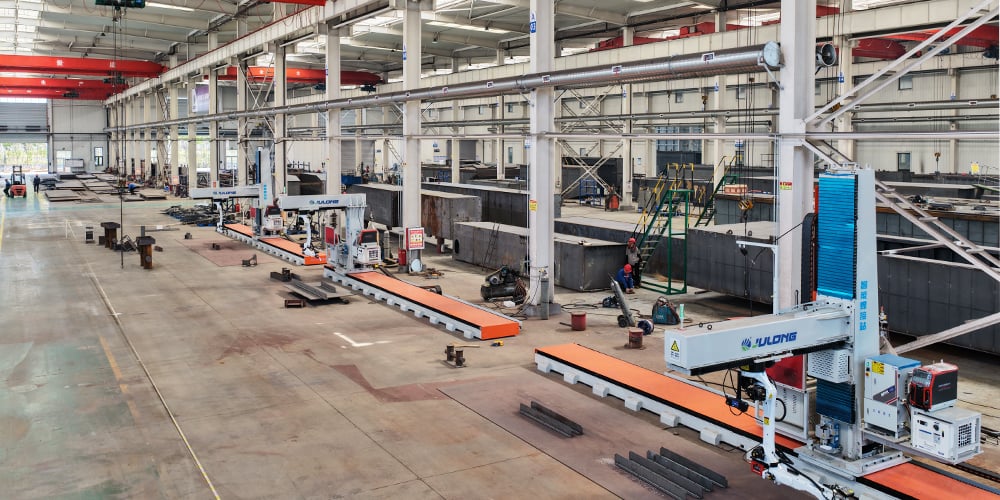
Julong dredging equipment combines customized engineering, modular construction, reliable dredging systems, and comprehensive after-sales support to meet diverse project requirements. From river and port dredging to land reclamation, sand mining, and environmental restoration, our solutions are engineered for efficient operation and long-term reliability.

High production capacity for faster project completion and lower operating costs.

Dredgers configured for your soil type, dredging depth, discharge distance, and project requirements.

Heavy-duty structures and proven components engineered for continuous dredging operations.

From engineering and commissioning to training, spare parts, and technical support worldwide.

