Essential Guide to TSHD Dredgers for Sale

application/tshd-dredger-for-sale, application/tshd-dredger-for-sale, 
Inquiry
Inquiry

tshd dredger for sale

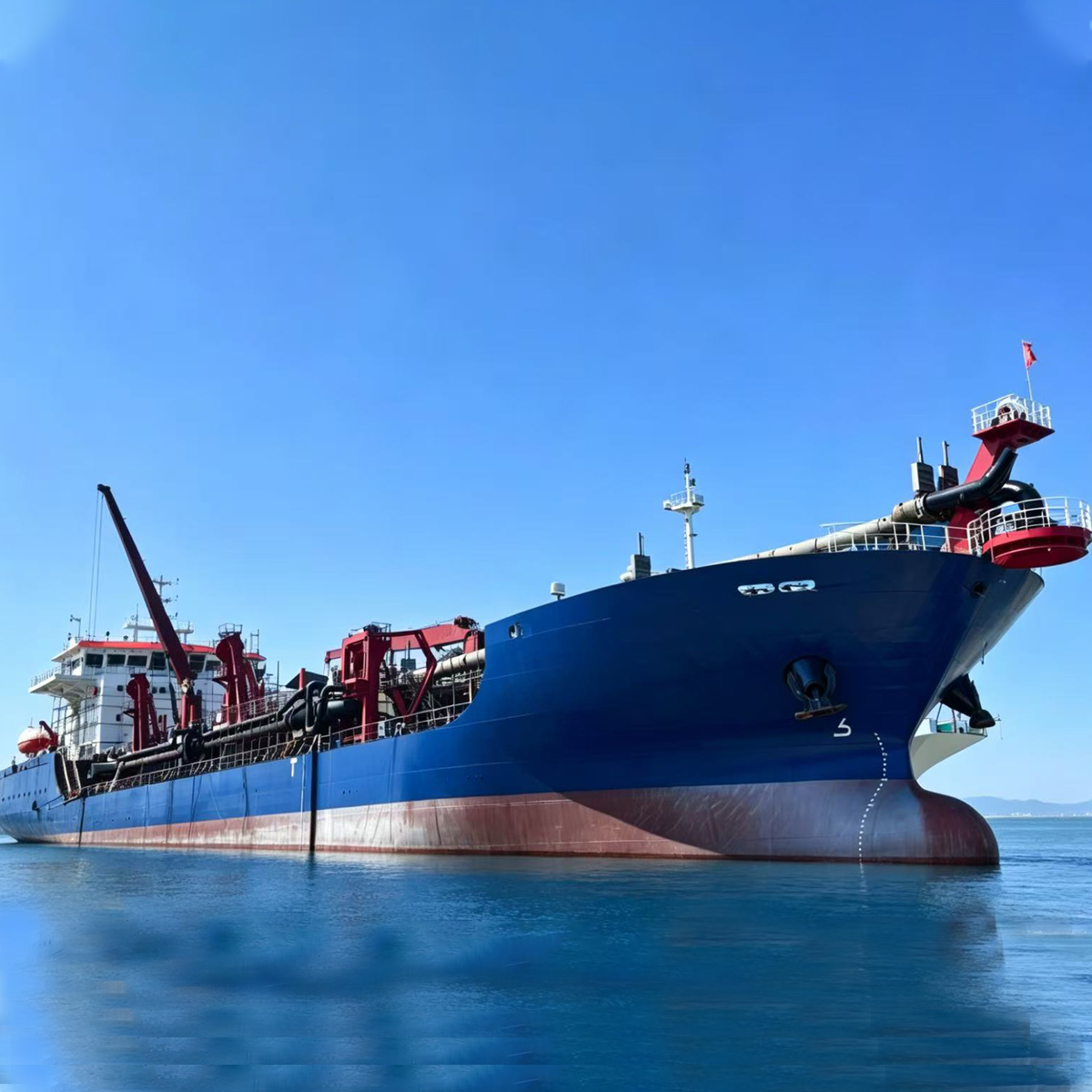
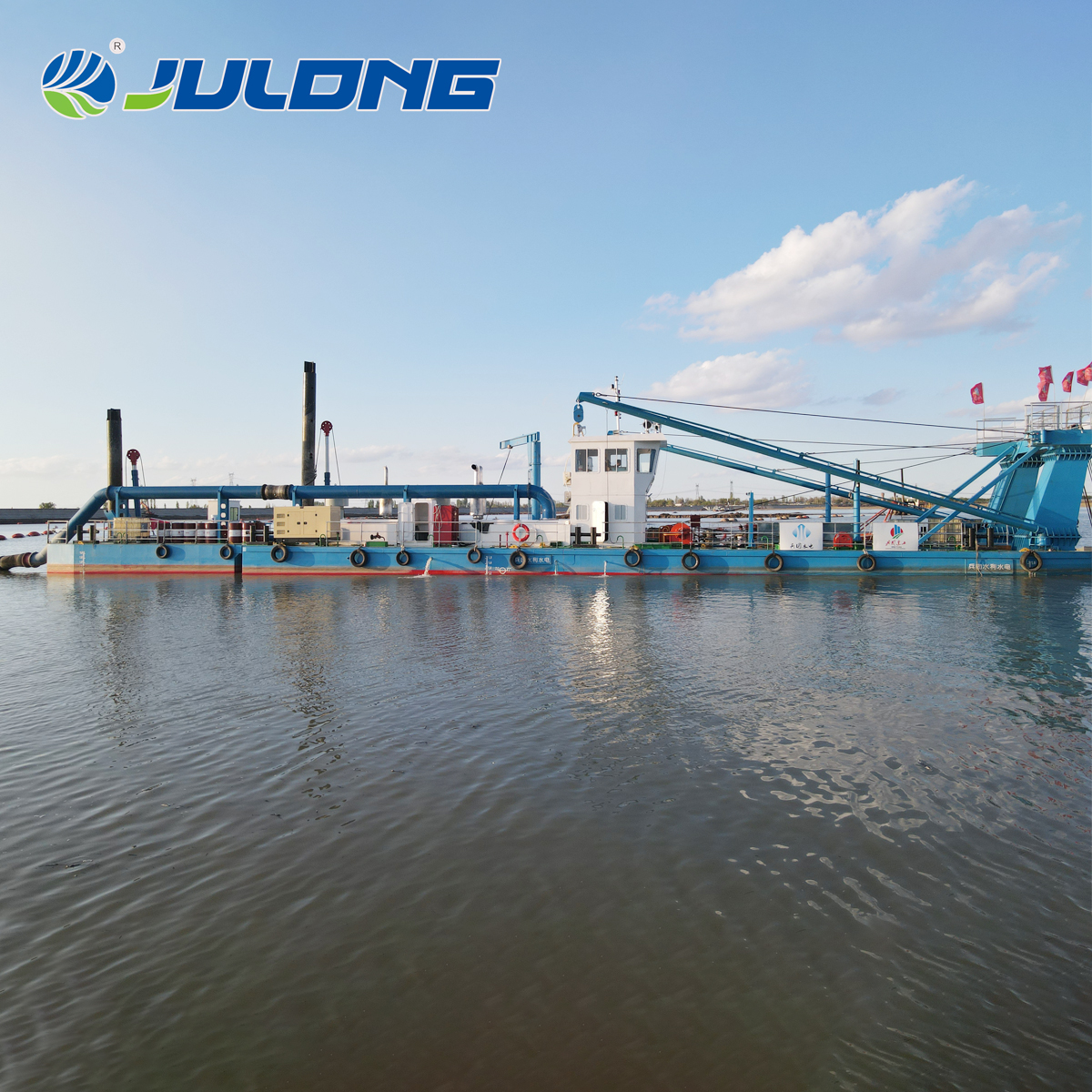
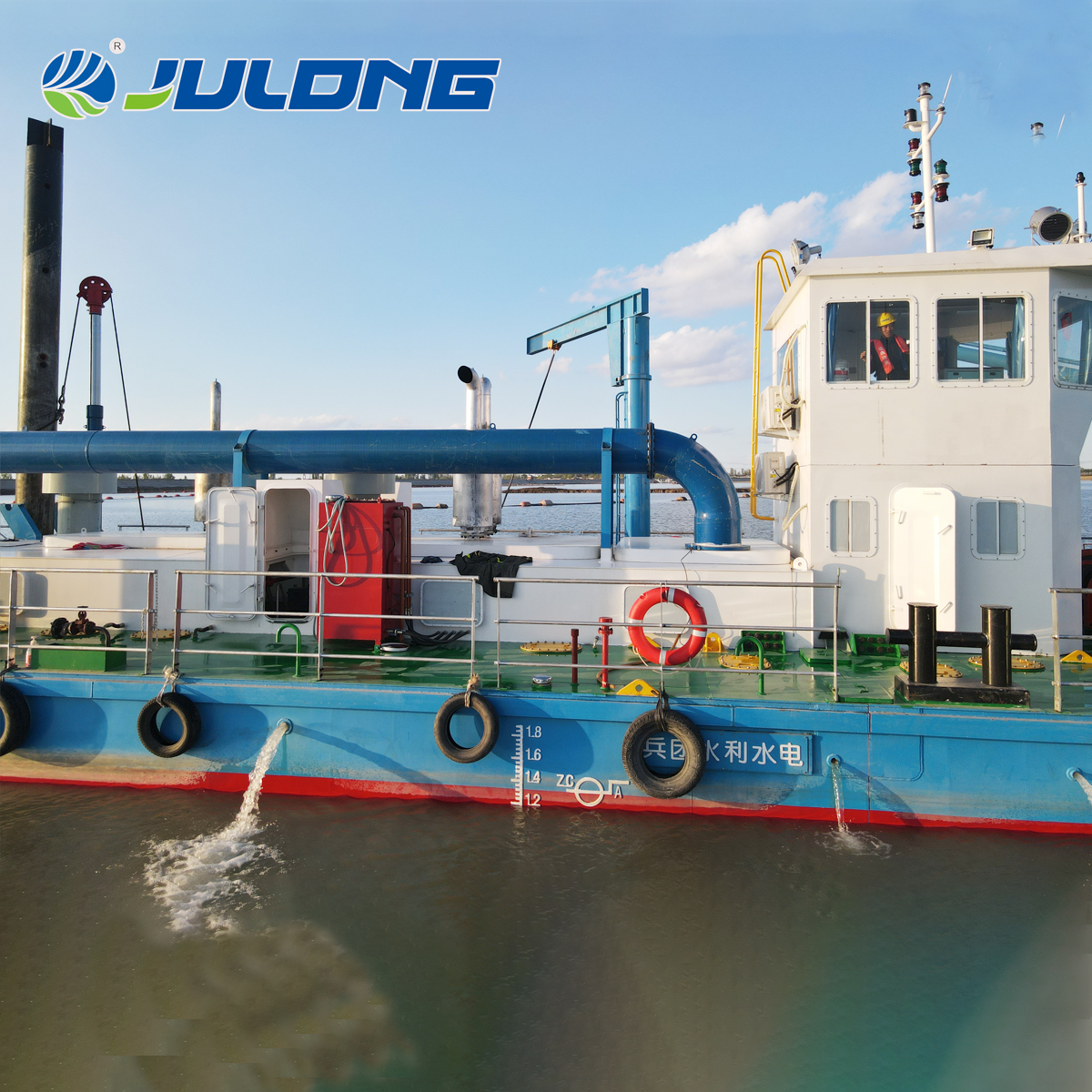
When  considering a TSHD dredger for sale, it’s crucial  for B2B  buyers, including purchasing managers and engineers, to understand the specifications,  application suitability, and potential  challenges related to these  machines.  A  TSHD  (Trailing Suction  Hopper Dredger) is designed for the  efficient excavation and  transportation  of sediment in various  aquatic environments, including rivers,  lakes,  and ports. This article will  provide  essential information on  the key specifications, cost factors,  common issues, and applications of TSHD dredgers, enabling buyers to make informed purchasing decisions.

Why Quality Matters in TSHD Dredger Manufacturing

Why Quality Matters in TSHD Dredger Manufacturing

The total  cost of acquiring a TSHD dredger encompasses various  factors beyond the initial purchase price. Here are  the primary cost considerations:


Purchase Price: This is the most straightforward cost but varies significantly based on specifications and manufacturer reputation. 

Maintenance Costs: Regular maintenance is essential for longevity. Buyers should inquire about recommended maintenance schedules and associated costs.

Operating  Costs: Fuel consumption, labor, and other operational expenses can greatly influence the total cost of ownership.  Understanding  fuel efficiency and average operating  costs  can help buyers  budget effectively. For instance, considering options such as a Dredger can provide insights into operational efficiencies.

Transport and Setup Costs: Buyers should factor in the costs  associated with transporting the dredger to the worksite and any  setup or commissioning fees.

Customizations: If specific alterations or enhancements are needed, these can&nbsp; add to the initial cost. It’s advisable to discuss customization options upfront.</p>

Warranty and After-sales Support:&nbsp; A strong warranty and reliable&nbsp; support&nbsp; can reduce&nbsp; long-term costs associated with repairs and downtime.

By thoroughly assessing these cost factors, buyers&nbsp; can make informed financial decisions that align&nbsp; with their project budgets.

How to Compare Different TSHD Dredger Models Effectively

How to Compare Different TSHD Dredger Models Effectively

Before finalizing a purchase of a TSHD dredger, B2B buyers should gather comprehensive information to ensure they are making&nbsp; the right choice. Here are essential considerations:</p>

Supplier Reputation:&nbsp; Researching the&nbsp; manufacturer’s reputation, including their experience and&nbsp; customer feedback, can provide insights into the reliability&nbsp; of the&nbsp; dredger.

Certification and Compliance: Ensuring that the dredger meets local and international standards (such as ISO and CE certifications) is&nbsp; crucial for&nbsp; compliance and safety.

Sample Testing: Whenever possible, request to see a working model or&nbsp; a demonstration. Observing the dredger in operation can provide&nbsp; valuable insights into its performance.

Technical Support: Understanding the level of technical support available from the supplier can&nbsp; be important for operation&nbsp; and maintenance.

Customization Capabilities: Discussing potential customizations during the initial stages allows&nbsp; buyers to tailor the&nbsp; dredger&nbsp; to their specific&nbsp; needs. This is particularly relevant when considering options like a Multi-Function Work Boat.

Buyers&nbsp; are encouraged to compile this information&nbsp; and prepare questions before&nbsp; approaching suppliers to streamline the purchasing process.

Common Problems with TSHD Dredgers and Their Solutions

Common Problems with TSHD Dredgers and Their Solutions

While TSHD dredgers are highly effective, they can experience common issues that may hinder performance.&nbsp; Understanding these problems&nbsp; can help buyers mitigate risks:

Clogging of the&nbsp; Suction Pipe: This can occur if the dredging material&nbsp; is too thick or contains large debris. Implementing a pre-screening process or using a larger&nbsp; suction pipe can help alleviate this issue.

Mechanical&nbsp; Failures: Regular maintenance is essential&nbsp; to prevent&nbsp; breakdowns. Buyers should establish a maintenance schedule that includes inspections of key components like pumps and engines.

Inefficient Dredging: If the dredger isn’t performing to&nbsp; its specifications,&nbsp; it&nbsp; may&nbsp; be due to incorrect operation or&nbsp; unsuitable dredging conditions. Training operators in best practices can enhance&nbsp; efficiency.

Corrosion and Wear:&nbsp; Exposure to water and sediment can lead to wear over time. Selecting materials that resist corrosion and&nbsp; scheduling regular maintenance can prolong the dredger’s lifespan.

Operational Delays: Weather conditions or unexpected obstacles can cause delays.&nbsp; Having a contingency plan and flexible scheduling can help manage these&nbsp; risks.

By proactively addressing these&nbsp; common issues, buyers can ensure their TSHD dredgers operate effectively&nbsp; and efficiently.

What You Need to Know

TSHD dredgers are versatile machines used across various environmental projects.&nbsp; Here&nbsp; are some common applications:</p>

Port Construction and Maintenance: These dredgers&nbsp; are essential for creating and&nbsp; maintaining navigable waterways in ports, ensuring safe access for vessels. Moreover, their application can complement technologies like Aquatic Cleaning Boat for comprehensive waterway management.

River and&nbsp; Lake Dredging: TSHD dredgers help in removing sediment buildup in rivers and&nbsp; lakes, improving water flow and ecosystem health.


Land Reclamation Projects: Sediment can be&nbsp; transported to reclaim land in coastal areas, contributing to urban development and environmental restoration.

Beach Nourishment: TSHD dredgers can be&nbsp; utilized to&nbsp; replenish eroded beaches, helping&nbsp; to maintain coastal ecosystems and protect infrastructure.

Environmental Remediation: In projects&nbsp; aimed at removing contaminated sediment, TSHD dredgers play a&nbsp; crucial role in restoring ecological balance.

Understanding these applications enables&nbsp; buyers to assess how well a TSHD dredger can meet their&nbsp; specific project needs and objectives. </p>

By considering these&nbsp; factors,&nbsp; B2B buyers can navigate the&nbsp; complexities of purchasing&nbsp; a TSHD dredger&nbsp; with greater confidence, ensuring they select the right equipment for their operational requirements.

Where to Find Reliable Suppliers of TSHD Dredgers for Sale

When evaluating TSHD dredgers, buyers should pay close attention&nbsp; to several key specifications that impact performance and efficiency. </p>

Dredging Depth: This refers to the maximum depth&nbsp; the&nbsp; dredger can operate.&nbsp; It's vital to match this specification with the project requirements to ensure efficient operations.

Hopper Capacity: This indicates how much material the dredger&nbsp; can carry. A larger capacity can reduce the&nbsp; number&nbsp; of trips required, which can be a significant cost-saving&nbsp; factor in&nbsp; large projects.

Pump Power and Type: The power of&nbsp; the dredging pump influences the efficiency of sediment removal. Buyers should&nbsp; ensure that the pump’s specifications align with the types of materials to be dredged.

Discharge Distance: This&nbsp; is the distance the dredged material can&nbsp; be transported. Depending on the project&nbsp; location, this specification&nbsp; is crucial for evaluating the dredger's suitability.

Dimension and Weight: The&nbsp; overall size and weight of the dredger affect its&nbsp; maneuverability and transportability, particularly in confined or shallow environments.

Engine Type and Fuel Efficiency: Understanding the&nbsp; engine specifications and&nbsp; fuel&nbsp; consumption is essential for long-term operational costs.

Buyers should verify these specifications with the manufacturer to ensure they meet the specific requirements of their projects.

Frequently Asked Questions

What is a TSHD dredger and its main use?

A trailing suction hopper dredger (TSHD) is a vessel that vacuums seabed material into onboard hoppers for transport and disposal or land reclamation, ideal for port maintenance, beach replenishment, and reclamation projects.
We offer multiple TSHD models with varying hopper capacities and suction power to suit river, lake, and port projects. Specific dimensions and capacities are provided upon request to match project requirements.
Yes. Our dredgers are built in a 12,000 m² facility and carry ISO and CE certifications, ensuring robust construction, reliable components, and long-term operational durability.
Yes. We offer customization for equipment configuration and provide installation guidance, training, spare parts supply, and technical support to ensure efficient, continuous operation.
We supply dredgers to 93 countries. To request a quote, contact our sales team with project details—site, required capacity, and timeline—and we'll respond with a tailored proposal.

Get a Free Quote

Our representative will contact you soon.
0/1000