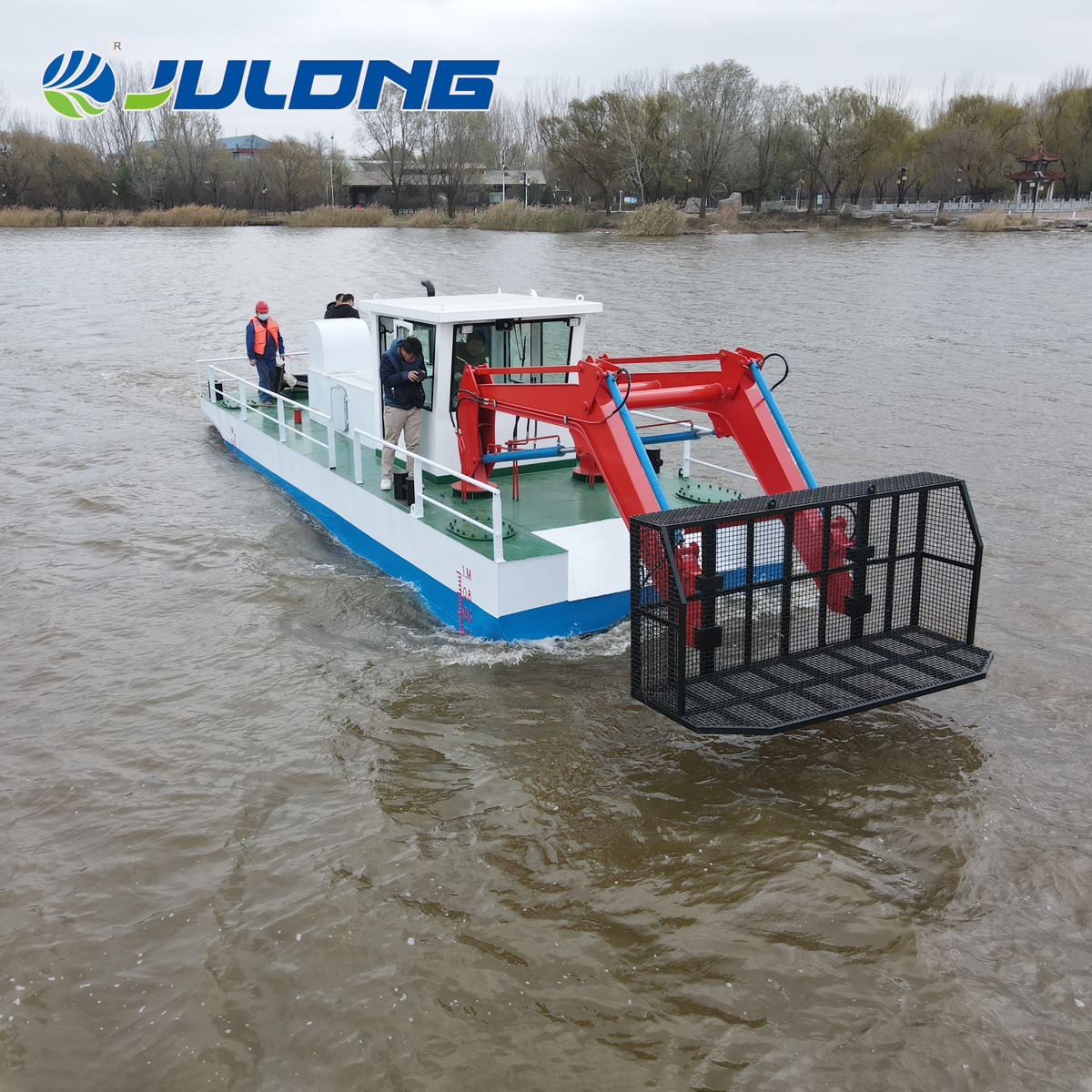
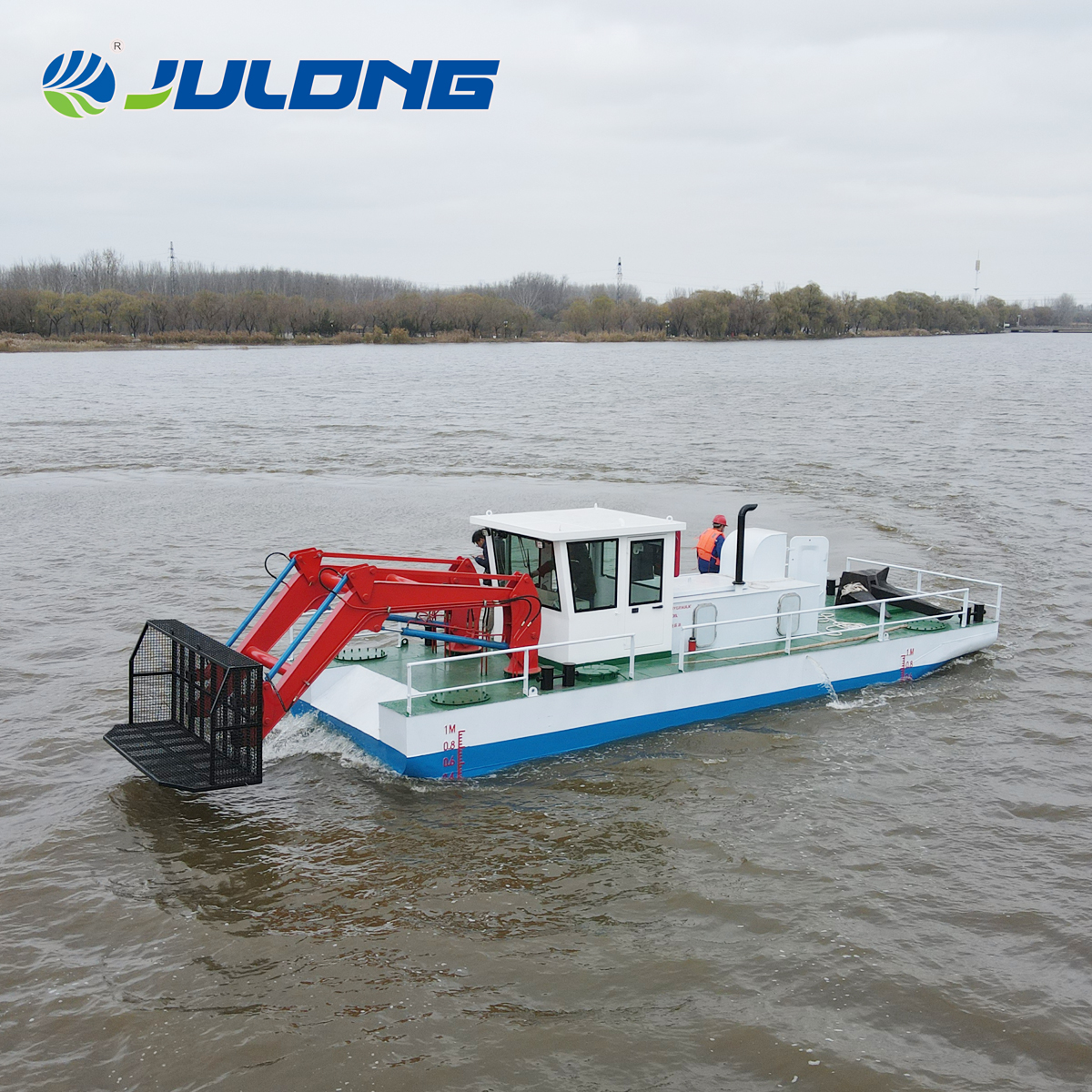
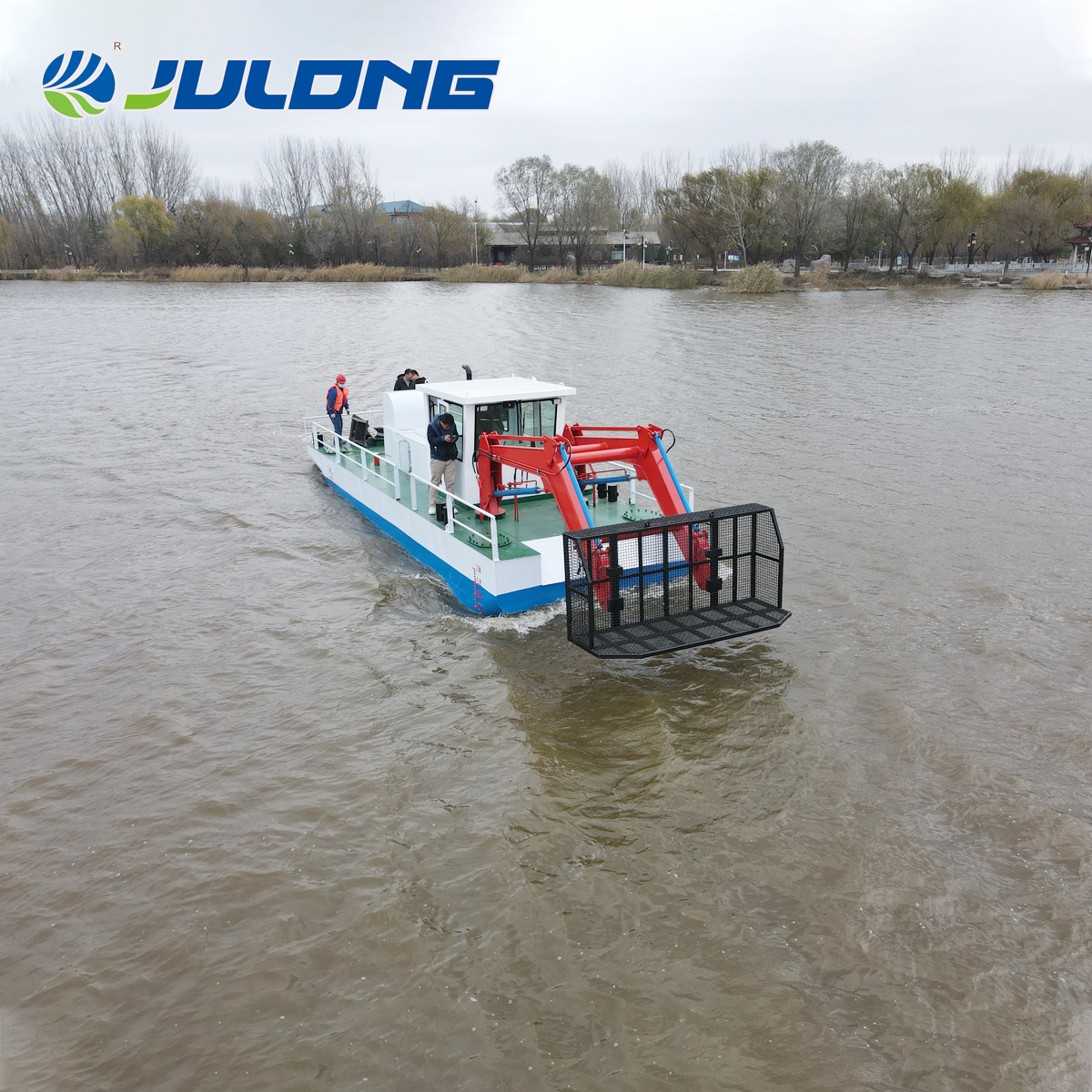
How to Select a Trusted Small Work Boat Manufacturer

application/small-work-boat, application/small-work-boat, 
Inquiry
Inquiry

small work boat

Small work  boats are vital for  various industrial applications,  providing  efficient solutions for  tasks such as  dredging, excavation, and transportation in challenging environments like  rivers, lakes,  and ports. For B2B buyers, including purchasing managers and project engineers, the selection  of a  reliable small work boat manufacturer is critical due to concerns about product durability, operational efficiency,  and cost-effectiveness.  This article will  guide you through essential considerations in choosing the right small  work  boat,  including key specifications, cost factors,  potential  issues, and effective solutions.

 
Key Specifications to Evaluate in Small Work Boat Purchases

Key Specifications to Evaluate in Small Work Boat Purchases

When evaluating small work boats, specific technical  specifications are essential  to ensure they meet operational requirements. Key factors include:

Material and  Construction: The choice of materials affects durability and performance. Common materials include marine-grade aluminum and reinforced fiberglass, which offer corrosion resistance and weight advantages. Ensure the construction methods used enhance structural integrity for the  intended application.

Dimensions and Load Capacity: Consider the size of the work boat  relative  to its intended use. The length, width, and draft must suit the operational environment. Additionally,  assess the load capacity, especially  if the boat  will be used for transporting heavy equipment or materials.

Engine Power and Fuel Efficiency: The engine specifications  should be aligned with the operational needs. A powerful yet fuel-efficient engine can reduce operational costs and improve productivity. Buyers  should also check the boat's speed and maneuverability characteristics.

Safety Features: Ensure the boat is  equipped with essential  safety  features such as  life jackets, fire  extinguishers, and emergency signaling devices.  Safety regulations should be adhered to, especially when operating in  potentially hazardous areas.

Understanding the Cost Factors of Small Work Boat Acquisition

Understanding the Cost Factors of Small Work Boat Acquisition

The total cost of acquiring a small work boat extends beyond the initial purchase price. Several factors influence overall  costs:

Base Price: This includes the  cost of the boat itself, which  can  vary significantly based on specifications, material choices,  and manufacturer reputation.

Customization Fees: If you require specific modifications, such  as special equipment or features tailored to  unique projects, these changes can  add to  the  base price. It  is  advisable to clarify customization options and associated costs upfront.

Maintenance and Operating Costs: Consider the  long-term costs associated with maintenance,  including routine  inspections, repairs, and fuel consumption. A  boat  designed with easy maintenance  in mind can reduce operational downtime and costs.

Transportation and Delivery: Shipping costs  to your location, especially for international purchases, can be substantial. Ensure that the quoted price  includes these costs to avoid unexpected expenses.

Key Considerations

Key Considerations

Before making a purchase, consider the following aspects to ensure  you  select the right small  work boat:

Intended Use: Clearly  define  the boat's primary applications.  This will guide  decisions regarding specifications  such as size,  power, and features.

Regulatory Compliance:  Familiarize yourself  with local regulations regarding marine operations and ensure the boat  meets these requirements. Non-compliance can  lead to fines or operational shutdowns.

Warranty  and  Support: Inquire about the warranty offered and the level of customer support available post-purchase. A robust warranty can protect  your investment and ensure peace  of mind.

Sample Testing: If possible, arrange for a  demonstration or test  the boat in conditions similar to its intended use. This firsthand experience  can provide insights into performance and suitability.

Common Problems with Small Work Boats and Effective Solutions

While small work boats  are designed for  durability, they can experience common issues that may affect performance. Recognizing these problems and their solutions can save time and costs:

Engine Failures:  Regular maintenance checks  are essential  to ensure  engines operate efficiently. Schedule routine inspections and address any  signs  of wear or irregular performance  immediately.

Hull Damage: Collisions or exposure to harsh environments can lead to hull damage. Regularly inspect the hull for cracks or corrosion and repair them  promptly to prevent further deterioration.

Electrical Failures: Electrical systems are critical for navigation and operation. Ensure  that wiring is regularly checked for wear and tear, and consider using marine-grade components to withstand harsh conditions.

Inefficient Fuel Consumption: An  improperly tuned engine can lead to excessive fuel consumption. Regular  servicing and using  high-quality fuel can help maintain optimal engine performance.

making informed decisions when purchasing small work boats  is critical for successful project execution.  By understanding  the essential specifications, evaluating manufacturers, assessing cost factors, and preparing for potential challenges, buyers can ensure  that they invest in reliable, efficient,  and durable solutions for their  operational needs.

How to Select a Trusted Small Work Boat Manufacturer

Choosing  a reputable manufacturer for small work boats involves assessing several key factors. Start by verifying the manufacturer's  certifications, such as ISO and CE, which indicate compliance with international  quality standards. A manufacturer like Qingzhou JULONG  Environmental Technology  Co., Ltd., known for its expertise in cutter suction  dredgers and amphibious dredgers, can be a reliable choice due to its extensive  experience  and broad export market. Additionally, they offer innovative products like the Amphibious Equipment, which is designed for various environments.

Next, evaluate the manufacturer’s production capabilities, including  their  facility  size, technological advancements,  and quality  control processes. A well-equipped facility can ensure consistent quality and timely delivery, which  are critical for project timelines. It’s also beneficial to look  for manufacturers  that offer customization  options, as this flexibility can  accommodate specific project needs or  environmental conditions.

Lastly, engage with previous customers or seek testimonials and case studies. This feedback can provide insights into the manufacturer’s reliability, after-sales  support, and overall customer satisfaction.

Frequently Asked Questions

What is the small work boat used for?

Our small work boat supports river, lake and port maintenance, dredging support, survey tasks, and material transport for environmental and construction projects.
Built and tested under ISO and CE standards, ensuring safety, reliability and compliance with international regulations.
Sizes vary by configuration; typical small work boats offer compact dimensions, shallow draft and payload suitable for crew, equipment and light cargo—custom options available.
Yes. We offer tailored options for propulsion, deck layout, lifting gear and dredging interfacing to meet river, lake and port project requirements.
We provide technical support, spare parts supply and service guidance. Warranty terms are standard; specific duration and coverage are provided with each contract.

Get a Free Quote

Our representative will contact you soon.
0/1000