Benefits of Pontoon Work Boats for Businesses

application/pontoon-work-boat, application/pontoon-work-boat, 
Inquiry
Inquiry

pontoon work boat

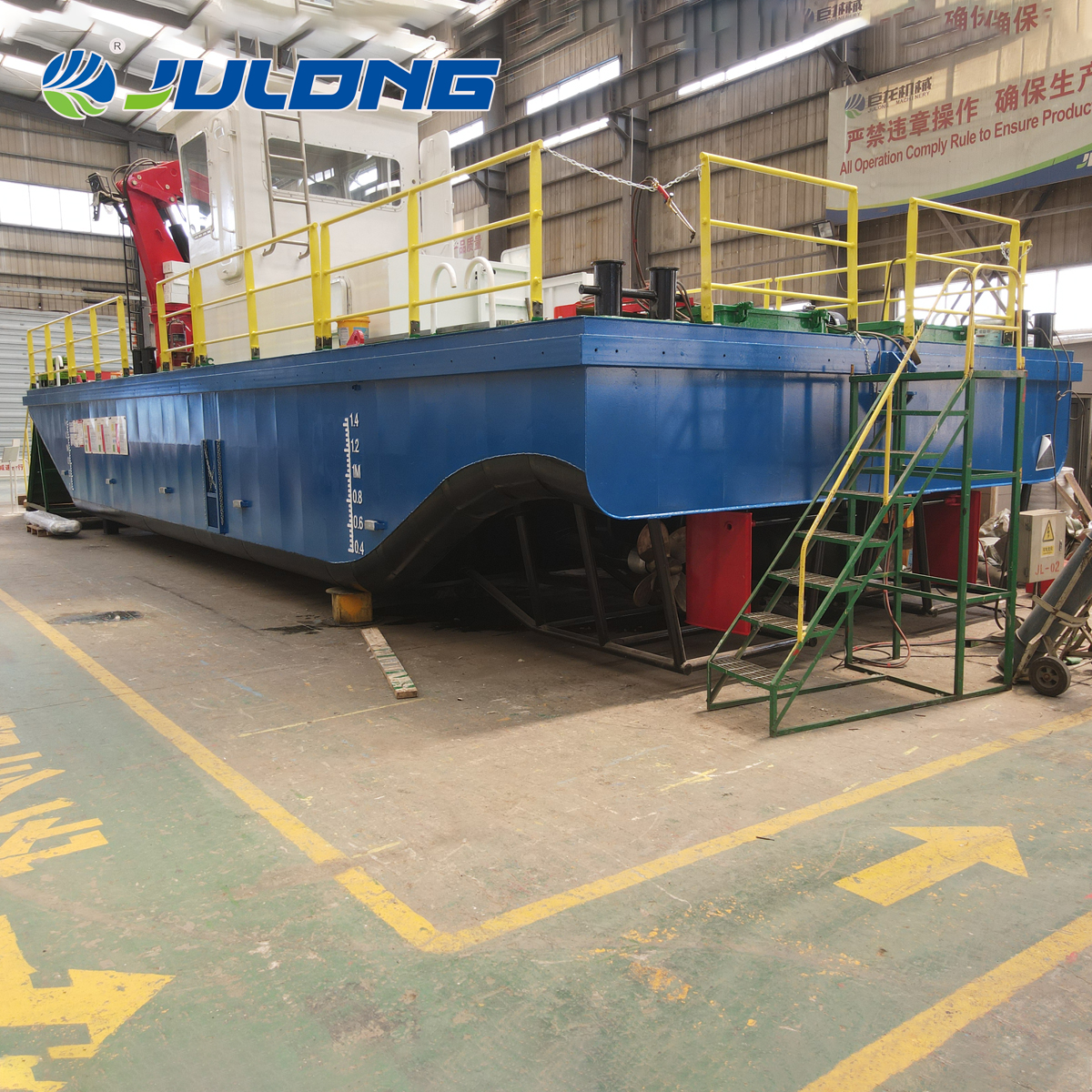
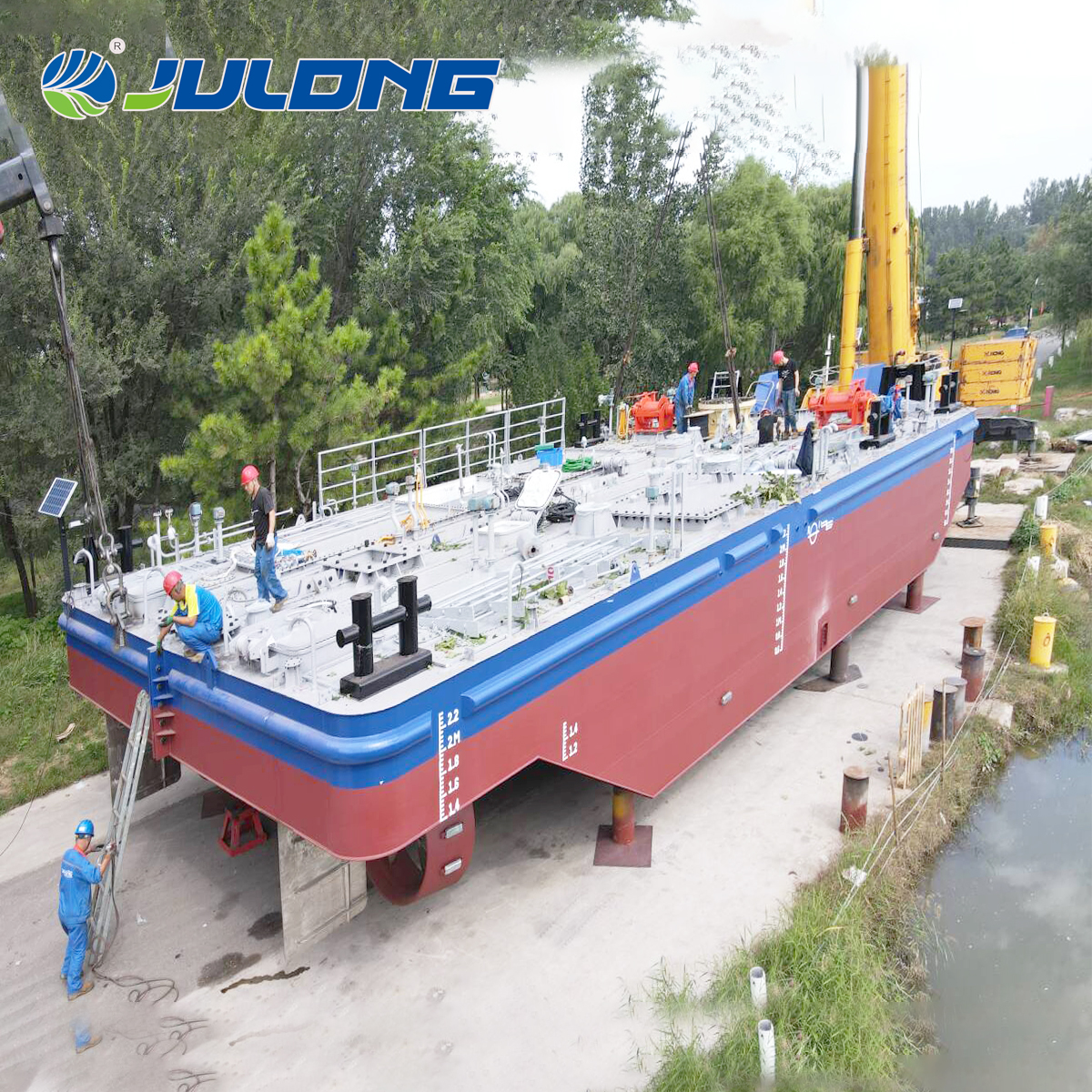
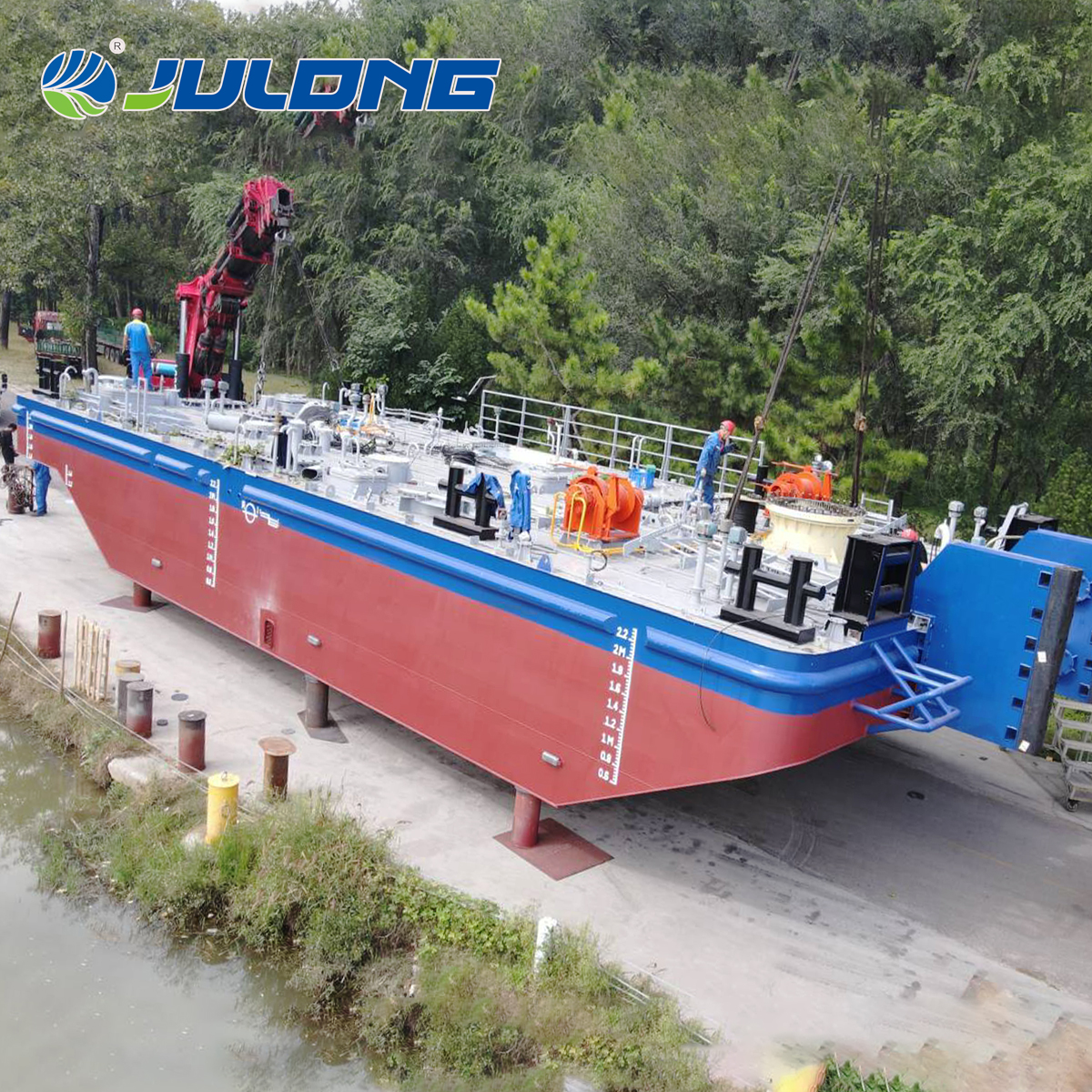
Buying  a  pontoon work  boat can  be a strategic move for businesses engaged  in marine construction, dredging,  or environmental  projects. These  versatile  vessels are designed to operate in shallow waters, making them ideal  for a range of applications,  from transporting materials to supporting dredging operations. However, potential buyers often have concerns about cost, durability, and operational efficiency. This article  will provide valuable insights on the benefits of purchasing pontoon  work boats in bulk,  cost  evaluation factors, installation guidance,  common issues  and  solutions, and their  various applications in  industry.

Cost Factors to Evaluate for Pontoon Work Boat Purchases

Cost Factors to Evaluate for Pontoon Work Boat Purchases

When considering the  purchase of pontoon  work  boats,  several cost factors must be evaluated  to  ensure a  sound investment.  First,  the initial purchase price is crucial, but it should be viewed in the context of total  cost  of ownership, which includes maintenance and operational costs. Buyers should inquire about the expected lifespan and durability of the boats, as well-built vessels may require less frequent repairs and replacements.

Another aspect to  consider is the material used in construction. Pontoon work boats can be made from various materials, including aluminum and fiberglass, each with different cost implications and performance characteristics. For example, aluminum boats may offer better resistance to corrosion, which can lead to longer service life in  harsh marine environments.


Additionally,  buyers should assess potential financing options and warranties. Understanding the terms of financing can help  manage cash flow, while robust warranties can provide  peace of mind regarding the quality  and durability of the boats.

Lastly, buyers should also factor in transportation and  installation costs. Depending on the delivery location and boat specifications, shipping fees can vary significantly. Companies should plan  for these costs to avoid unexpected budget overruns.

Installation Guidance for Efficient Use of Pontoon Work Boats

Installation Guidance for Efficient Use of Pontoon Work Boats

Proper installation and initial operation of pontoon  work boats are essential to maximize efficiency  and longevity. Before deployment, it is crucial to  conduct a thorough inspection to ensure that all systems  are  functioning correctly and that any  necessary adjustments are made.

Buyers should refer to the manufacturer’s guidelines for installation, which often include recommendations for anchoring, loading, and operational procedures. It’s advisable  to conduct training sessions for operators to  familiarize them with the specific features  and  controls of the pontoon work  boats.  This training can enhance safety and efficiency during operation.

Furthermore, regular maintenance is  vital to maintaining peak  performance. Buyers should establish a maintenance schedule that includes routine checks of the engine, pontoons, and safety equipment. This proactive approach can  prevent costly repairs and extend the life of  the work  boats.

Companies should also consider the environment in which  the boats will be  operating. Factors  such as water salinity, temperature, and potential obstacles should be taken into account when planning installation and usage strategies.

Common Problems with Pontoon Work Boats and Their Solutions

Common Problems with Pontoon Work Boats and Their Solutions

Despite their robust design, pontoon work boats can encounter various issues during operation. One common problem is pontoon leakage, which can occur due to wear and tear or impact with underwater  obstacles.  Buyers should regularly inspect pontoons for  signs of damage and address  any leaks promptly to prevent further complications.

Another issue  is engine performance. If a pontoon work boat is not operating efficiently, it may be due to  fuel quality  or improper maintenance.  Regular servicing, including oil changes and fuel system checks, can help maintain  engine health.  Additionally, operators  should be trained to recognize signs of engine trouble, allowing for timely intervention.

Corrosion is also a prevalent concern, particularly in saltwater environments. Buyers  should consider boats with corrosion-resistant materials  and  coatings. Regular cleaning and maintenance can help mitigate the effects of saltwater, prolonging the life of  the vessel.

Finally,  buyers should  be aware of potential compatibility issues with other equipment used  in conjunction with the  pontoon work boats.  Ensuring that all equipment works seamlessly together can enhance operational efficiency and prevent delays.

Understanding the Applications of Pontoon Work Boats in Industry

Pontoon  work boats are  highly versatile and can be  employed  across various industries. In construction, they are essential for transporting materials, personnel, and equipment to and from job sites located in shallow waters. Their stability and  buoyancy make them  ideal for these tasks, ensuring safety and  efficiency.

In the dredging sector, pontoon work boats play a crucial role in supporting dredging operations. They can serve as platforms for  machinery and personnel, allowing for effective sediment removal and environmental management. Their design enables them to operate in  areas  that larger  vessels cannot access, making them indispensable for projects in rivers,  lakes, and coastal areas.

Environmental projects also benefit from the  use of pontoon work boats. They are often  utilized for aquatic vegetation management, habitat restoration, and water quality monitoring.  Their ability to  navigate through shallow and often challenging environments allows for effective intervention in ecological preservation efforts.

Finally, pontoon work boats can  be employed in recreational activities, such as fishing or wildlife observation. Their versatility and ease of use make them suitable for both commercial and recreational applications, broadening their appeal to  various buyers.


In summary, understanding  the benefits, cost factors, installation guidance, common issues, and applications of pontoon work boats can significantly enhance purchasing decisions. By considering these elements, businesses can ensure they invest in the right equipment to meet their operational needs effectively.

Benefits of Buying Pontoon Work Boats in Bulk

Purchasing pontoon work boats in bulk can  provide significant advantages for  companies  engaged in extensive marine projects. One of the primary benefits is  cost savings; manufacturers often  offer discounts for bulk orders, which can reduce the overall expense per unit. This is particularly beneficial for companies that require multiple  vessels for large-scale  operations. Notably, industry leaders often utilize Dredgers alongside pontoon boats to enhance operational efficiency.

Additionally, buying  in bulk can streamline supply  chain management. Having a  fleet  of pontoon work boats readily available ensures  that  projects proceed without delays, reducing the risk of downtime due to equipment shortages. This also allows for better planning and resource allocation, as companies can schedule maintenance and repairs  more effectively when they have  a known quantity of vessels.

Furthermore, bulk purchases can enhance customization opportunities. When  ordering multiple units,  buyers may have the option to tailor specifications to better suit their operational needs,  such as modifying dimensions or adding  specialized equipment. This tailored approach can improve overall efficiency and effectiveness in the  field, similar to the customization options available for Amphibious Equipment.

Frequently Asked Questions

What is the pontoon work boat used for?

The pontoon work boat is designed for river, lake, and port projects including dredging support, material transport, platform operations, and equipment mounting in shallow and calm waters.
Capacity varies by model; typical pontoons support from a few tons up to several dozen tons. Contact us with project specs for exact load ratings and custom configurations.
Our pontoons are built in an ISO/CE-compliant facility, meeting international quality and safety standards relevant to marine and construction equipment.
Yes. We offer customization for dimensions, deck layout, railing, mounting points, and integration with dredgers or excavators to fit project requirements.
We provide technical support, spare parts, operation manuals, and maintenance guidance. Remote assistance and on-site service can be arranged depending on location.

Get a Free Quote

Our representative will contact you soon.
0/1000