Aluminum Work Boats for Sale: Key Considerations

application/aluminum-work-boats-for-sale, application/aluminum-work-boats-for-sale, 
Inquiry
Inquiry

aluminum work boats for sale

Aluminum work boats are essential vessels designed for various industrial applications, particularly in environments such as rivers, lakes, and ports. When considering aluminum work boats for sale, B2B buyers often focus on durability, efficiency, and suitability for specific projects. This article will guide you through the key factors to consider when selecting aluminum work boats, ensuring you make an informed purchasing decision.

Key Specifications to Consider for Aluminum Work Boats

Key Specifications to Consider for Aluminum Work Boats

When evaluating aluminum work boats, several specifications warrant particular attention:

Material Thickness: The thickness of the aluminum used in the boat's construction affects durability and weight. Thicker aluminum typically provides better resistance against impacts and corrosion, which is crucial for boats operating in harsh environments.

Dimensions: Length, width, and depth are critical measurements that determine the boat's handling and load capacity. Ensure that the dimensions align with your operational needs, such as the number of crew members and equipment to be transported.

Engine Power: The type and power of the engine influence speed, maneuverability, and fuel efficiency. Assess the engine specifications to ensure they meet the demands of your specific applications.

Payload Capacity: Knowing the maximum payload capacity helps in planning logistics and ensures that the boat can safely carry the intended loads without compromising performance.

Safety Features: Look for boats equipped with safety features such as life rafts, fire extinguishers, and navigation lights. These features not only enhance safety but may also be required by regulations in certain regions.

Features and Benefits

Features and Benefits

Aluminum work boats offer several advantages that make them a preferred choice for many industrial applications:

Durability: Aluminum is resistant to rust and corrosion, significantly extending the lifespan of the boat. This quality is particularly beneficial for vessels operating in freshwater and saltwater environments.

Lightweight Construction: The lightweight nature of aluminum allows for better fuel efficiency and increased speed, which can lead to reduced operational costs over time.

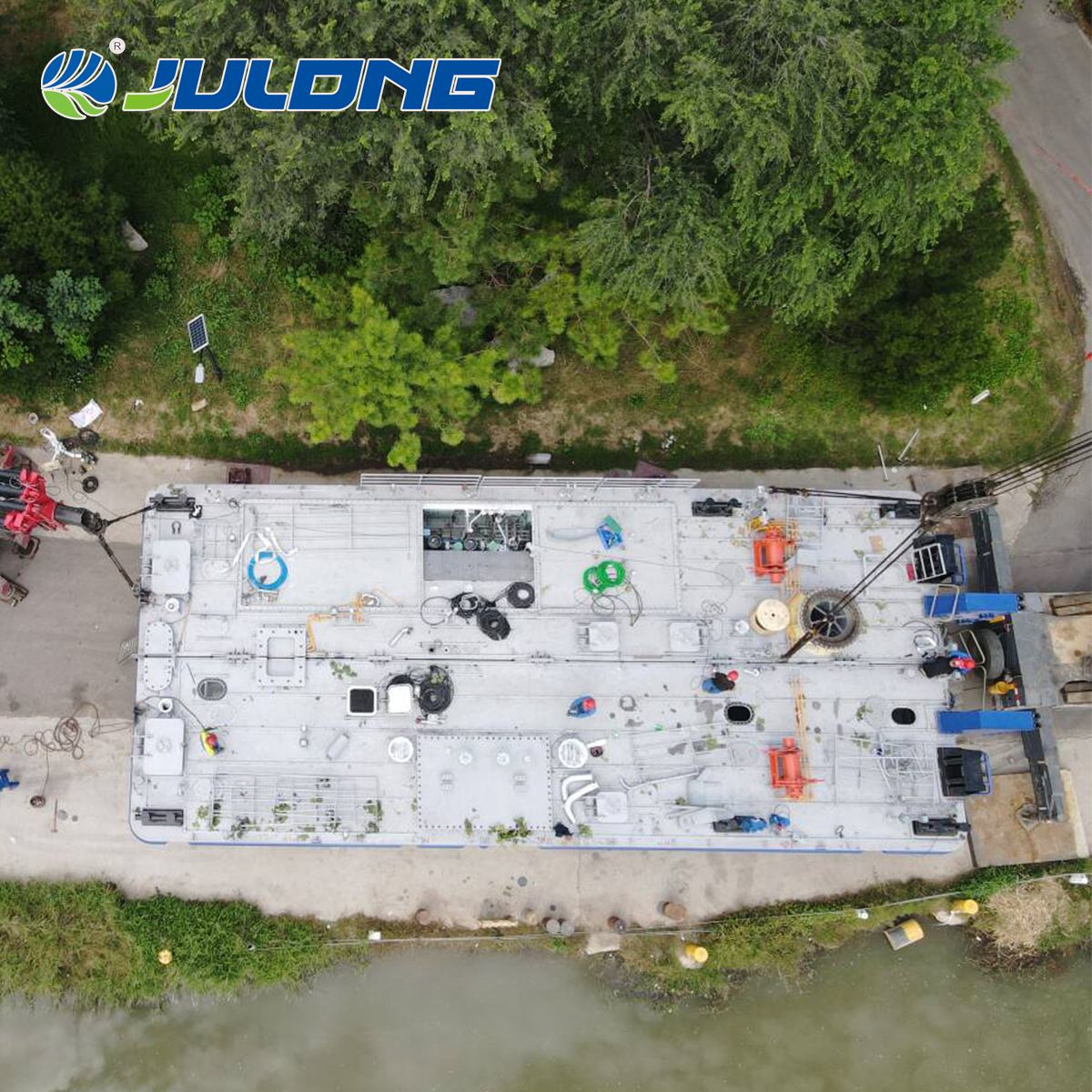
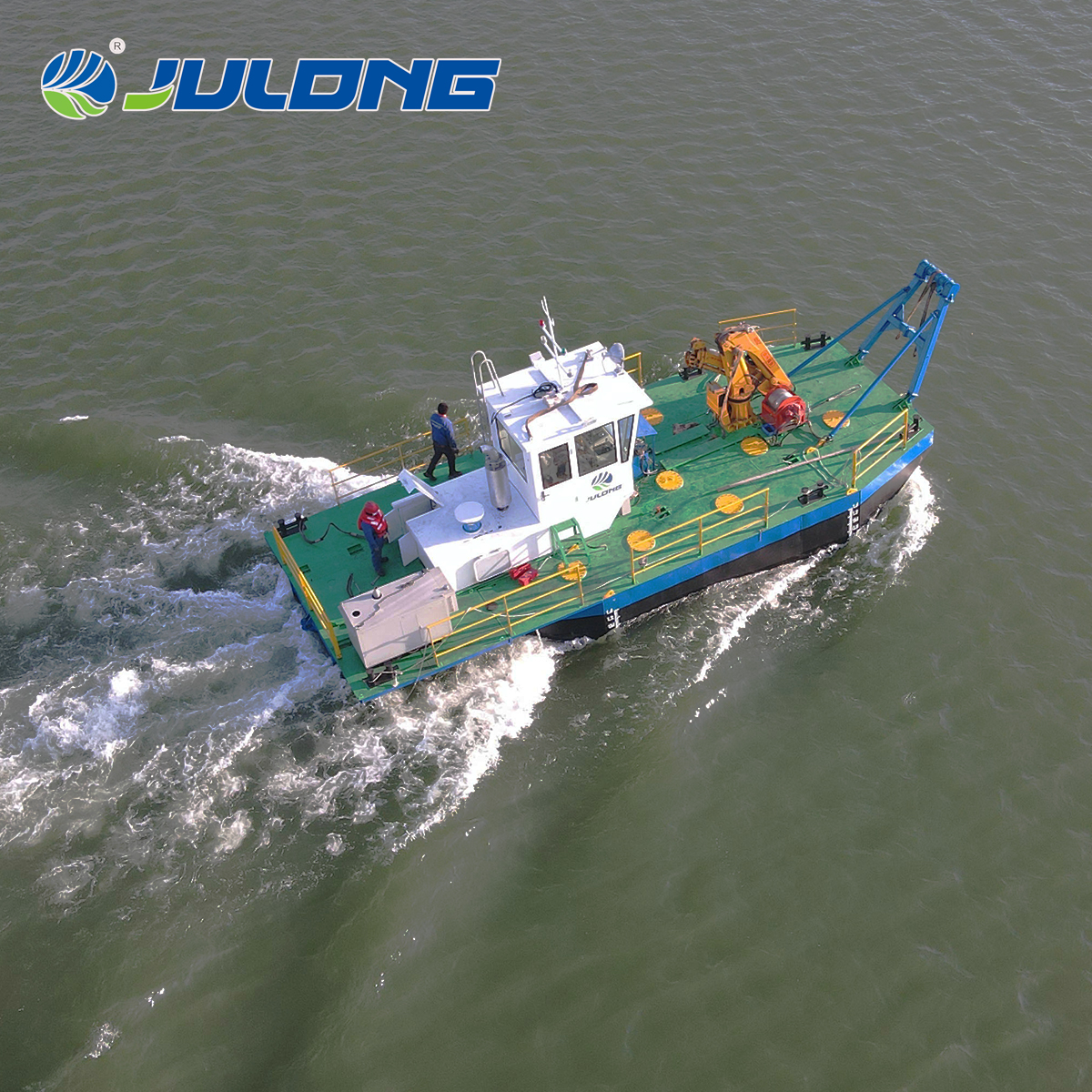
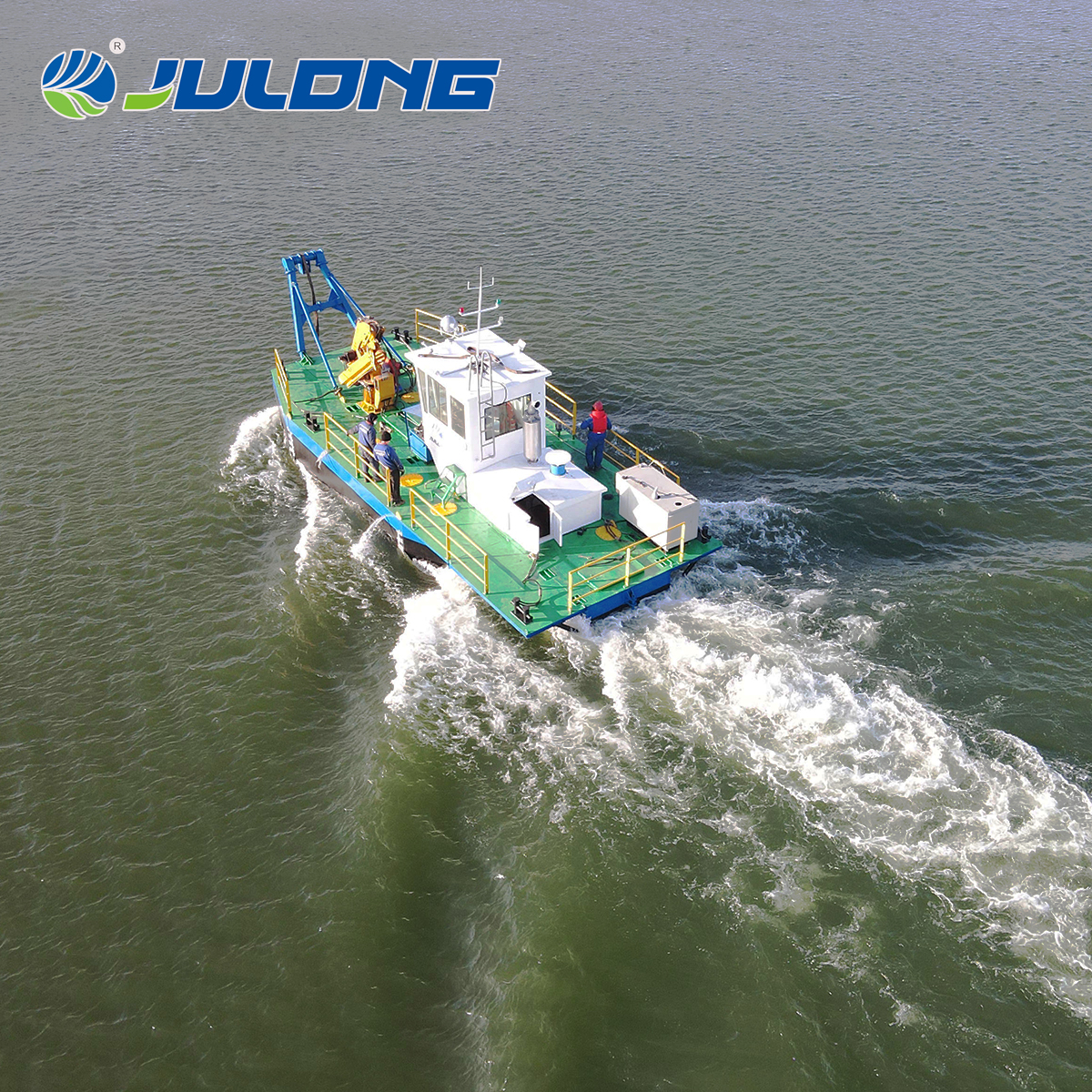
Customization Options: Many manufacturers offer customizable designs to meet specific operational needs, such as deck layouts, storage options, and equipment installations. This flexibility allows buyers to tailor boats to their precise requirements, making choices like the JLWB1600 Multi-function Work Boat a valuable consideration.

Low Maintenance: Aluminum work boats generally require less maintenance compared to those made from other materials. Regular cleaning and inspections can keep them in optimal condition, reducing downtime.

A Step-by-Step Approach

A Step-by-Step Approach

When purchasing aluminum work boats, following a systematic approach can help ensure you make the right choice:

Define Your Needs: Clearly outline the intended use, operational environment, and specific requirements for the work boat. This foundational step will guide your selection process.

Research Manufacturers: Identify reputable manufacturers that specialize in aluminum work boats. Look for companies with experience in the industry, preferably those that can demonstrate relevant certifications such as ISO or CE.

Review Specifications: Compare the specifications of various models offered by different manufacturers. Pay close attention to material quality, dimensions, and features that align with your needs.

Request Quotes: Once you have narrowed down your options, request detailed quotes from the manufacturers. Ensure that the quotes include information on pricing, lead times, and any customization options.

Evaluate Samples: If possible, inspect a sample of the work boat or visit the manufacturer’s facility. Evaluating the build quality and materials firsthand can provide valuable insights.

Confirm Warranty and Support: Inquire about warranties and after-sales support. A robust warranty and responsive customer service are indicators of a trustworthy manufacturer.

Common Problems with Aluminum Work Boats and Their Solutions

While aluminum work boats are known for their durability, buyers should be aware of common issues that may arise:

Corrosion: Despite aluminum's resistance to rust, it can still corrode if not properly maintained. Regular inspections and cleaning, especially in marine environments, can mitigate this risk.

Welding Issues: Poor welding can lead to structural weaknesses. It is essential to ensure that the manufacturer employs skilled welders and follows industry standards during production.

Design Flaws: A design that does not account for specific operational requirements can lead to performance issues. Always verify that the boat’s design is suitable for your intended applications through detailed discussions with the manufacturer.

Maintenance Oversight: Neglecting routine maintenance can shorten the lifespan of the boat. Establish a regular maintenance schedule that includes inspections and repairs to keep the vessel in optimal condition.

By understanding these potential issues and proactively addressing them, buyers can ensure their aluminum work boats remain reliable and effective in their operations.

In summary, purchasing aluminum work boats involves careful consideration of specifications, manufacturer reputation, and operational requirements. By following a structured approach and being aware of common pitfalls, buyers can make informed decisions that support their project needs.

Choosing the Right Aluminum Work Boats for Your Projects

Selecting the right aluminum work boat for your project involves evaluating specific needs and operational requirements. Consider the intended use of the boat—whether it’s for dredging, transportation, or maintenance tasks. The size and load capacity are vital; they must align with the tasks you expect the boat to perform. Additionally, assess the boat's design features, which include hull shape, stability, and maneuverability, as these factors influence performance in various water conditions. For instance, if your project involves dredging, you might want to explore options like the JLCSD700 Cutter Suction Dredger for heavy-duty hydraulic operations.

Buyers should also consider the environmental conditions where the boat will operate. For instance, a work boat used in shallow rivers may require a different design and specifications compared to one used in deeper, open waters. Understanding your project requirements will help you select a boat that optimizes performance and safety.

Frequently Asked Questions

What sizes of aluminum work boats do you offer?

We provide a range of aluminum work boats in various lengths and capacities tailored to dredging, survey, and transport tasks. Customized dimensions are available to match specific project needs.
Yes. Our aluminum work boats are designed for river and lake operations, offering durability, stability, and corrosion resistance for inland water projects.
Our products are manufactured in an ISO/CE certified facility, ensuring quality control, safety standards, and reliable performance for professional use.
Absolutely. We customize hulls, deck layouts, and fittings to integrate with cutter suction dredgers, amphibious dredgers, excavators, or other project-specific equipment.
We offer technical support, spare parts supply, and international shipping from our 12,000 m² facility. Service packages and training can be arranged to ensure operational readiness.

Get a Free Quote

Our representative will contact you soon.
0/1000