Key Considerations for Sourcing Sea Dredgers

application/sea-dredger, application/sea-dredger, 
Inquiry
Inquiry

sea dredger

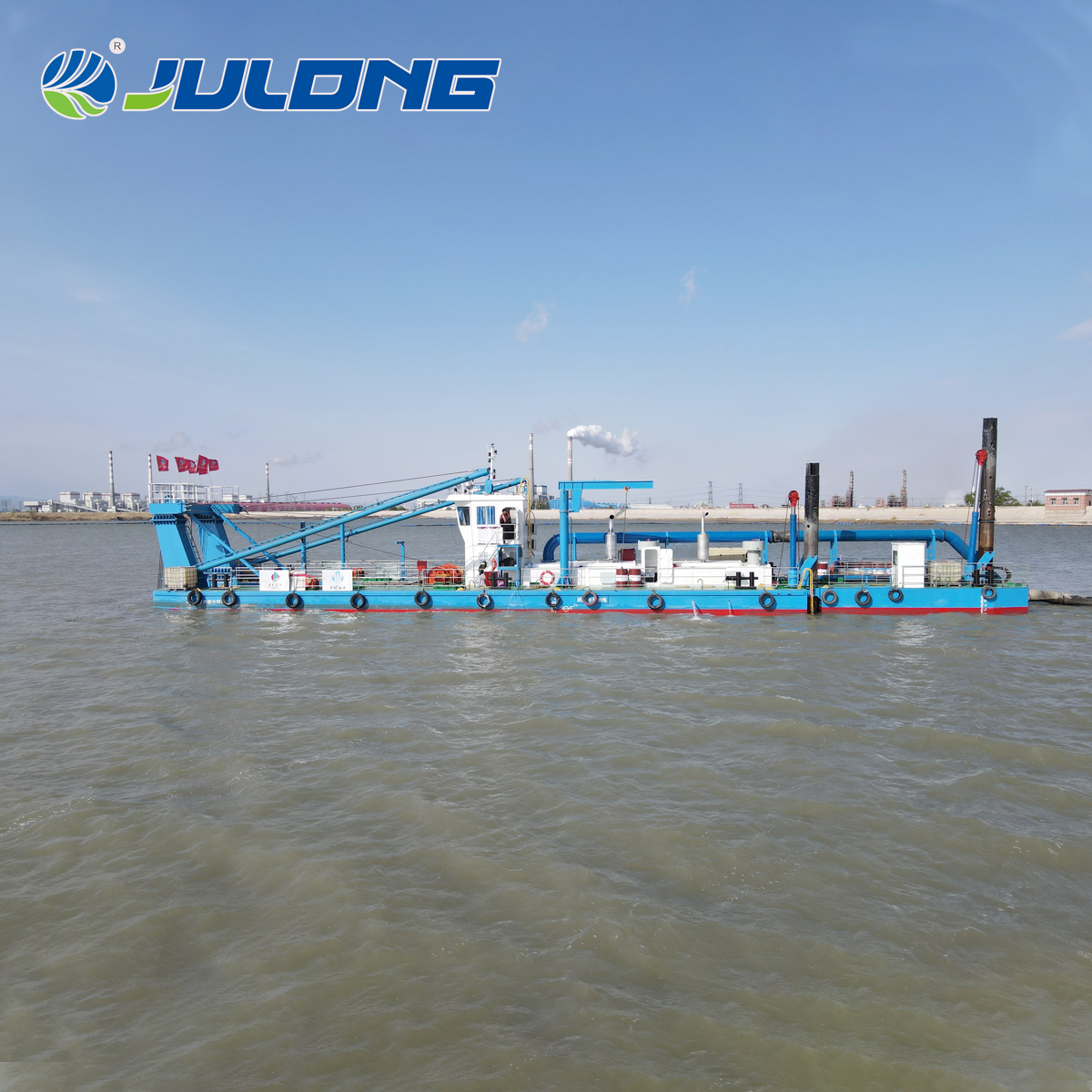
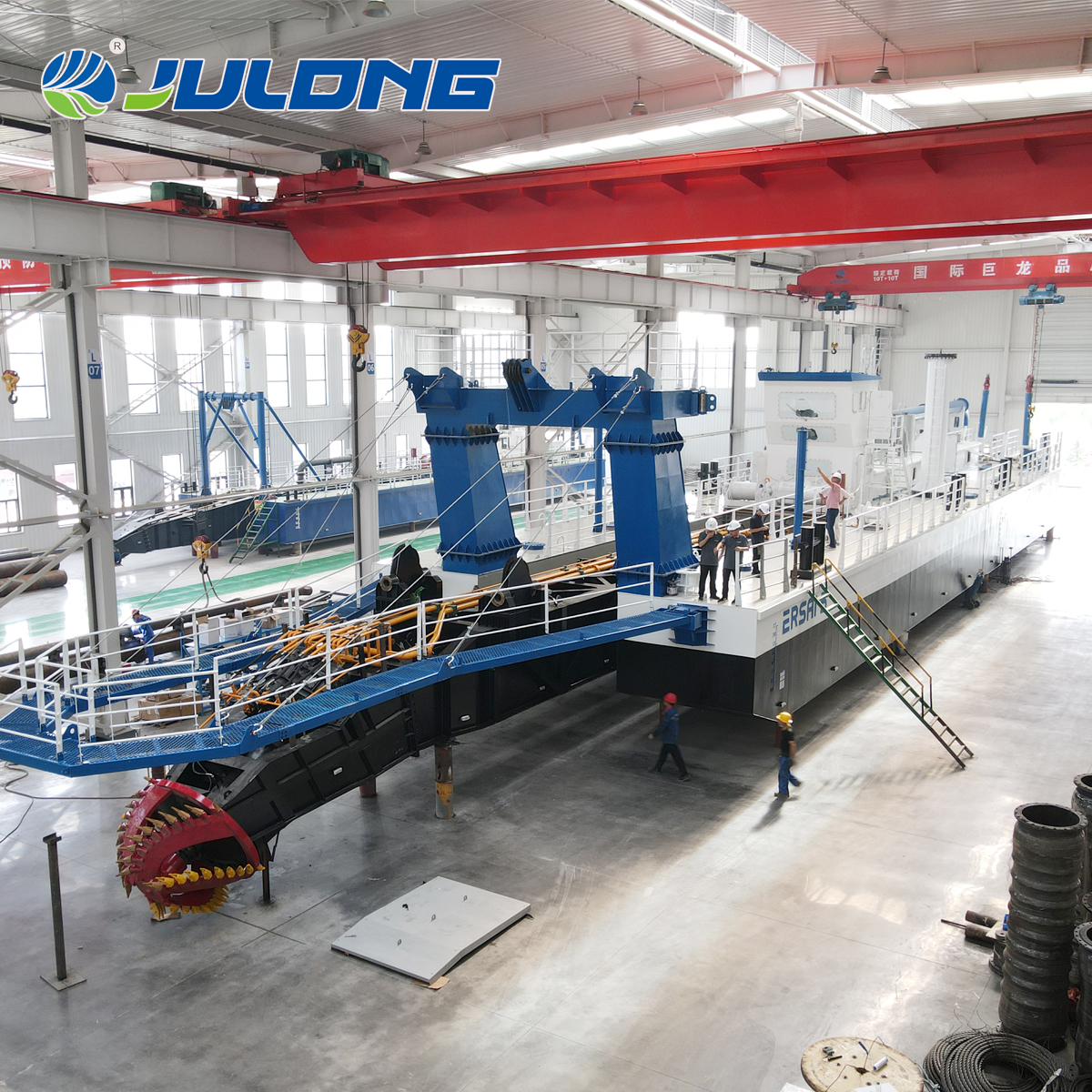
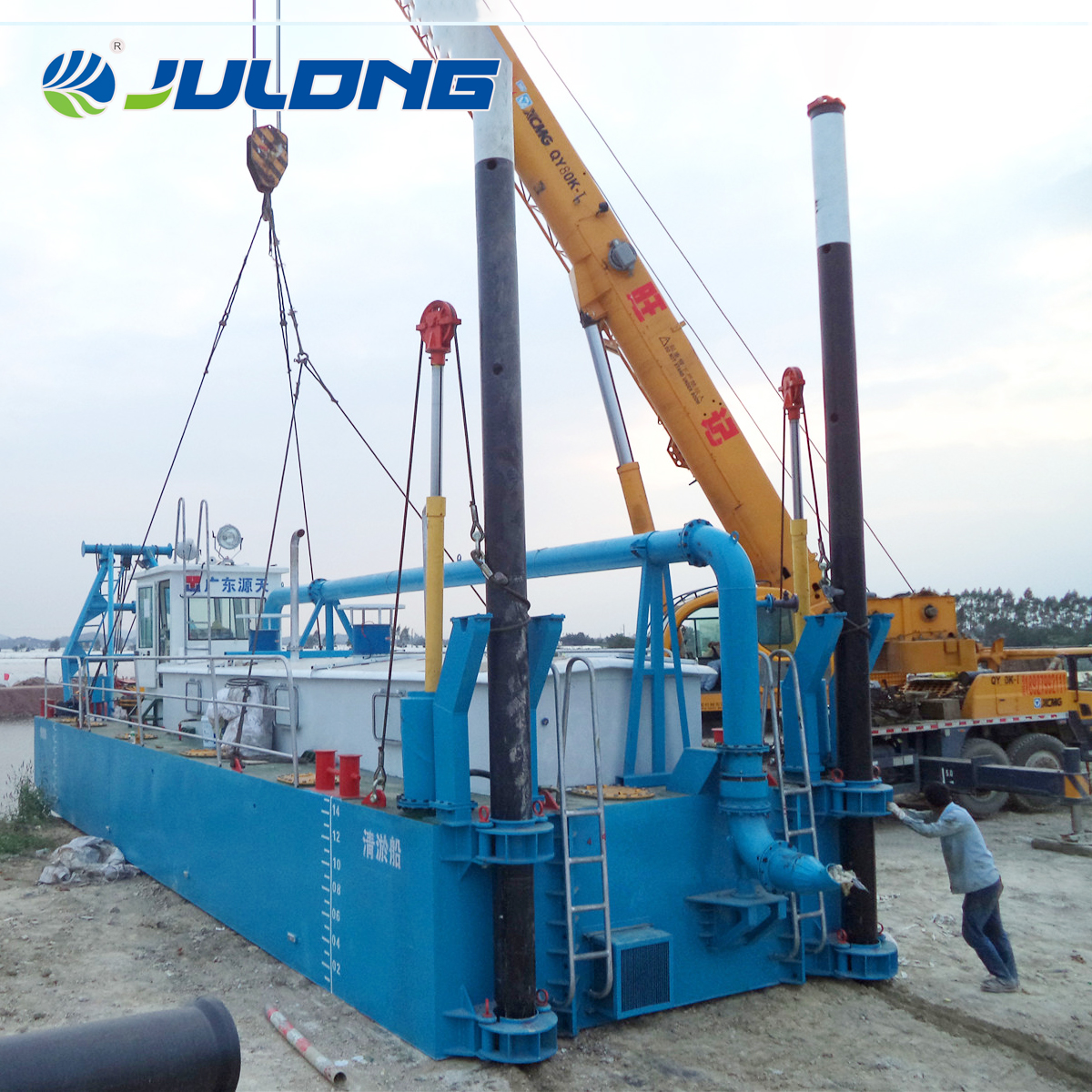
Sea dredgers are specialized vessels  designed for the purpose  of excavating and removing sediment, debris, or other materials  from underwater  environments such as rivers, lakes, and ports.  For  businesses involved in construction, environmental  remediation, or  marine  engineering, selecting  the right  sea  dredger is crucial.  Key concerns for B2B buyers typically  include product specifications, suitability for specific  applications, quality assurance, and  cost-effectiveness. This article will help you navigate essential considerations when sourcing sea dredgers, including specifications, finding reliable suppliers, common installation challenges,  applications across industries, and cost  factors  when purchasing  in bulk.  To gain insights into the different types of dredging equipment available, you might also explore options like Dredger and Amphibious Equipment.

Where to Find Reliable Suppliers of Sea Dredgers Globally

Where to Find Reliable Suppliers of Sea Dredgers Globally

Finding a reputable  supplier for sea dredgers is essential for ensuring quality and reliability. Here are several avenues to explore:

Industry Trade Shows and Expos: Attending trade shows focused on marine and  construction equipment can provide direct access to manufacturers and suppliers. Events like the International Dredging and Coast Conference allow for  hands-on evaluations and discussions about capabilities.

Online Marketplaces: Websites  like Alibaba or Global Sources often  list manufacturers and  suppliers of sea dredgers. However, due diligence is necessary to verify supplier credibility through  reviews and feedback.

Industry Associations: Organizations such as the International Association of Dredging Companies (IADC) maintain  directories  of members, which can include reliable dredger manufacturers.  

Networking: Building relationships with industry peers can lead to recommendations for trustworthy suppliers. Engaging in forums or LinkedIn  groups related  to  dredging and marine engineering may provide valuable insights.

Local Agents: Depending  on your location, local agents  or distributors may represent international  manufacturers.  They can provide  localized support and facilitate communication.

By leveraging these  resources, businesses can identify suppliers that offer quality sea dredgers while ensuring compliance with  regional regulations.

Common Installation Challenges with Sea Dredgers and Solutions

Common Installation Challenges with Sea Dredgers and Solutions

When installing sea dredgers, several  challenges  may arise. Being aware of these can help mitigate risks and ensure a smoother process:

Site Conditions: Varying underwater  conditions, such as sediment type and water  depth, can complicate installation. Conducting a thorough site survey before installation can help identify potential issues.

Equipment  Compatibility:  Ensuring that the dredger is  compatible with existing machinery (e.g., pumps and  support  vessels) is crucial. Buyers should confirm compatibility with suppliers to avoid costly modifications later.

Logistical  Hurdles: Transporting large dredgers to the site can pose challenges. Planning for logistics, including obtaining necessary permits and ensuring access routes are clear, is vital.

Training and Operation: Operators must be trained  to effectively  use  the dredger. Investing in training programs or hiring experienced personnel can enhance operational efficiency and safety.

Maintenance Access: Design considerations for maintenance access can be overlooked. Ensuring that the dredger allows easy access for routine checks and repairs  can prevent downtime.

By proactively addressing these challenges,  businesses can ensure successful installation and optimal  performance  of their dredging  equipment.

Exploring the Applications of Sea Dredgers in Various Industries

Exploring the Applications of Sea Dredgers in Various Industries

Sea  dredgers play a pivotal role  across  multiple industries. Here’s  an overview of some key applications:

Construction and Infrastructure: Dredgers are commonly used  in the construction of ports, marinas, and bridges. They help in creating and maintaining navigable waterways, which are essential for transporting materials and goods.

Environmental Remediation: In projects aimed at cleaning contaminated waterways, dredgers remove polluted sediments. This application  is crucial for restoring  ecosystems and ensuring compliance with environmental regulations.

Mining: Dredgers are  employed in  underwater mining operations, where they extract valuable minerals and  materials from riverbeds and  seabeds.

Land  Reclamation: In land reclamation projects, dredgers are used to deposit sediments to create new landmass, particularly  in coastal areas. This  is vital for urban development and  expanding usable land.

Maintenance Dredging: Regular  maintenance of waterways is necessary to prevent sediment buildup that can impede navigation. Dredgers are used  to periodically remove this material, ensuring safe passage for vessels.

Understanding these applications helps businesses determine the right dredger for  their  specific projects, ultimately influencing the  overall success of their operations.

Cost Factors to Consider When Buying Sea Dredgers in Bulk

When purchasing sea dredgers in bulk, several cost factors must be taken into account to ensure budgetary alignment:

Initial Purchase Price: This is the most obvious cost, but it can vary significantly based on specifications, materials, and  supplier reputation. Comparing  multiple  quotes helps identify competitive  pricing.

Customization Costs: If specific modifications are required, these will add to the overall cost. It's essential to communicate customization needs upfront  to receive accurate quotations.

Shipping and Handling: Bulk purchases may incur additional  shipping costs. Understanding the  logistics involved, including freight options and associated fees, is crucial for accurate budgeting.

Operational Costs: Consider the long-term operational costs, including fuel efficiency, maintenance, and potential repair needs. Choosing a dredger  that is  economical to operate can lead to significant  savings  over time.

Financing Options: Some  suppliers  may offer financing  or leasing options, which can impact cash flow. Evaluating these options in the context of your  financial strategy can help manage costs effectively.

Warranty and Support: Understanding warranty terms and the availability of parts and service support can also  affect the total cost of ownership. A reliable warranty  can prevent unexpected expenses down the line.

By considering these factors, purchasing managers can make  informed  decisions that align with their financial planning, ensuring  a cost-effective acquisition of sea dredgers.

Key Specifications to Consider When Sourcing Sea Dredgers

When sourcing  sea dredgers, understanding the key  specifications is vital  to ensure that the equipment meets your operational needs. Consider the following specifications:

Dredging Depth and Width: These dimensions determine the dredger's capability to operate effectively in the intended environment. For instance, a cutter suction dredger typically has a  defined dredging depth that should align with project requirements.

Power and Efficiency: Evaluate the engine power and fuel efficiency. Higher power may be  necessary for challenging environments. Efficiency is crucial for reducing operational costs over time.

Material Construction: The materials used in the  dredger's  construction affect  durability and  resistance to wear. Look  for vessels made from high-strength  steel or other corrosion-resistant materials, especially if they will operate in saltwater conditions.

Pump Capacity: This  specifies how much material the dredger can move within a given time frame. A higher pump  capacity is often essential for large-scale projects.

Mobility  and Stability: Factors such as the  dredger's design (e.g., amphibious capabilities) and stability in various water conditions should be assessed. This impacts the dredger's  operational versatility.

Certification:  Verify  that the dredger meets relevant international certifications such as ISO/CE, which ensures  compliance with quality and safety standards.

Understanding these specifications enables purchasing managers to make informed decisions, ensuring that the dredger selected is  fit for its intended purpose.

Frequently Asked Questions

What is a sea dredger used for?

A sea dredger removes sediment, deepens channels, reclaims land, and supports port, harbor, and coastal maintenance projects efficiently.
We supply cutter suction dredgers and amphibious dredgers tailored for river, lake, and port projects, plus excavator-mounted dredging options.
Our equipment meets ISO and CE certifications and is built in our 12,000 m² facility to ensure durability and reliable performance.
We serve 93 countries worldwide and provide sales, technical support, parts, and after-sales service for international projects.
Contact our sales team with project scope, site conditions, and capacity needs; we will provide tailored specifications, drawings, and a quotation.

Get a Free Quote

Our representative will contact you soon.
0/1000