Key Specifications for Industrial Dredging Equipment

application/industrial-dredging, application/industrial-dredging, 
Inquiry
Inquiry

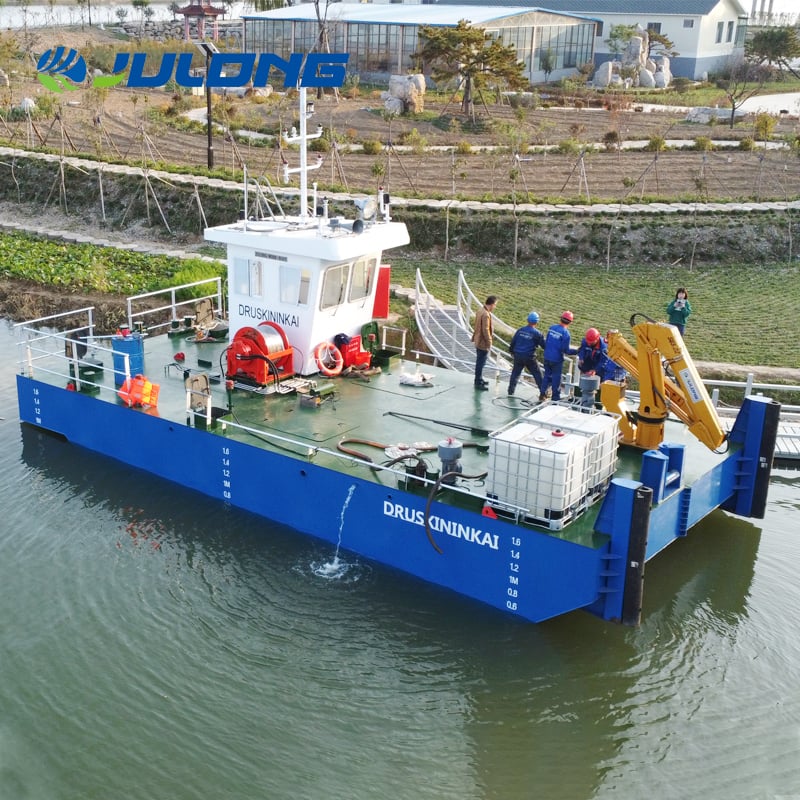
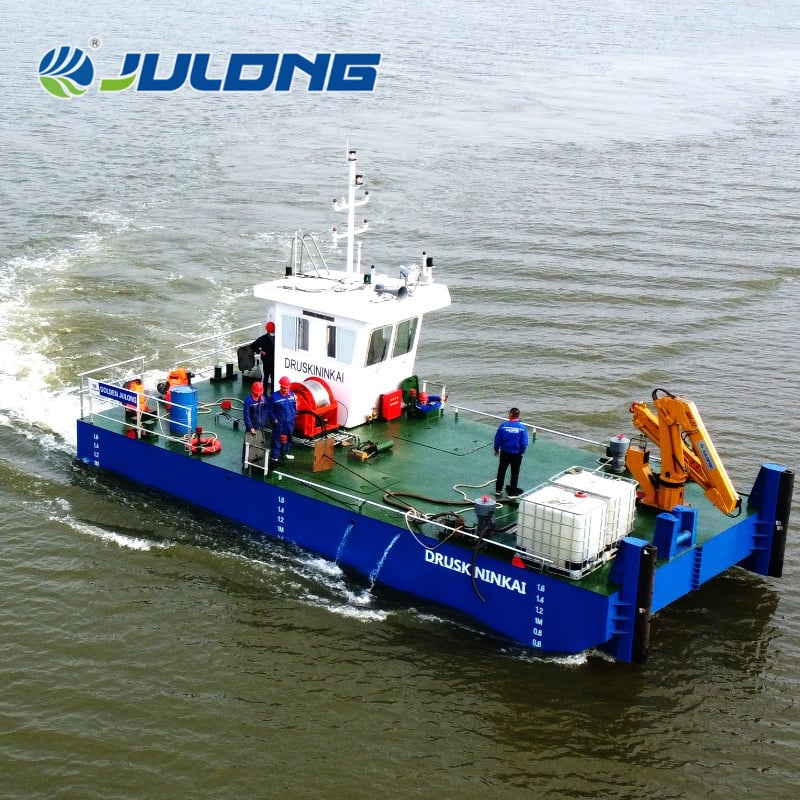
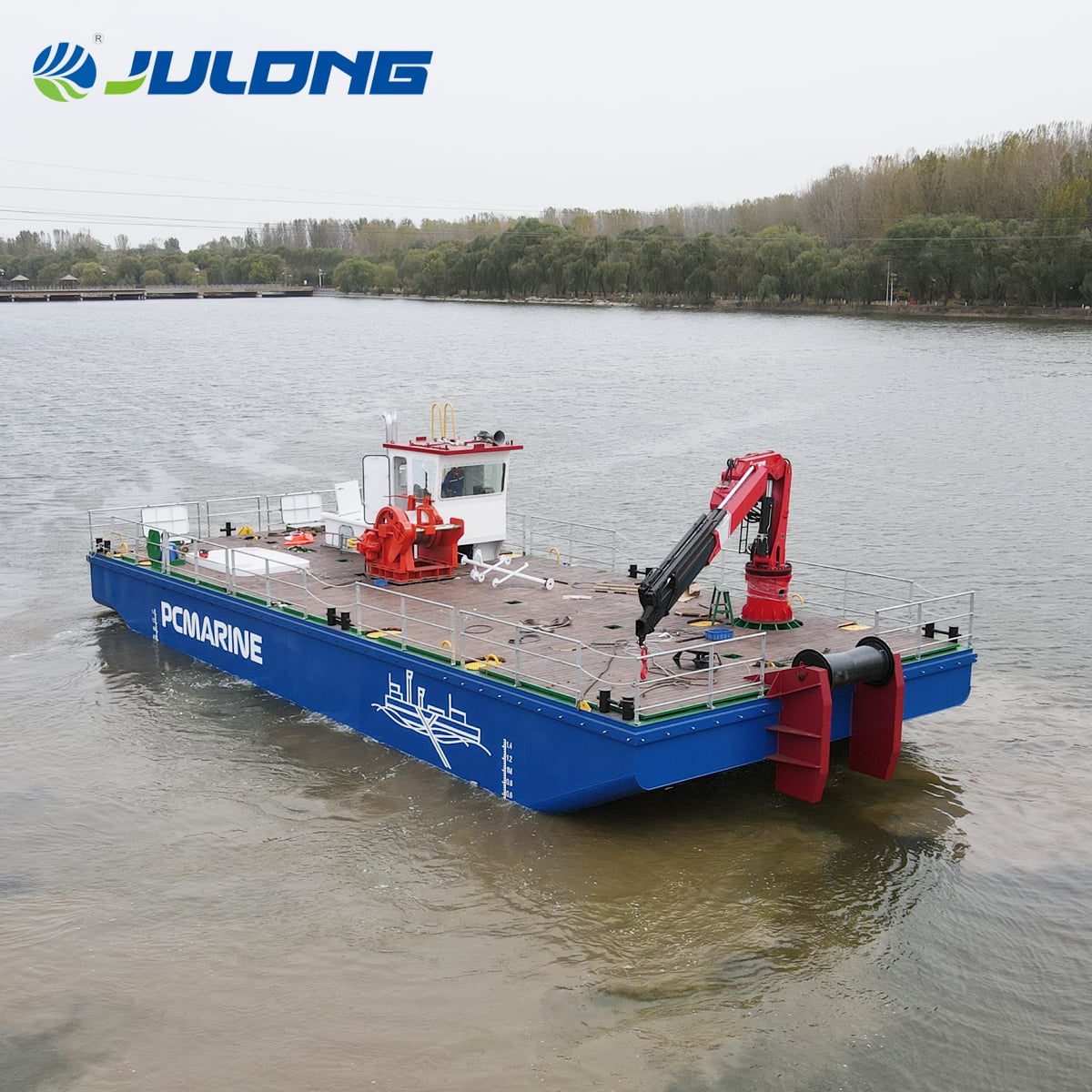
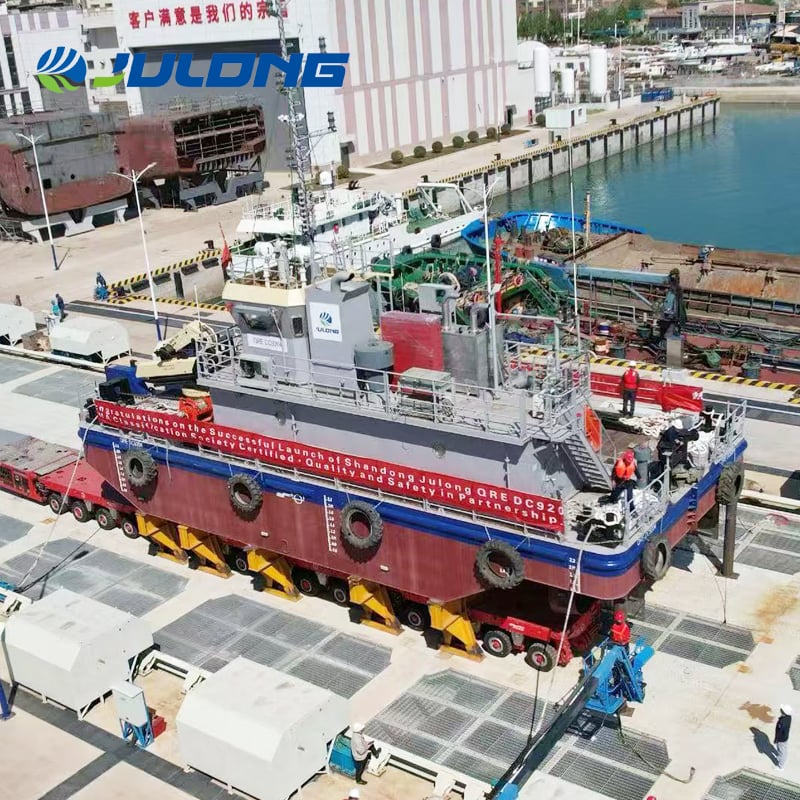
Industrial dredging

Industrial dredging is a critical process in various sectors, including environmental management, construction, and resource extraction. It involves the removal of sediment and debris from water bodies to improve navigation, restore ecosystems, or facilitate construction activities. For purchasing managers and project engineers,  understanding the manufacturer reputation specifications, features, and best practices associated with dredging equipment equipment is essential. This article will provide insights into key specifications, what to consider when purchasing, best practices for operation, and quality assurance measures to help you make informed decisions. 

What to Look For

What to Look For

When selecting industrial dredging equipment, buyers should focus on several critical factors: 

Manufacturer Reputation: Choose a reputable manufacturer with a track record of reliability and quality, such as Qingzhou JULONG Environmental Technology Co., Ltd., which specializes in durable, efficient dredging solutions. 

Customization Options: Assess whether the manufacturer offers customization to meet specific project needs, such as modifications for special environmental conditions or operational requirements. 

Certifications: Look for ISO and CE certifications, which indicate adherence to international quality and safety standards. This not only ensures compliance but also enhances trust in the product's performance. 

Material Quality: The materials used in construction must withstand harsh conditions. High-quality steel and corrosion-resistant coatings enhance durability and reduce maintenance costs over time. 

Support and Training: Verify if the manufacturer provides support services, including training for operators, maintenance guidance, and access to spare parts. 

By focusing on these factors, buyers can select dredging equipment that aligns with their manufacturer reputation operational goals and minimizes potential risks. 

Best Practices

Best Practices

To maximize the efficiency and longevity of industrial dredging equipment, consider these best practices: 

Regular Maintenance: Implement a scheduled maintenance program to ensure all components are functioning optimally. Regular inspections can identify wear and tear early, preventing costly repairs. 

Operator Training: Invest in comprehensive training for operators to ensure they are familiar with equipment functions, safety protocols, and best operational practices. Proper training can enhance productivity and reduce accidents. 

Environmental Considerations: Be mindful of environmental regulations and best practices when dredging. Using silt curtains and monitoring sediment dispersion can mitigate ecological impacts. 

Sample Testing: Before full-scale operation, conduct sample tests to assess dredging efficiency and adjust operational parameters as necessary. This can help refine processes and improve outcomes. 

By adhering to these best practices, operators can enhance the performance of their dredging operations while minimizing environmental impacts. 

Features and Benefits of Each Type

Features and Benefits of Each Type

Industrial dredging equipment generally falls into different categories, each offering unique features and benefits: 

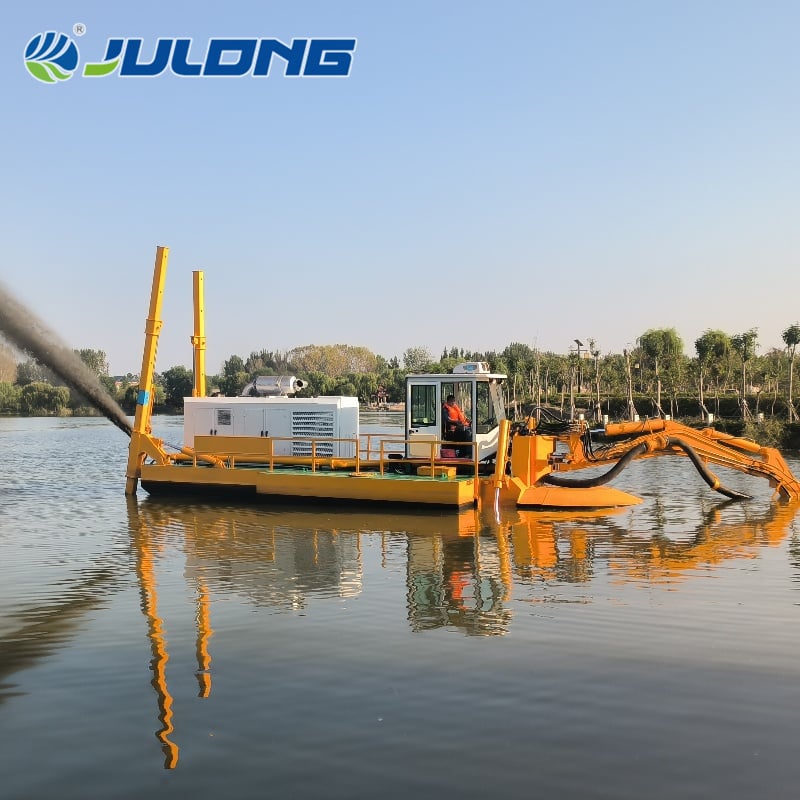
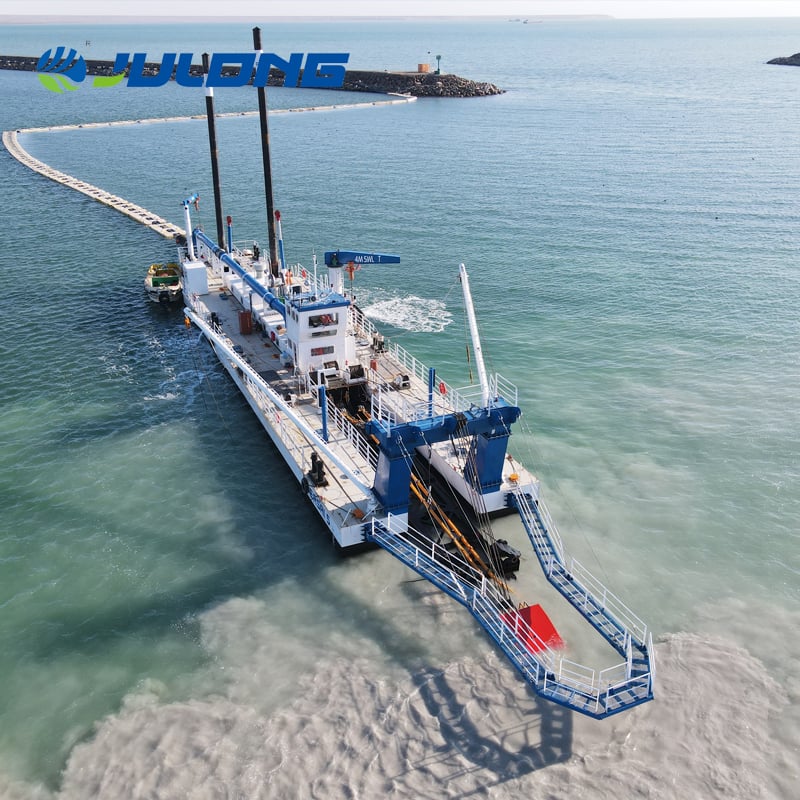
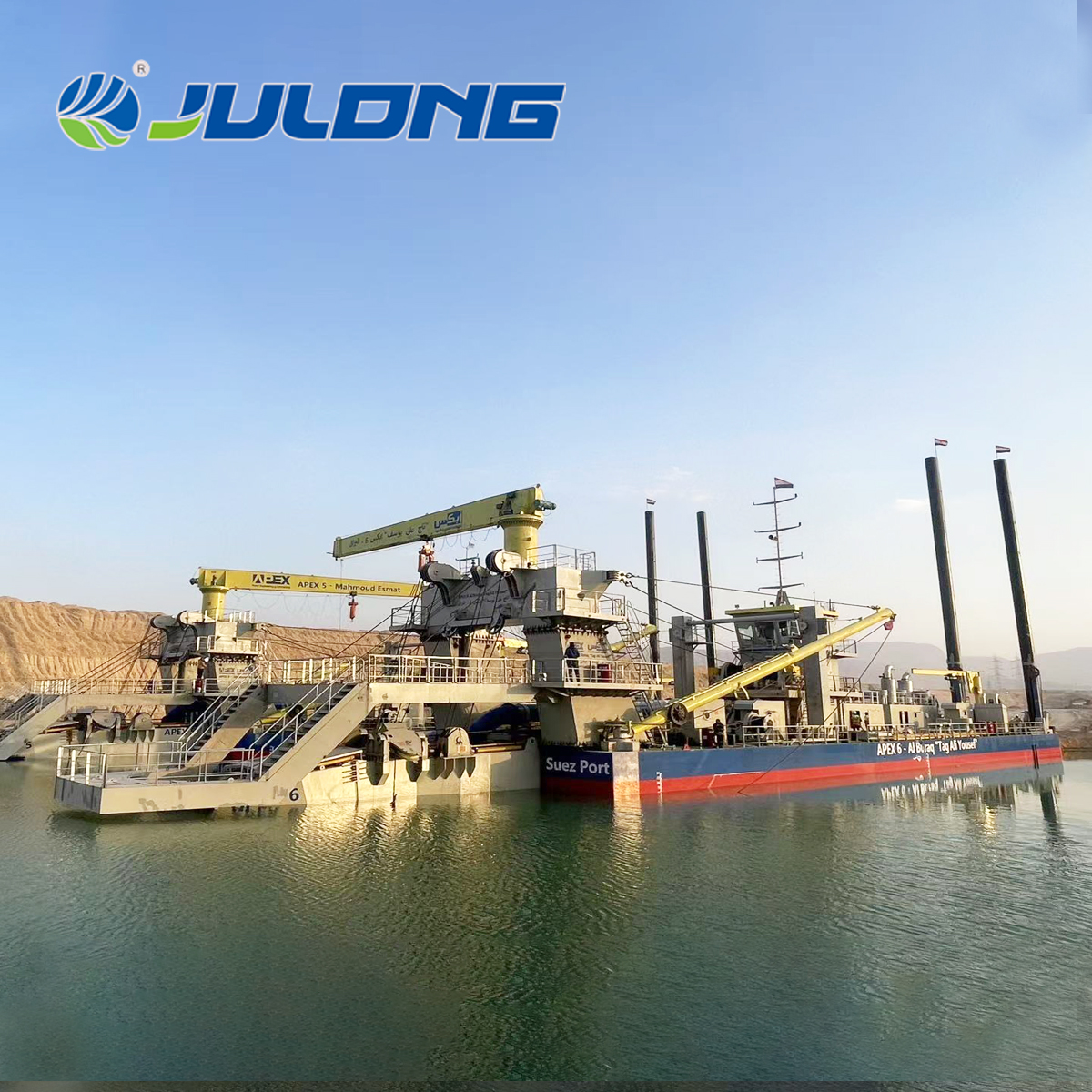
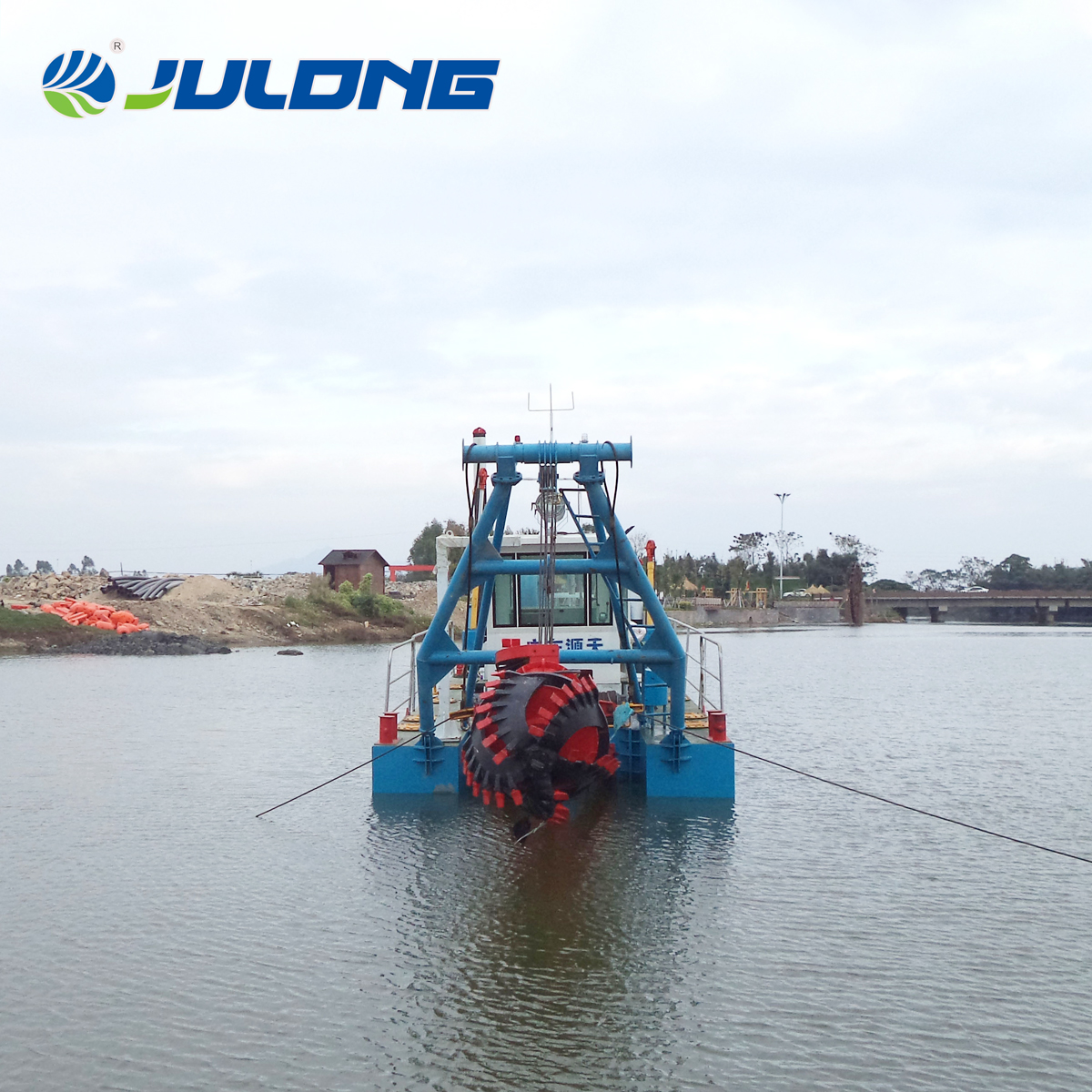
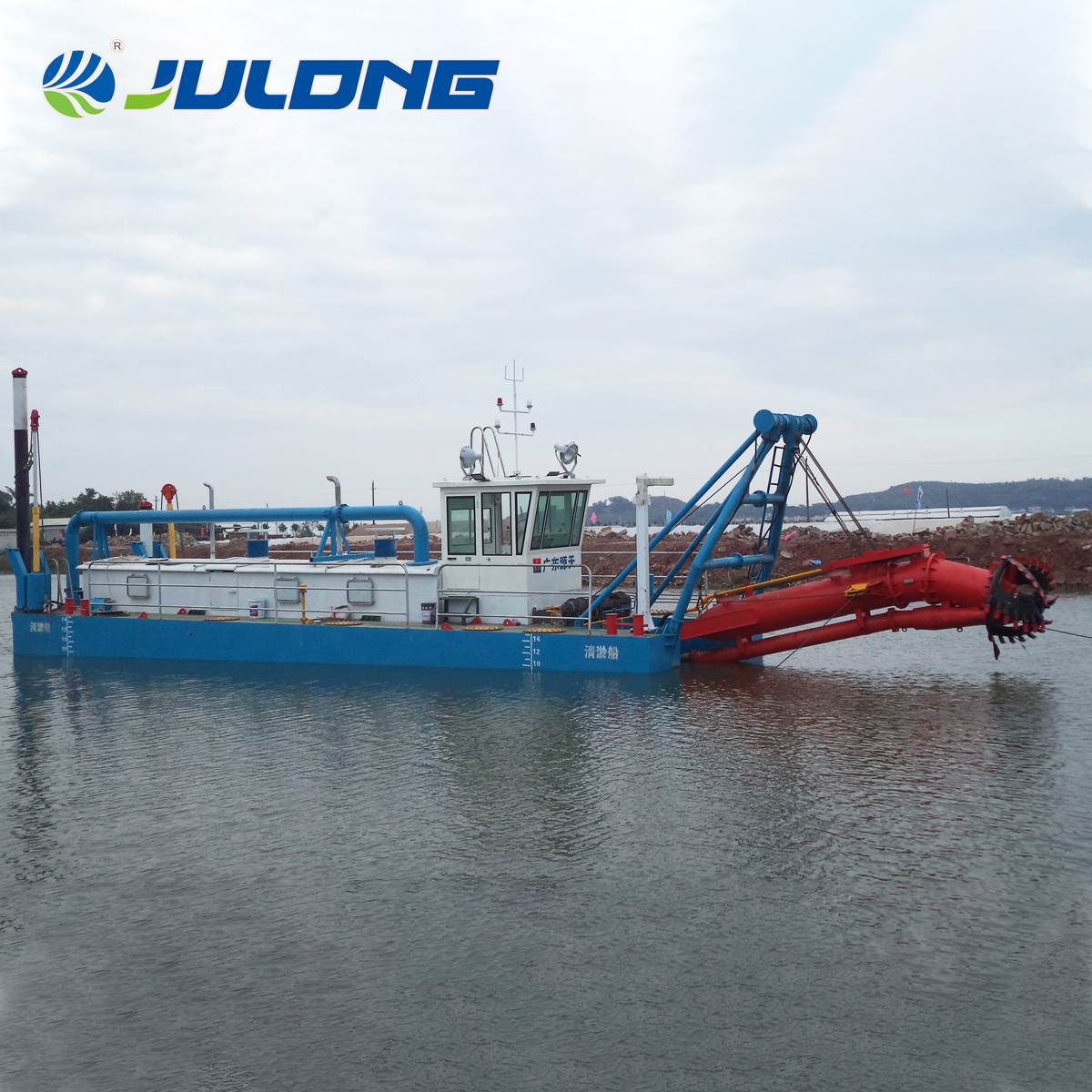
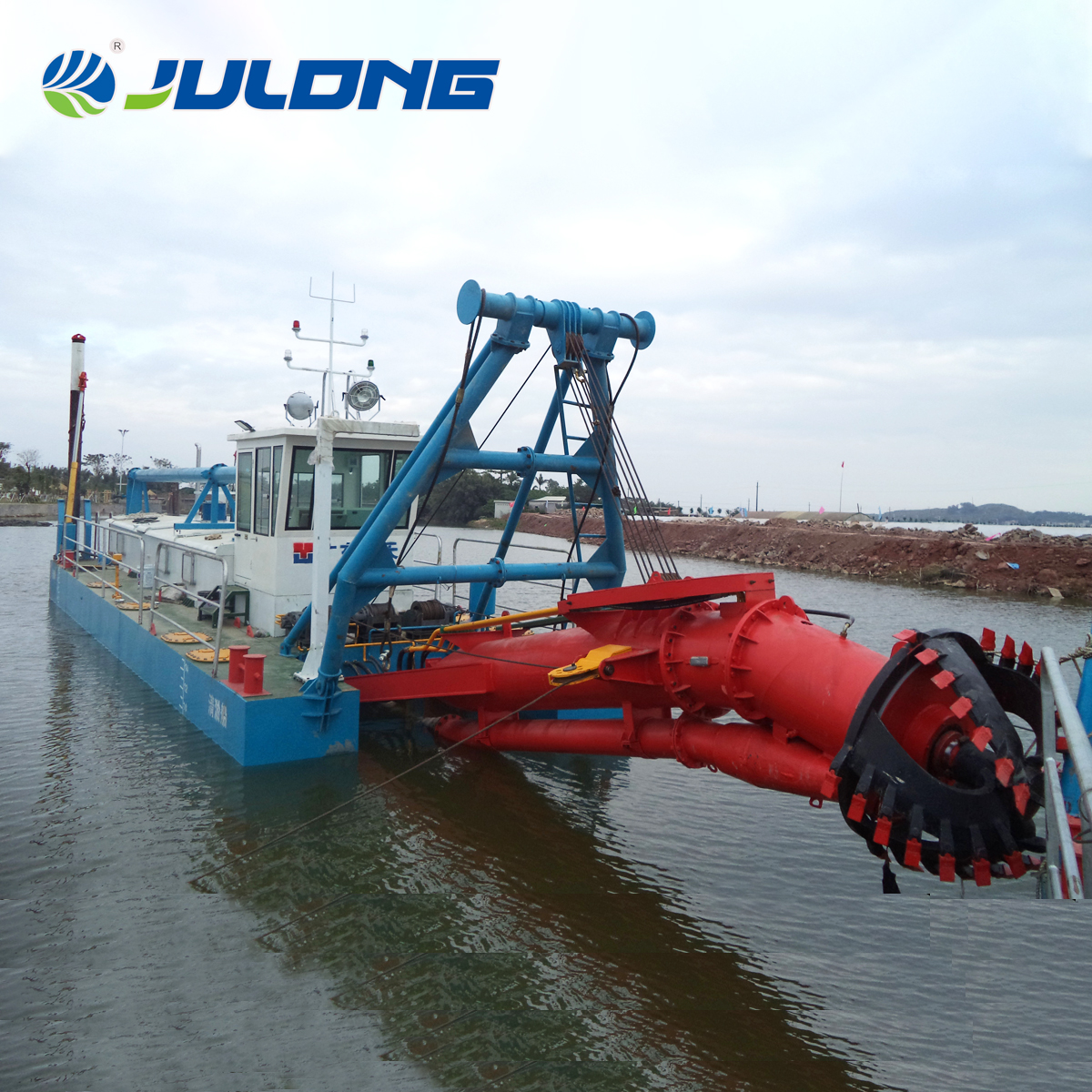
Cutter Suction Dredgers: These manufacturer reputation are ideal for deep dredging applications. Equipped with rotating cutters, they can break up tough materials before suctioning them. Their versatility makes them suitable for various sediment types. 

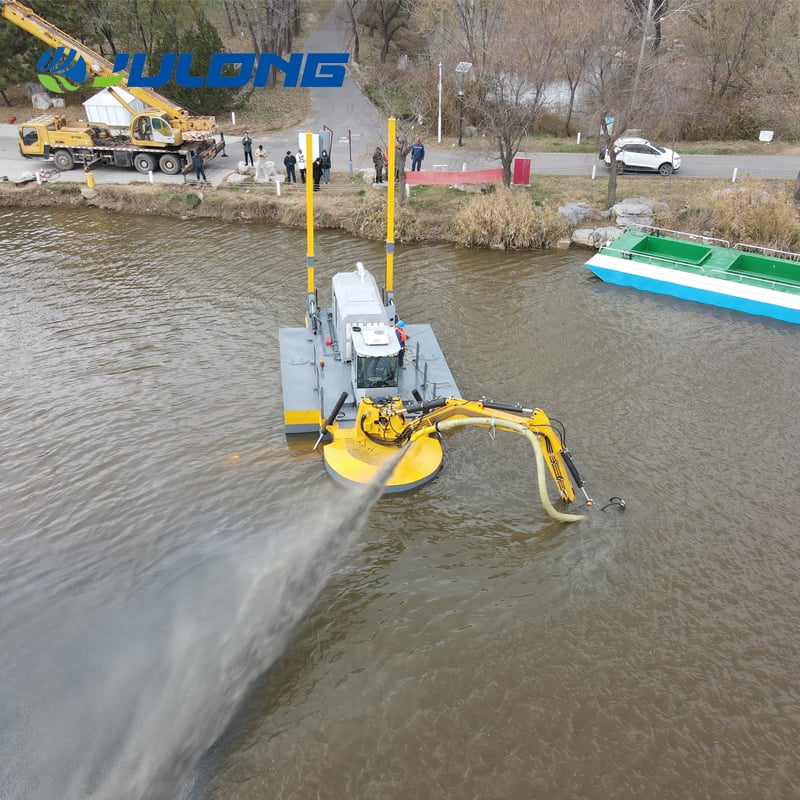
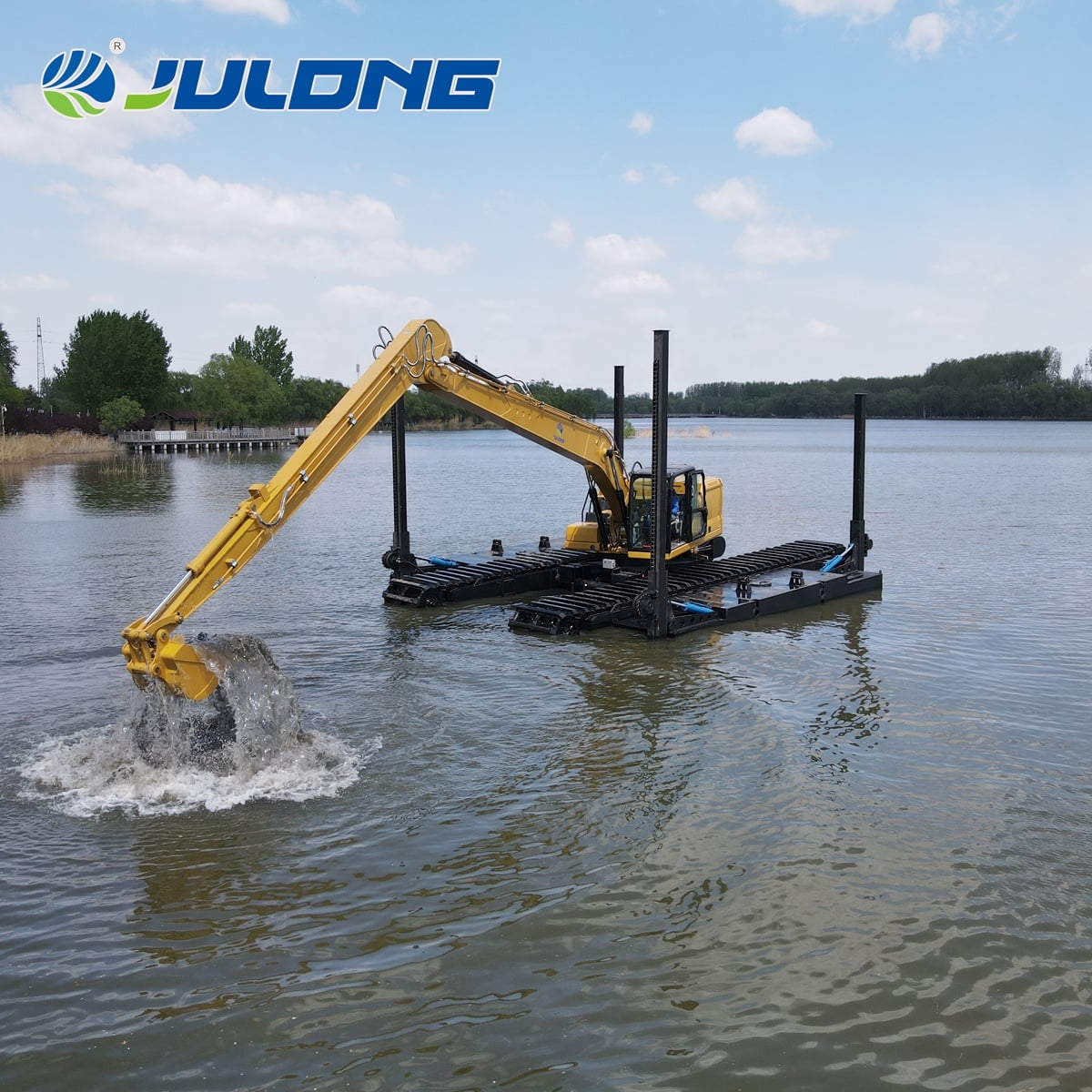
Amphibious Dredgers: Designed for shallow waters and marshy areas, amphibious dredgers can operate on land and water. They are particularly useful for environmental restoration projects where access may be challenging. 

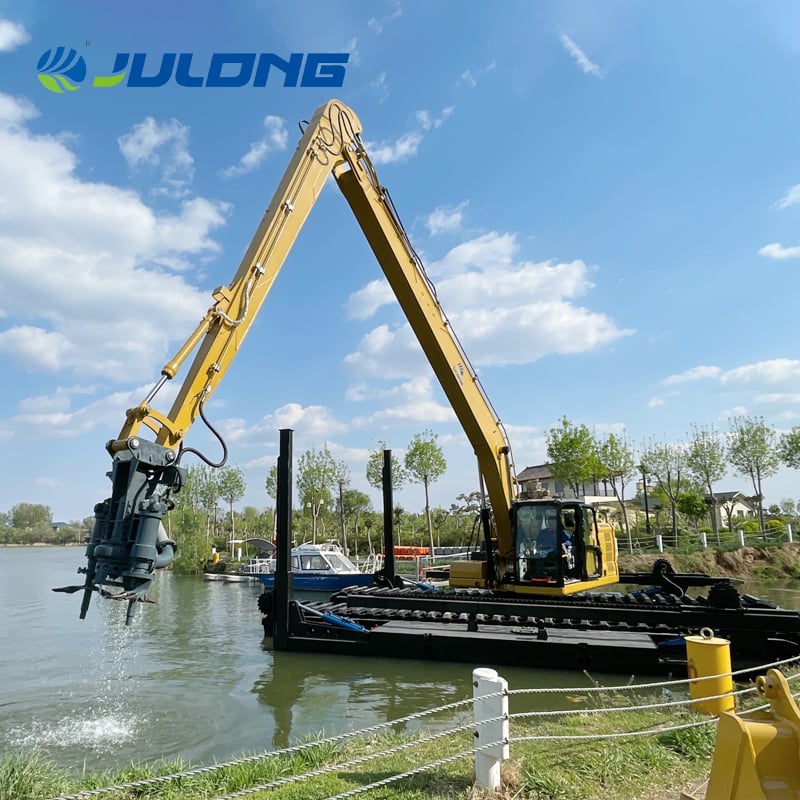
Excavators: While not traditional dredgers, excavators can be used for dredging applications when equipped with appropriate attachments. They provide flexibility in construction and maintenance projects. 

Each type of equipment serves specific applications and operational environments, making it important for buyers to select the appropriate type based on project requirements. 

Ensuring Quality Assurance

Quality assurance is paramount in industrial dredging to guarantee that the equipment performs as expected. Here are essential steps to ensure quality: 

Pre-Production Samples: Request samples or prototypes before mass production. This allows buyers to evaluate design, materials, and functionality, ensuring the final product meets expectations. 

Quality Control Processes: Understand the manufacturer's quality control processes. Reputable manufacturers implement rigorous testing and inspection protocols to ensure that every unit meets quality standards. 

Documentation: Ensure that all certifications and compliance documents are provided. This guarantees that the equipment adheres to applicable regulations and quality benchmarks. 

Post-Purchase Support: Evaluate the manufacturer's after-sale support, and including warranty terms and availability of spare parts. A strong support system can save time and costs in case of issues post-purchase. 

By integrating these quality assurance measures into the manufacturer reputation purchasing process, buyers can significantly reduce the risk of operational failures and enhance the overall effectiveness of their dredging projects. 

In summary, understanding the intricacies of river dredging equipment, from specifications to best practices and quality assurance, empowers buyers to make informed purchasing decisions. By focusing on these aspects, purchasing managers and project engineers can enhance project efficiency and effectiveness, ultimately leading to successful outcomes in their dredging operations. 

Key Specifications for Buyers

When evaluating industrial dredging equipment, several key specifications must be considered. These include: 

Dredging Depth and Width: The dredger's operational capabilities are defined by its maximum dredging depth and width. This should align with the project requirements to ensure efficiency. 

Suction Capacity: Measured in cubic meters per hour, suction capacity determines how much sediment can be moved within a specified time frame. Higher capacity often leads to reduced operational time. 

Power and Engine Type: The power of the small dredging equipment dredger, typically expressed in horsepower or kW, is crucial for heavy-duty operations. Consider whether a diesel or electric engine is more suitable for your project needs. 

Mobility: Depending on the project location, mobility features such as amphibious capabilities or transportability may be necessary for accessing remote sites. 

Understanding these specifications is vital for ensuring that the manufacturer reputation equipment meets the demands of both current and future projects.  

Frequently Asked Questions

What types of industrial dredging equipment do you offer?

We supply cutter suction dredgers, amphibious dredgers, and excavators tailored for river, lake, and port projects with customization options for capacity and configuration.
Yes. Our equipment meets ISO and CE standards, ensuring compliance with international quality and safety requirements.
We offer installation guidance, commissioning support, operator training, and remote or on-site technical assistance to ensure proper setup and operation.
Yes. We customize dredger size, power, cutter head, pump specifications, and attachments to match project depth, soil conditions, and productivity goals.
We serve global clients across 93 countries, managing production from our 12,000 m² facility and coordinating logistics, export documentation, and after-sales service.

Get a Free Quote

Our representative will contact you soon.
0/1000