Choosing the Right Dredger Ship for Your Project

application/dredger-ship, application/dredger-ship, 
Inquiry
Inquiry

dredger ship

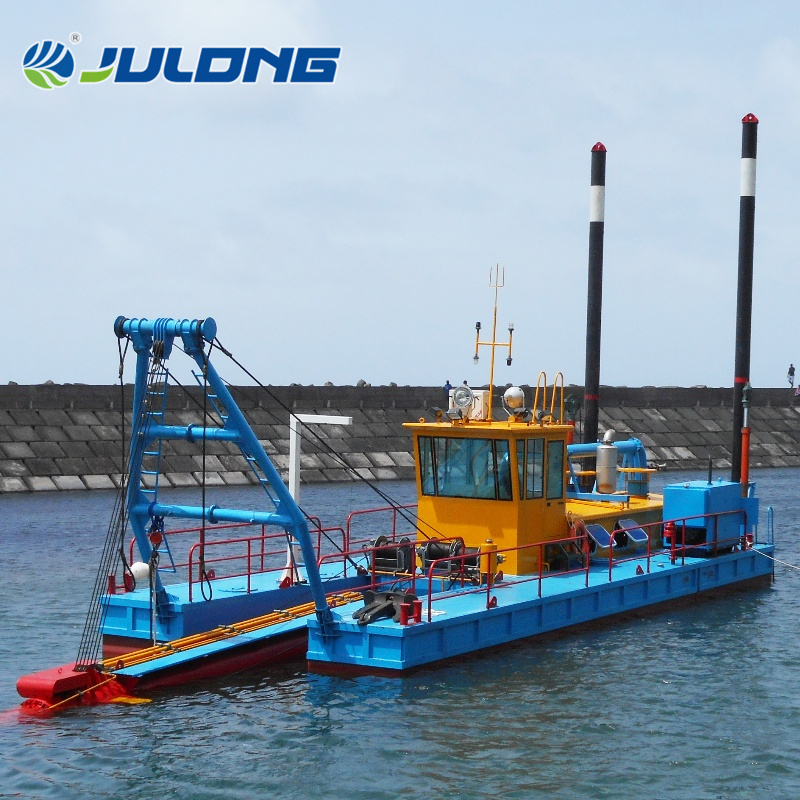
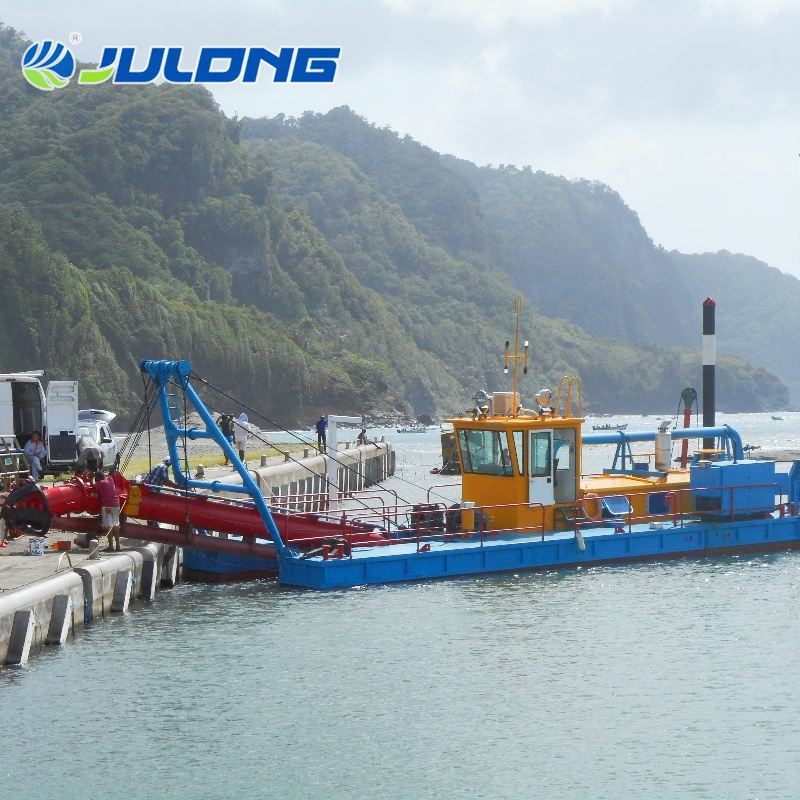
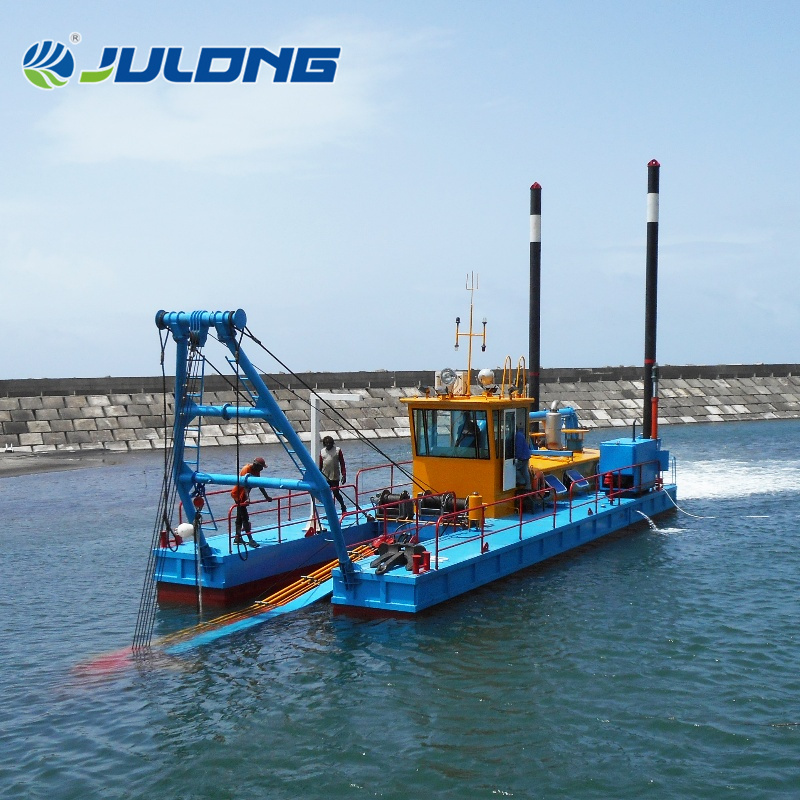
Choosing the right dredger ship  for your project is  a critical decision that significantly impacts  operational efficiency and cost-effectiveness. A  dredger ship, particularly in the context of  cutter suction dredgers, plays a vital  role  in maintaining waterways, constructing ports, and executing various marine infrastructure  projects. For  B2B  buyers,  understanding the specific requirements and specifications of dredger  ships is essential to meet  project needs effectively.  This article will  guide you through key considerations  when selecting  a dredger  ship, ensuring you make an  informed  purchasing decision.

Key Specifications to Evaluate in Cutter Suction Dredgers

Key Specifications to Evaluate in Cutter Suction Dredgers

When evaluating cutter suction dredgers, several specifications should  be prioritized. The cutter head's design and power  are  critical;  robust cutting heads can handle tougher materials and improve efficiency. It’s essential to assess the dredger's pump capacity, measured in cubic meters per hour, as this will  dictate the volume of  sediment that can be removed in a given time frame.

Another vital specification is  the dredging depth, which  determines how deep the dredger can operate effectively. Make sure to confirm this specification aligns with your project needs.  Furthermore, consider the dredger's overall dimensions and weight, as these factors  will impact transportation logistics  and operational feasibility, especially in tight  environments or  areas with weight restrictions.

Lastly, review the dredger's material construction. High-quality  materials can  enhance durability and performance, particularly in harsh aquatic environments. Buyers  should ensure that the  dredger's components are designed  for the specific conditions they will  face,  such as salinity levels or potential abrasive materials.

How to Compare Dredger Ship Models for Bulk Orders

How to Compare Dredger Ship Models for Bulk Orders

When considering bulk orders for dredger ships, it’s important to develop a systematic approach for  comparison. Start by creating a checklist  of essential specifications from each model, including dredging capacity,  power output, and operational  capabilities. This checklist will serve as a foundation for your evaluation  process.

Next,  analyze the pricing structure. Be aware that lower initial costs may not always  translate  to long-term savings. Consider the total cost of ownership, which includes maintenance, operational efficiency, and potential downtime. Discussing with  different suppliers about long-term warranties and service agreements can yield valuable insights into the total cost implications.

Also, ensure that you inquire about customization options. Depending  on your project needs, the ability to  customize features such as  the type of cutter head or the addition  of specialized equipment can enhance the dredger's performance. A supplier like Qingzhou  JULONG, known for its expertise in custom solutions, can be a valuable partner in this regard.

Finally, assess the  lead time for each model. Understanding the production  capacity and delivery schedule of the supplier  will help  you align your  purchasing timelines with  project requirements.

Common Problems with Dredger Ships and Effective Solutions

Common Problems with Dredger Ships and Effective Solutions

Dredger ships can face  various operational challenges that may affect project timelines  and budgets. One common issue is  sediment clogging, which can hinder  the dredging process  and lead to increased wear on  equipment. Regular maintenance and the use of  appropriate cutting heads designed for  specific sediment types can mitigate this issue.

Another frequent problem is  the failure  of critical components, such as pumps or  cutting systems, under heavy  loads. To avoid costly repairs  or downtime, buyers should ensure that the dredger  is tested under actual  operating conditions before mass production. Working closely with the manufacturer during the design phase can  also help identify potential weaknesses.

Additionally, compatibility with transport vessels and cranes can be a concern, especially for larger dredgers. Buyers should confirm that the  dredger’s dimensions meet the transportation requirements of their logistics chain to prevent delays. Effective  communication with suppliers regarding these specifications can  help  ensure smoother operations.

Installation Guidance for Efficient Operation of Dredger Ships

Proper installation and commissioning of dredger ships are  essential for achieving optimal operational performance. Start by  ensuring that all components  are correctly  assembled and that the dredger is adequately positioned for its  intended environment. This includes evaluating water depth, sediment composition, and potential obstacles.

Before operation begins, conduct comprehensive testing of all systems, including hydraulic controls and electrical systems.  This  pre-operation check should identify any potential issues that could impact performance. It's advisable to engage with the manufacturer’s technical team during this phase  to benefit from their expertise.

Moreover, training the operating crew on the specific dredger model is crucial. Proper training will ensure that operators are familiar with the equipment and can troubleshoot  minor issues effectively, enhancing safety and efficiency.

Finally, establish  a regular maintenance schedule to monitor and service  the dredger.  Consistent maintenance will prolong the equipment’s  lifespan and ensure it operates at peak performance throughout its service life.

By  understanding these  key factors and specifications, buyers  can  make  informed decisions regarding dredger ships that  align  with their project needs while maximizing efficiency and minimizing costs.

What to Consider When Choosing a Dredger Ship for Your Project

Selecting a  dredger  ship involves evaluating several key factors tailored to  your specific project requirements. First,  consider the intended application: Are you dredging a river,  a lake, or a  port? Each environment presents  unique challenges, such as water depth, sediment type, and regulatory considerations. For instance, cutter suction dredgers are  particularly effective in handling compacted materials, making them suitable for construction projects in ports and riverbeds. If you're interested in a high-capacity option, consider the JLCSD700 Cutter Suction Dredger – 7,000 m³/h Heavy-Duty Hydraulic Dredging Vessel.

Next, assess the  operational capabilities of the dredger. Factors such as  dredging depth, production capacity,  and transportation methods are vital.  A dredger's ability to operate  in shallow waters or handle large volumes of sediment can significantly affect project timelines and  costs. Additionally, examine the dredger's mobility—specifically,  whether an amphibious dredger or  a traditional dredger ship is more suitable for your project. For example, you may want to explore the JLWB1600 Multi-function Work Boat, which offers versatility for various marine operations.


Finally,  consider the manufacturer's certifications and track record. Companies like Qingzhou JULONG Environmental Technology Co., Ltd., with ISO  and CE  certifications, exemplify quality assurance and commitment to standards crucial for international projects.

Frequently Asked Questions

What types of dredger ships do you supply?

We supply cutter suction dredgers, amphibious dredgers, and excavator-equipped dredger ships tailored for river, lake, and port projects.
Our dredger ships are produced under ISO and CE certified systems to ensure quality, safety, and regulatory compliance.
Our dredgers are designed for small to large-scale river, lake, and port projects, offering scalable configurations to match project requirements.
Yes, we offer after-sales service, maintenance support, and spare parts supply to ensure long-term operation and minimal downtime.
We serve clients in 93 countries, providing international shipping, logistics coordination, and documentation for global delivery.

Get a Free Quote

Our representative will contact you soon.
0/1000