Evaluating Mining Dredges for Your Projects

application/mining-dredge, application/mining-dredge, 
Inquiry
Inquiry

mining dredge

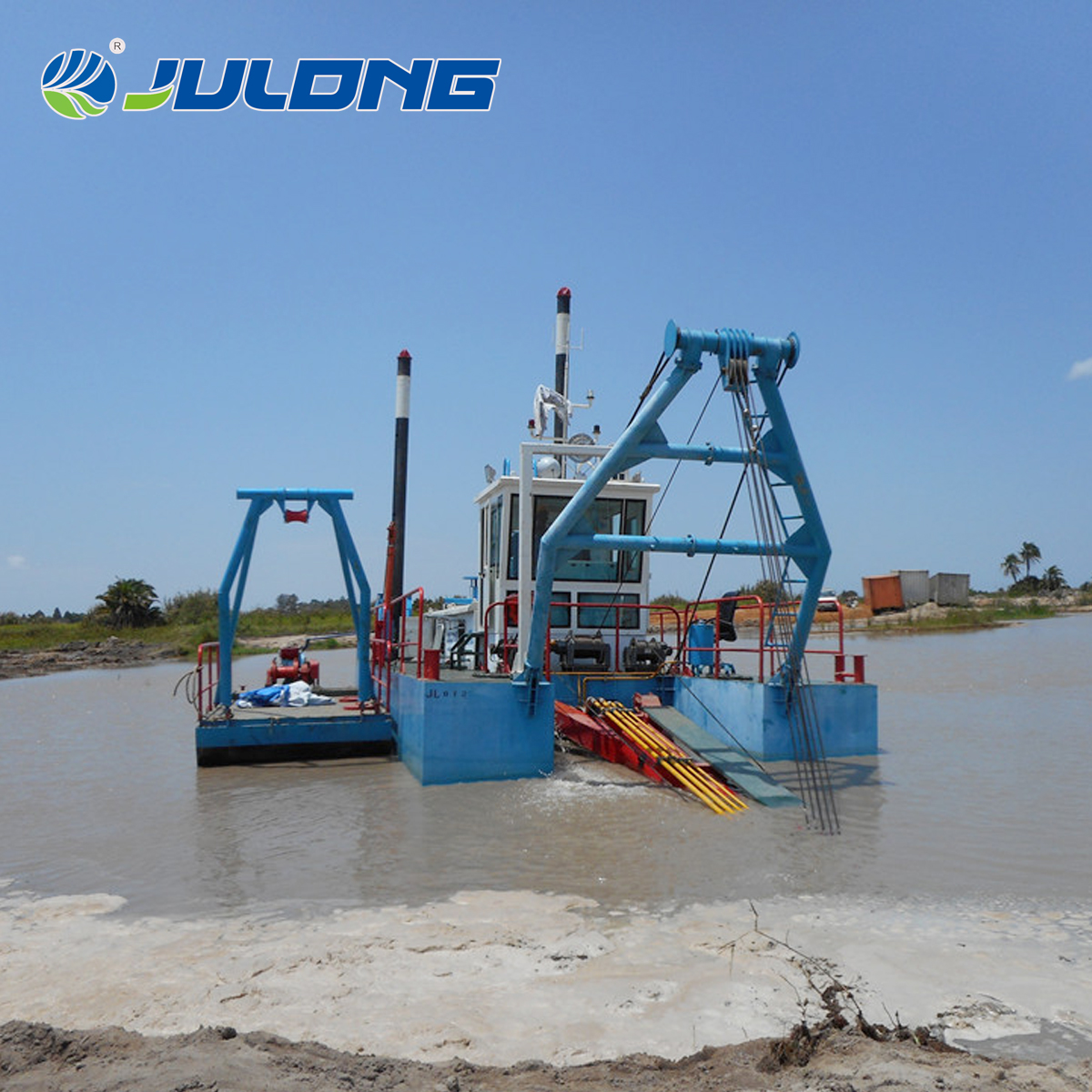
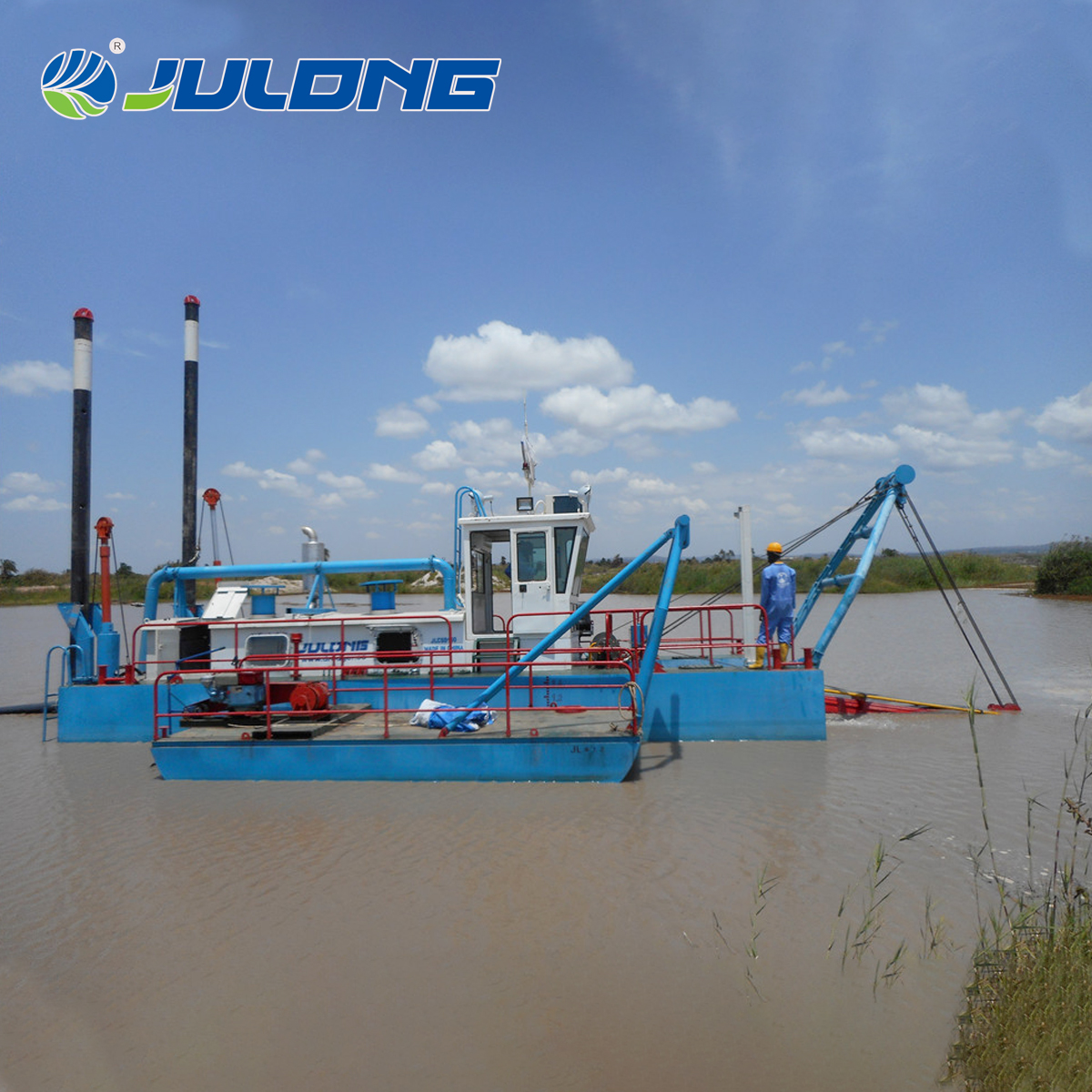
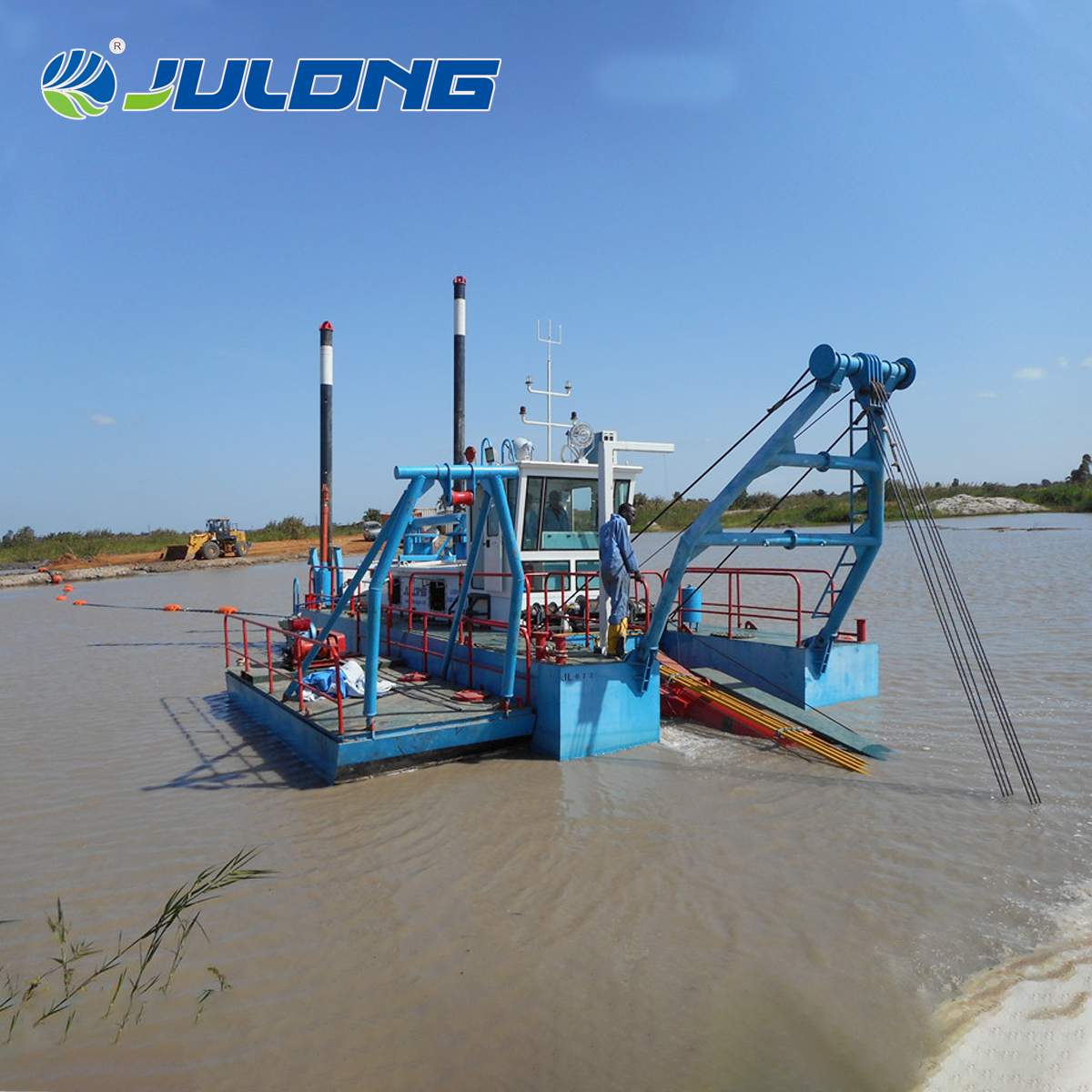
Mining  dredges are  specialized equipment  designed  for the  extraction of minerals,  aggregates, and other resources from underwater environments. As a purchasing  manager or  project engineer,  your main  concerns may revolve  around quality,  reliability, and suitability for specific applications. ,  we will  explore how to evaluate  the quality of mining dredges, where to source reliable  options for bulk orders, common  problems associated with these machines and their solutions, how to choose the  right dredge  for your needs, and the various applications for mining dredges  across different environments.

Where to Source Reliable Mining Dredges for Bulk Orders

Where to Source Reliable Mining Dredges for Bulk Orders

Sourcing reliable mining  dredges for bulk orders involves identifying manufacturers with a proven track record in the  industry. Here are some effective strategies:

Industry Trade Shows: Participating in trade shows and  exhibitions allows you to meet  manufacturers face-to-face,  inspect their products, and discuss your specific needs directly. This interaction can also give you insights  into their production capabilities and customer service reputation.

Online Marketplaces and Directories: Websites  dedicated  to industrial equipment sourcing often list manufacturers along  with user  reviews. Look for companies that have established a strong presence  in the mining sector and offer  comprehensive product details.

Consulting Industry Peers: Networking with colleagues in the mining and construction sectors can  provide  valuable recommendations.  Peer experiences can guide you to reputable  manufacturers and help you avoid potential pitfalls.

Evaluating Manufacturer Credentials: Before  placing an order,  verify the manufacturer's certifications and quality standards. Ensure they have a robust quality assurance process in place and can provide references from previous clients.


By conducting thorough research and leveraging industry connections, you can confidently source reliable mining dredges for your bulk procurement needs, including options like Dredger.

Common Problems with Mining Dredges and Effective Solutions

Common Problems with Mining Dredges and Effective Solutions

Mining dredges, while  robust, can experience several common  issues that may impact their efficiency:


Clogged Suction Lines: This is often caused by a buildup of debris or sediment.  Regular  maintenance, including routine inspections and cleaning of the suction system,  can mitigate this issue. Implementing a filtration system can also prevent  larger  materials from entering the suction line.

Wear  and Tear on Components: Components such as pumps and cutting heads can wear down  over time. Selecting high-quality  materials and ensuring proper maintenance schedules can extend the life of  these parts. Consider keeping spare parts on hand to minimize downtime.


Hydraulic Failures: Hydraulic systems can fail due  to leaks or pressure issues. Regularly inspecting hydraulic lines and maintaining proper fluid levels are essential preventive measures. Understanding the hydraulic specifications of your dredge can also help in troubleshooting issues quickly.

Operational Inefficiencies: If the dredge is not performing as expected, it  may be due to incorrect settings  or unsuitable dredging techniques. Training operators on best practices and ensuring they understand the dredge's capabilities can  enhance efficiency.

By addressing these  common challenges proactively, you can ensure that  your mining dredge operates smoothly and effectively  throughout its lifecycle.

Which One Suits Your Needs?

Which One Suits Your Needs?

Choosing the right  mining  dredge depends on several key considerations:


Project Specifications: Assess the specific requirements of your project, including the type of material to be dredged, the depth of dredging,  and the environmental  conditions. For instance, if  you need to work in  shallow waters, a  cutter suction dredge may be more suitable.

Operational Capacity:  Evaluate the dredge’s capacity  in terms of volume and pump power. Ensure that the dredge can handle your expected workload efficiently.

Mobility and Versatility: Depending on the project location, you may need a dredge that is easy to transport and set up. Amphibious dredgers, for example, can operate in both  water and on land, providing flexibility in various environments.

Budget Considerations: Balancing quality with cost is essential.  While it  may be tempting  to  choose the  cheapest option,  consider the long-term costs associated with maintenance  and operational efficiency. Investing  in  a reliable dredge can provide better value over time.

By evaluating these factors, you can select a mining dredge that aligns with your operational goals and budget constraints, including options like Multi-Function Work Boat.

Understanding the Applications of Mining Dredges in Various Environments

Mining  dredges serve diverse applications across different environments:


River and Lake Dredging: Dredges are commonly used to extract sand,  gravel, and minerals from rivers and lakes.  They help maintain navigable  waterways and can improve flood control by  removing sediment buildup.


Port Projects: In port environments, dredges are used to maintain and deepen shipping  channels. This ensures that vessels can access  ports safely and efficiently, facilitating trade and transportation.

Mining Operations: In  mineral extraction, dredges play a vital role in accessing resources like gold, tin,  and other minerals submerged beneath water. Their ability to operate in challenging conditions makes them invaluable in mining operations.

Environmental Remediation: Dredges are also employed in  environmental cleanup projects to  remove contaminated sediments from water bodies. This application requires specialized dredges designed for safe  and effective sediment removal.

Understanding  these diverse applications can help you determine  the most suitable dredge for  your specific  needs  while maximizing operational efficiency  and project success.

How to Evaluate the Quality of Mining Dredges for Your Projects

When  assessing the quality of mining dredges, consider several  critical factors:

Material Specifications: The materials used in the construction of a dredge significantly impact its durability and performance. High-strength steel is often preferred for its resistance to wear and corrosion. Confirm the grade and thickness  of  the materials, as these specifications directly affect the dredge’s operational lifespan.

Manufacturing Capabilities: A reputable manufacturer should possess advanced production equipment and processes. For instance,  CNC machining capabilities ensure precision in the fabrication of components. Understanding the manufacturer's quality control processes, such as ISO  and CE certifications, can provide  confidence in the final product's reliability.

Performance Metrics: Key performance indicators,  such as dredging depth,  pump capacity, and suction power, should align with your project requirements. Ensure that the dredge can handle the specific material types and environmental conditions  you  will encounter.

Customization  Options: Depending  on your project's unique demands, you may require specific features, like adjustable  boom lengths or specialized dredging heads.  A manufacturer that offers customization, such as Amphibious Equipment, can provide solutions tailored to your needs, which can be a significant advantage.

By focusing on these factors, you  can make  a more informed decision when selecting a mining dredge  that meets your operational requirements.

Frequently Asked Questions

What is a mining dredge used for?

A mining dredge extracts sand, gravel, and minerals from riverbeds, lakes, and ports for resource recovery and site clearance, improving navigation and enabling mineral collection efficiently.
We supply cutter suction dredgers, amphibious dredgers, and excavator-mounted dredges tailored for river, lake, and port projects.
Yes. Our machines hold ISO and CE certifications, ensuring compliance with international quality and safety standards.
We offer technical support, spare parts supply, and warranty terms—details depend on model; our team provides project-specific service agreements.
Yes. Built for durability and efficiency, our dredges suit remote and challenging conditions; customization is available to meet specific site requirements.

Get a Free Quote

Our representative will contact you soon.
0/1000