Choosing the Right Dredger Boat for Your Project

application/dredger-boat, application/dredger-boat, 
Inquiry
Inquiry

dredger boat

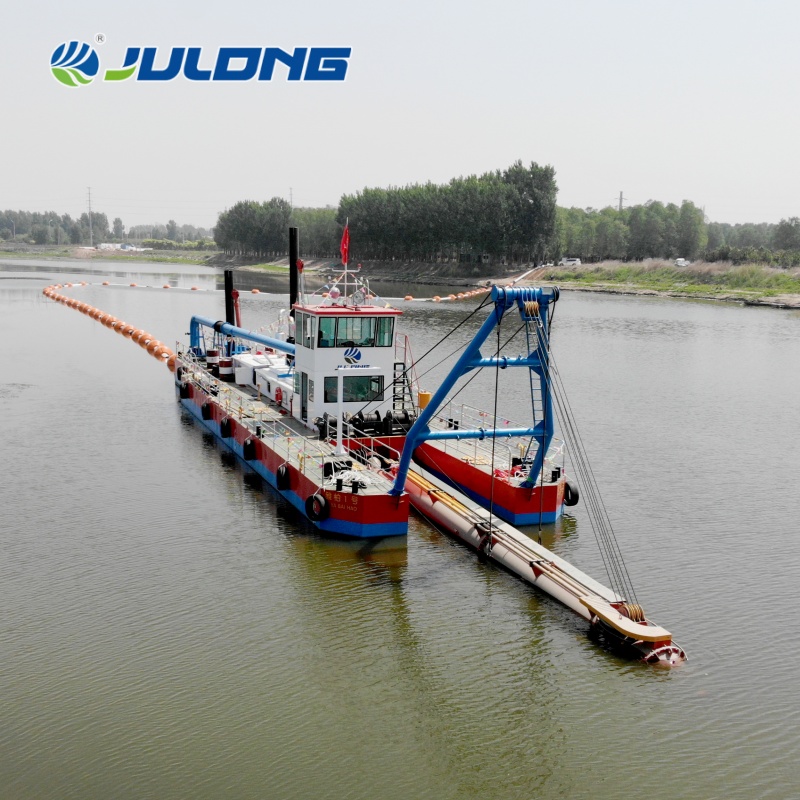
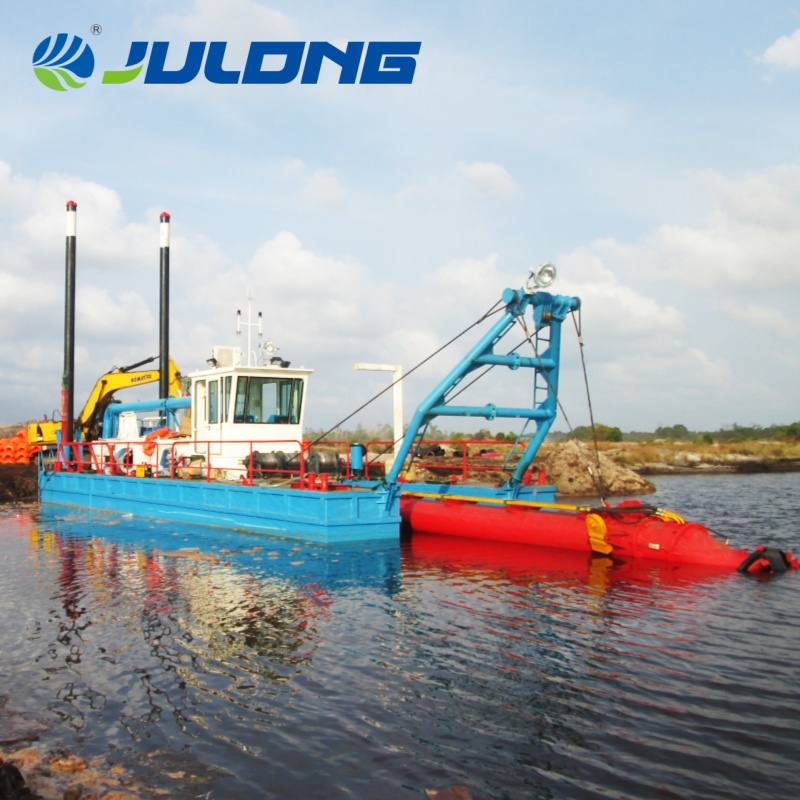
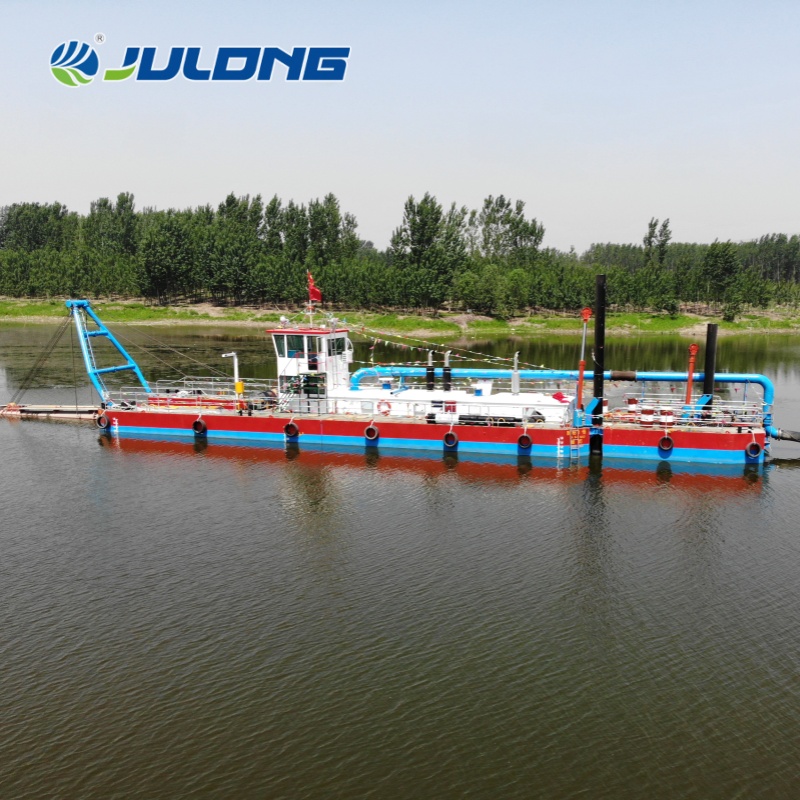
Purchasing a  dredger  boat requires careful consideration  to ensure it meets the  specific  needs of your project. Dredger boats, including cutter suction dredgers and amphibious dredgers, play a  crucial  role in maintaining waterways,  ports,  and lakes. For purchasing  managers and project  engineers,  understanding the various aspects of dredger boats,  such as specifications,  materials,  and supplier reliability, is  vital for making  an informed decision. This article will guide you through  the key  considerations for selecting  the right dredger boat for your project.

Where to Source Reliable Dredger Boats for Bulk Orders

Where to Source Reliable Dredger Boats for Bulk Orders

Sourcing dredger boats for  bulk orders should prioritize reliability and quality. Manufacturers with certifications such as ISO and CE, like Qingzhou JULONG Environmental Technology Co., Ltd., often guarantee adherence  to international standards.


When searching for suppliers, consider:

  Reputation: Research the  manufacturer's  background and customer  testimonials. A strong track  record in the industry indicates reliability.  Production Capabilities: Ensure the manufacturer has the necessary facilities and technology to  produce the required quantity  and specifications. Customization Options: Discuss customization possibilities  that  align with your specific  project needs, such  as modifications to size or operational features. Lead Times and MOQ: Confirm the manufacturer’s minimum order quantities (MOQ) and lead  times to ensure they  align with  your project timeline.

Establishing a strong relationship with a reliable manufacturer can lead  to long-term benefits such as better pricing and consistent  quality.

Material Advantages of Dredger Boats for Durable Operations

Material Advantages of Dredger Boats for Durable Operations

The materials used in constructing dredger  boats significantly impact their  durability and performance. Common materials include  high-strength steel and aluminum,  each offering distinct advantages.

High-Strength Steel: Known for its robustness, high-strength steel is ideal for  dredger boats  that operate in harsh conditions. It can withstand significant  wear and tear,  making it suitable for heavy-duty  applications. Aluminum: While lighter than steel, aluminum provides  excellent corrosion resistance,  making it suitable for operations in  saline environments, like coastal  dredging. 

Choosing the right material depends on the specific operating environment and expected lifespan of the  dredger boat. For example, if  your project involves  freshwater lakes, steel might be sufficient, but  for  marine applications, aluminum’s corrosion resistance is preferable.

 
Expert Tips for Evaluating Quality in Dredger Boat Suppliers

Expert Tips for Evaluating Quality in Dredger Boat Suppliers

When evaluating potential dredger boat suppliers, quality  assurance processes  play a  critical role in ensuring your investment is sound. Key aspects to consider include:

Quality Control  Procedures: Inquire about the supplier’s quality inspection processes during  production. Regular checks can help catch defects early  and ensure compliance with specifications.  Sample Approval:  Before placing a bulk order, request a sample of the dredger  boat. This allows you  to evaluate critical  factors such as construction  quality, operational performance, and compatibility with your project needs. After-Sales Support: Assess the level of after-sales service provided, including maintenance support  and spare parts availability. A supplier that offers comprehensive support can save you time and costs in the  long run. 

Building  trust with your supplier through these  evaluations can  lead  to better communication and reliability throughout the  purchasing process.

Applications of Dredger Boats in River, Lake, and Port Projects

Dredger boats serve a variety of applications across different environments, making them versatile tools  for waterway management. Understanding these applications can help project managers choose the right dredger boat  for  their needs.

River Dredging: Dredgers are often used to maintain navigable channels in  rivers, removing  sediment buildup to ensure safe  passage for vessels.  Cutter suction  dredgers  are commonly employed in these projects due to their efficiency in excavating hard material.

Lake Maintenance: In lakes,  dredger boats help  manage sedimentation and restore habitats. Amphibious dredgers are particularly effective in shallow waters,  where traditional dredgers may struggle.  Aquatic cleaning boats can complement these efforts by maintaining clean water bodies.

Port  Operations: Dredging  is essential in ports to maintain the depth  required for large vessels. Dredger boats are used to  remove silt and  debris, ensuring continuous operability of docks and berths.

Understanding the specific application of your dredger  boat will aid in selecting the right model and specifications to meet project goals.

By considering  these factors and following the outlined guidance, purchasing managers and project engineers  can confidently choose the right dredger boat to enhance their project efficiency and effectiveness.

What to Consider When Choosing a Dredger Boat for Your Projec

When selecting a dredger boat, several factors must be evaluated,  including  the type  of dredging required, the  specific environment, and the desired operational  efficiency. The primary  types of dredger boats  include cutter suction dredgers, which are ideal for deep and hard soil conditions, and amphibious dredgers, which can operate in shallow or marshy areas. Amphibious equipment can enhance the capabilities of these dredgers in challenging environments.

Key specifications to consider include:

Dredging  Depth: Ensure the dredger can reach the required depth for your specific project. This is critical for projects  involving deep-water ports or river channels. Flow  Rate: Understand the amount of  material the dredger can move  per  hour, as this  impacts project timelines and costs. Power System: Evaluate whether the dredger is diesel or electric-powered, as this affects operational costs and environmental impact. Material Handling Capacity: Determine  the dredger's  ability to handle different types of sediments, including sand, silt,  and clay.

By aligning these specifications  with your project requirements, you can select a dredger  boat  that enhances efficiency and effectiveness.

Frequently Asked Questions

What types of dredger boats do you manufacture?

We produce cutter suction dredgers and amphibious dredgers, plus excavator-mounted options tailored for rivers, lakes and ports.
We hold ISO and CE certifications, ensuring compliance with international quality and safety standards for marine engineering equipment.
Our manufacturing facility covers 12,000 square meters with production lines and testing areas to deliver durable, efficient dredging equipment.
Our dredgers are designed for river maintenance, lake restoration, port construction and sediment removal in coastal and inland projects.
We serve clients in 93 countries and provide installation guidance, spare parts, training and technical support to ensure long-term operation.

Get a Free Quote

Our representative will contact you soon.
0/1000