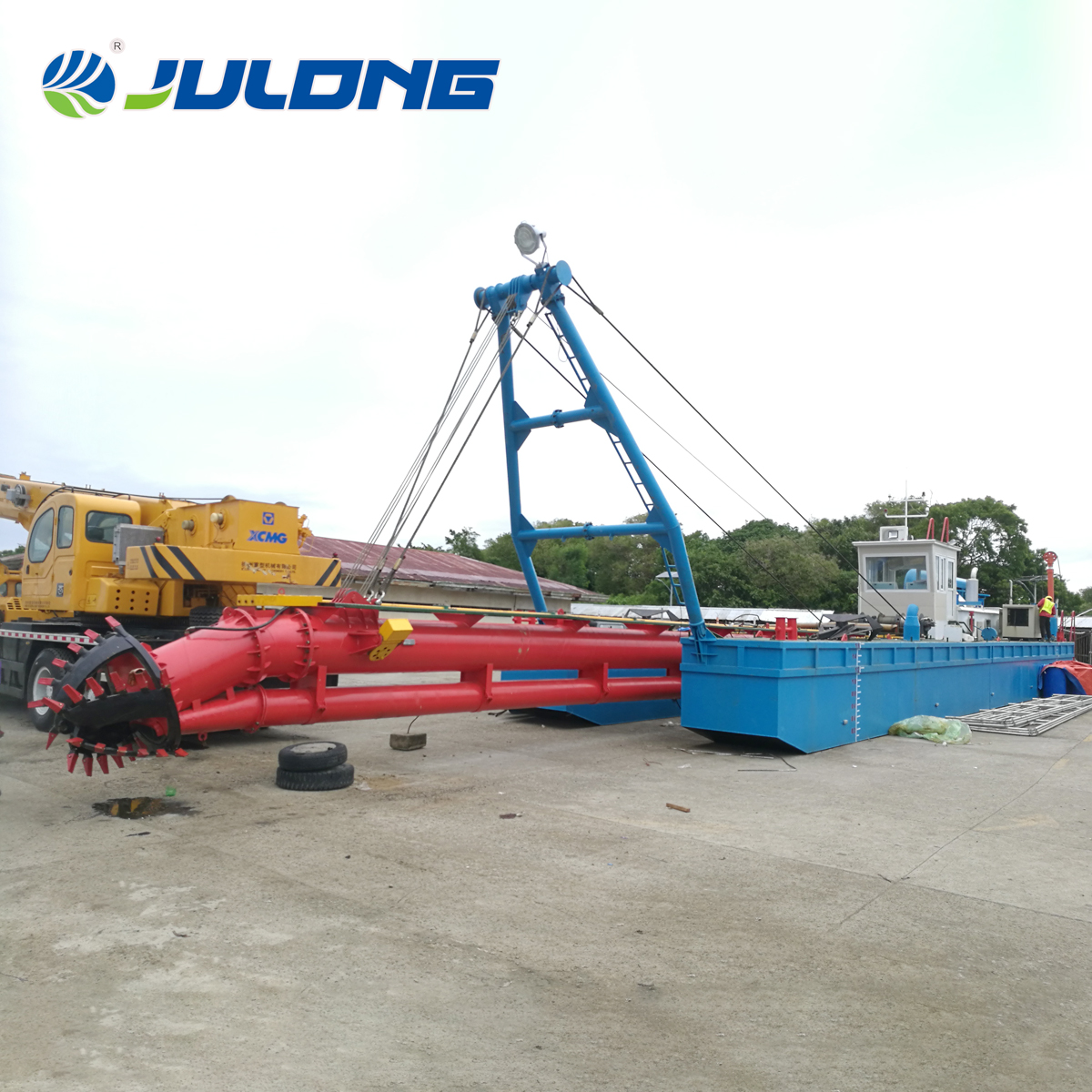
Key Considerations for Hopper Dredgers

application/what-is-a-hopper-dredger, application/what-is-a-hopper-dredger, 
Inquiry
Inquiry

What is a hopper dredger

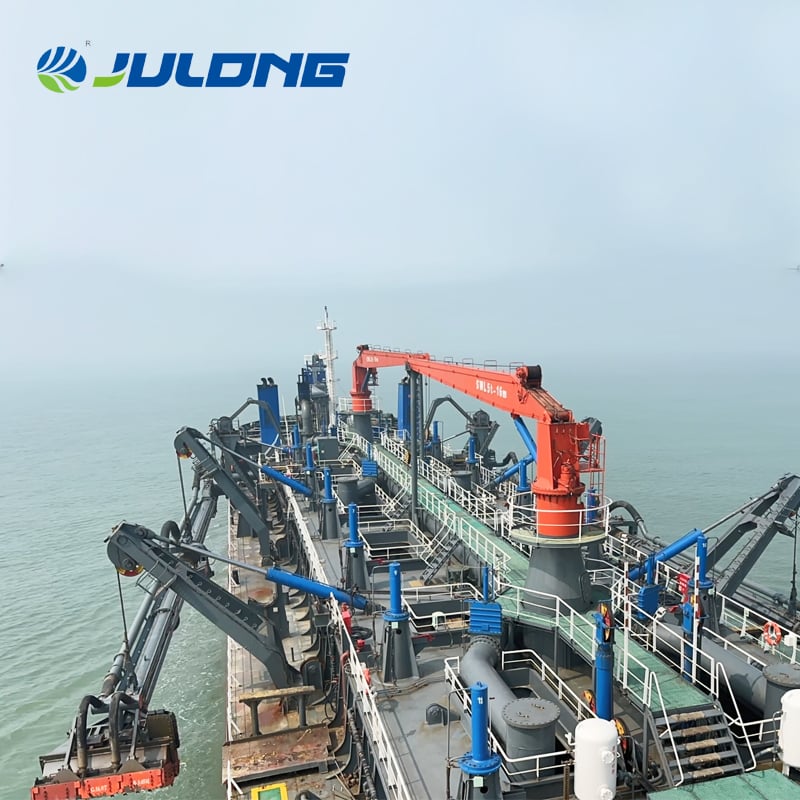
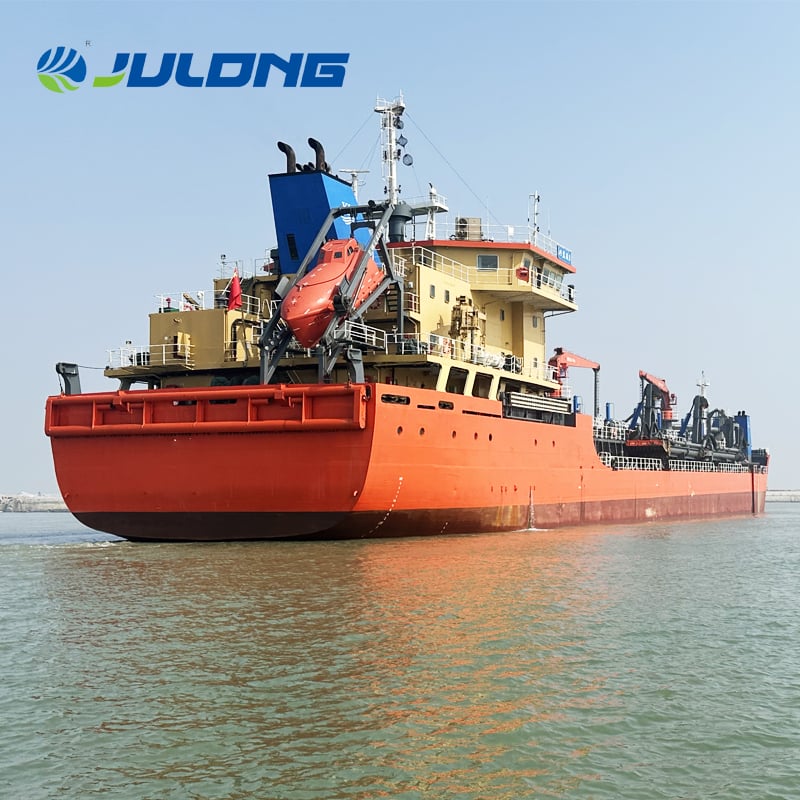
Understanding the functionality and specifications of a hopper dredger is essential for various marine and construction projects. A hopper dredger is a specialized vessel used for dredging underwater materials, primarily sediment or soil, and transporting them for disposal or further processing. For buyers, key concerns include performance, capacity, compliance with regulations, and supplier reliability. This article will help you navigate the critical aspects of selecting, evaluating, and purchasing a hopper dredger to ensure it meets your project's specific needs. 

Key Specifications to Evaluate in Hopper Dredgers for Purchase

Key Specifications to Evaluate in Hopper Dredgers for Purchase

Understanding the critical specifications of a hopper dredger will help ensure you make an informed purchasing decision. Key specifications to consider include: 

Capacity: Measured in cubic meters, the hopper capacity determines how much material can be dredged and transported in a single trip. Ensure the capacity aligns with your project scale. 

Power and Performance: The dredger's engine power, typically measured in horsepower, affects its ability to operate efficiently under various conditions. Higher power ratings often translate to better performance in challenging environments. 

Discharge Systems: Evaluate the type of discharge system employed. Some hopper dredger utilize bottom doors, while others use pumps. Each system has its advantages, affecting the speed and efficiency of material disposal. 

Hull Design: The hull shape impacts maneuverability and stability. A well-designed hull can enhance performance in rough waters, while a suitable draft is essential for working in shallow areas. 

Dredging Depth: The maximum dredging depth indicates the dredger's capability to reach the required materials. Ensure it meets the demands of your specific project. 

Material Handling: Review how the dredger handles different sediment types. Features like hydraulic systems for loading and unloading can enhance efficiency. 

By confirming these specifications during your purchasing process, you can ensure that the hopper dredger will meet your operational demands. 

Reliable Suppliers for Hopper Dredgers

Reliable Suppliers for Hopper Dredgers

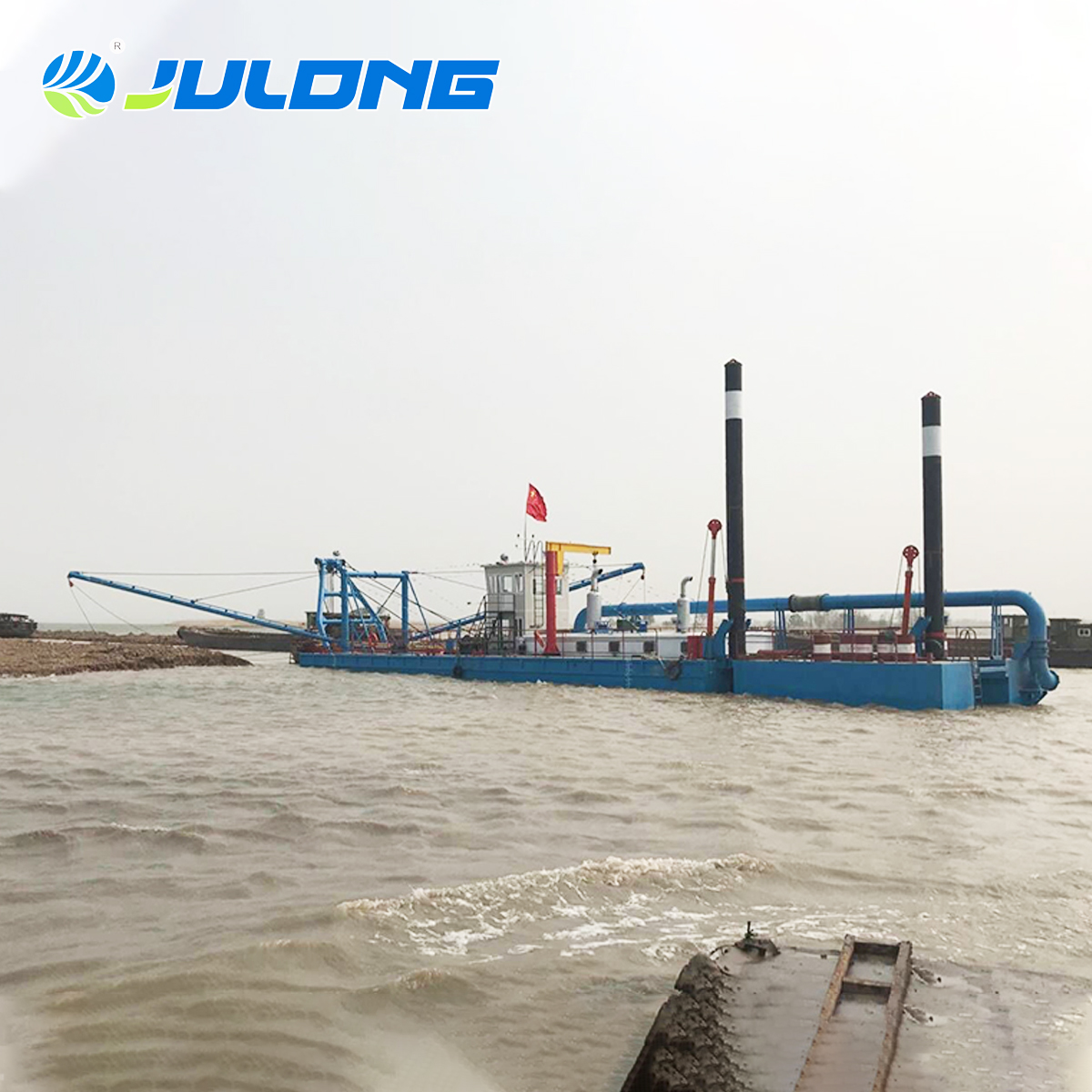
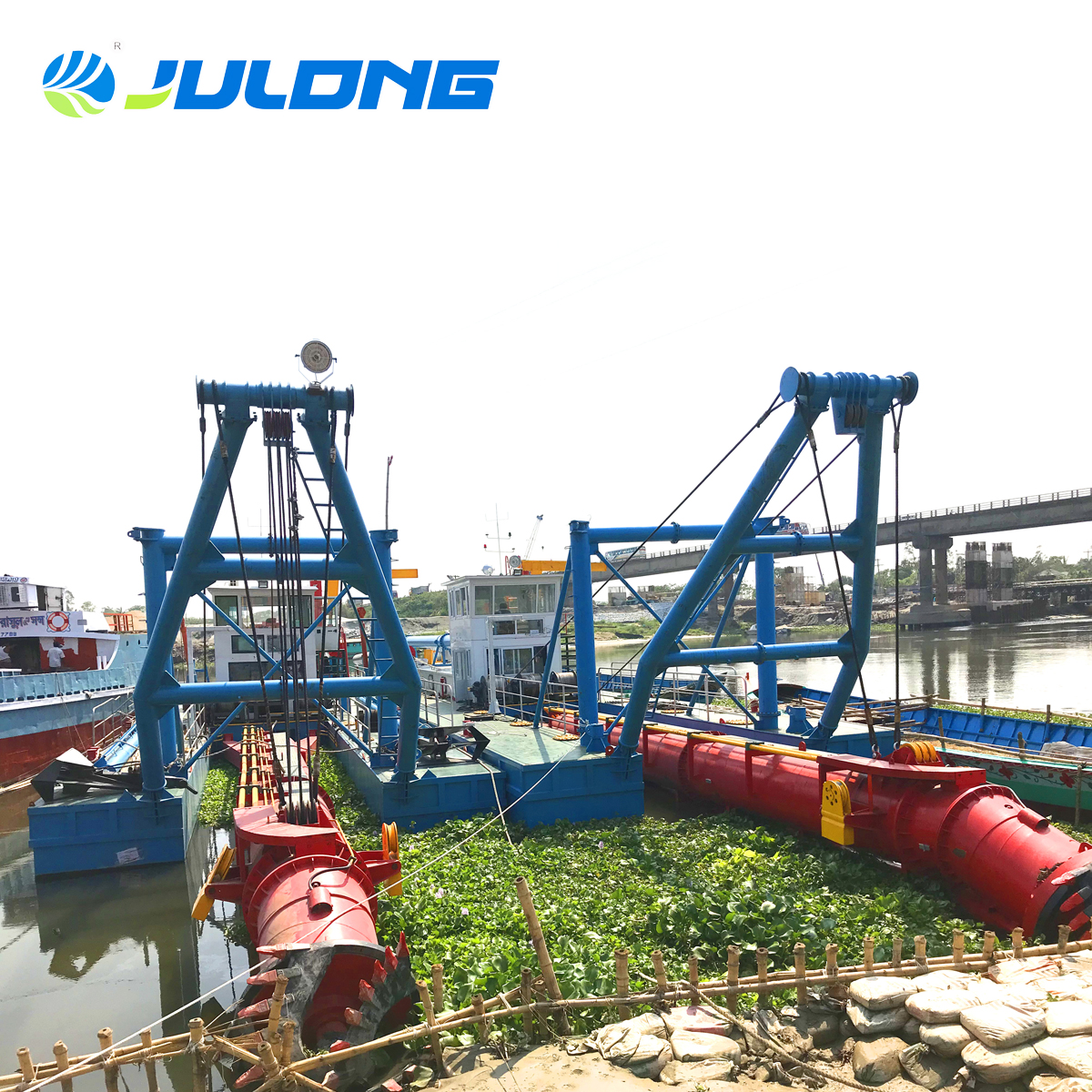
Finding a reliable supplier is crucial for ensuring the quality and performance of the hopper dredger. Start by researching suppliers with strong industry reputations and experience in manufacturing dredging equipment. Companies like Qingzhou JULONG Environmental Technology Co., Ltd., which specializes in manufacturing cutter suction dredgers and amphibious dredgers, can be excellent options, given their ISO/CE certifications and extensive experience in serving international markets. 

Engage with potential suppliers to assess their customer service and support capabilities. Reliable suppliers should provide comprehensive after-sales support,  including maintenance services and access to spare parts. Additionally, ask for references from previous clients to trailing suction hopper dredger gauge their satisfaction levels and the performance of the dredgers supplied. When evaluating suppliers, consider their manufacturing capabilities, including the technology and equipment used in production. A well-equipped facility can indicate the potential quality of the products. 

Understanding the Cost Factors of Hopper Dredgers in Bulk Orders

Understanding the Cost Factors of Hopper Dredgers in Bulk Orders

Several factors influence the cost of hopper dredgers, especially when ordering in bulk. Key elements include: 

Specifications: As noted, the specifications of the dredger such as size, capacity, and features will significantly impact the price. Customization requests can also lead to higher costs. 

Material Costs: The materials used in constructing the dredger, such as steel or other composites, are subject to market fluctuations that can affect pricing. 

Production Volume: Ordering multiple units often leads to cost efficiencies. Discuss bulk pricing options with suppliers to optimize your budget. 

Shipping and Logistics: Transportation costs can vary based on the dredger's size and destination. Ensure to factor in shipping as part of the total purchase cost, especially for international deliveries. 

Lead Time: The time required for production can influence costs. Be aware that shorter lead times may command higher prices. Plan your procurement accordingly to balance costs and project timelines. 

By understanding these cost factors, you can make more informed purchasing decisions and budget more effectively. 

Common Installation Challenges and Solutions for Hopper Dredgers

Installing a hopper dredger can present several challenges that require careful planning and execution. Common issues include: 

Site Accessibility: Ensure that the installation site is accessible for both the dredger and supporting equipment. Limited access can delay installation and increase costs. 

Environmental Regulations: Compliance with local environmental regulations is crucial. Before installation, verify that all necessary permits are in place to avoid legal complications. 

Technical Adjustments: Adjustments may be necessary to integrate the suction hopper dredger with existing systems or equipment. This could involve modifications to loading and unloading facilities or coordinating with other machinery. 

Training Operators: Proper training for operators is essential to maximize efficiency and safety. Make sure to review training programs offered by suppliers or manufacturers. 

Solutions to these challenges often involve proactive planning and communication with the supplier to ensure that all necessary preparations are in place prior to installation. Engaging with experienced operators can also provide insights into overcoming common installation obstacles. By addressing these considerations, you can facilitate a smoother installation process and optimize the performance of your new hopper dredger. 

What to Consider When Choosing a Hopper Dredger for Your Project

When selecting a hopper dredger, several key factors need to be considered to ensure it aligns with your project's requirements. Firstly, assess the dredging environment whether it's a river, lake, or port since each setting presents unique challenges and requirements. The dredger's size and capacity should match the anticipated volume of material to be removed, which directly impacts operational efficiency. Additionally, consider the type of material to be dredged. Hopper dredgers are designed for various sediment types, including sand, silt, and clay, and each material may require different handling capabilities. The dredger's operational depth and reach are also vital; ensure it can operate effectively in the expected water depths. Lastly, evaluate the dredger's maneuverability and stability, especially in challenging weather conditions. A reliable dredger should provide optimal performance while ensuring safety and compliance with environmental regulations. 

Frequently Asked Questions

What is a hopper dredger used for?

A hopper dredger removes sediment from waterways and stores it in onboard hoppers for transport and disposal or land reclamation in ports, rivers, and coastal projects.
Hopper dredgers excavate and carry sediment in holds, while cutter suction dredgers cut and pump slurry through pipelines. Each suits different site, spoil transport, and installation needs.
Capacities vary by design; small units hold hundreds of cubic meters and large sea-going vessels hold thousands, selected based on project scale, distance, and sediment type.
Yes. We provide technical support, spare parts guidance, and maintenance recommendations consistent with ISO/CE standards to ensure reliable long-term operation.
Yes. Our equipment is designed for river, lake, and port projects, delivering durable and efficient dredging suitable for varied site conditions and regulatory requirements.

Get a Free Quote

Our representative will contact you soon.
0/1000