Key Insights on Pontoon Dredgers for B2B Buyers

application/pontoon-dredger, application/pontoon-dredger, 
Inquiry
Inquiry

pontoon dredger

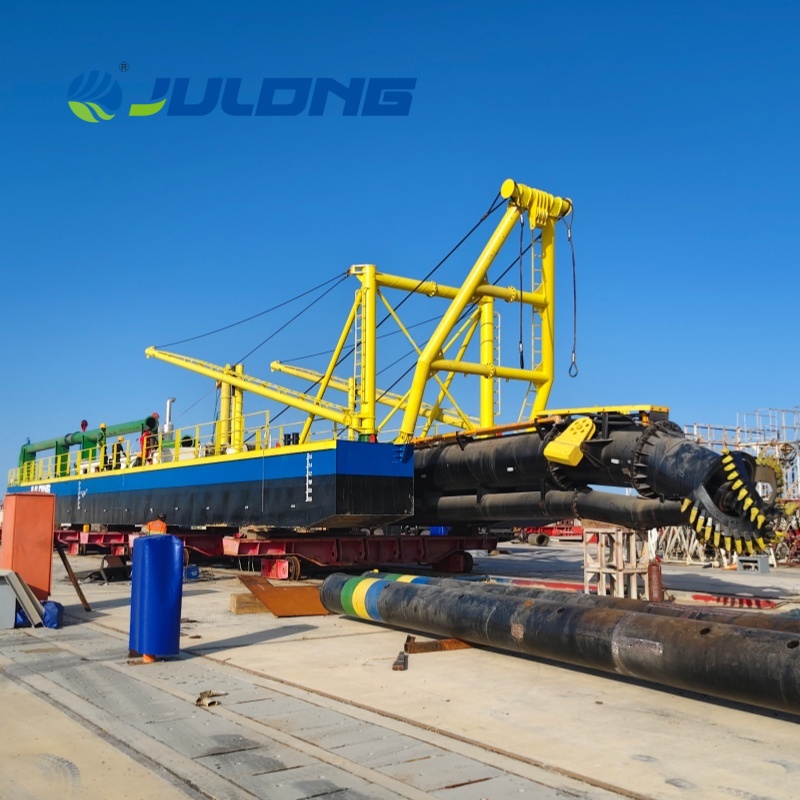
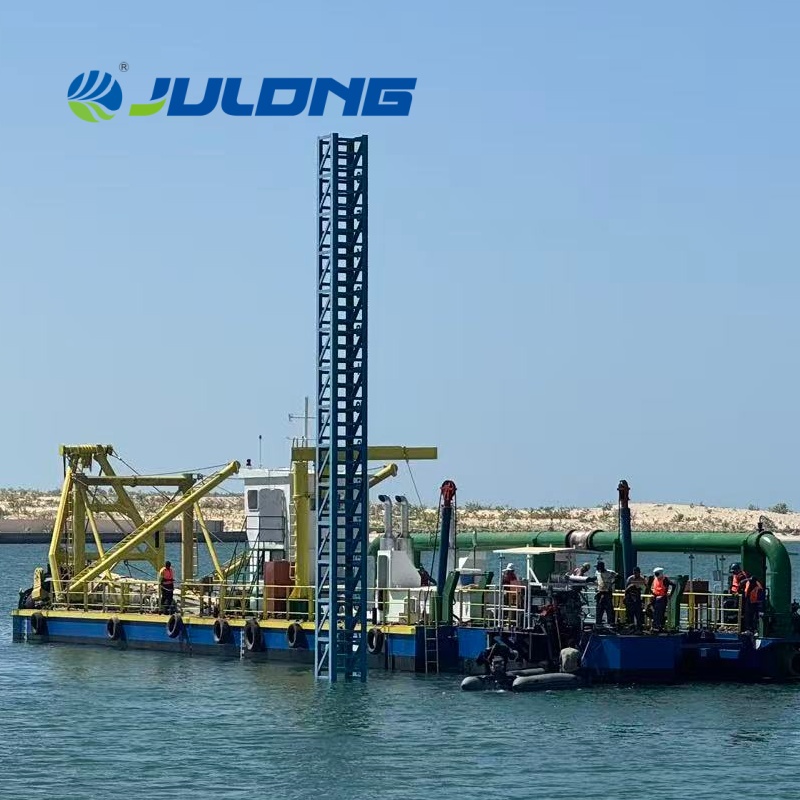
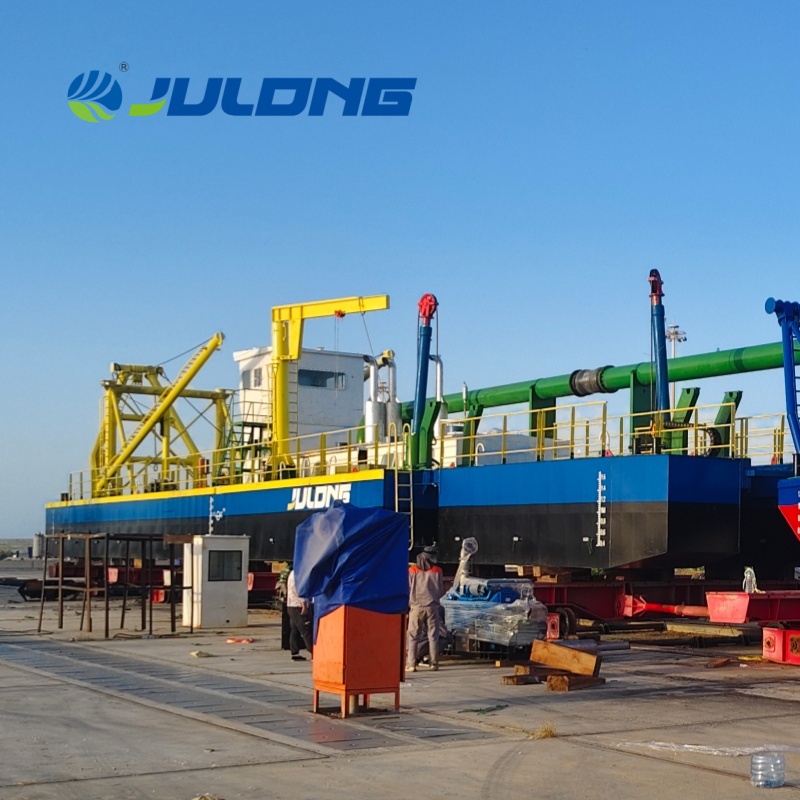
Pontoon dredgers  are specialized vessels  designed  for dredging operations in shallow waters such as  rivers,  lakes, and  ports. They are essential for  effectively removing sediment, debris, and other materials from  the waterbed. B2B buyers,  including purchasing managers  and engineers, often seek pontoon dredgers that combine durability, efficiency,  and  versatility. This article will provide insights into the key specifications,  common  issues,  installation guidance, features, benefits, and various  applications  of pontoon dredgers,  helping buyers  make informed  decisions.

Common Problems with Pontoon Dredgers and Their Solutions

Common Problems with Pontoon Dredgers and Their Solutions

Pontoon dredgers can encounter  several issues during operation, which may hinder performance if not addressed.

Clogged Pumps: Sediment and debris can  clog dredger pumps, reducing efficiency. Regular  maintenance, including inspecting and cleaning  the pump,  is essential. Installing screens or filters can also help prevent clogging.

Buoyancy Issues: If  the pontoons are not adequately designed or maintained, buoyancy can be compromised, leading to  instability.  Regular inspections and timely repairs of  any leaks or damage are crucial.

Wear and Tear: Frequent use can lead to wear  on the dredger's components. Implementing  a robust maintenance schedule  can help identify wear  early, ensuring timely  replacements and minimizing downtime.

Power Supply Problems: Issues with the engine or  power supply  can halt operations. Ensuring that  the  engine is regularly serviced and that there are adequate backup power  options can mitigate  this risk.

Installation Guidance for Efficient Pontoon Dredger Use

Installation Guidance for Efficient Pontoon Dredger Use

Proper installation of a pontoon dredger is vital  for  maximizing its efficiency and lifespan. Here  are some key considerations:

Site Preparation: Before installation, ensure the site  is  prepared, considering factors such as water depth, soil type,  and environmental regulations. Conducting a site survey can help  identify any potential challenges.

Anchoring System: A reliable anchoring  system is essential for stability during  operation. Use appropriate  anchoring  techniques based on the dredger's size and the water conditions.

Connection to Power Sources: Ensure that the dredger's  power supply is  correctly connected and meets  the operational demands. Verify that power  cables and connections are secure and protected from water exposure.

Testing and Calibration:  After  installation,  conduct thorough testing to ensure the dredger operates as expected. This includes calibrating the pump and checking for any leaks or operational  anomalies.

Features and Benefits

Features and Benefits

Pontoon dredgers  come equipped with a variety of  features that  enhance their functionality  and ease of  use:

Modular Design: Many  pontoon dredgers  feature a modular design,  allowing  for easy  transportation and assembly on-site.  This  flexibility can significantly reduce setup time and costs. For instance, the JLWB1600 Multi-function Work Boat is designed for versatility in various dredging applications.

Automated Controls: Advanced dredgers may incorporate automated control systems that enhance precision and efficiency, allowing operators  to monitor and adjust operations remotely.

Versatile Applications: These dredgers  can be utilized in various applications, including environmental  restoration, construction, and maintenance of waterways, making them  a valuable  asset for multiple  projects.

Cost-effective Operation: Efficient pump systems and low fuel consumption contribute to reduced operational costs,  providing a better return on  investment for buyers. Additionally, the JLCSD700 Cutter Suction Dredger exemplifies this cost-effective design.

Applications of Pontoon Dredgers in Marine and Construction Projects

Pontoon dredgers are utilized across  various sectors due to their versatility and efficiency:

Environmental  Remediation: In projects aimed  at restoring natural habitats, pontoon dredgers are  used  to remove contaminated sediments and debris, helping to improve water quality  and  ecology.

Port Maintenance: Regular dredging  is essential for maintaining navigable  depths in ports.  Pontoon dredgers can efficiently remove sediment build-up, ensuring safe passage for vessels.

Construction  Projects: In construction, pontoon dredgers are  employed to excavate materials for the foundation  of  structures near water bodies, facilitating access to  necessary resources.

Infrastructure Development: They  play a crucial role in  developing  and maintaining infrastructure such as bridges and docks, ensuring that waterways remain functional and accessible.

In summary, understanding  the specifications, common issues, installation requirements, features, and applications of pontoon dredgers is  essential for B2B buyers looking to make informed purchasing decisions. By considering these factors, companies can select the right dredger for their specific needs, maximizing both efficiency and value in their operations.

Key Specifications to Consider for Pontoon Dredgers

When evaluating pontoon dredgers, several specifications are critical to ensure the equipment meets operational needs.

Dredging Depth: This determines  how deep the dredger can operate. Buyers should assess the typical dredging depth  required for  their projects and choose  a model that can handle  it effectively.

Pump Capacity: Expressed in cubic meters per hour (m³/h), this metric indicates the volume of material the dredger can move. A higher pump capacity allows  for more efficient dredging operations, especially in larger  projects.

Power Source: Pontoon dredgers can be powered  by diesel engines or electric motors. The choice  depends on the operational environment and  fuel availability. Diesel engines  may offer better mobility in remote areas, while electric motors can  reduce emissions and operating  costs.

Dimensions and Weight: The overall size and  weight of  the dredger  affect its maneuverability and stability in water. Buyers  should consider the specific conditions of their working environment, ensuring the dredger can  navigate effectively.

Material and Construction: The materials used in the construction of the  dredger's hull and components influence durability and resistance to corrosion. High-quality steel and protective coatings are often recommended for  longevity in harsh environments.

Frequently Asked Questions

What is a pontoon dredger and its uses?

A pontoon dredger is a floating excavator used to remove silt, sand, and debris from rivers, lakes, ports and waterways to maintain depth, improve flow and support construction or environmental projects.
We provide cutter suction and related pontoon dredgers in various sizes and capacities tailored to project needs, from light maintenance units to high-capacity machines for larger river, lake, and port works.
Our pontoon dredgers are manufactured in a 12,000 m² facility and comply with ISO and CE standards, ensuring reliable build quality, safety and regulatory compliance.
Yes. We offer spare parts, technical support, installation guidance and maintenance services to ensure long-term performance and reduce downtime for your dredger.
We serve 93 countries and design dredgers for diverse river, lake and port conditions; we can recommend suitable configurations and modifications based on local requirements and site surveys.

Get a Free Quote

Our representative will contact you soon.
0/1000