Choosing the Right Hopper Dredger Vessel for Projects

application/hopper-dredger-vessel, application/hopper-dredger-vessel, 
Inquiry
Inquiry

hopper dredger vessel

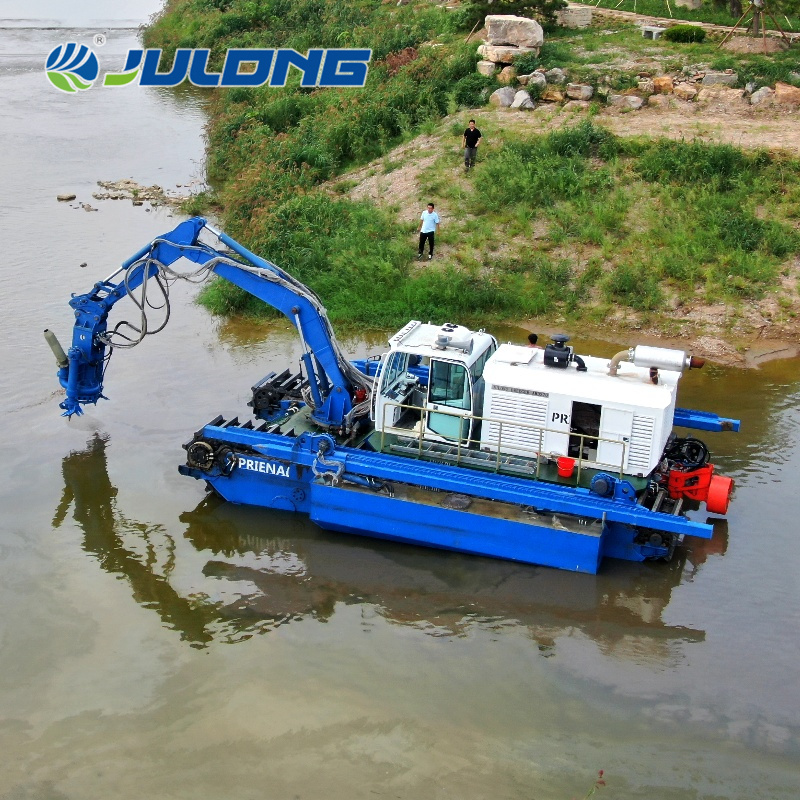
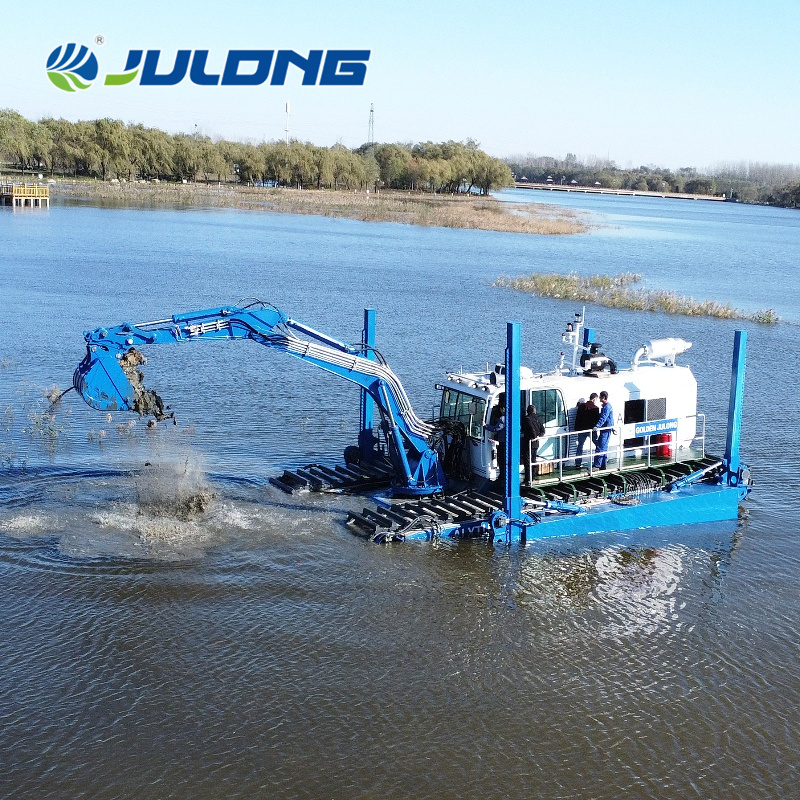
Hopper dredger vessels  are specialized marine equipment designed for dredging  operations,  particularly  in shallow waters such as rivers,  lakes, and ports. These vessels  are crucial for  maintaining navigable waterways, removing sediment,  and facilitating construction projects. As a B2B buyer, your primary  concerns may include vessel specifications, operational efficiency, and the vessel's suitability for specific  projects. This  article will guide you through selecting the right hopper  dredger  vessel, what to look for in  these  vessels, installation guidance,  common issues and  solutions,  and their  applications in various marine projects.

 
What to Look for in Hopper Dredger Vessels

What to Look for in Hopper Dredger Vessels

When  evaluating hopper dredger  vessels, several key specifications and features  should be prioritized. First, examine the dredging  depth and capacity. The ideal vessel should meet the maximum dredging depth required for your project while also having a sufficient hopper capacity to minimize downtime during operations.

Next, consider the materials used in the vessel's construction. A robust structure typically made from high-strength steel will ensure durability and resistance to wear  and tear in harsh  marine environments. The vessel's design should also include effective sealing and waterproofing measures to prevent leaks during operation.


Efficiency is  another critical  factor. Look  for vessels equipped with advanced  dredging technology that enhances sediment removal efficiency and reduces fuel consumption.  This can significantly impact project  timelines and overall  costs.  Finally, ensure the  vessel complies  with relevant ISO and CE  certifications, which  can be indicative of quality standards and reliability.

 
Installation Guidance for Efficient Use of Hopper Dredger Vessels

Installation Guidance for Efficient Use of Hopper Dredger Vessels

Proper installation  is crucial for the  effective operation of hopper dredger vessels. Begin by ensuring that the vessel  is delivered to a  suitable docking area, where it  can be easily accessed for loading and unloading.  Before the vessel is put into operation, conduct a thorough inspection of  all systems, including the  dredging equipment, propulsion  system, and safety features.

Operators should receive training on  the specific functions and controls of the vessel to ensure safe and efficient operation. Creating a checklist for routine maintenance  and operational checks can significantly reduce the risk of equipment failure during dredging operations. This includes verifying fluid  levels, inspecting the mechanical systems,  and ensuring all safety equipment is  in  place.

Additionally, familiarize yourself  with the local regulations regarding dredging operations, as these can impact both installation and operational  procedures. Proper adherence to these guidelines  will not  only ensure  compliance but also enhance the vessel's efficiency and lifespan.

Common Problems with Hopper Dredger Vessels and Their Solutions

Common Problems with Hopper Dredger Vessels and Their Solutions

Even the best hopper dredger vessels can encounter problems during operations. One common issue is sediment clogging, which can disrupt the dredging process and lead to costly delays. To mitigate this  risk, it is essential to monitor  sediment types and adjust your dredging techniques accordingly. Regular maintenance  can also  help prevent clogs by keeping the dredging apparatus clear of debris.

Another frequent  problem is mechanical failure, often  due to inadequate  maintenance  or wear  and tear. Establishing a routine maintenance schedule that includes inspections and replacement of worn parts can significantly reduce the likelihood of  unexpected breakdowns. Always keep  a supply  of critical spare parts on hand to minimize downtime during repairs.

Lastly, operational efficiency can  suffer if  the vessel is  not appropriately matched to its working  environment.  If you  notice increased fuel consumption or extended dredging times,  it may be time to reassess  the vessel's specifications against the project requirements. Consulting with the manufacturer or a marine engineer can provide valuable insights into optimizing the vessel's performance.

Applications of Hopper Dredger Vessels in Marine Projects

Hopper dredger  vessels play a vital role in various marine projects, serving multiple applications that  enhance their utility. One primary application is maintaining  navigable waterways, such as rivers and harbors, where sediment  accumulation can impede vessel traffic and access. By regularly dredging these areas, hopper dredgers help preserve  waterway navigability and safety.


Additionally, these vessels are instrumental  in construction  projects,  such as building bridges, docks, and offshore structures. They facilitate the removal of  sediment to create  stable foundations and improve access  for construction equipment.  Furthermore, hopper dredgers are often used in  beach nourishment projects, where they transport sand from offshore  locations to replenish eroded beaches, a process vital for  coastal protection. Consider using a Multi-Function Work Boat for related tasks in construction.

In environmental projects, hopper dredgers can assist  in habitat restoration by removing contaminated sediments and restoring natural waterways. Their ability to navigate various aquatic environments makes them an essential tool for both construction and environmental remediation efforts.

understanding the specifications, operational requirements, and applications of hopper dredger vessels is crucial for B2B buyers involved in marine projects. By focusing on the right vessel for your needs,  ensuring efficient installation, and being aware of common  challenges, you can make informed purchasing decisions that contribute to the success  of your projects.

How to Choose the Right Hopper Dredger Vessel for Your Project

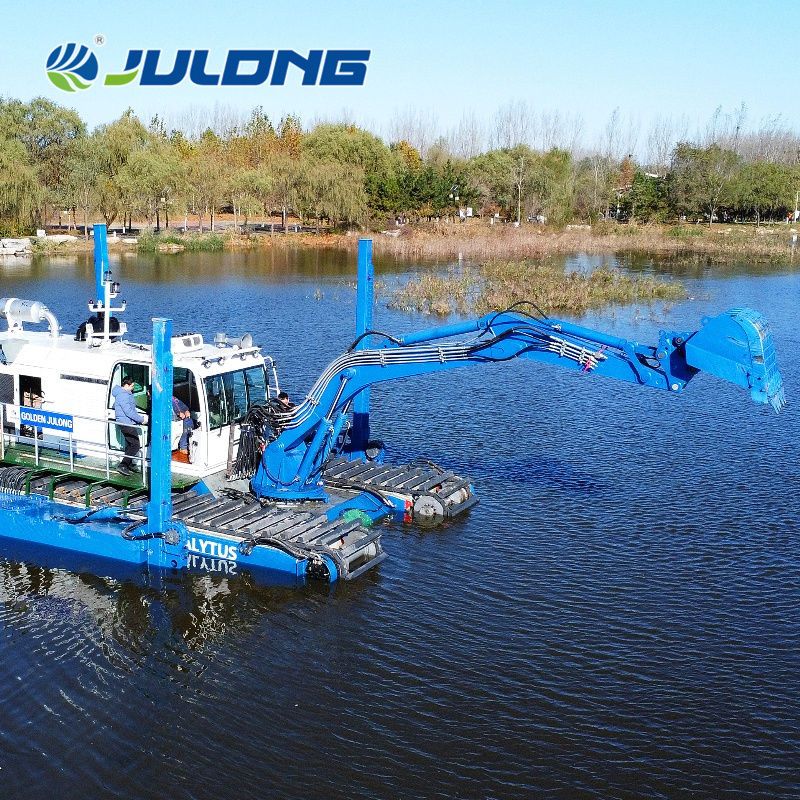
Selecting the appropriate  hopper dredger  vessel requires a comprehensive understanding  of your project's specific  needs. Begin by assessing the  project location, water depth, and sediment type. For instance, if you are working in  a shallow,  confined area  like a lake, a smaller cutter suction dredger may be more effective  than a large hopper dredger. Consider also the use of an Amphibious Equipment for versatility in challenging conditions.

Consider the vessel's size and capacity. Hopper dredgers come in various  sizes, from small vessels suitable for minor dredging  tasks  to larger ones  designed  for extensive operations. The dredging depth and the volume of sediment you need to remove will dictate  the size and power requirements of  the vessel. Ensure that the vessel’s operational  capabilities align with your project goals.

Additionally, focus on the vessel's propulsion type and maneuverability. A vessel with a more advanced propulsion system  will offer greater efficiency  and ease of navigation in tight or shallow environments. Lastly, factor in your budget and the total cost of ownership, including maintenance and operational costs, to  ensure you make a financially sound decision.

Frequently Asked Questions

What is a hopper dredger used for?

A hopper dredger excavates and transports sediment from rivers, lakes, and ports into onboard holds (hoppers) for disposal or land reclamation, improving navigation and waterway capacity.
We offer customizable hopper dredgers with varying hopper volumes, engine powers, and dimensions to suit project scale, from small river works to larger port dredging tasks.
Our hopper dredgers are built in an ISO/CE certified facility with rigorous quality control, material standards, and testing to ensure durability and reliable performance.
Yes. We design hopper dredgers with shallow drafts and maneuverable hulls for effective operation in confined rivers, lakes, and port channels.
Yes. We supply technical support, maintenance guidance, and spare parts. Our service covers installation, training, and worldwide support across our network.

Get a Free Quote

Our representative will contact you soon.
0/1000