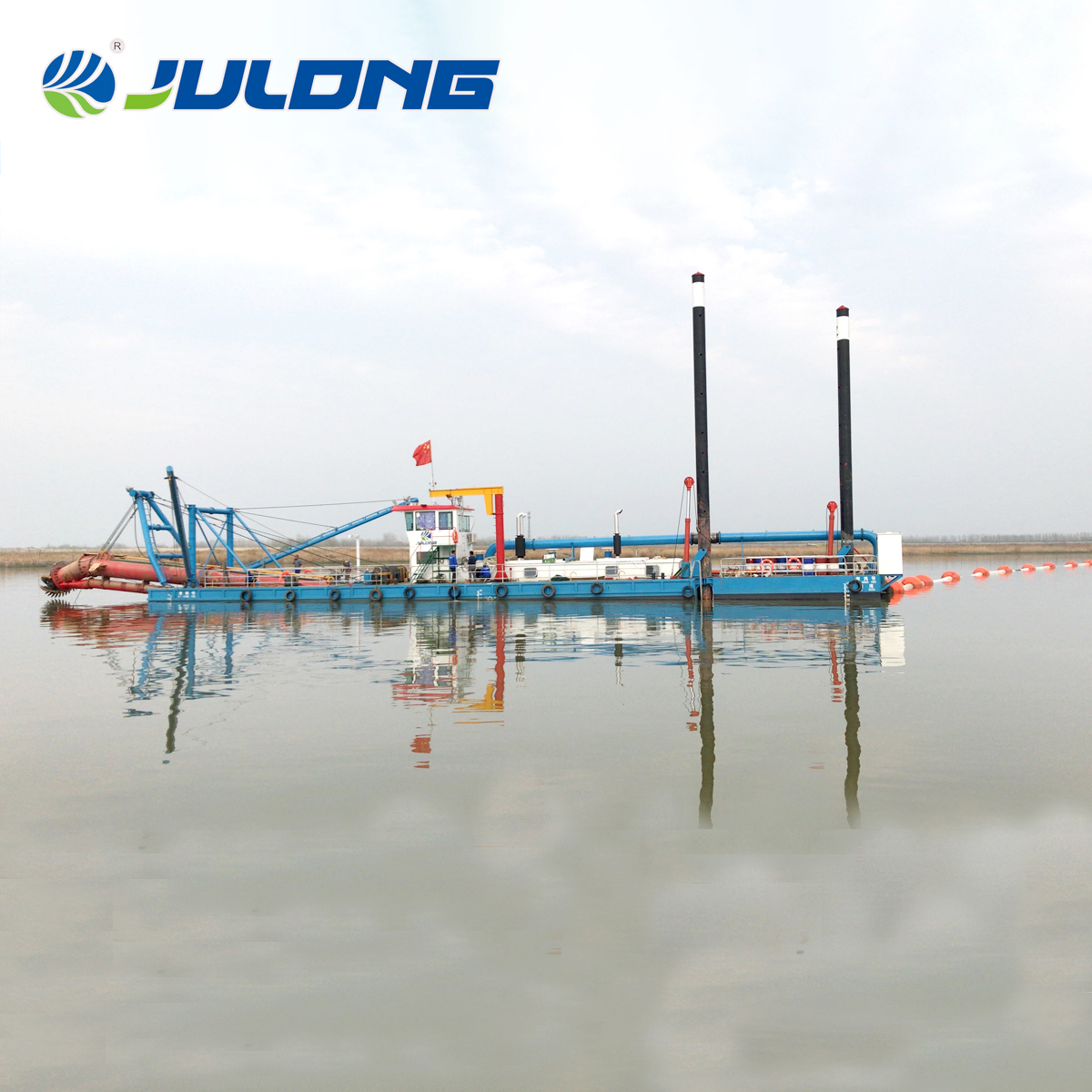
Essential Guide to Capital Dredging Equipment

application/capital-dredging, application/capital-dredging, 
Inquiry
Inquiry

Capital dredging

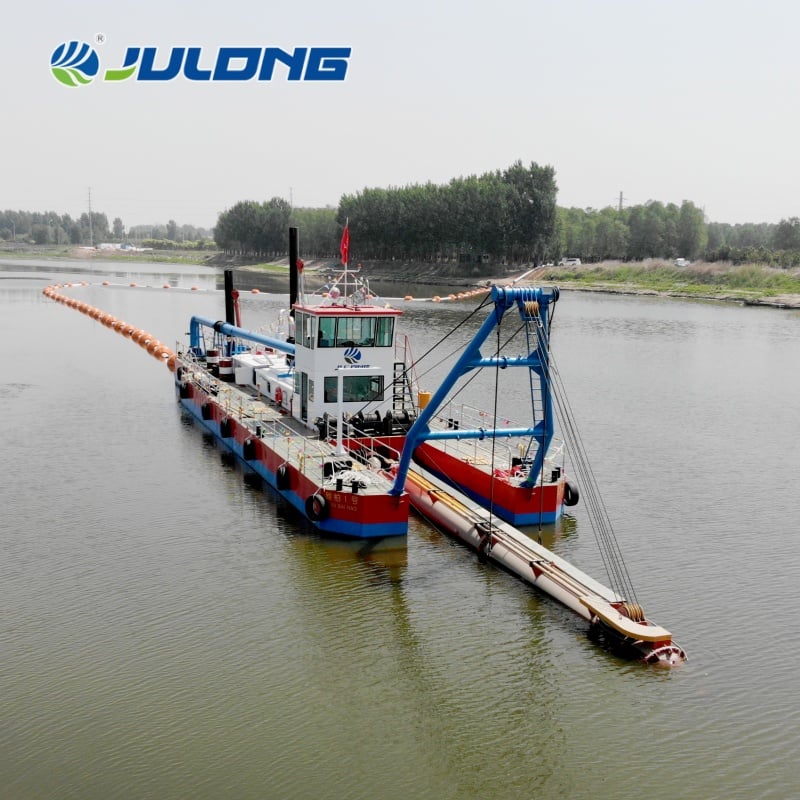
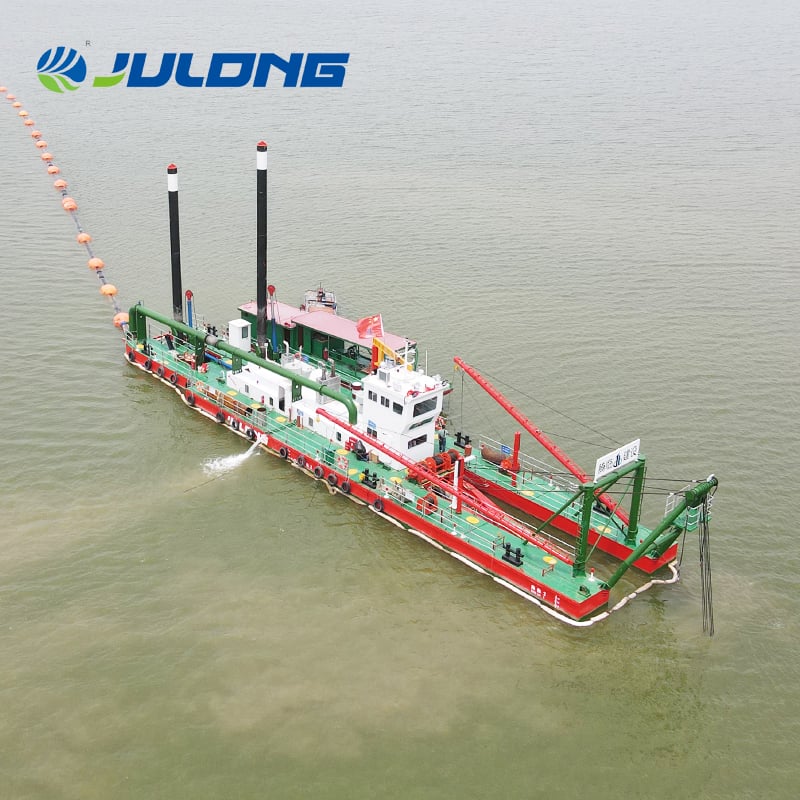
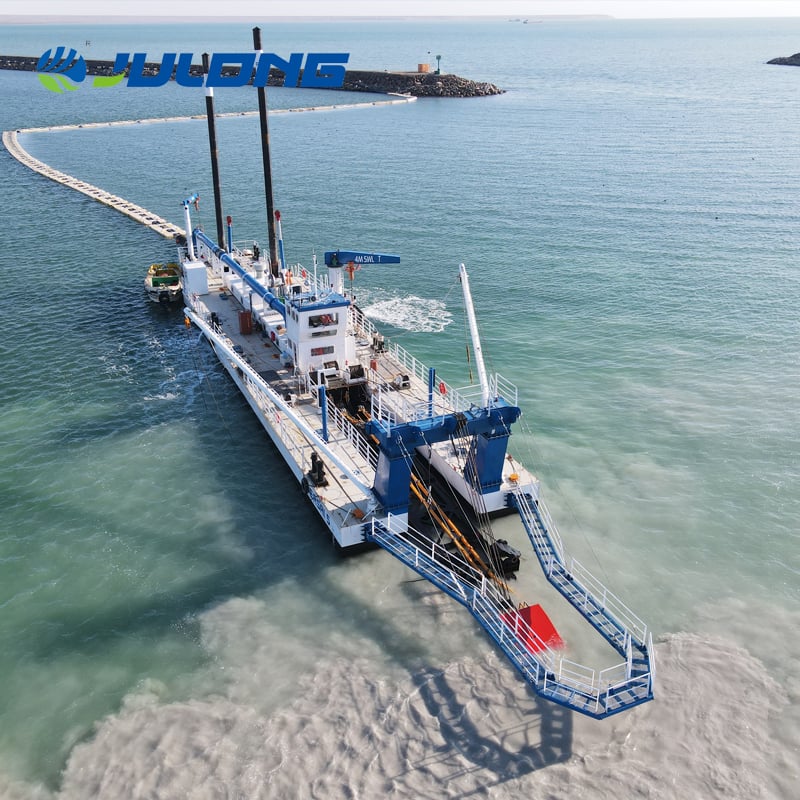
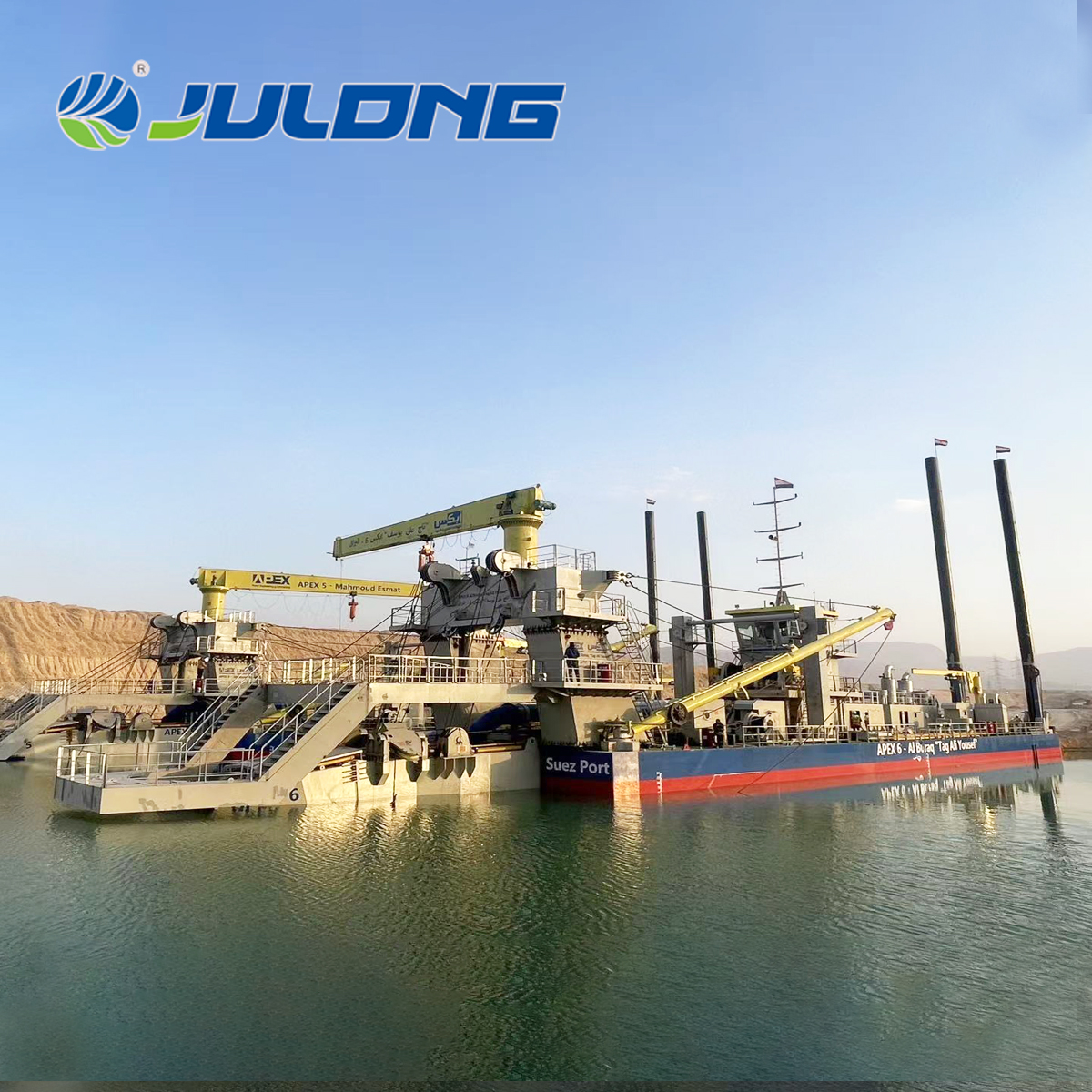
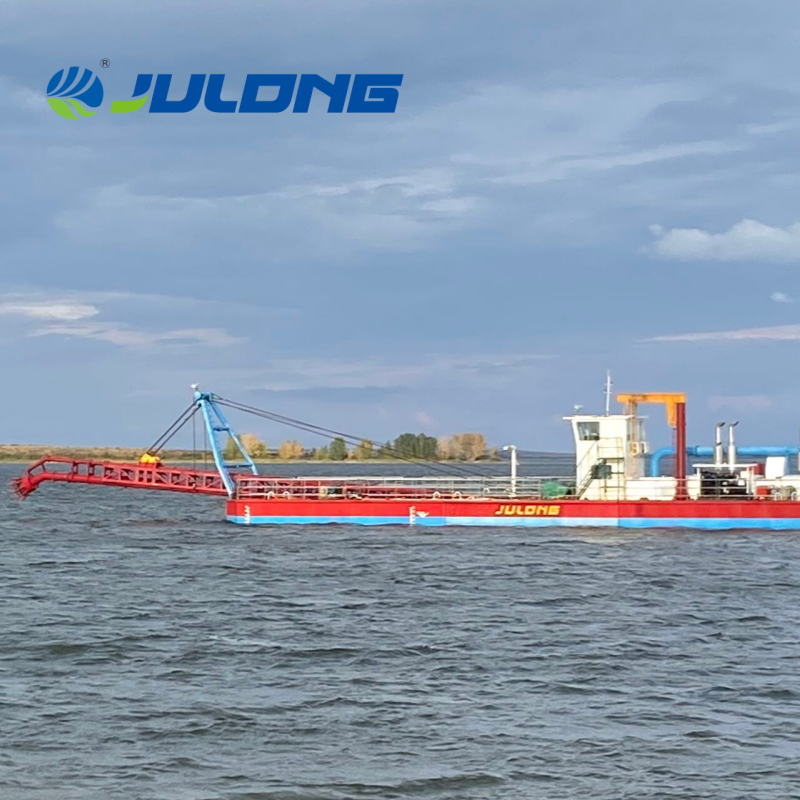
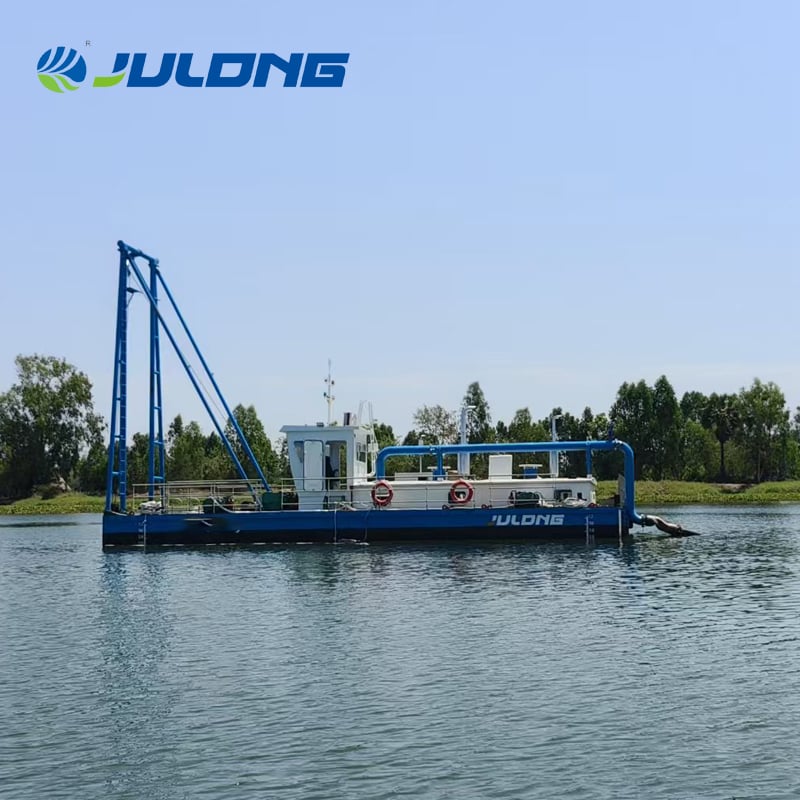
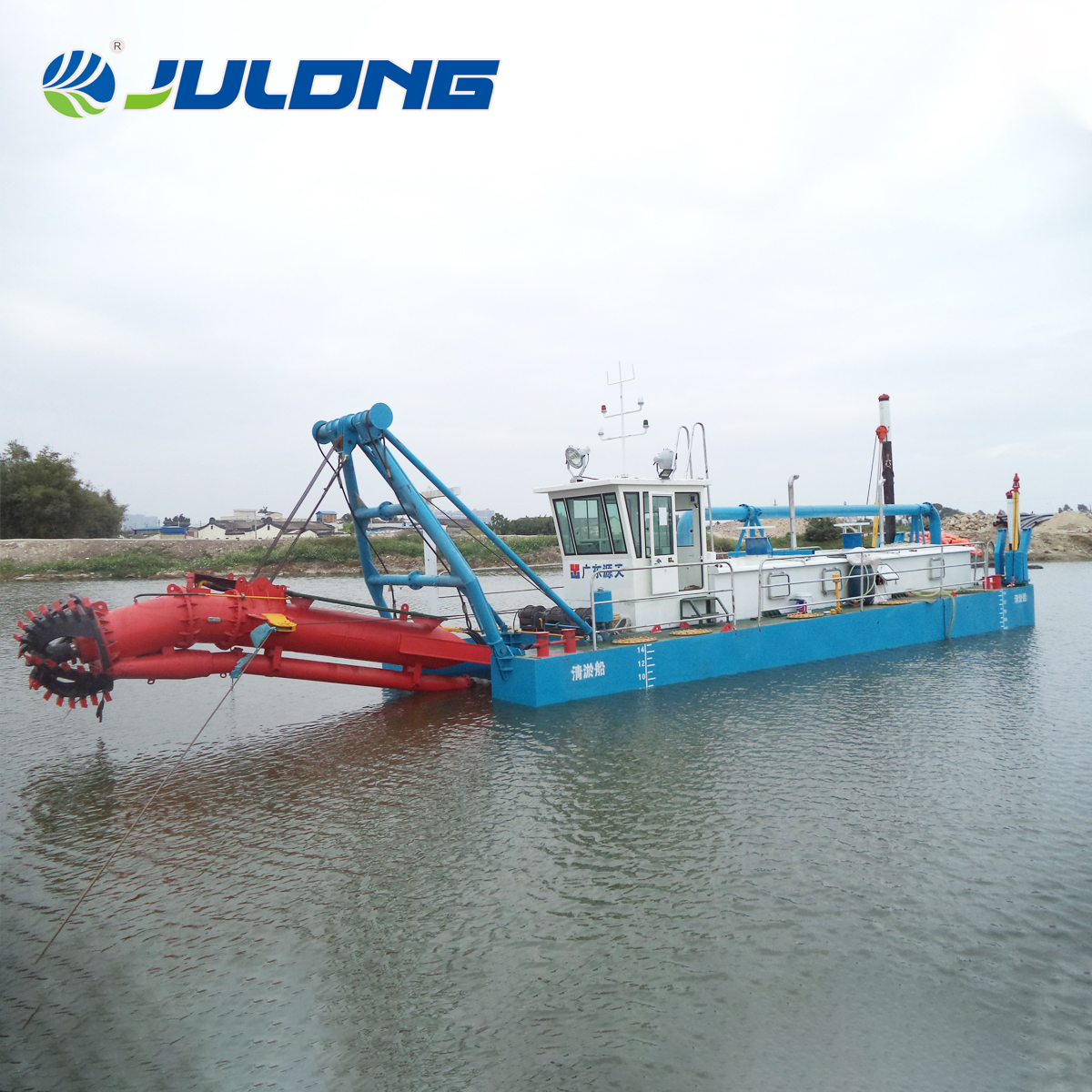
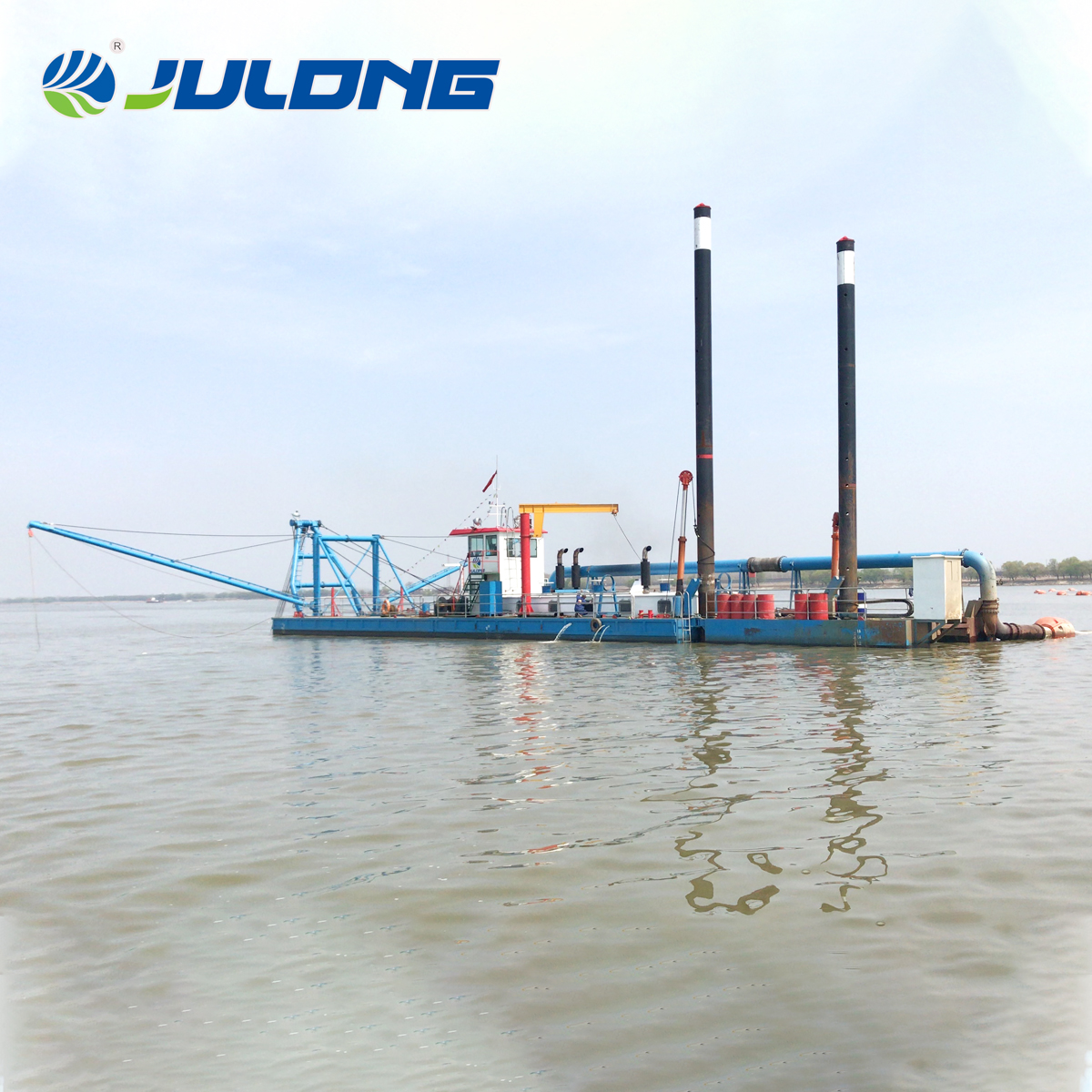
Capital dredging is an essential process in the construction and maintenance of waterways, ports, and other aquatic environments. For businesses venturing into capital dredging projects, selecting the right equipment is crucial for ensuring efficiency and cost-effectiveness. This article will address common concerns faced by purchasing managers and project engineers, including how to choose the dredger right cutter suction dredger, what specifications to prioritize when sourcing dredging equipment, and where to find reliable suppliers. Additionally, we will highlight important considerations for cutter suction dredger buyers and evaluate the material advantages in capital dredging machinery. 

Specifications to Consider When Sourcing Dredging Equipment

Specifications to Consider When Sourcing Dredging Equipment

When sourcing dredging equipment, several critical specifications must be evaluated to ensure optimal performance. Key specifications include: 

Pump Capacity: This determines the volume of material that can be moved per hour. A higher pump capacity is necessary for larger projects or when dredging denser materials. 

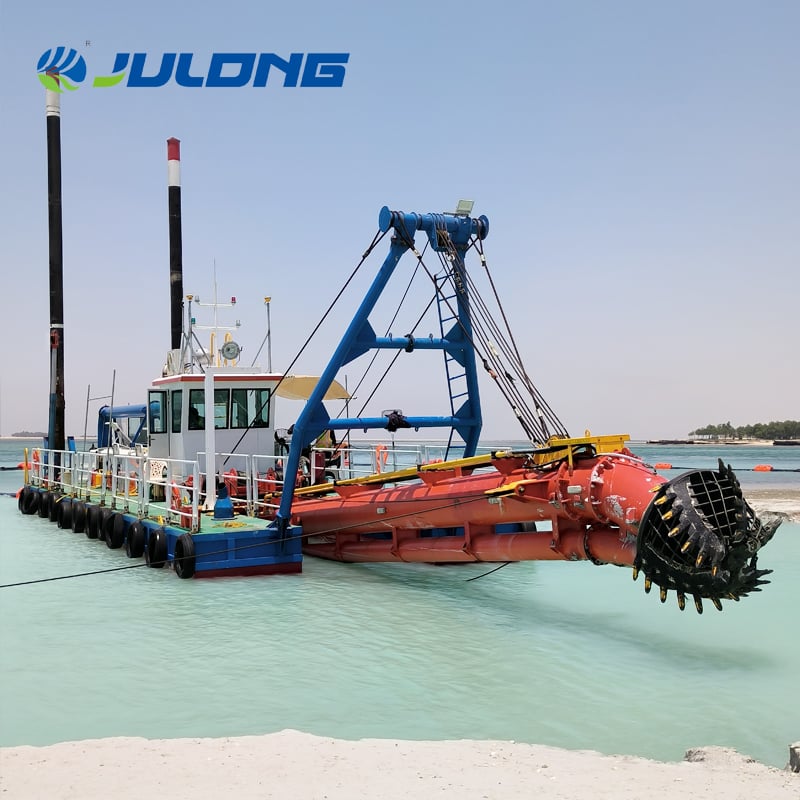
Cutter Head Design: The cutter head should be selected based on the type of sediment and the required cutting action. Designs vary from simple to complex, with some offering additional features like adjustable cutter speeds. 

Dredging Depth and Width: Ensure the dredger can reach the the dredgers required depth and maintain the width necessary for your project. This specification directly affects the dredging efficiency and the type of material that can be handled. 

Material Composition: Understanding the materials used in the cutter suction dredger construction of the dredger, such as steel grade and corrosion resistance, is vital for durability and performance in harsh marine environments. 

Power and Fuel Efficiency: Evaluate the engine specifications, including horsepower and fuel consumption rates. This will impact the overall operational costs and environmental considerations. 

By understanding these specifications, buyers can make informed decisions that align with their project goals. 

Where to Find Reliable Suppliers for Capital Dredging Solutions

Where to Find Reliable Suppliers for Capital Dredging Solutions

Finding reliable suppliers for capital dredging solutions can be challenging, but several avenues can facilitate the process. Start by researching industry-specific directories and websites that list manufacturers of dredging equipment. Attend industry trade shows and conferences, where you can meet suppliers and see their equipment firsthand. 

Additionally, leverage online platforms that focus on B2B transactions. Websites that specialize in industrial equipment often provide reviews and ratings for manufacturers, which can be beneficial in evaluating potential suppliers. Ensure that the cutter suction dredger suppliers you consider have robust certifications, such as ISO and CE, which indicate adherence to international quality standards. 

Finally, reach out to industry peers for recommendations. Networking with other professionals who have experience in capital dredging can provide valuable insights and lead you to reputable suppliers. 

What Buyers Need to Know

What Buyers Need to Know

As a buyer in the capital dredging equipment market, understanding the nuances of your purchase is vital for ensuring project success. Here are several key factors to consider:

Lead Time: Factor in the time required for manufacturing and delivery. Depending on the complexity of your dredger, lead times can vary significantly. It is advisable to discuss timelines upfront with your supplier and plan accordingly to avoid project delays. 

Minimum Order Quantities (MOQ): Be aware of the MOQ that suppliers may impose. This is particularly relevant if you are considering purchasing multiple units or additional equipment for your project. 

Customization Options: Many manufacturers offer customization capabilities. Discuss your specific requirements and assess how the supplier can accommodate them. This may include modifications to design, size, or additional features. 

Quality Control Processes: Inquire about the supplier’s quality cutter suction dredger control measures. Understanding their manufacturing processes and testing protocols can give you confidence in the equipment’s reliability and performance. 

Warranty and Support: Review the warranty terms and the level of support available post-purchase. A good warranty can protect your investment, and responsive support is crucial for addressing any operational issues that arise. 

By addressing these considerations, buyers can enhance their negotiation power and ensure they select the best equipment for their needs. 

Evaluating Material Advantages in Capital Dredging Machinery

The materials used in the construction of capital dredging machinery significantly impact performance, durability, and maintenance. Key material advantages to consider include: 

Corrosion Resistance: Dredging equipment is often exposed to water and abrasive materials, making corrosion resistance crucial. Materials like high-strength steel or those treated with protective coatings can prolong the lifespan of the machinery. 

Structural Integrity: The design and material thickness affect the overall strength of the dredger. Ensure that the materials used can withstand operational stresses and environmental challenges. 

Weight Considerations: The weight of the dredger influences its mobility and the type of cutter suction dredger support equipment needed during transport. Lighter materials can improve maneuverability but must still provide adequate strength and durability. 

Maintenance Requirements: Different materials have varying maintenance needs. Selecting equipment made from materials that require less frequent maintenance can lower operational costs and downtime. 

Environmental Impact: Consider the environmental implications of the materials used, especially if your project involves sensitive ecosystems. Manufacturers that prioritize sustainable materials can help you align with environmental regulations and corporate responsibility goals. 

By evaluating these material advantages, buyers can ensure they select dredging machinery that meets both operational requirements and sustainability goals. 

Incorporating the right cutter suction dredger into your capital dredging project can lead to significant efficiencies and cost savings. Understanding the equipment specifications, sourcing reliable suppliers, and evaluating material advantages will empower you to make informed decisions that enhance project success. 

How to Choose the Right Cutter Suction Dredger for Your Project

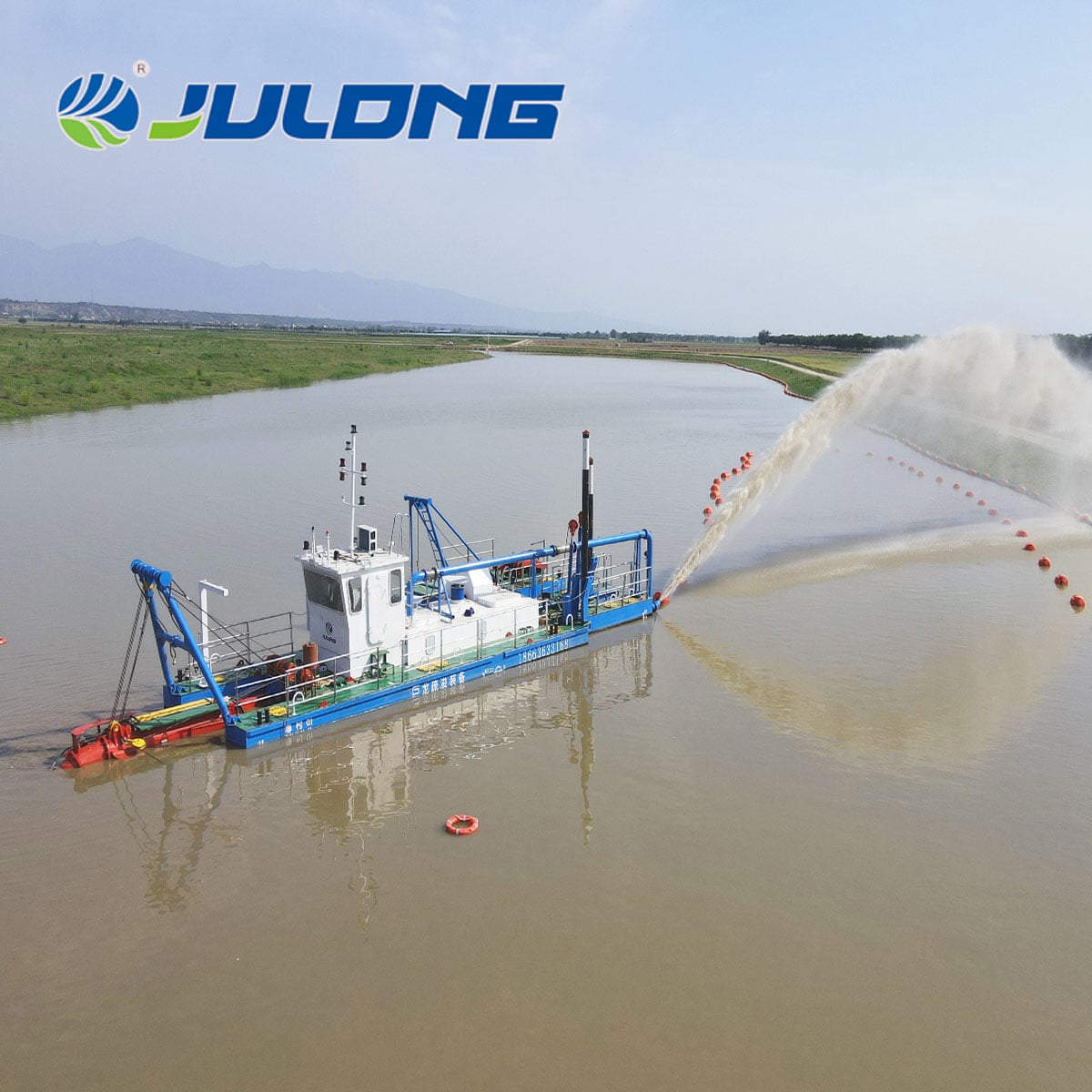
Selecting the appropriate cutter suction dredger (CSD) for your capital dredging project involves evaluating several factors. First, consider the specific requirements of your project, such as the type of material to be dredged (sand, silt, clay) and the intended dredging depth. Different CSD models are designed for various sediment types and depths, so matching the equipment to your project’s needs is essential. Next, assess the dredger's operational efficiency. Look for features such as pump capacity, cutter head design, and the cutter suction dredger ability to handle varying flow rates. A dredger with a robust cutter head can significantly improve efficiency in tougher materials, reducing operational time and costs. Additionally, consider the suction dredger dredger's mobility and adaptability to different environments, especially if your project involves river, lake, or port work. Lastly, consult with experienced manufacturers about customizations that may be necessary for your specific application. A tailored dredger can enhance productivity and ensure you meet project deadlines effectively. 

Frequently Asked Questions

What services does your capital dredging cover?

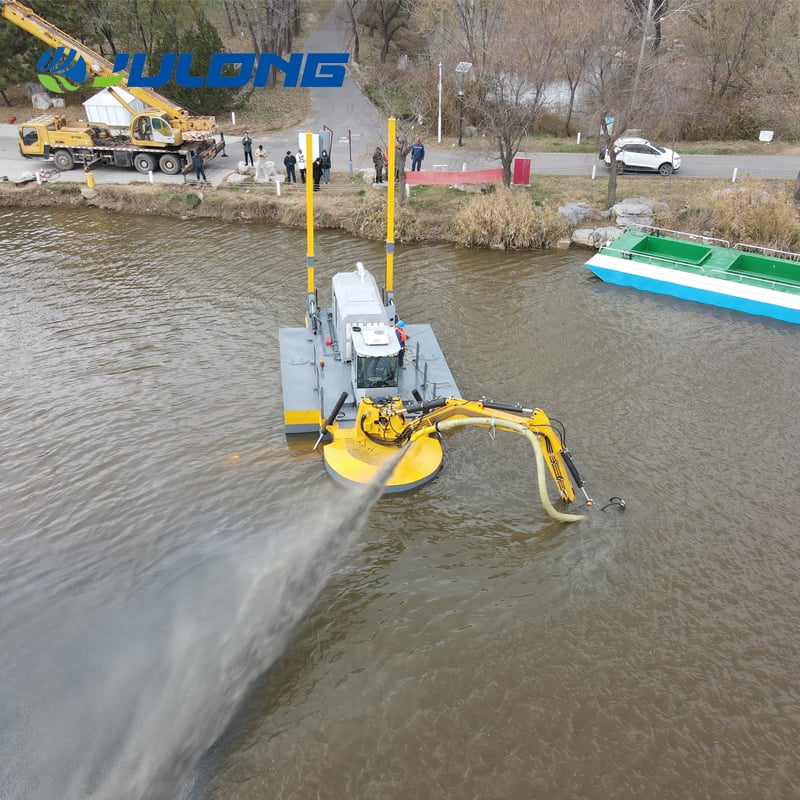
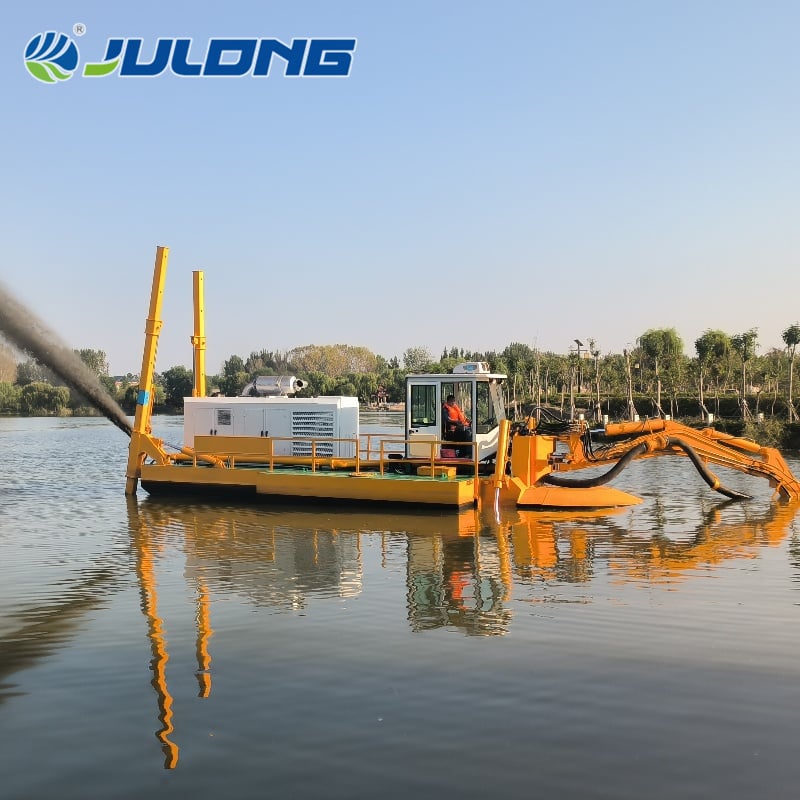
We provide cutter suction dredging, amphibious dredging, and excavator-based dredging for rivers, lakes, ports, and related infrastructure projects.
Yes. Our equipment is ISO and CE certified to ensure safety, quality, and regulatory compliance for international projects.
We operate a 12,000 m² facility with manufacturing, assembly, and testing capabilities to deliver durable, efficient dredging equipment.
Yes. We have experience serving 93 countries and can assist with export logistics, documentation, and on-site commissioning support.
We offer technical support, spare parts supply, and service guidance. Warranty terms are provided per contract to ensure reliable operation and maintenance.

Get a Free Quote

Our representative will contact you soon.
0/1000

Related product categories