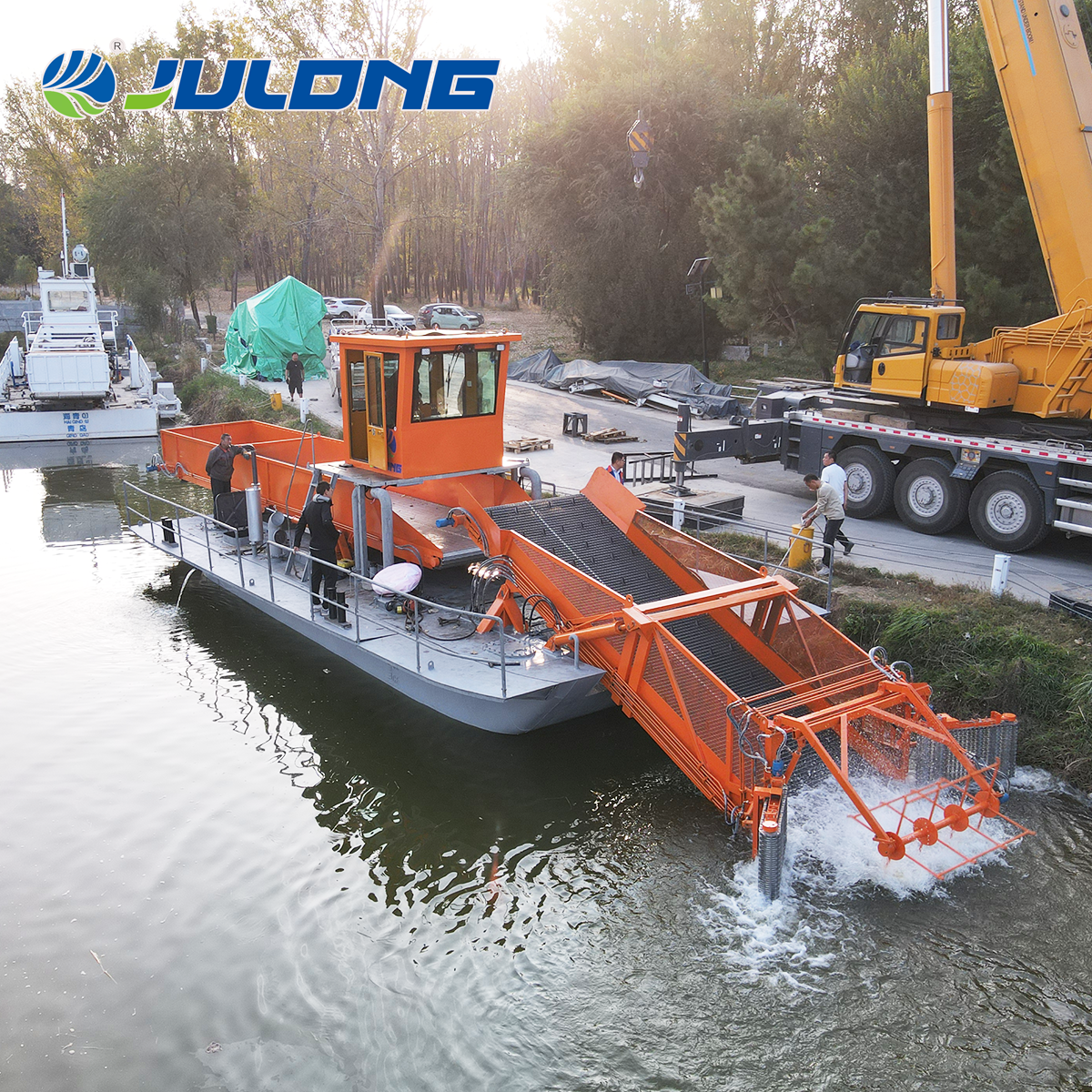
Choosing the Right Aquatic Harvester for Your Needs

application/aquatic-harvester, application/aquatic-harvester, 
Inquiry
Inquiry

Aquatic harvester

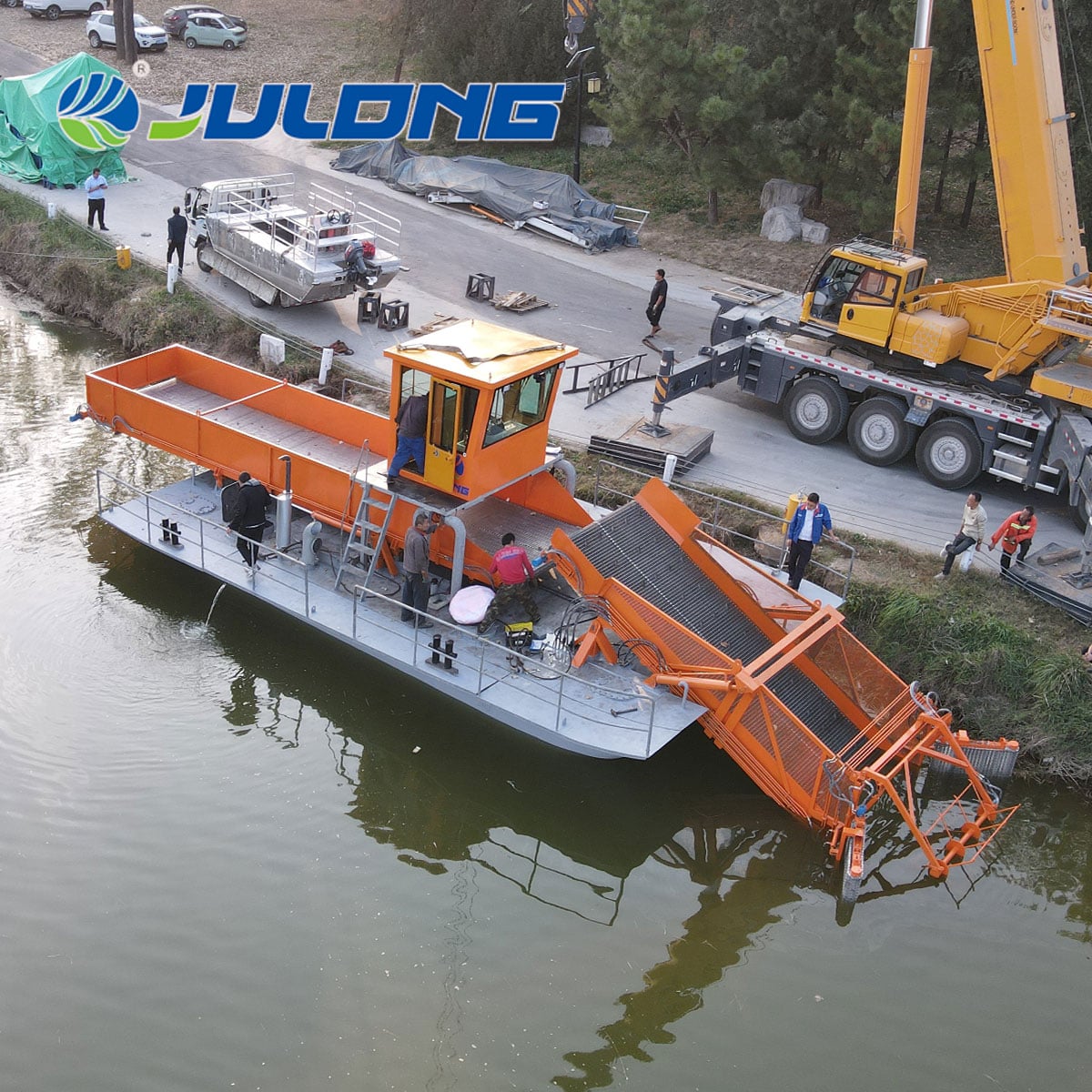
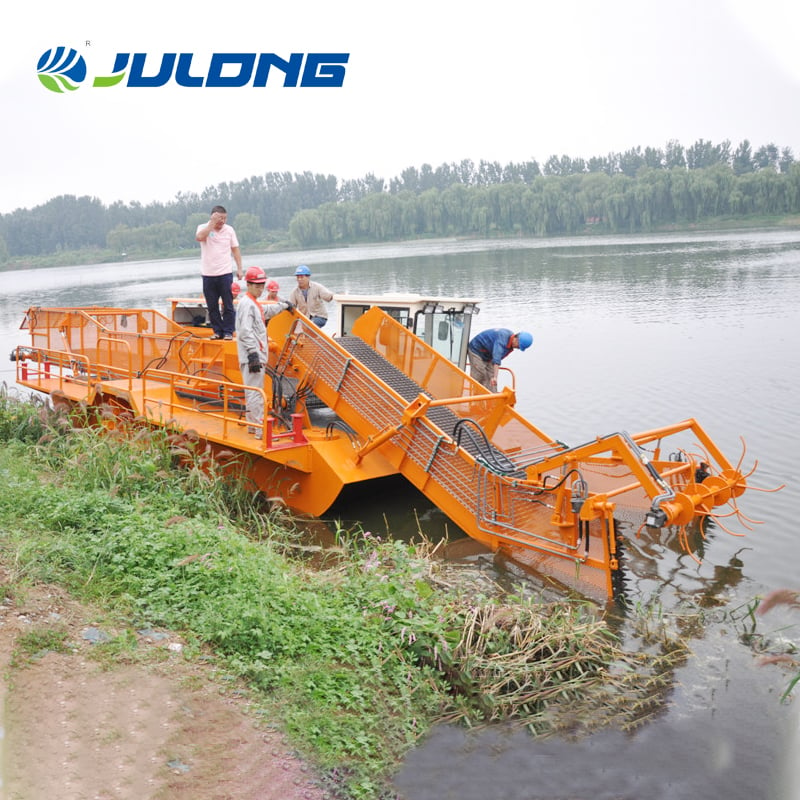
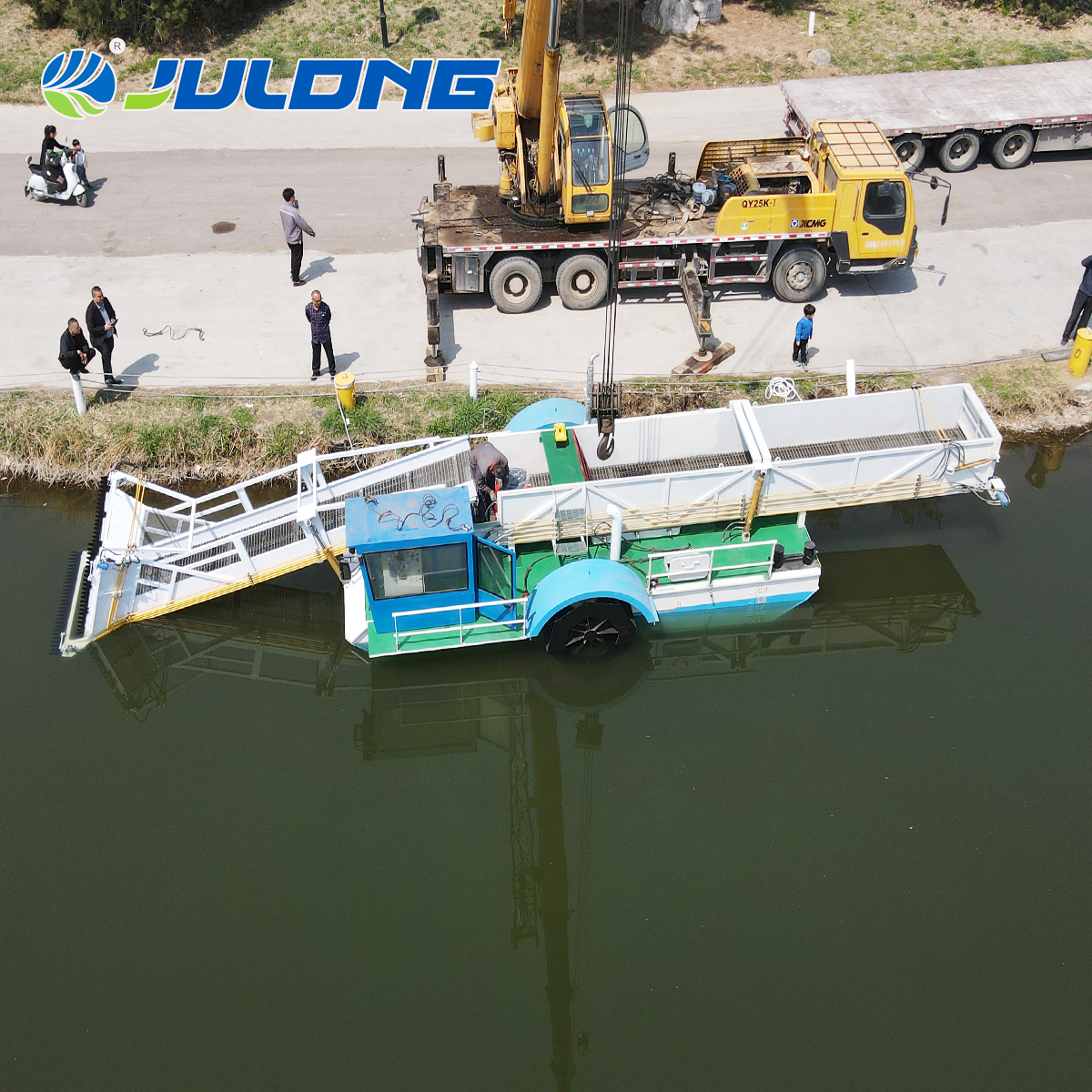
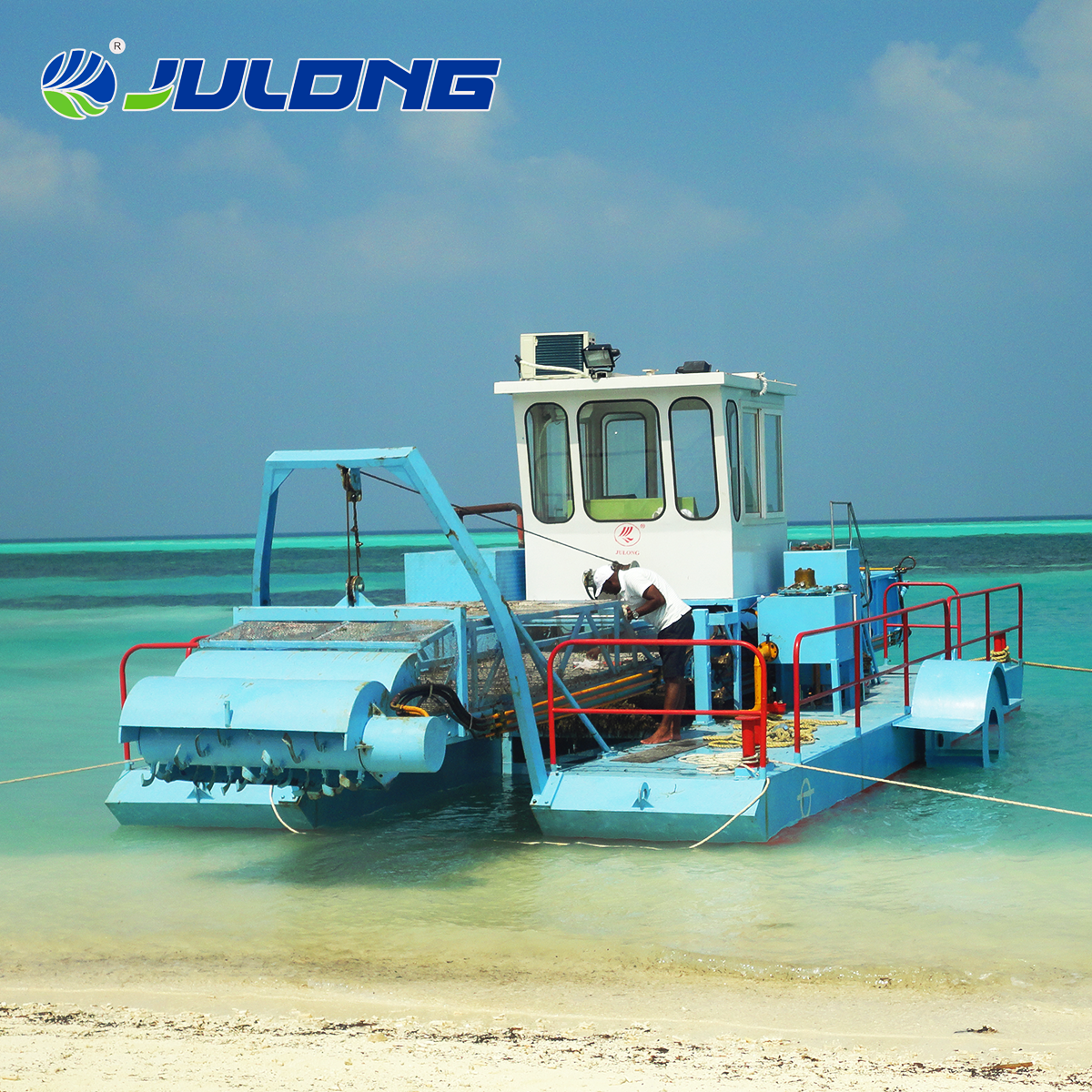
An aquatic harvester is a specialized machine designed for the effective collection of aquatic plants and debris from water bodies such as rivers, lakes, and ponds. For B2B buyers, key concerns include the cost considerations machine's efficiency, durability, operational costs, and suitability for specific project requirements. This article will guide you through essential factors to consider when selecting an aquatic weed harvester machine, ensuring you make an informed purchasing decision that aligns with your project needs. 

Understanding the Quality Control Process for Aquatic Harvesters

Understanding the Quality Control Process for Aquatic Harvesters

Quality control is vital in manufacturing aquatic harvesters to ensure reliability and performance. At Qingzhou JULONG Environmental Technology Co., Ltd.,  the quality control process includes several key steps: 

Material Inspection: All materials undergo rigorous testing to meet industry standards. This includes checking for corrosion resistance, structural integrity,  and adherence to specifications.  

Production Monitoring: Throughout the cost considerations manufacturing process, skilled technicians monitor equipment settings and assembly procedures to ensure consistency and quality. 

Functional Testing: Each aquatic lake weed harvester for sale is subjected to rigorous functional testing under simulated operational conditions. This step verifies key performance metrics, such as harvesting efficiency and maneuverability. 

Final Inspection: Before shipping, a comprehensive final inspection is conducted to ensure that every unit meets the specified quality standards, including compliance with ISO and CE certifications. 

This stringent quality control process helps ensure that the aquatic harvesters delivered to clients are reliable, efficient, and built to last. 

Cost Considerations for Wholesale Purchases of Aquatic Harvesters

Cost Considerations for Wholesale Purchases of Aquatic Harvesters

When negotiating wholesale purchases of aquatic harvesters, several cost factors should be taken into account: 

Initial Purchase Price: This is often the most straightforward cost but doesn't always reflect total ownership costs. Compare models based on their features and expected performance. 

Operational Costs: Evaluate fuel consumption, maintenance requirements, and potential downtime. Efficient machines may have a higher upfront cost but offer savings over time. 

Customization Options: Custom features may increase the initial price but can enhance efficiency for specific applications. Discuss available options with the manufacturer to see if they align with your project needs. 

Shipping and Handling: Factor in transportation costs, especially for cost considerations larger machines. Understanding the logistics involved can help manage the overall budget. 

Warranty and Support: Assess the warranty terms and after-sales support provided by the manufacturer. A longer warranty can be a sign of confidence in the product's durability and performance. 

By considering these factors, you can create a more comprehensive budget for your aquatic harvester purchase. 

Installation Guidance for Efficient Use of Aquatic Harvesters

Installation Guidance for Efficient Use of Aquatic Harvesters

Proper installation and setup of an aquatic harvester are crucial for maximizing its efficiency and lifespan. Here are key steps to consider: 

Site Preparation: Ensure that the launch site is clear of obstructions and that the water body is accessible. This may involve clearing debris or creating a stable entry point. 

Assembly Instructions: Follow the manufacturer's assembly instructions carefully. This includes securing all components and ensuring that the machine is correctly calibrated for optimal performance. 

Testing Before Full Operation: Conduct initial tests in a controlled environment. Monitor the harvester's functionality and make any necessary adjustments to settings before deploying it for full operations. 

Operator Training: Ensure that all operators are trained in the machine's features and safety protocols. Understanding how to operate the harvester effectively can prevent accidents and enhance productivity. 

Following these installation guidelines will help ensure that your aquatic harvester operates efficiently and safely from the start. 

Features, Benefits, and Performance

Aquatic harvesters are equipped with various features designed to enhance performance and efficiency: 

Cutting Mechanism: Most harvesters feature adjustable cutter heads that can be tailored to the type of vegetation being harvested, allowing for more effective cutting and collection. 

Navigation Systems: Advanced navigation technology helps operators maneuver the harvester through challenging water conditions, ensuring effective coverage of the target area. 

Durable Construction: High-quality materials used in manufacturing, such as marine-grade steel and cost considerations corrosion-resistant coatings, contribute to the machine's longevity and reliability. 

Performance Metrics: Look for harvesters that provide performance metrics such as harvesting speed, fuel efficiency, and load capacity. These metrics can help you assess the machine's suitability for your specific needs. 

Environmental Considerations: Some modern aquatic harvesters are designed with eco-friendly features, minimizing disruption to the aquatic ecosystem while effectively managing vegetation. 

Understanding these features and benefits will help you evaluate different models and select an aquatic harvester that best fits your operational requirements. 

How to Choose the Right Aquatic Harvester for Your Project Needs

When selecting an aquatic harvester, it's crucial to evaluate your specific project requirements. Consider the following factors: 

Project Size and Scope: Determine the area you need to cover and the volume of material to be harvested. Larger projects may require more robust machines capable of handling greater capacities. 

Type of Aquatic Plants: Different machines are optimized for various types of vegetation, from invasive species to nutrient-rich algae. Assess the specific types of plants you will be dealing with. 

Water Conditions: The weed harvester boat design must be cost considerations suitable for the water body's characteristics, including depth, flow rate and the presence of obstacles like submerged rocks or debris. 

Operational Efficiency: Look for models that offer high efficiency in terms of fuel consumption and harvesting speed. Features such as adjustable cutter heads can enhance versatility. 

Durability and Maintenance: Consider the materials used in construction, as high-quality corrosion-resistant components will ensure longer service life and reduced maintenance needs.  

By aligning these factors with your project goals, you can select an aquatic harvester that meets your operational needs effectively. 

Frequently Asked Questions

What is an aquatic harvester used for?

An aquatic harvester is used to remove aquatic plants, debris and sediment from rivers, lakes and ports to restore water flow, prevent blockage, and improve ecological health and navigation.
We offer a range of cutter suction and amphibious-based harvesters in various sizes and power ratings to suit small lakes, river channels and port maintenance needs.
Our aquatic harvesters are built in an ISO/CE certified facility with strict quality control, durable components and tested performance for long-term reliability.
Yes. Amphibious and specialized cutter configurations allow operation in shallow, marshy and variable-depth environments for flexible site access.
Yes. We offer technical support, maintenance guidance, spare parts supply and training to ensure efficient operation and quick turnaround in 93 countries served.

Get a Free Quote

Our representative will contact you soon.
0/1000