Aquatic Weed Harvester for Sale: A Complete Guide

application/aquatic-weed-harvester-for-sale, application/aquatic-weed-harvester-for-sale, 
Inquiry
Inquiry

aquatic weed harvester for sale

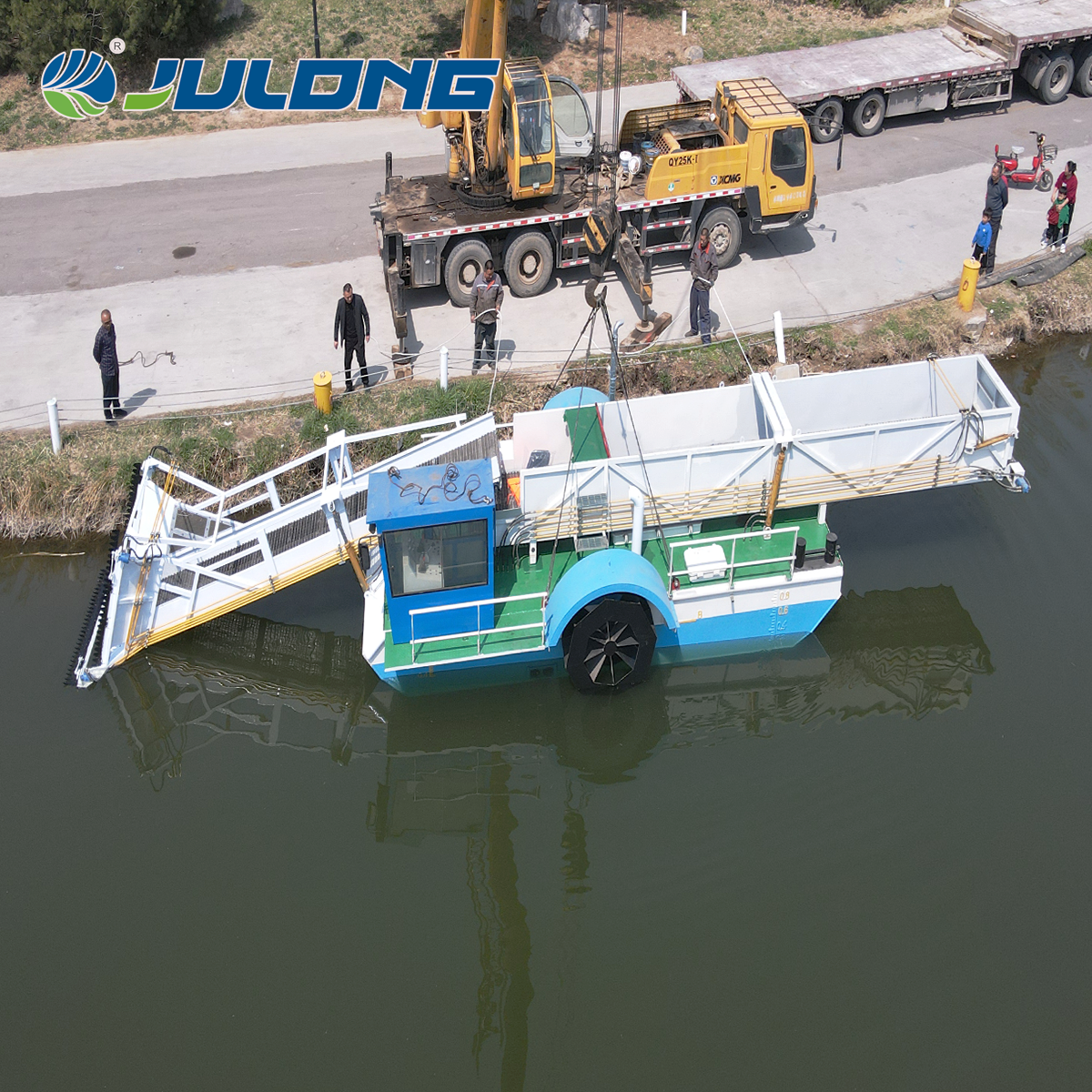
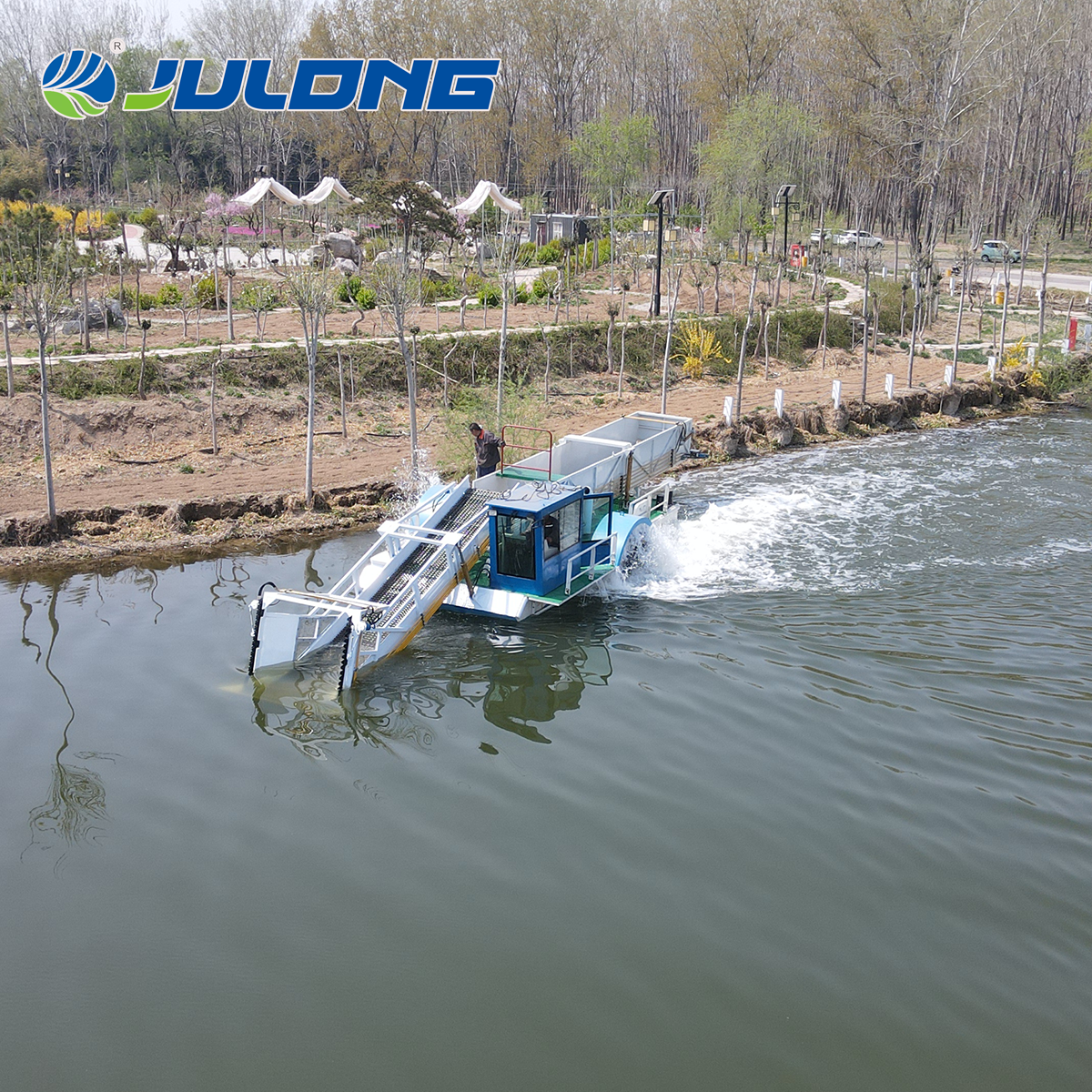
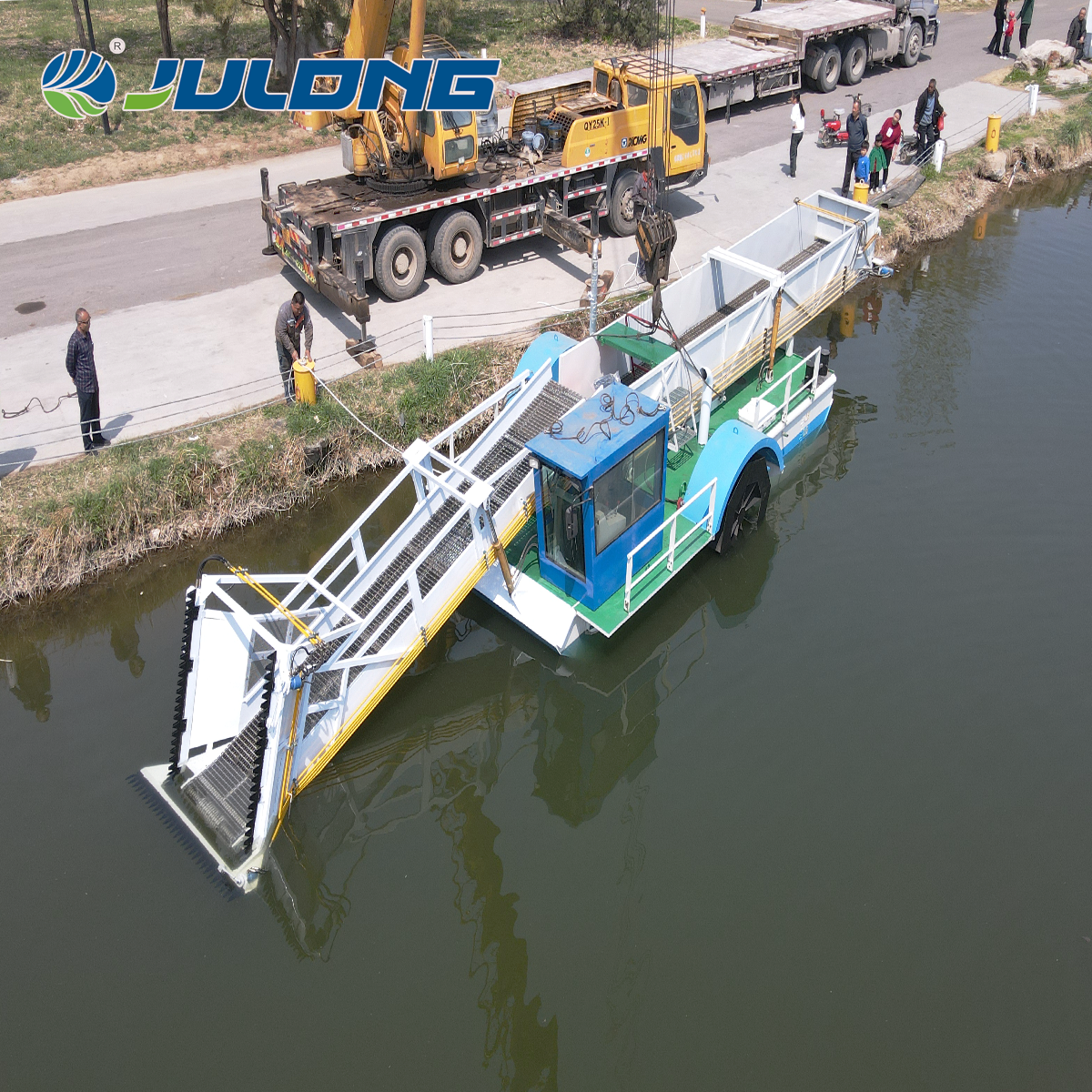
Aquatic  weed  harvesters are  specialized machines  designed to remove unwanted  aquatic vegetation from bodies of water,  such  as  rivers, lakes, and  ponds. For businesses and municipalities  looking to maintain water quality and  enhance recreational areas, finding the right aquatic weed harvester for sale  is crucial. B2B buyers  often prioritize efficiency, durability, and cost-effectiveness when evaluating these machines. This article will guide you through important factors to  consider, cost  implications, installation  guidance, and  common issues that may arise  with  aquatic  weed harvesters.

Key Factors

Key Factors

When  sourcing an aquatic weed harvester, several key factors  should be carefully evaluated:

Materials and Durability: The construction materials of the  harvester should be  robust enough to withstand prolonged exposure  to water and vegetation. High-quality steel or corrosion-resistant  alloys are preferred for longevity.

Engine  Power  and Efficiency: The power of the engine directly impacts  the harvester's efficiency. Consider models  with high horsepower ratings for heavy-duty  applications,  as these will perform  better in dense  vegetation.

Ease of Use: User-friendly controls and automated  features can enhance operational efficiency.  Training costs and time should also be considered;  simpler machines require less training.

Compliance and Certifications: Ensure that the harvester complies with local regulations  and standards. Seek models with ISO or CE certifications, indicating adherence to quality and safety  standards.

Cost Considerations When Sourcing Aquatic Weed Harvesters

Cost Considerations When Sourcing Aquatic Weed Harvesters

Cost  is a significant factor in  procurement, and understanding the total cost of ownership is essential. Here are some considerations:

Initial Purchase Price: The upfront cost of the harvester is a primary concern. Prices can vary widely  based on size, features, and brand reputation. It’s  advisable to compare similar models  from  different manufacturers to find  the best fit for your budget.

Operational  Costs: Consider fuel consumption, maintenance,  and potential repair costs. A more efficient  machine may have a higher upfront cost but lead to lower operational expenses in the long  run.

Financing Options: Explore financing  options  that may be available through manufacturers  or third-party lenders. Leasing may  also be a viable option  for businesses looking  to minimize initial expenditures.

Resale Value:  Assess the potential resale value  of the harvester.  High-quality machines often retain their value better, making them a more prudent investment.

Installation Guidance for Efficient Use of Aquatic Weed Harvesters

Installation Guidance for Efficient Use of Aquatic Weed Harvesters

Proper installation and  setup are critical  for maximizing  the efficiency  of your  aquatic weed harvester. Here are steps to consider:

Site Assessment: Conduct a thorough  assessment of the working  environment.  Identify any obstacles, water  depth variations, and types  of vegetation present.

Transport and Positioning:  Ensure the harvester is transported  to the site safely. Position it strategically to maximize coverage and accessibility to targeted areas.

Calibrating the Equipment: Before operation, calibrate the cutting height and ensure the collection system is functioning correctly. Testing the machine in  a controlled area can help fine-tune settings.

Operator Training:  Invest  time in  training operators  on the machine’s controls and maintenance needs. Proper training can reduce  the risk of  misuse and enhance  operational efficiency.

Common Problems with Aquatic Weed Harvesters and Their Solutions

Despite their effectiveness, aquatic weed  harvesters can encounter issues. Here are some  common problems and  their solutions:

Clogging: This can occur due to dense  vegetation or debris. Regular maintenance and cleaning can prevent clogs. Ensure that the cutting mechanisms  are  sharp and in good condition to minimize this issue.

Engine Overheating: Insufficient cooling or excessive load can lead to overheating. Regularly check coolant levels and  ensure that the harvester is not operating beyond its capacity.

Inefficient Collection: If the  harvester fails to collect weeds effectively, inspect the collection system for blockages or damage. Adjustments to the cutting height may  also improve  performance.

Wear and  Tear: Regular inspection of components  such  as blades, belts, and hydraulic systems can help identify  wear early, allowing for timely replacements and reducing downtime.

In  summary, understanding the intricacies of selecting and utilizing an aquatic weed  harvester is essential for  making informed purchasing decisions. By considering key factors, evaluating costs, ensuring proper installation, and being aware of potential issues, buyers can maximize the  benefits of  these valuable machines in maintaining water bodies effectively.

How to Choose the Right Aquatic Weed Harvester for Your Projec

Selecting the appropriate aquatic weed harvester involves understanding the specific requirements of your project.  A few key considerations include the size of the area to be managed, the types of weeds present, and the machine’s operational capabilities. For example, if you are considering larger areas, you might want to look into options like our Multi-Function Work Boat for versatile solutions.

Size and  Capacity: The dimensions  and harvesting  capacity of the machine should align with  the scale of your project. For extensive areas, larger harvesters with greater cutting width and capacity may  be necessary. Smaller  models may suffice for localized or smaller bodies of  water.

Type of Vegetation: Different harvesters are  designed to handle various  types of aquatic weeds. Understanding the  specific vegetation you need to  control will help in selecting a model with the appropriate cutting mechanisms and features.  Additionally, models such as the Aquatic Cleaning Boat are tailored for specific vegetation types.

Mobility and Terrain: Consider the type of terrain your  harvester will operate in. Some models  are amphibious and can  navigate  shallow  waters and marshy areas, while others may be more  suited for deep water.

Operational Features: Look for features such as adjustable cutting heights, collection systems, and  ease of maintenance. A harvester with efficient weed collection and discharge systems will  minimize the need for additional equipment.

Frequently Asked Questions

What applications suit this aquatic weed harvester?

Designed for rivers, lakes, and ports to cut, collect, and remove aquatic vegetation efficiently for environmental maintenance and navigation improvement.
Models vary by cutter width, collection capacity, engine power, and working depth. Contact us for model sheets tailored to your project requirements.
Yes. Manufactured in a 12,000 m² facility with ISO and CE certifications, built for long-term, reliable field performance.
We offer delivery, on-site installation guidance, operator training, and technical support to ensure safe, efficient operation.
We supply spare parts, maintenance guidance, and global technical support to clients across 93 countries to maximize uptime and equipment life.

Get a Free Quote

Our representative will contact you soon.
0/1000