Choosing the Right Trash Cleaning Boat for Projects

application/trash-cleaning-boat, application/trash-cleaning-boat, 
Inquiry
Inquiry

trash cleaning boat

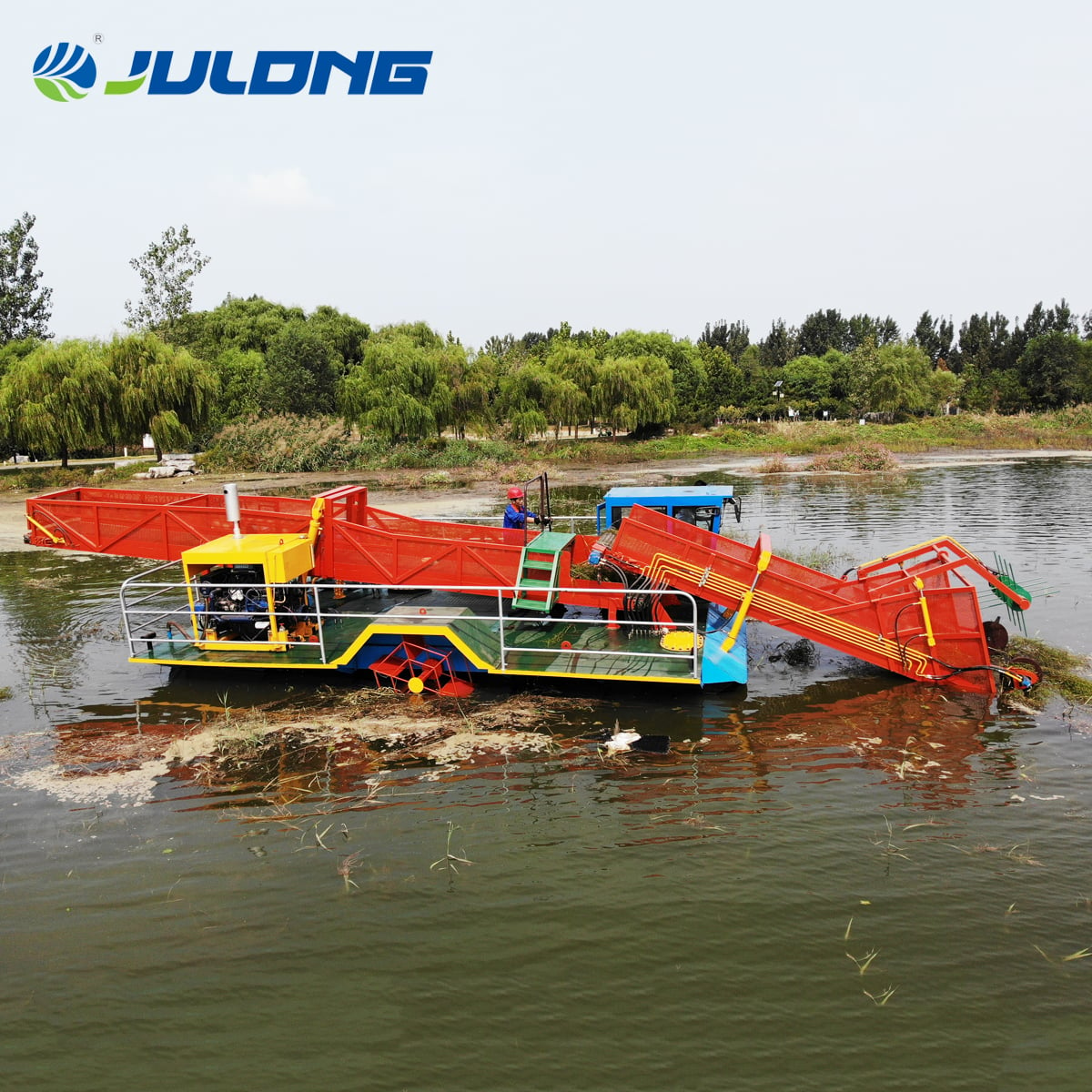
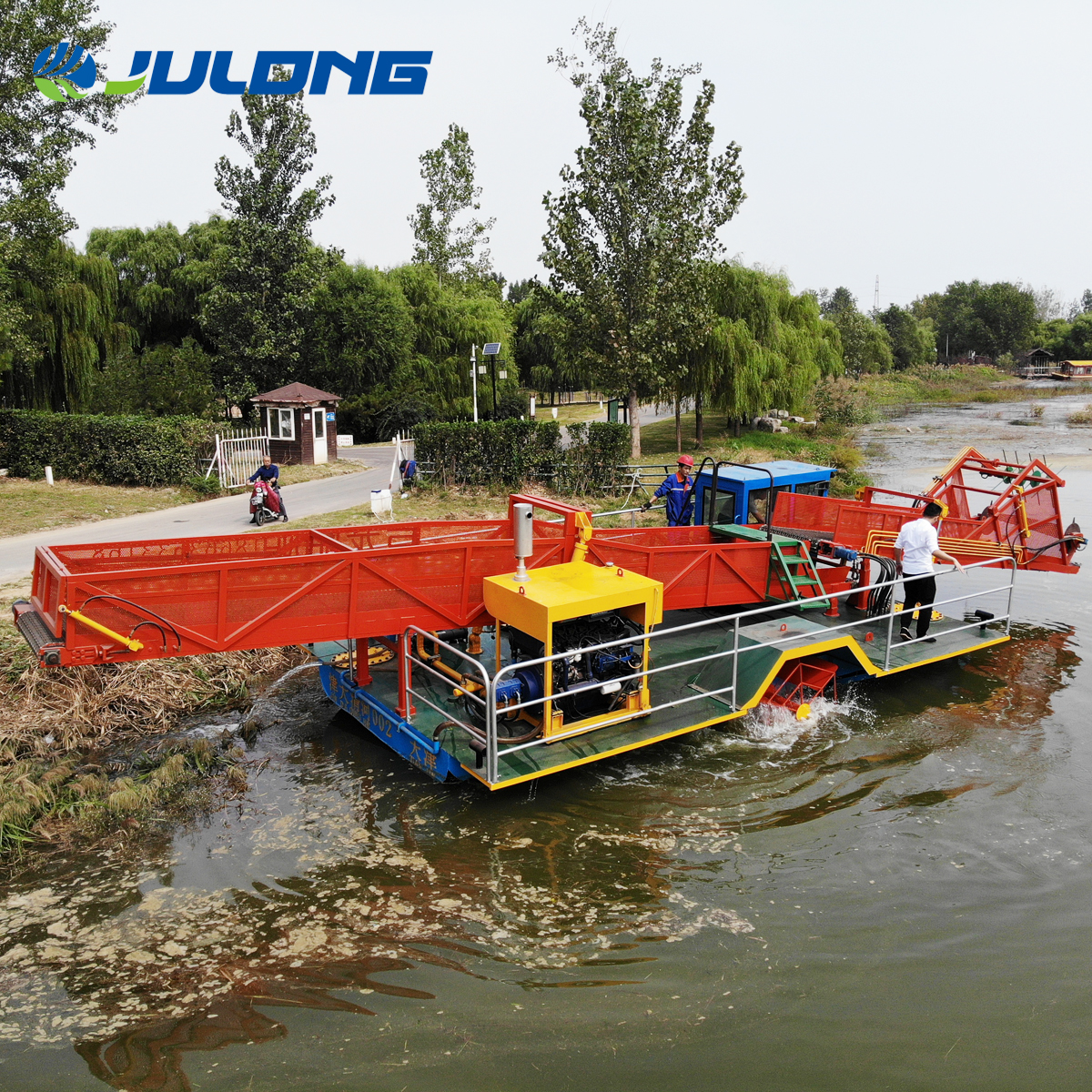
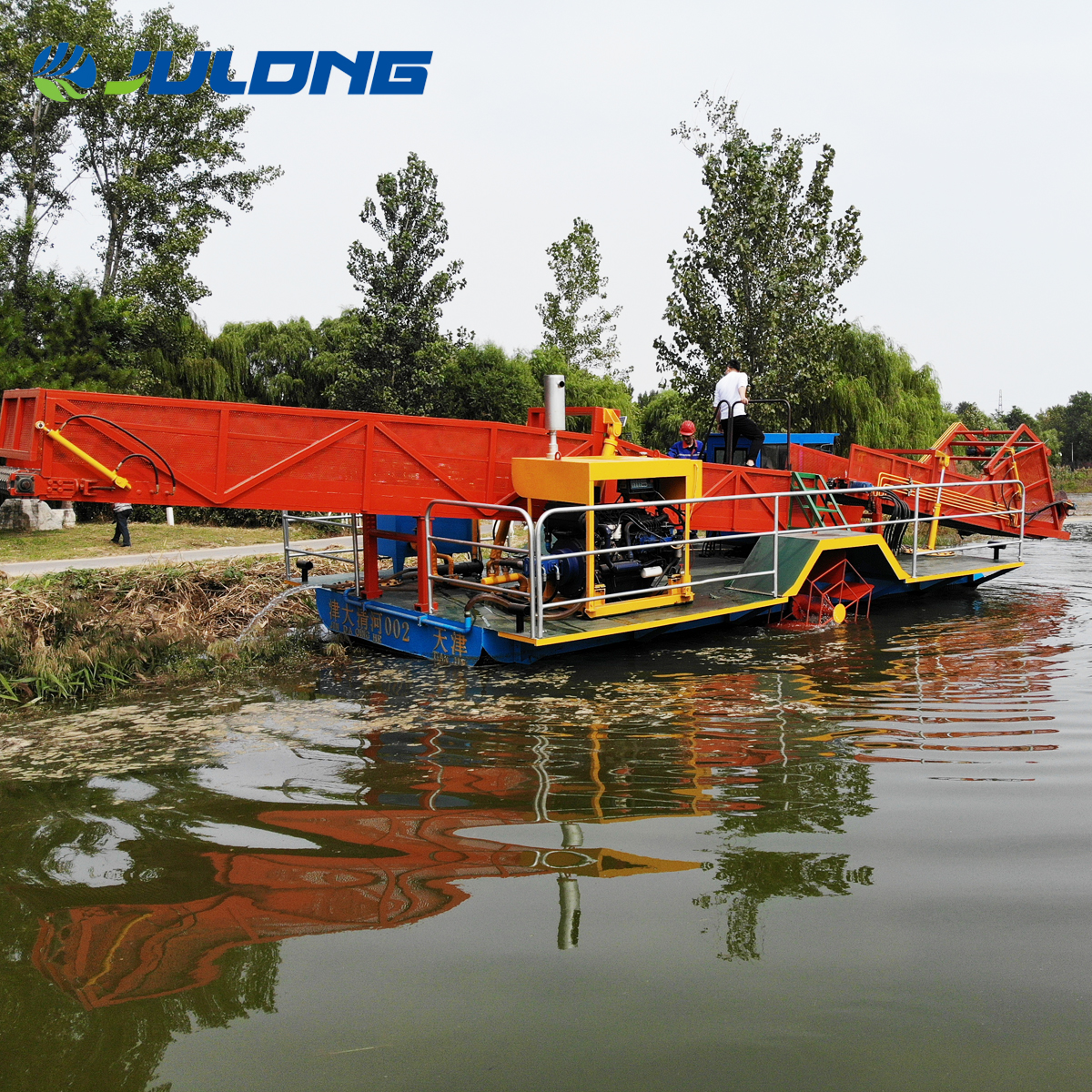
Choosing the right trash cleaning  boat is essential  for  any project focused on  maintaining waterways, whether for environmental  restoration, commercial fishing, or port management. These specialized vessels are designed  to effectively remove  debris and pollutants from rivers, lakes, and other  bodies of water. B2B buyers in this  space—such  as purchasing managers, engineers, and environmental contractors—often have specific concerns regarding product specifications,  operational efficiency, and supplier reliability. This  article  will guide you through key considerations when  selecting a trash cleaning boat, how to  find reputable suppliers, common operational issues, pricing factors,  and installation guidance  to ensure  a successful  procurement process.

 
Where to Find Reliable Suppliers of Trash Cleaning Boats

Where to Find Reliable Suppliers of Trash Cleaning Boats

Finding a trustworthy supplier for trash cleaning boats is essential for ensuring product quality and service reliability.  Start by exploring industry-specific online  platforms, trade shows,  and forums  where manufacturers showcase  their products.


Industry Associations: Joining  associations related  to environmental technology  or marine  engineering can provide access to a network of reputable suppliers.

Online Marketplaces:  Websites focused on industrial and marine equipment often include user reviews and ratings, helping you gauge supplier  reliability.

Direct Manufacturer Contact: Consider reaching out to manufacturers like Qingzhou  JULONG Environmental Technology Co., Ltd. that specialize in dredging  and excavation  equipment. Their extensive industry  experience  and commitment to quality can be an assurance of reliability.


Request References: Always ask potential suppliers for references or case studies from previous buyers. This can provide insight into their  product performance  and customer service.

Common Problems with Trash Cleaning Boats and Their Solutions

Common Problems with Trash Cleaning Boats and Their Solutions

Understanding common issues  that arise with trash cleaning boats can help buyers make informed decisions and prepare for potential challenges.

Clogged Collection  Systems: Debris  can often  clog the collection systems of trash cleaning boats, reducing efficiency. Regular maintenance and inspection of these  systems  can  help mitigate this issue. Opt for boats designed with easy-access features for quick  cleaning.

Engine Performance Issues:  Boats may experience  decreased performance due to engine wear or improper fuel use. Ensure that the  boat is equipped with a reliable engine and that you follow manufacturer guidelines for fuel and  maintenance.

Material Fatigue: Over  time, the materials  used in  the boat can suffer from wear and tear due to environmental exposure. Choose boats made from corrosion-resistant materials, and consider a maintenance plan that  includes  regular inspections  and repairs.

Operational Limitations: Some boats may struggle in specific environments, such as shallow waters or areas with  heavy underwater vegetation. Before purchasing, confirm the boat's  operational capabilities and test it in similar conditions to your project's environment.

Cost Factors to Keep in Mind When Purchasing Trash Cleaning Boats

Cost Factors to Keep in Mind When Purchasing Trash Cleaning Boats

The cost of trash cleaning boats  can  vary widely based on  several factors. Understanding  these can  help you budget  effectively.

Initial Purchase Price: The base price of the boat will depend on its size,  capacity, and features. Larger and more advanced models will typically have higher  upfront costs.

Customization Costs: Custom features can significantly increase the purchase price. Be clear about your  requirements  during initial discussions to receive accurate quotations.

Operation and Maintenance: Factor  in ongoing operational costs,  including fuel, routine maintenance, and repairs.  A more fuel-efficient boat may  have a higher initial  cost but save money in  the long  run.

Financing  or Leasing Options: Depending on your budget, you  may want to explore financing or leasing options, which can alleviate the burden of a large upfront  payment.

Installation Guidance for Your New Trash Cleaning Boa

Proper installation  and setup  of your trash cleaning  boat are crucial for ensuring  optimal performance.

Training for  Operators: Ensure that operators are trained on the specific systems and features of the  boat. Familiarity with the equipment  will  enhance operational efficiency and safety.

Initial Testing: Conduct thorough testing in a controlled  environment before deploying the boat for actual projects. This helps identify any issues that may  need addressing.

Equipment Setup: Ensure that any additional equipment, such as debris collection systems or  navigational aids, is properly installed and calibrated according to manufacturer  specifications.

Routine Maintenance Schedule: Establish a maintenance routine that includes regular checks  on the boat’s engine, hull integrity,  and collection  systems. This can prevent costly repairs and  downtime.

By taking these considerations  into account, you can make a well-informed decision  when selecting  a trash cleaning boat for your  projects. Each element, from supplier selection to operational readiness, plays a vital role in ensuring the success of your environmental initiatives.

What to Consider When Choosing a Trash Cleaning Boat for Projects

When selecting a trash cleaning boat, several critical factors must  be evaluated to ensure that the vessel meets the specific needs of your project.

Operational Environment: The conditions where the boat will operate—such as shallow waters or areas with heavy debris—will influence the design and features you require. For instance, amphibious equipment like dredgers can navigate both land  and water, making them ideal for projects with varying terrain.

Capacity  and  Size: Assess the  volume of  waste you expect to encounter. Larger boats with greater storage capacities can handle more debris, thus reducing operational frequency and downtime.

Power and Efficiency: Look for boats equipped  with powerful engines that provide the necessary thrust  for efficient navigation  and debris collection.  Fuel efficiency is also crucial, as it can  significantly affect operating costs.

Material and Durability: The  construction materials used in  the boat's hull  and components (such as  aluminum or fiberglass) should be chosen based  on the expected exposure to harsh environments and debris. Durable materials can  extend the  lifespan of the vessel and reduce maintenance  costs.

Customization Options: Consider if the manufacturer offers customization capabilities to tailor the boat to your specific operational needs, such as adding specialized equipment for debris collection or enhanced navigation systems.


Frequently Asked Questions

What is a trash cleaning boat used for?

A trash cleaning boat collects and removes floating debris, aquatic weeds, and surface pollution from rivers, lakes, harbors, and canals to improve water flow and environmental health.
We offer multiple sizes and configurations suited for small waterways to large ports, customizable based on capacity, collection system, and propulsion to meet project needs.
Our trash cleaning boats are manufactured in a 12,000 m² facility and built to ISO and CE standards, ensuring durable, safe, and reliable equipment.
Yes. We customize hull design, collection mechanism, power options, and onboard equipment to match site conditions and operational requirements.
We provide technical support, training, spare parts supply, and maintenance guidance to ensure long-term operation and fast service for international clients.

Get a Free Quote

Our representative will contact you soon.
0/1000

Related product categories