Choosing the Right Garbage Cleaning Boat for Projects

application/garbage-cleaning-boat, application/garbage-cleaning-boat, 
Inquiry
Inquiry

garbage cleaning boat

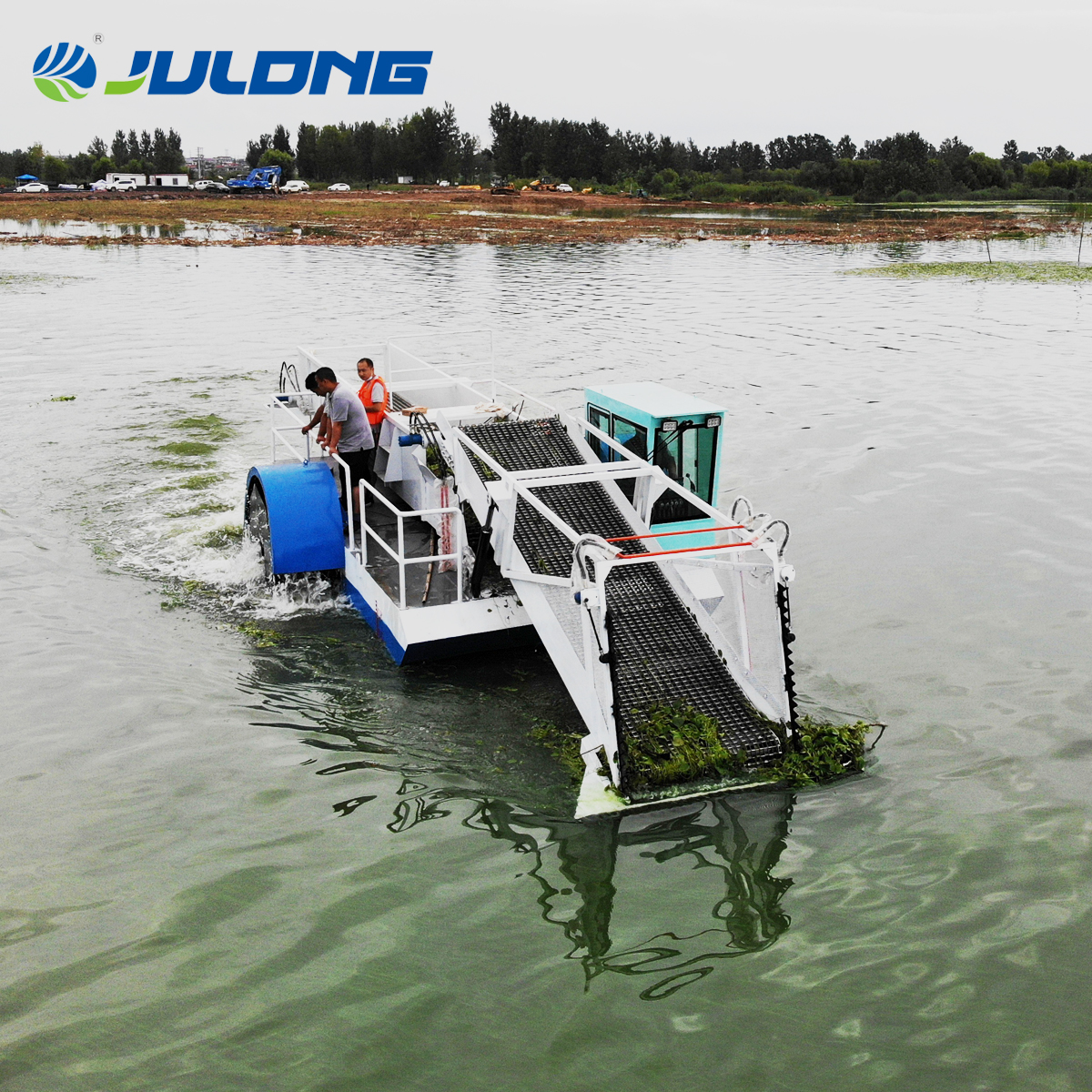
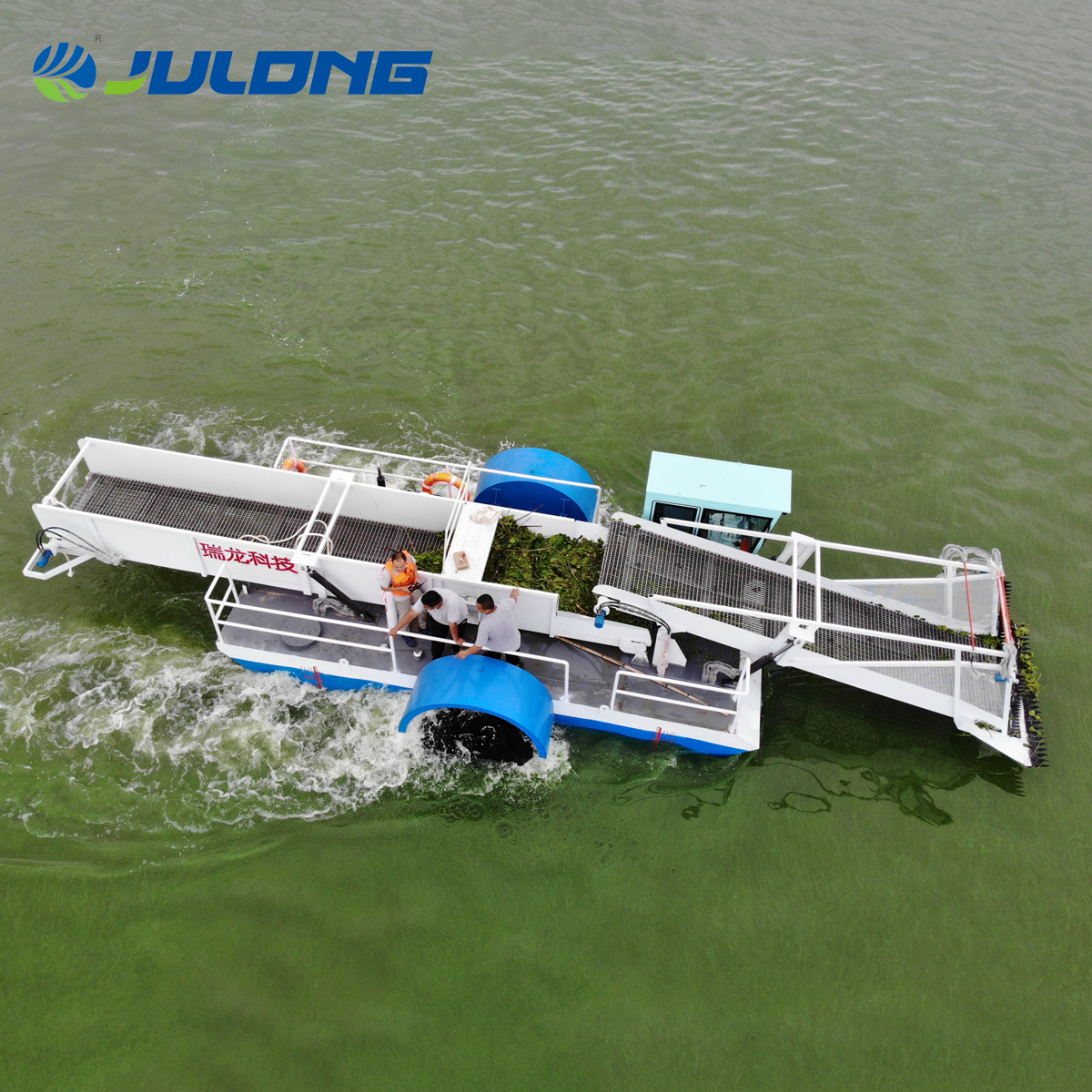
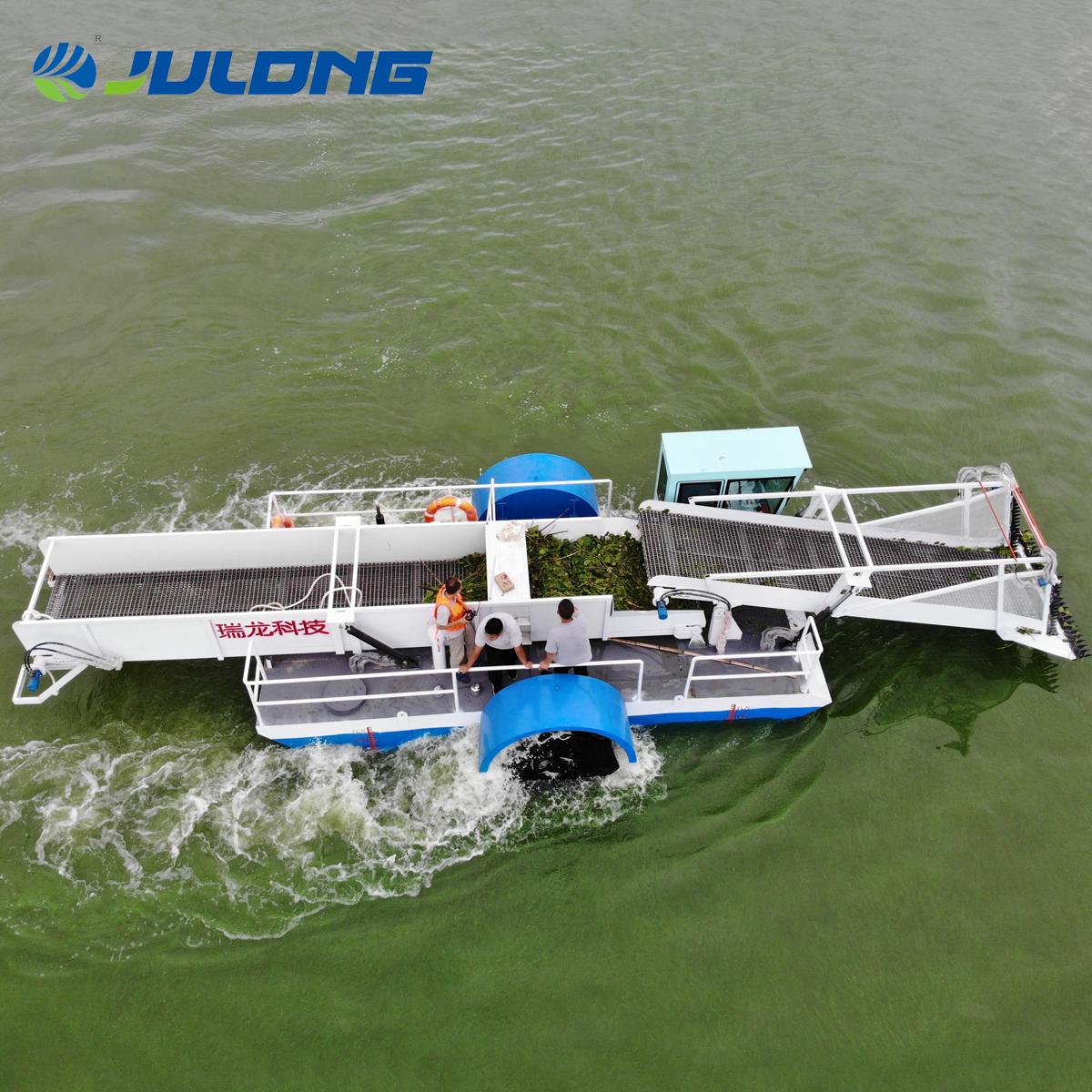
Garbage cleaning boats are specialized  vessels  designed to  efficiently collect  and remove waste from waterways, including rivers,  lakes, and  ports.  For B2B  buyers such as  purchasing managers, environmental engineers, and project managers,  selecting  the  right  garbage cleaning boat is critical for effective environmental management and compliance  with regulations. This  article will help you  navigate key considerations,  supplier sourcing,  specifications, common  issues, and the installation process, ensuring  a well-informed purchasing decision.

Key Specifications to Evaluate in Garbage Cleaning Boats

Key Specifications to Evaluate in Garbage Cleaning Boats

When evaluating garbage  cleaning boats,  focus on several critical specifications:

Material Construction: The hull and structural components should be made from corrosion-resistant materials, such  as marine-grade aluminum or fiberglass, to withstand harsh  water conditions.

Capacity: Understand the boat's waste storage capacity, which should align with your operational needs. Larger boats can handle more waste but  may require more powerful engines for mobility.

Engine Power: The engine must  provide sufficient  power for the boat’s size and intended operation. Consider the type of water conditions (calm  vs. turbulent) where  the boat will operate.

Maneuverability: Features like a shallow draft and  tight turning  radius  enhance the boat's ability to navigate narrow or shallow waterways.

Collection Mechanism: Assess the type of waste collection system employed (e.g.,  suction  systems,  nets) for efficiency in different waste types.

Safety Features: Ensure  the boat is equipped with necessary safety measures, such as flotation devices, emergency beacons, and proper lighting for  visibility during operations.

By confirming these specifications, you can  ensure the boat will meet the demands of  your environmental projects.

Common Problems with Garbage Cleaning Boats and Effective Solutions

Common Problems with Garbage Cleaning Boats and Effective Solutions

Understanding  potential issues  with garbage cleaning boats can help buyers  prepare for effective troubleshooting. Common problems include:

Clogged Collection Systems: Debris can obstruct the waste  collection mechanisms. Regular maintenance and inspections can  prevent this;  consider boats with easily accessible collection systems  for quick  clearing.

Engine Performance  Issues: Boats  may experience power loss  or inefficiency due to  fuel quality, maintenance neglect, or improper engine specifications. Regular servicing and  using high-quality fuel can  mitigate these problems.

Structural  Damage: Boats operating in challenging  conditions may suffer from wear and tear. Opt for boats with robust materials and protective coatings  to  enhance durability.

Overloading: Exceeding the weight capacity can hinder performance and safety. Operators should be trained to monitor load limits and distribute weight evenly.

By being aware of these issues, buyers can implement preventive measures and ensure smooth  operations.

Installation Guidance for Your Garbage Cleaning Boat Purchase

Installation Guidance for Your Garbage Cleaning Boat Purchase

Proper installation and commissioning of garbage  cleaning boats are essential for  optimal performance. Follow these guidelines:

Pre-Delivery Inspection: Before accepting delivery, inspect the  boat  for any visible damage and ensure all specifications match the order. This includes verifying materials, dimensions, and features.

Training for  Operators: Ensure that operators receive hands-on  training  regarding the boat’s controls, safety  features, and maintenance  procedures. This minimizes operational errors and enhances safety.

Setting Up Operational Protocols: Establish clear  operational guidelines that detail the boat’s usage, maintenance schedule, and safety protocols.  This will help in maintaining the vessel  over its lifespan.

Initial Testing: Conduct a trial run in controlled conditions to test the boat’s performance  and make necessary adjustments before deploying it for actual cleaning operations.

Regular Maintenance  Schedule: Develop a  maintenance plan that includes routine inspections, engine servicing, and  cleaning of the waste collection system  to  prolong the boat's life. Customized Multifunction Work Boat JLWB700 is an excellent option for auxiliary dredging works.

Following these steps can help ensure a successful installation and a smooth operational start.

Applications of Garbage Cleaning Boats in Environmental Projects

Garbage cleaning boats have diverse applications in  various environmental projects:

Waterway Cleanups: They play a vital role in  maintaining  the cleanliness of rivers, lakes, and coastal  areas, effectively removing plastic waste, debris, and other pollutants.

Event Support: During local events near water bodies, these boats can assist in waste collection, ensuring that the  area remains clean and environmentally friendly.

Habitat Protection: By removing waste,  these boats help restore  aquatic habitats, benefiting  local wildlife  and promoting biodiversity.

Disaster  Response: In the aftermath of floods or hurricanes, garbage cleaning boats  can be deployed  for recovery efforts, clearing debris and  restoring navigability  to  affected waterways.

Research and Monitoring: Environmental agencies can  use these boats for collecting samples and monitoring  pollution levels, contributing  to ongoing environmental studies and regulatory compliance.

Understanding these applications  can help buyers identify how garbage cleaning boats fit into their environmental initiatives, enhancing their operational efficacy.

Where to Source Reliable Suppliers for Garbage Cleaning Boats

Finding a trustworthy  supplier for garbage cleaning boats is essential  for ensuring  quality and reliability. Start by researching manufacturers with proven  experience  in  the industry. Look for companies that have certifications like  ISO and CE, indicating adherence to international  quality  and safety standards. Online marketplaces, industry trade shows, and professional networks can also provide leads on reputable suppliers. JLWB1600 Multi-function Work Boat is an example of a versatile vessel that meets various operational needs.

Additionally, consider  suppliers that have a track record of exporting to various countries.  This  can indicate their capability  to meet  diverse regulatory requirements and  adapt to different  environmental  conditions. Engaging with existing customers through testimonials or case studies  can provide insights into  a supplier's  reliability and product performance.

Frequently Asked Questions

What is the garbage cleaning boat used for?

It collects floating debris, aquatic weeds, and surface waste from rivers, lakes, harbors, and reservoirs to improve water quality and navigation safety.
Features include robust hull, conveyor or rake collection, hydraulic drive, onboard storage, and optional conveyors or sorting systems for efficient debris removal.
We offer multiple sizes and configurations to suit small lakes to large ports; capacity and dimensions are customizable to project needs.
Our products are built in a 12,000 m² facility and meet ISO and CE standards, with quality control and testing before delivery.
Yes. We offer technical support, training, maintenance guidance, and supply spare parts to ensure long-term, efficient operation.

Get a Free Quote

Our representative will contact you soon.
0/1000

Related product categories