Key Considerations for Sand Excavation Equipment

application/sand-excavation, application/sand-excavation, 
Inquiry
Inquiry

Sand excavation

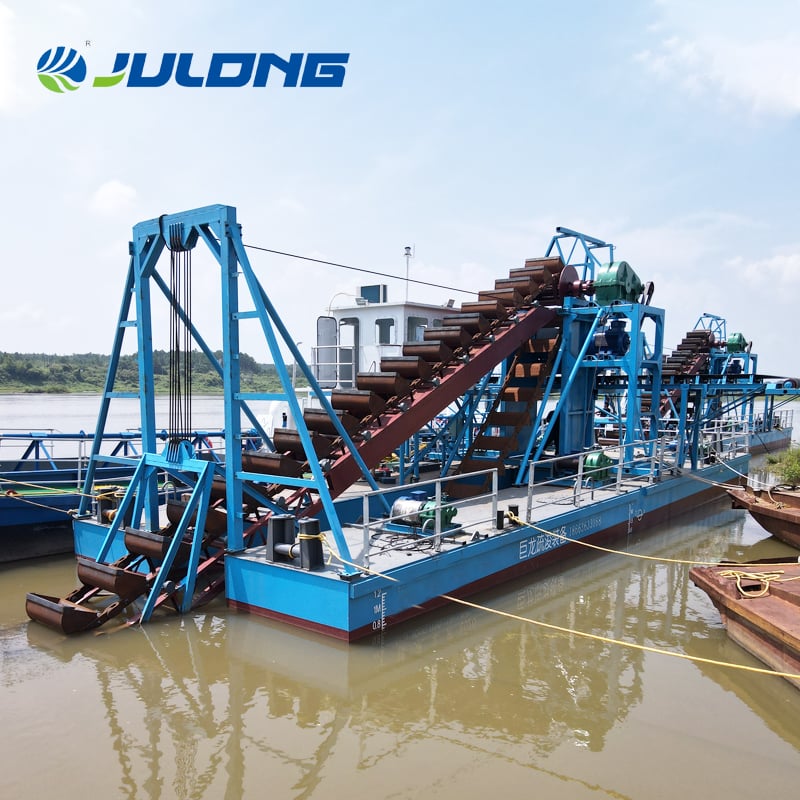
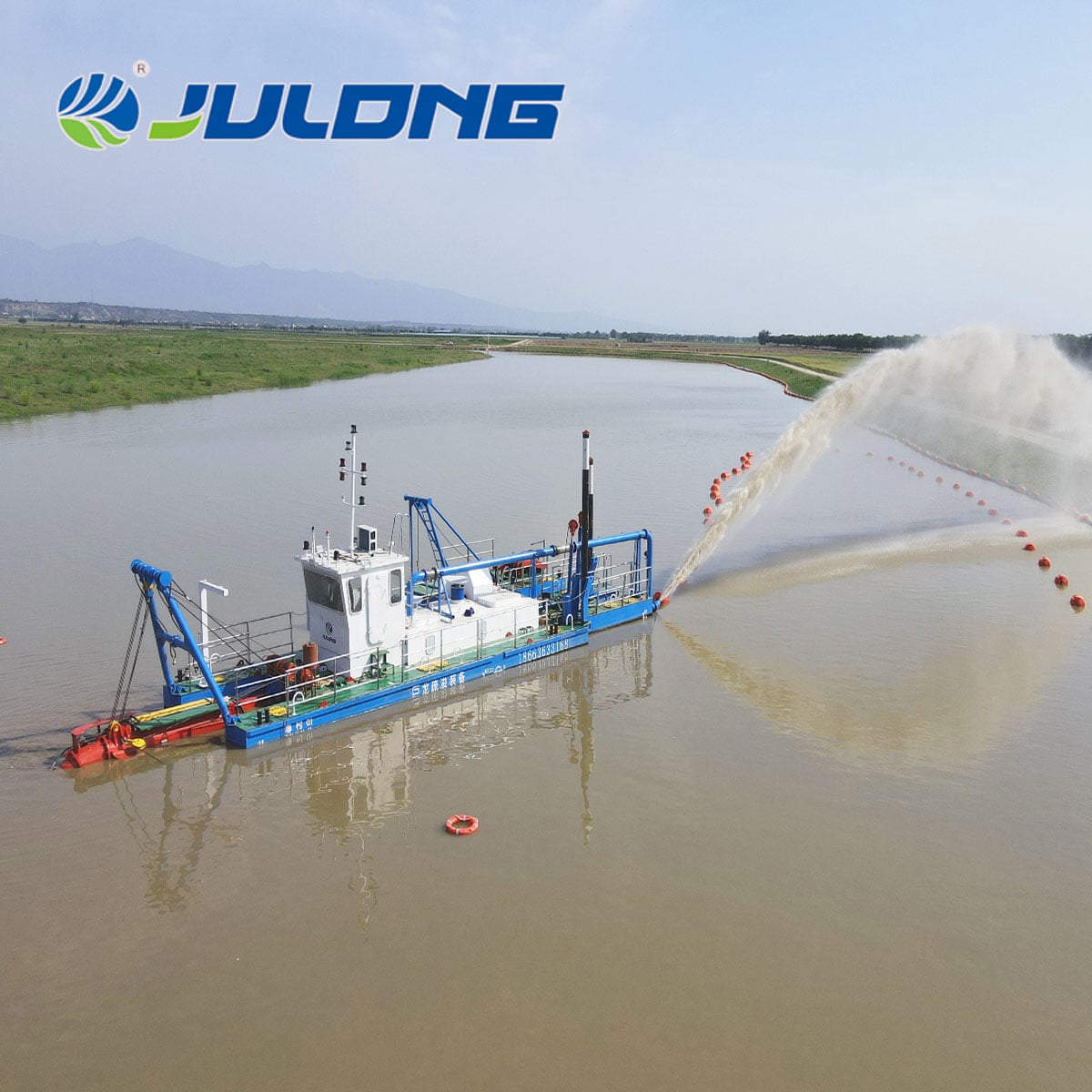
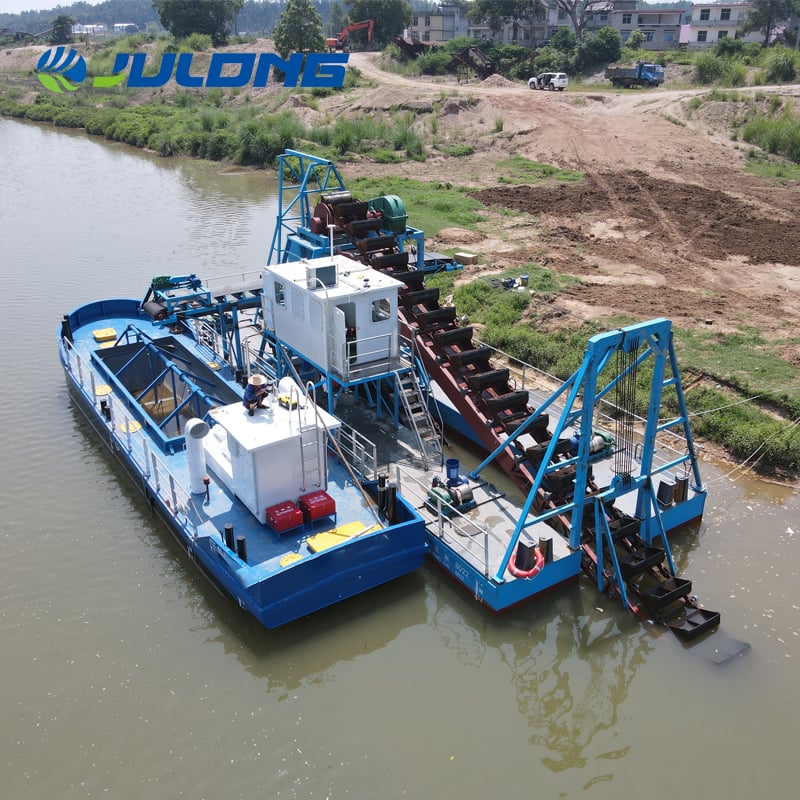
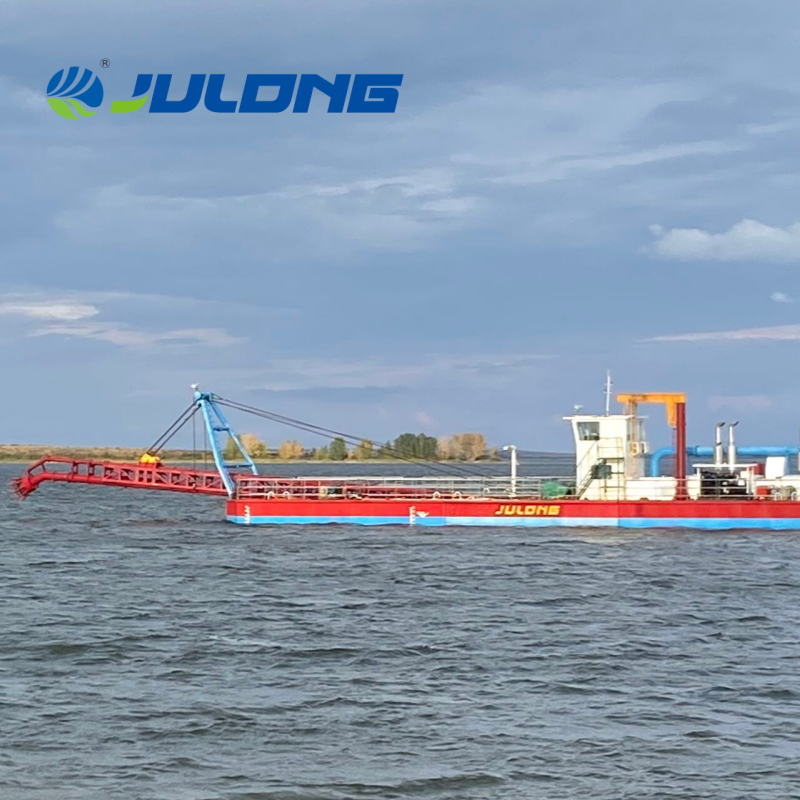
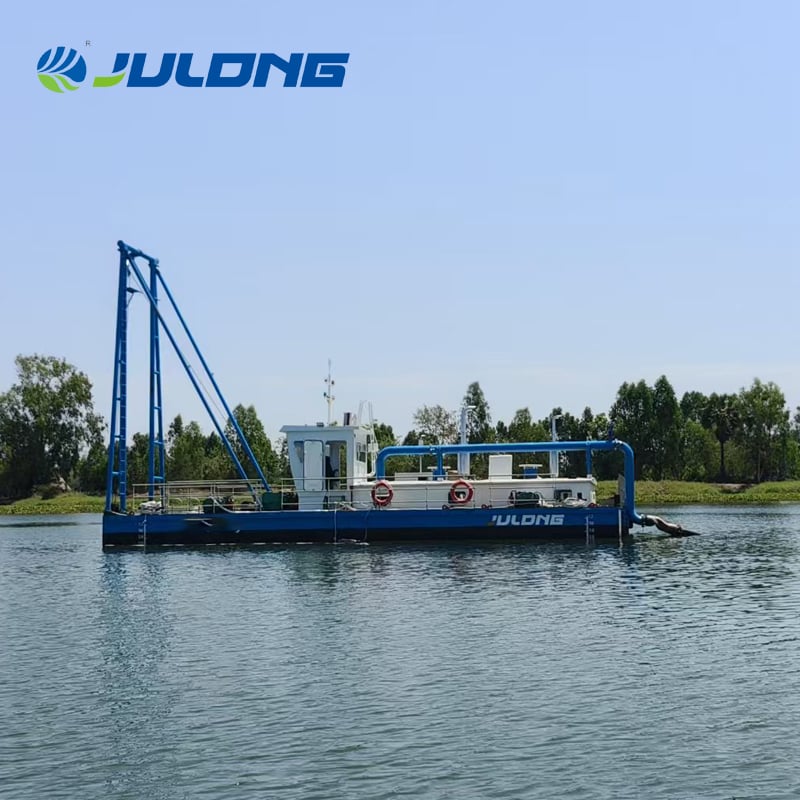
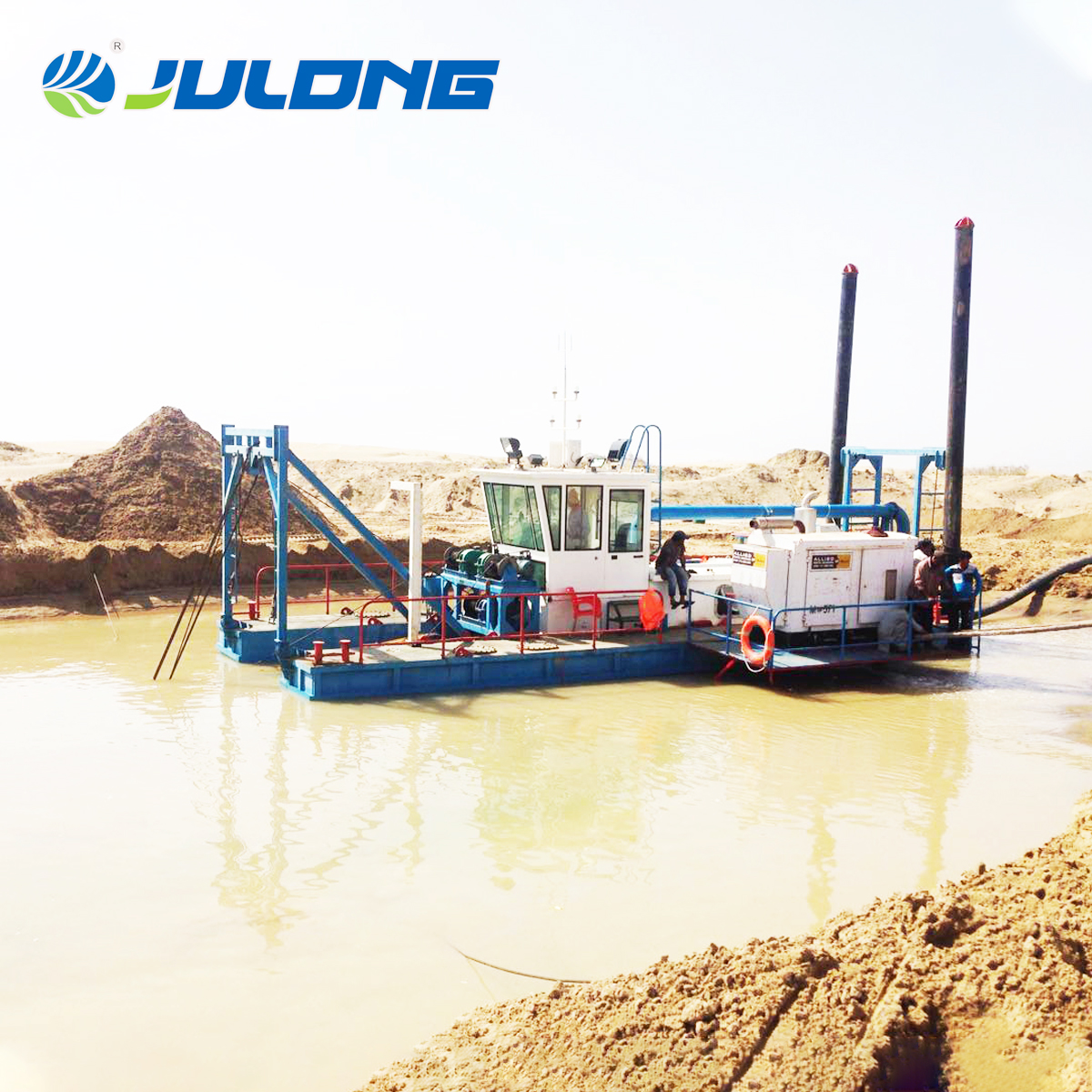
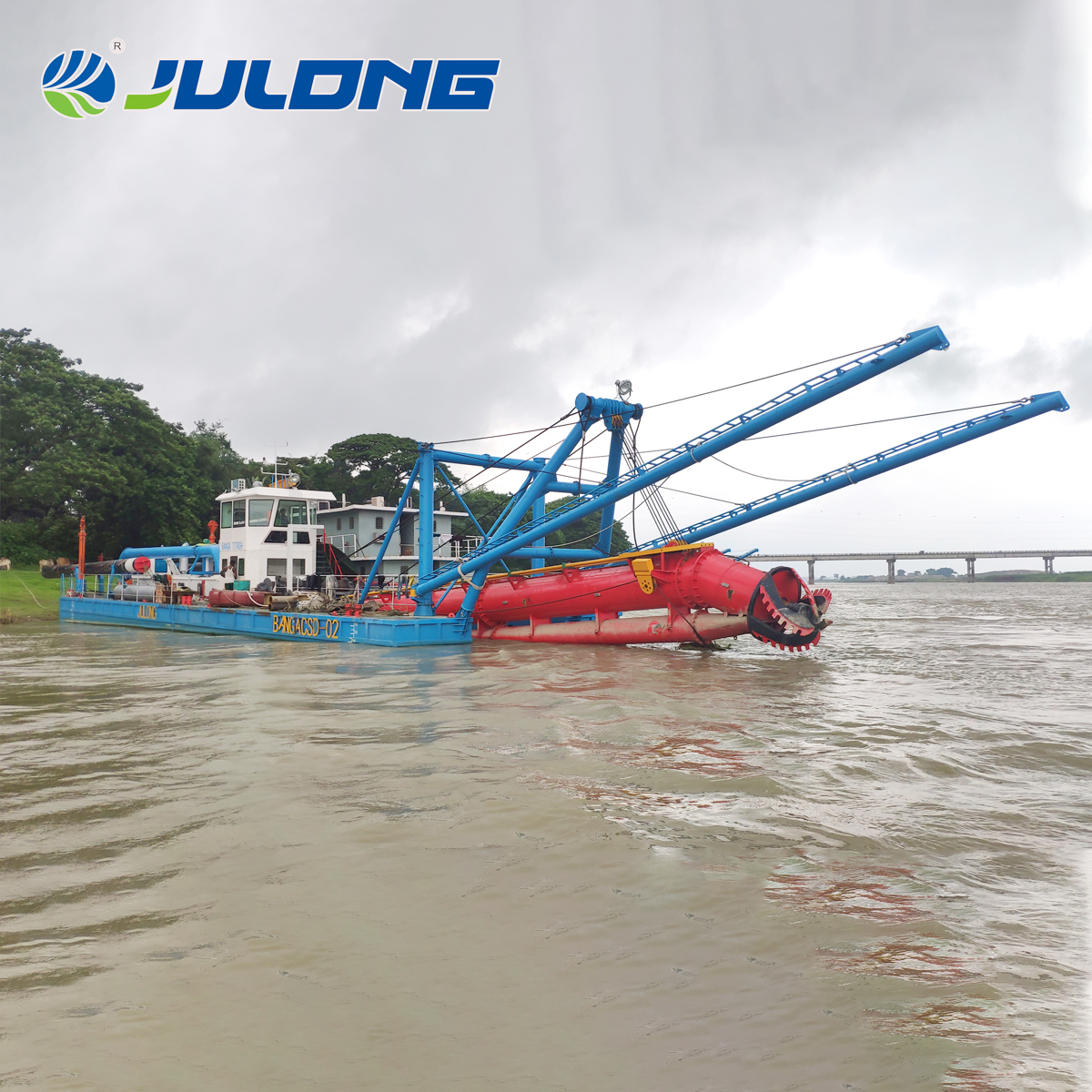
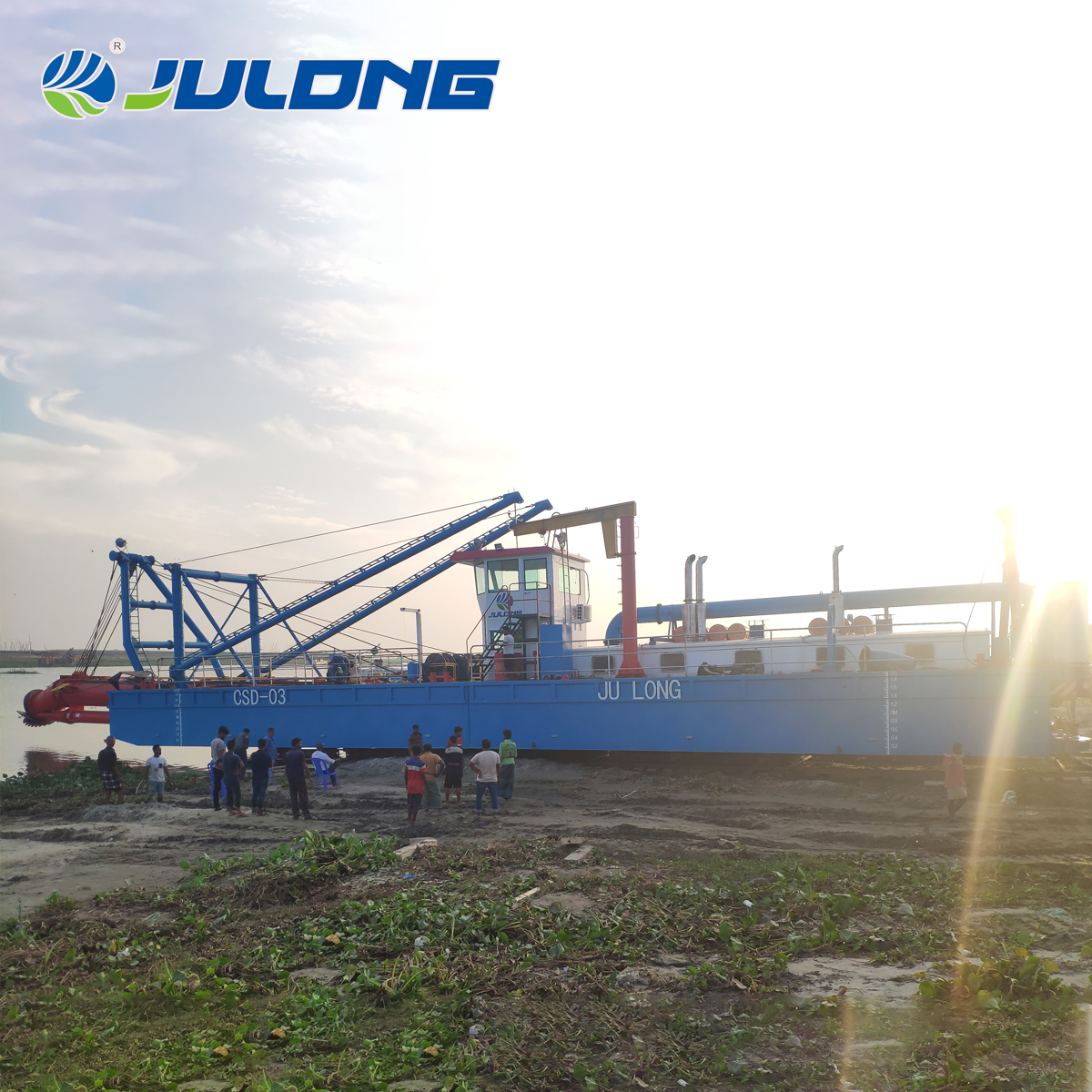
Understanding sand excavation is crucial for projects involving river, lake, and port developments. Sand excavation equipment, including cutter suction dredgers and amphibious dredgers, plays a vital role in these operations. As a purchasing manager or engineer, you might face several concerns when sourcing this machinery,  such as reliability, efficiency, and overall cost. This article will address key factors to consider, helping you make informed decisions about sand excavation equipment. 

Key Specifications to Consider for Sand Excavation Machinery

Key Specifications to Consider for Sand Excavation Machinery

When evaluating sand excavation machinery, several key specifications are critical to ensuring the equipment meets your project requirements: 

Pump Capacity: This refers to the volume of material the dredger can move in a given time. Higher capacity pumps reduce project duration but require careful consideration of the material being excavated to avoid clogs. 

Dredging Depth: The maximum dredging depth is essential for projects in varying water bodies. Ensure the equipment can reach the necessary depths for your specific applications. 

Material Handling: Different machines have distinct capabilities regarding the types of materials they can handle, such as sand, silt, or clay. Choosing the right machine for the material type will enhance efficiency and reduce wear. 

Operational Efficiency: Look for features that enhance operational efficiency, such as automated systems and energy-efficient engines. Such features can significantly reduce operational costs over time. 

Durability and Maintenance: Assess the sand dredging equipment materials used in construction and the maintenance requirements. A well-constructed machine with easily accessible components will minimize downtime and service costs. 

Understanding these specifications helps ensure the selected machinery aligns well with both project demands and operational expectations. 

What to Look for in Sand Excavation Equipment

What to Look for in Sand Excavation Equipment

Choosing the right sand excavation equipment involves considering several practical factors: 

Quality of Construction: Look for robust materials and superior engineering that withstand harsh operational environments. Equipment that is designed for durability will offer better long-term value. 

Customization Options: Depending on your project needs, the ability to customize specifications such as pump design, dredging depth, or additional features can be beneficial. 

After-Sales Support: Reliable suppliers should offer excellent after-sales support, including maintenance services and spare parts availability. This support is crucial for minimizing downtime during operations. 

User Reviews and Case Studies: Investigate user reviews and case studies to gain insights into real-world performance and reliability. Feedback from other professionals in your industry can guide you toward the sand dredging machine most suitable equipment. 

Cost vs. Value: While initial pricing is important, consider the total cost of ownership, including maintenance, operational efficiency, and expected lifespan. A higher upfront investment may yield lower long-term costs. 

Being thorough in evaluating these aspects can significantly affect the success of your sand excavation projects. 

Understanding the Cost Factors of Sand Excavation Equipment

Understanding the Cost Factors of Sand Excavation Equipment

The cost of sand excavation equipment varies widely and is influenced by several factors: 

Equipment Size and Specifications: Larger and more specialized machines typically come with higher price tags. The required specifications, such as pump capacity and dredging depth, also impact the cost. 

Manufacturing Process and Materials: The quality of materials and the complexity of the manufacturing process can affect pricing. Equipment made with advanced materials and manufacturing techniques may be more expensive but offer better performance and durability. 

Supplier Reputation and Experience: Established suppliers with a strong reputation may charge more for their products due to their proven reliability and quality assurance processes. 

Customization and Features: Customization requests and additional features such as automation or specialized components can increase costs. It’s important to evaluate the necessity of these features against your project needs. 

Shipping and Export Costs: If sourcing internationally, consider additional costs for shipping, customs, and import duties. These can add significantly to the total expenditure. 

Understanding these cost factors will help you budget effectively and avoid unexpected expenses during the procurement process. 

Comparing Different Models of Sand Excavation Equipment

When comparing different models of sand excavation equipment, it's essential to focus on several aspects to ensure you select the most suitable option: 

Performance Metrics: Assess the performance metrics of each model, including pump capacity, efficiency, and dredging depth capabilities. Detailed specifications will help determine which model best suits your operational needs. 

Ease of Use: Consider the user-friendliness of the equipment. Features such as intuitive controls and automated systems can significantly reduce the learning curve for operators and enhance overall productivity. 

Maintenance Requirements: Compare maintenance schedules and requirements for each model. Equipment that is easier to maintain will reduce downtime and operational costs. 

Total Cost of Ownership: Evaluate the long-term costs associated with each model, including maintenance, fuel efficiency, and the frequency of repairs. This comprehensive view can reveal which machine offers the best value over time. 

Warranty and Support Options: Examine the warranty terms and the support options available from the manufacturer. A robust warranty can provide peace of mind and protect your investment. 

By carefully comparing these models, you can choose the right sand excavation equipment that meets both your operational requirements and budget constraints. 

Where to Find Reliable Suppliers of Sand Excavation Equipment

Finding reliable suppliers for sand excavation equipment involves researching manufacturers with proven track records. Look for companies that specialize in dredging machinery and have certifications such as ISO or CE, as these indicate adherence to quality and safety standards. Networking through industry events, trade shows,  and online platforms like LinkedIn can also help identify reputable suppliers. Additionally, consider suppliers who have experience in exporting to various countries, as this often reflects their capability to meet diverse regulatory and operational demands. 

Before making a final decision, request references from previous clients and verify their experiences with the sand dredger supplier's equipment and customer service. Engaging with industry forums can also provide insights into supplier reliability and product performance. 

Frequently Asked Questions

What is sand excavation and its typical uses?

Sand excavation involves removing sand from rivers, lakes, or ports for navigation, construction fill, beach replenishment, or land reclamation using dredgers and excavators.
We supply cutter suction dredgers, amphibious dredgers, and excavators designed for river, lake, and port sand excavation projects.
Yes. Our machines carry ISO and CE certifications and are built for durability and efficiency to operate in diverse environments.
We handle small to large projects in rivers, lakes, and ports, offering machines adaptable to varying depths, sediment types, and working conditions.
Yes. We serve clients in 93 countries and provide technical support, spare parts, and maintenance guidance from our 12,000 m² facility.

Get a Free Quote

Our representative will contact you soon.
0/1000