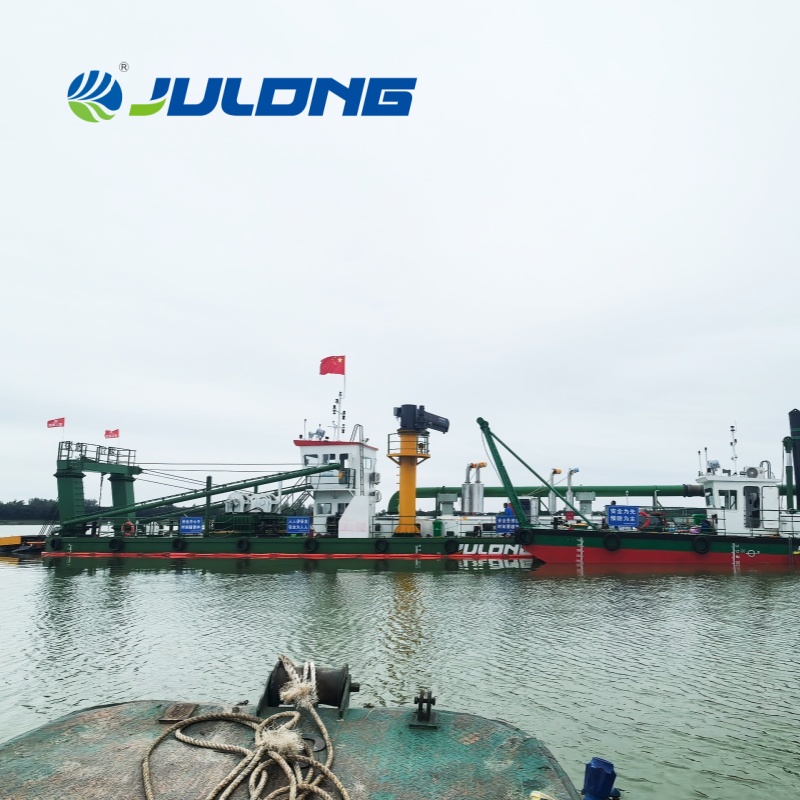
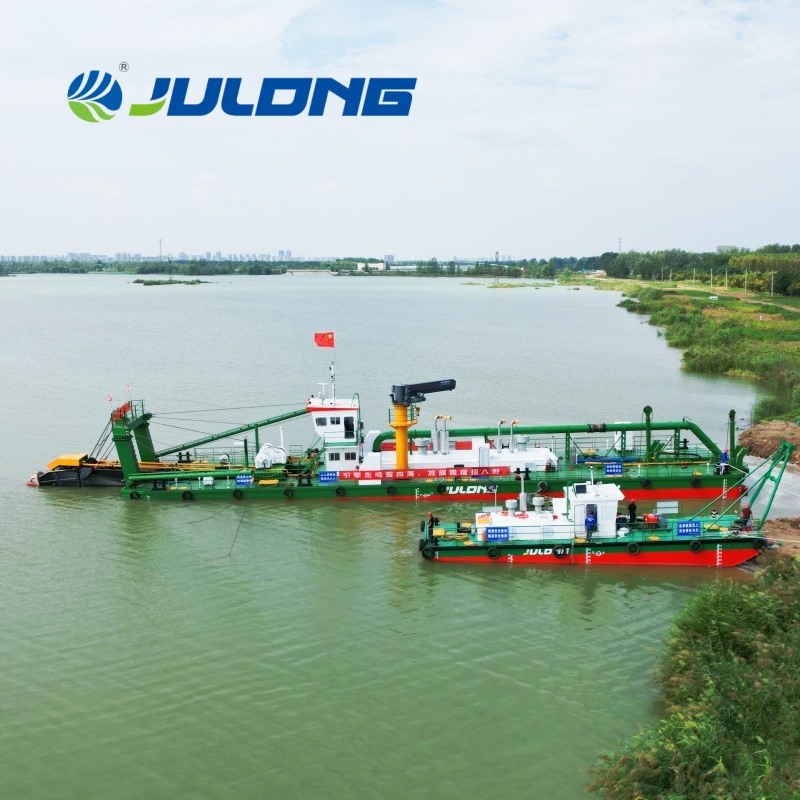
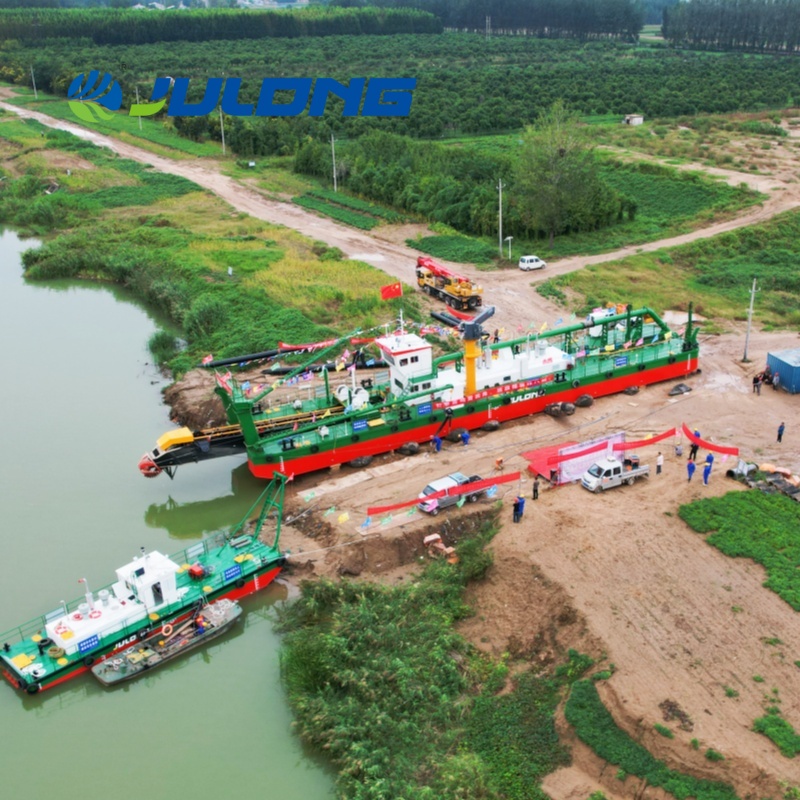
Choosing the Right Dipper Dredger for Your Project

application/dipper-dredger, application/dipper-dredger, 
Inquiry
Inquiry

dipper dredger

When considering a dipper dredger for your next project, understanding its  capabilities, specifications, and  application  suitability  is crucial. Dipper  dredgers  are  specialized equipment  designed for effective excavation and  dredging tasks in  various  environments, including rivers, lakes, and ports. B2B buyers  often  have  concerns about  the dredger's performance,  durability, and overall cost. This article will provide insights into  choosing the right dipper  dredger, key specifications  to look for, cost factors, sourcing options, and common issues, equipping you with the knowledge needed to make an informed  purchasing decision.

Key Specifications for High-Performance Dipper Dredgers

Key Specifications for High-Performance Dipper Dredgers

When evaluating dipper  dredgers, certain specifications are vital for  ensuring optimal performance:

Dredging Depth: This  specification defines how  deep  the dredger can  penetrate the water or soil. Choose a model that meets  the depth requirements of your project to avoid operational inefficiencies.

Bucket Capacity: The size  of the bucket directly affects the volume of material that can be excavated in  one cycle. A larger bucket may speed up the process  but could also require  a more  robust machine.

Power and Engine Type: The engine's horsepower and type (diesel or electric) significantly influence the dredger's efficiency. Ensure the engine matches the operational demands and environmental regulations of  your project area.

Material and Build Quality: Look for dredgers constructed from high-grade materials that can withstand harsh conditions. Corrosion resistance is vital, especially in aquatic environments.

Mobility Features: Depending on your project’s layout, consider whether the dredger needs to be  amphibious or equipped with tracks or  wheels  for ease of movement  across various terrains. For example, the JLWB1600 Multi-function Work Boat is an excellent option for versatile marine operations.

Understanding these specifications will help you align your needs with the most suitable dipper dredger for your operations.

Understanding the Cost Factors of Dipper Dredger Purchases

Understanding the Cost Factors of Dipper Dredger Purchases

The cost of  a  dipper dredger can vary  widely based on  several factors.

Initial Purchase Price: This is influenced by the dredger’s  specifications, brand reputation, and technological  features.  Higher-end models with advanced capabilities may require a larger investment.

Operational Costs: Consider fuel efficiency, maintenance needs,  and  potential downtime. A dredger that requires frequent repairs  can lead  to increased operational costs over  time.

Customization and Accessories: Some projects may require specific attachments or modifications, which can add to  the overall  cost. Discuss potential customization with manufacturers to understand how it affects pricing.

Logistics: Shipping costs and delivery times can impact  the total expenditure. Ensure you account for these when  budgeting for  your dredger.

By analyzing these cost factors,  you can better prepare for the financial  implications  of your dipper dredger purchase.

Where to Source Reliable Dipper Dredgers for Wholesale Supply

Where to Source Reliable Dipper Dredgers for Wholesale Supply

Finding a reliable supplier for dipper dredgers is  crucial for  ensuring quality and support. Start by researching manufacturers with  a proven track record  in the  industry. Companies  like Qingzhou  JULONG  Environmental Technology Co., Ltd. offer a variety of dredging solutions backed by certifications  and extensive export experience.

Consider the following when sourcing:

Supplier Reputation: Look for reviews, testimonials, and case  studies from previous  clients to gauge the supplier's reliability.

Customization  Capabilities: Ensure the supplier can accommodate specific requirements for your project, including adaptations for unique operational environments.

After-Sales Support: Evaluate the level of customer service, warranty options,  and availability  of spare parts. A strong after-sales support system is essential for long-term operational success.

Bulk  Purchase Discounts: If you are sourcing multiple units, inquire about bulk pricing or  wholesale opportunities  to optimize  your budget.

A thorough assessment of suppliers will enhance your chances  of securing a dependable dipper dredger that meets your  project needs.

Common Issues with Dipper Dredgers and Their Solutions

Despite their  robust design, dipper  dredgers can encounter several common issues during operation. Being aware of these can help in mitigating  potential downtime.

Mechanical  Failures: Regular maintenance  is key to preventing breakdowns. Establish a routine  inspection schedule to catch wear and tear  early.  Pay special attention  to hydraulic systems, as  they are often the source of operational issues.

Inefficient Dredging: If a dredger  is not performing as  expected, check  for issues like improper bucket size or inadequate power. Ensure that the dredger's specifications align with the material being dredged and the project requirements.

Corrosion and Wear: Dredgers operating in  harsh environments are susceptible to corrosion. Regularly inspect and  maintain protective coatings, and consider using materials that resist corrosion for critical components.

Logistical Challenges: If transportation poses  a challenge, ensure your dredger's dimensions fit the intended transport routes. Plan for logistical issues ahead of  time to  minimize delays.

Addressing these common issues proactively can significantly enhance the longevity and efficiency of your dipper dredger, ensuring that your project stays on schedule and  within budget.

What to Consider When Choosing a Dipper Dredger for Your Project

Selecting a dipper dredger  involves  evaluating  several critical factors. First, consider the project's scale and specific requirements. Assess the  depth and type of material to be dredged, as different dredgers are optimized  for various soil conditions—some perform better  in soft silt, while others excel in harder clay or gravel. For instance, the JLCSD700 Cutter Suction Dredger is designed for heavy-duty operations and can handle tough materials effectively.

Next, think about the dredger's operational environment. For instance, if you are working in shallow waters  or wetlands,  an amphibious  dredger may be more suitable  than a traditional dipper dredger. Additionally, ensure that the dredger's weight and dimensions align with your logistical  capabilities, particularly  if transporting it over bridges  or through narrow passages.

Lastly, review  the manufacturer's reputation  and experience.  Companies  like Qingzhou JULONG Environmental Technology Co., Ltd., with ISO and CE certifications, indicate a commitment to quality and  safety standards,  giving you confidence  in the equipment's reliability.

Frequently Asked Questions

What is a dipper dredger used for?

A dipper dredger excavates riverbeds, lakes, and ports to remove silt, sand, and debris for maintenance, navigation improvement, and reclamation projects.
We offer various dipper dredger sizes and custom configurations to suit project depth, capacity, and site conditions. Contact us with project details for recommendations.
Our dipper dredgers are manufactured under ISO and CE standards, ensuring safety, reliability, and compliance with international quality requirements.
Yes. We offer global after-sales support, spare parts supply, technical guidance, and maintenance services from our facility to ensure long-term operation.
Absolutely. We customize dredger specifications, equipment, and attachments to meet river, lake, and port project requirements for optimal performance and efficiency.

Get a Free Quote

Our representative will contact you soon.
0/1000

Related product categories