Dipper Dredge: Key Specifications and Cost Factors

application/dipper-dredge, application/dipper-dredge, 
Inquiry
Inquiry

dipper dredge

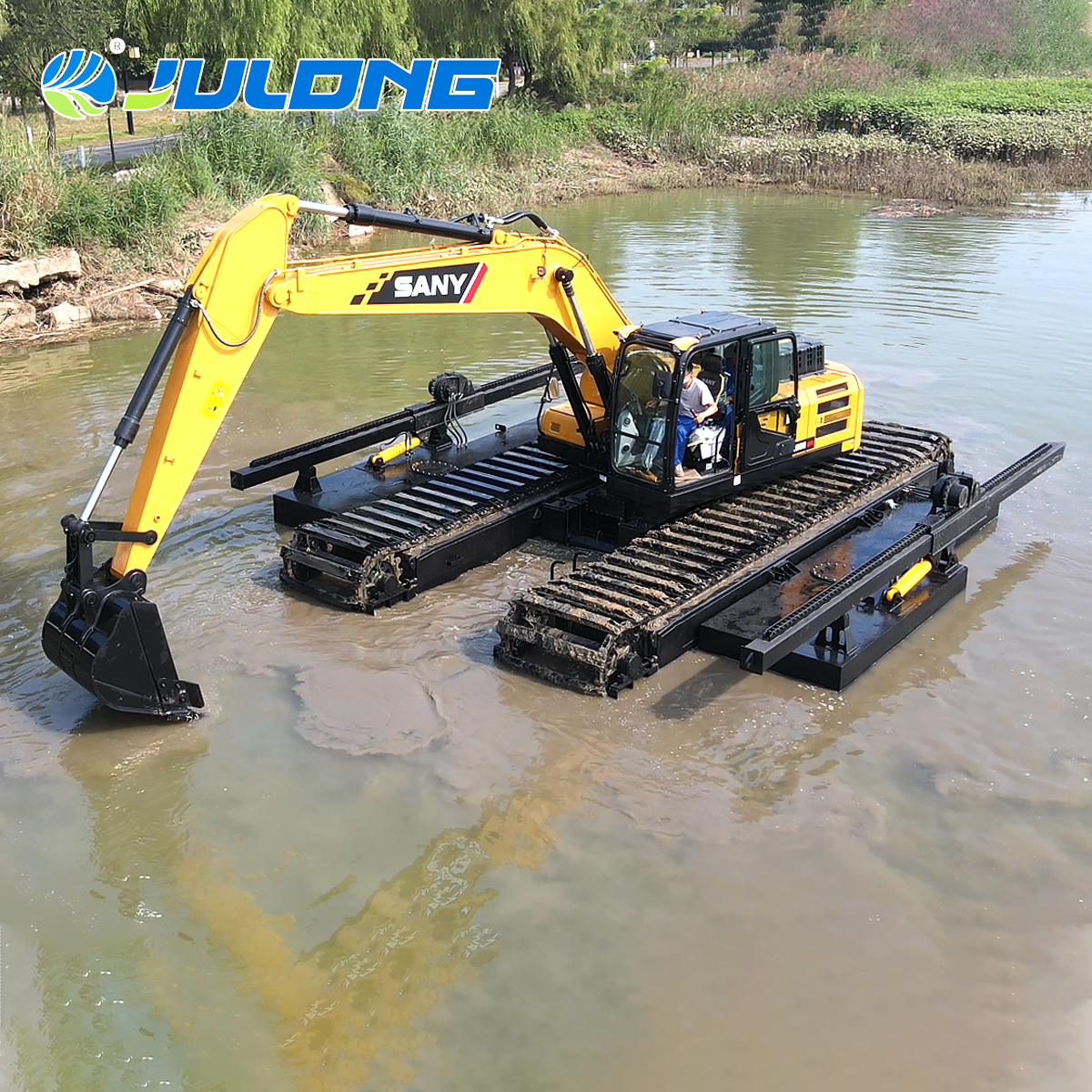
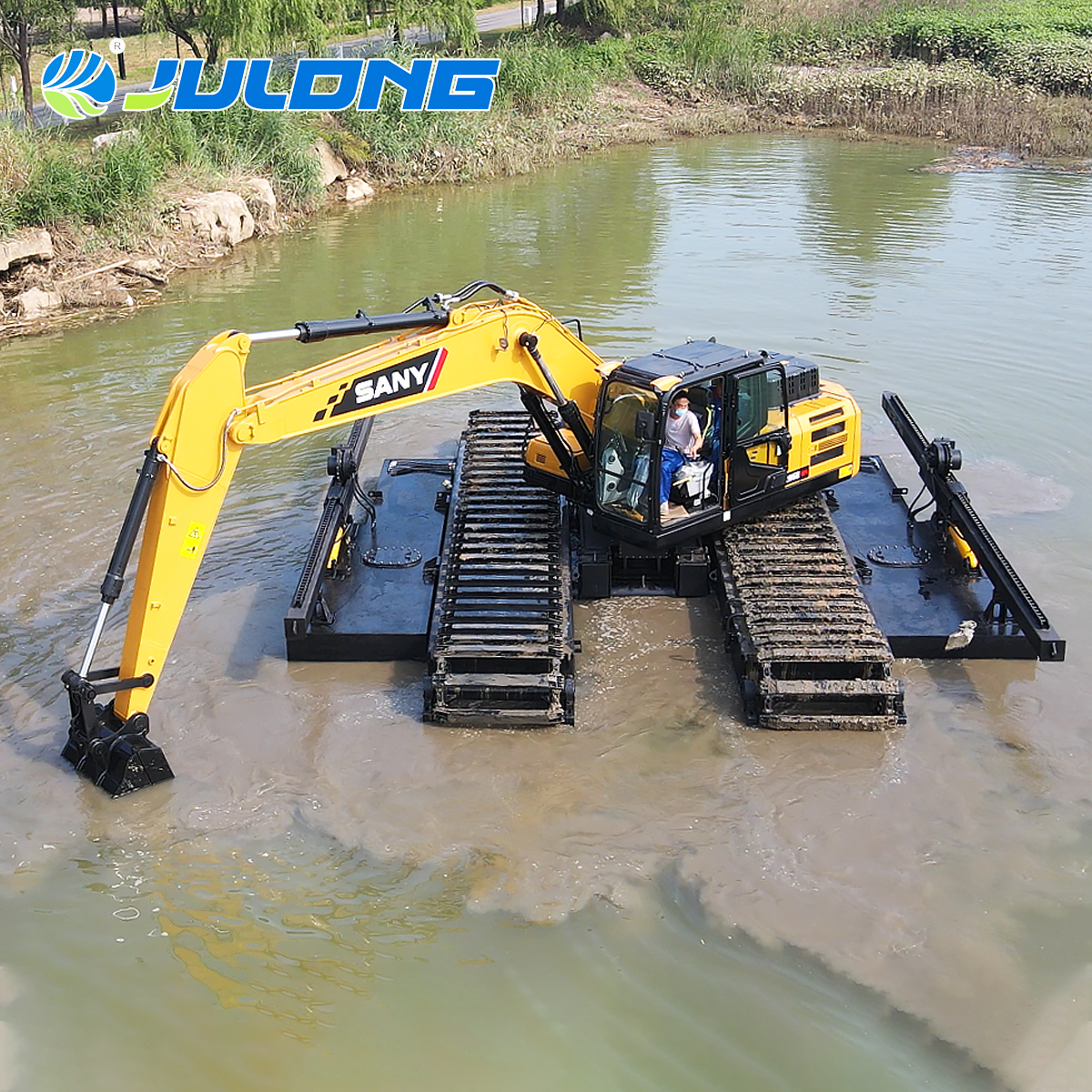
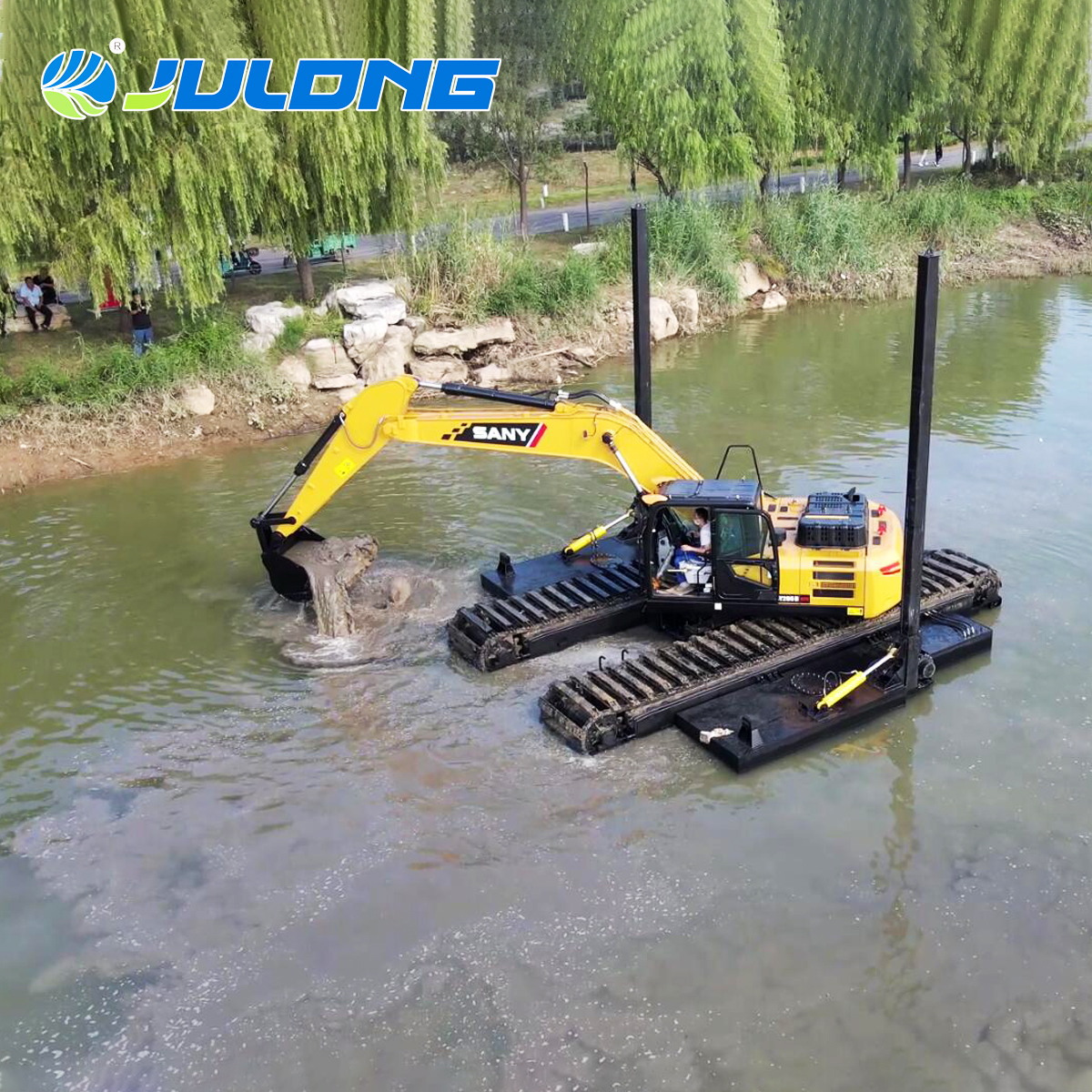
Dipper dredges are specialized equipment designed  for efficient excavation and material handling  in aquatic environments. As a crucial tool  for  operations in rivers, lakes,  and ports, understanding  the specifications and  performance  factors of dipper dredges is essential for  purchasing managers, distributors,  and engineers involved in large-scale  projects.  This article addresses key buyer concerns regarding  sourcing, specifications, cost  factors, performance optimization, and common issues  associated with dipper  dredges,  providing valuable insights to help make informed  purchasing  decisions.

 
Key Specifications to Consider When Selecting a Dipper Dredge

Key Specifications to Consider When Selecting a Dipper Dredge

Selecting the right dipper dredge requires  careful  consideration  of  several specifications that directly influence performance and suitability for specific applications. Key specifications include:

Dredging Depth: The maximum depth to  which the dredge can operate. This should align with the project requirements, as inadequate depth may hinder operations.

Bucket Capacity: The volume of material the dredge can handle per scoop. Larger bucket capacities can improve efficiency for larger projects but may require more powerful machinery.

Power: The engine  power rating is crucial for determining the dredging  capacity and  efficiency. Higher power ratings can lead to  better performance in challenging materials.

Material Construction: Dipper dredges  should be made from high-strength materials that resist wear  and corrosion, ensuring durability  in harsh environments. Buyers should inquire about  the material specifications to  ensure they align  with operational conditions.

Mobility Features: For amphibious dredgers, mobility features like flotation capabilities and maneuverability in  shallow waters are essential. This affects how easily  the dredge can operate in various  aquatic environments.

Understanding these specifications and how they relate to specific project  needs can significantly impact the operational efficiency and  longevity of the dredging equipment.

Cost Factors in Dipper Dredge Purchasing for Large Projects

Cost Factors in Dipper Dredge Purchasing for Large Projects

Cost considerations in purchasing dipper dredges extend  beyond the initial procurement price. Key cost factors include:


Initial Purchase Price: This is the most straightforward cost but can vary  widely based on specifications, brand  reputation, and included features.

Operational Costs: These include fuel consumption,  maintenance, and repair  expenses. Dredges  with higher fuel efficiency and lower maintenance needs may  have a higher upfront cost but provide better long-term  savings.

Customization Costs: If specific customizations are required to meet project needs,  these can add to the overall expense.  It's advisable to  discuss customization options early in the procurement process to understand how they impact pricing.

Transport and Installation: Shipping costs and the expenses involved in setting up the dredge  at  the project  site can be substantial. Buyers should assess the total cost  of ownership, including these logistical  aspects.

Financing Options: Exploring financing arrangements can help manage  cash flow,  especially for large projects requiring significant capital investment. Additionally, considering options like the JLCSD700 Cutter Suction Dredger may also facilitate better financing plans.

A comprehensive understanding of these cost factors will  enable buyers to budget effectively and select a dipper dredge that offers the best value for their specific application.

Ensuring Optimal Performance

Ensuring Optimal Performance

To ensure optimal performance of  a dipper dredge, several practices should be considered throughout  its  lifecycle:</p> 

Regular Maintenance: Establishing a routine maintenance schedule is essential for preventing breakdowns and prolonging the life of the dredge. This includes checking hydraulic systems, wear parts, and engine  performance.

Operator Training: Proper training for operators  can significantly impact the efficiency and safety of dredging  operations. Skilled operators are better equipped to handle the dredge effectively and  can  identify issues before they escalate.

Performance Monitoring: Utilizing performance  monitoring  systems  can provide  data on operational efficiency, enabling adjustments  to improve productivity. Monitoring fuel consumption and dredging rates can help identify areas for improvement.

Load  Management: Ensuring  the dredge operates within  its  specified load limits is crucial for maintaining performance. Overloading  can lead to increased wear and potential damage, impacting overall efficiency.

By implementing these practices, users can maximize the performance and reliability of their dipper dredges, resulting in more efficient  project execution.

Common Problems with Dipper Dredges and Their Effective Solutions

Despite their robust construction, dipper dredges can  encounter common problems that may affect performance:

Clogging: This is a frequent issue,  particularly when  dredging in mixed materials. It can be  mitigated by  ensuring the dredge is equipped with the  appropriate bucket design and maintaining optimal dredging speeds.

Wear  and Tear:  Components such  as buckets and cutting edges can experience significant wear. Regular  inspections and timely replacement of worn parts can prevent operational delays and costly repairs.

Hydraulic Failures: Hydraulic system  issues can lead to lost productivity. Implementing  a  preventative maintenance program that includes regular checks of hydraulic fluids and seals can help mitigate these risks.

Electrical Problems: Electrical failures can halt operations. Ensuring that all electrical components are of high quality and regularly inspected can reduce  downtime.

Understanding these potential issues and implementing  effective maintenance and monitoring strategies  can help buyers maintain operational  efficiency and minimize disruptions during dredging operations.

By addressing these topics, this article aims to equip B2B buyers with  the  necessary insights to make informed decisions regarding the procurement and management of dipper dredges,  ultimately leading to successful project outcomes.

Sourcing for Importers and Distributors

When sourcing dipper dredges,  importers  and  distributors should prioritize manufacturers with proven expertise  and robust  quality control  processes. This includes evaluating certifications such as ISO and  CE, which ensure that the dredgers meet  international standards for safety  and performance. Additionally, potential buyers should consider the manufacturer's production capacity and facility  size; for instance, a manufacturer like Qingzhou JULONG Environmental Technology  Co., Ltd., with a 12,000 square meter facility, is better equipped to handle large  orders  and provide timely delivery. Furthermore, manufacturers like JLWB1600 Multi-function Work Boat may also provide additional support for various marine operations.

Further, understanding  the manufacturer's experience in  serving various export markets can  provide insight into their ability to meet diverse customer  requirements, including specific adaptations for local regulations  and environmental conditions. Establishing communication with manufacturers to discuss customization options,  such as specific dimensions or material requirements,  is also critical for ensuring the product meets project needs.

Frequently Asked Questions

What is a dipper dredge used for?

A dipper dredge is used to excavate and remove sediment from rivers, lakes, ports and reclamation sites where precision and stability are needed.
We offer various dipper dredge sizes and bucket capacities to suit small maintenance jobs up to large-scale river and port projects. Specifications are customized per project.
Our dipper dredges are built in a 12,000 m² facility and comply with ISO and CE standards for quality, safety and durability.
Yes. Dipper dredges are ideal for shallow and confined waters due to their precise digging capability and stable platform design.
We provide spare parts, technical training, installation guidance and worldwide delivery to clients in 93 countries, plus responsive technical support.

Get a Free Quote

Our representative will contact you soon.
0/1000

Related product categories