Nigeria's wetlands, muddy riverbanks, and waterlogged construction sites create significant challenges for dredging and infrastructure contractors. In regions such as the Niger Delta, conventional excavators often struggle to access soft ground, shallow waterways, and swampy working environments.
A swamp buggy, also known as an amphibious excavator, provides a practical solution for excavation, dredging, pipeline construction, and wetland maintenance.
For projects requiring hydraulic sediment removal, an amphibious dredger equipped with a dredging pump and suitable attachments may offer additional capabilities.
In this guide, we explore seven important applications of swamp buggies in Nigeria, explain the differences between amphibious excavators and dredgers, and highlight key factors to consider before purchasing equipment.
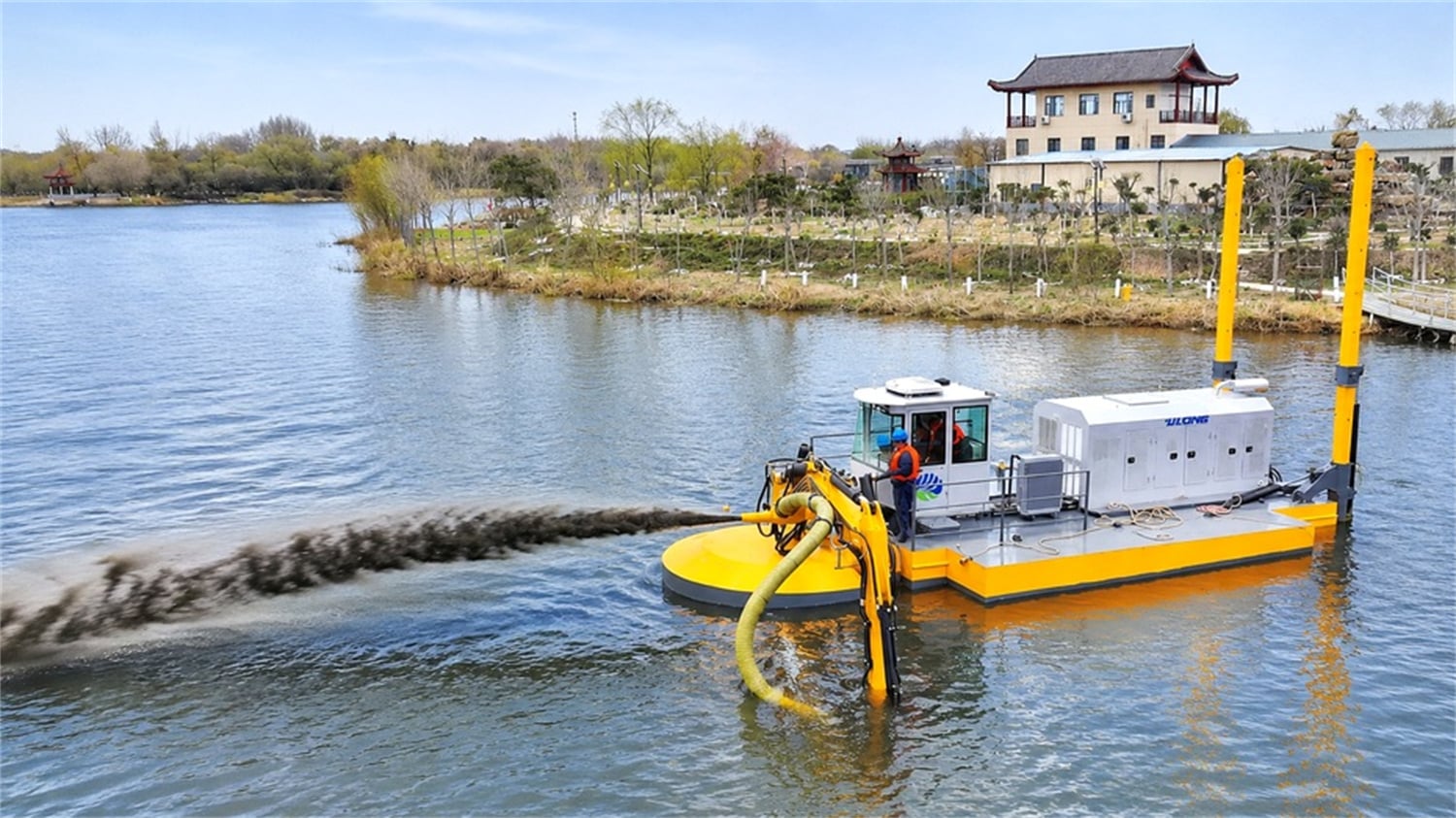
What Is a Swamp Buggy?
A swamp buggy is a specialized excavator designed to operate on soft, muddy, and waterlogged terrain where conventional tracked excavators may have difficulty working.
Unlike standard excavators, amphibious excavators feature wide pontoon undercarriages that distribute machine weight over a larger surface area. This design reduces ground pressure and improves mobility in wetlands and swampy construction sites.
Depending on the machine configuration, a swamp buggy can be equipped with:
· Standard or long-reach excavator booms
· Excavation and dredging buckets
· Hydraulic dredging pumps
· Vegetation-clearing attachments
· Auxiliary pontoons for additional stability
· Specialized attachments for wetland construction
Not every swamp buggy is designed to float or operate in deep water. Working capability depends on the machine's design, water depth, soil conditions, current, and stability requirements.
7 Major Applications of Swamp Buggies in Nigeria
1. River Dredging and Canal Maintenance
Sediment accumulation can reduce the capacity of rivers, drainage channels, and inland waterways.
A swamp buggy can help contractors access shallow rivers and muddy riverbanks to perform excavation and maintenance activities.
Typical applications include:
· River channel maintenance
· Canal desilting
· Shallow-water sediment removal
· Riverbank excavation
· Drainage channel rehabilitation
For projects requiring continuous sediment removal and hydraulic transportation, an amphibious dredger with a suitable pump system may be more appropriate.
Larger projects involving long-distance sediment discharge may require a cutter suction dredger.
2. Oil and Gas Pipeline Construction in the Niger Delta
The Niger Delta is an important region for oil and gas infrastructure development. Construction activities in swampy areas often require equipment capable of operating on soft and waterlogged ground.
Swamp buggies can support contractors with:
· Pipeline trench excavation
· Pipeline right-of-way preparation
· Access channel construction
· Swampy site preparation
· Maintenance of pipeline corridors
For contractors operating in Rivers, Bayelsa, Delta, and Akwa Ibom States, amphibious excavators can provide an alternative to conventional earthmoving equipment in suitable wetland conditions.
Equipment selection should consider excavation depth, soil-bearing capacity, site access, and required working reach.
3. Flood Control and Drainage Projects
Blocked drainage channels and accumulated sediment can contribute to flooding and poor water circulation.
Amphibious excavators can support drainage maintenance and flood-control infrastructure projects, especially where conventional excavators cannot safely access muddy channel edges.
Common applications include:
· Drainage canal cleaning
· Sediment and debris removal
· Stormwater channel rehabilitation
· Waterway widening
· Flood-control channel maintenance
For projects around Lagos and other urban areas, contractors should evaluate channel dimensions, surrounding structures, access restrictions, and working conditions before selecting equipment.
4. Land Reclamation and Wetland Development
Land development projects in waterlogged areas often require specialized equipment during the early stages of construction.
A swamp buggy can assist with excavation, drainage preparation, and soil handling in suitable soft-ground environments.
Typical applications include:
· Wetland excavation
· Drainage channel construction
· Site preparation
· Sediment handling
· Access route development
For larger land reclamation projects, amphibious excavators may work alongside hydraulic dredgers, pumps, and other earthmoving equipment.
5. Mangrove and Wetland Restoration
Wetland restoration projects may involve sediment management, reopening blocked channels, and improving water circulation.
A properly configured amphibious excavator can support controlled excavation and waterway rehabilitation.
Potential applications include:
· Tidal channel restoration
· Sediment removal
· Selective vegetation management
· Water circulation improvement
· Environmental maintenance
Because mangrove forests and wetlands are sensitive ecosystems, project planning should follow applicable environmental requirements and permits.
6. Water Hyacinth and Aquatic Vegetation Removal
Water hyacinth and other aquatic vegetation can obstruct waterways and interfere with drainage and navigation.
Swamp buggies equipped with appropriate attachments can help remove vegetation and accumulated debris in accessible shallow-water areas.
Applications include:
· Water hyacinth clearing
· Canal vegetation removal
· Wetland maintenance
· Waterway access restoration
For large-scale floating vegetation collection, a dedicated aquatic weed harvester may be more efficient than an excavator.
7. Road, Bridge, and Infrastructure Construction
Construction projects in swampy areas often face difficulties with equipment access and ground stability.
Amphibious excavators can support early-stage infrastructure construction, including:
· Roadside drainage excavation
· Bridge approach preparation
· Culvert installation support
· Access channel construction
· Excavation in waterlogged construction areas
The appropriate machine configuration depends on ground conditions, excavation requirements, working radius, and transport restrictions.
Swamp Buggy vs. Amphibious Dredger: What's the Difference?
Although these terms are sometimes used interchangeably, the equipment may serve different purposes.
| Feature |
Swamp Buggy / Amphibious Excavator |
Amphibious Dredger |
| Primary function |
Excavation and earthmoving |
Sediment removal and dredging |
| Typical equipment |
Excavator boom and bucket |
Dredging pump and suitable attachments |
| Suitable environment |
Swamps, wetlands, muddy riverbanks |
Shallow waterways and suitable wetland conditions |
| Common applications |
Pipeline trenches, canal excavation, site preparation |
River desilting, sludge removal, hydraulic dredging |
| Sediment transportation |
Usually requires additional equipment |
May discharge material through pipelines |
For excavation and earthmoving, an amphibious excavator may be the preferred choice.
For hydraulic dredging and sediment transportation, an amphibious dredger may offer a more suitable solution.
The final selection should be based on project requirements rather than equipment terminology alone.
How to Choose the Right Swamp Buggy in Nigeria
Before purchasing a swamp buggy or amphibious dredger, contractors should evaluate several important factors.
1. Working environment
Determine whether the machine will operate in a swamp, shallow river, drainage canal, coastal wetland, or muddy construction site.
2. Water depth and soil conditions
Consider seasonal water-level changes, mud thickness, soil-bearing capacity, and water currents.
3. Excavation depth and working reach
Select a suitable boom configuration based on the required excavation depth and working radius, while accounting for machine stability.
4. Equipment attachments
Choose the appropriate bucket, hydraulic pump, vegetation-clearing attachment, or other tools according to the application.
5. Transportation and assembly
Evaluate equipment dimensions, road transport limitations, site accessibility, and on-site assembly requirements.
6. Maintenance and spare parts
Consider engine selection, hydraulic components, spare parts availability, and maintenance accessibility.
Providing accurate project information helps manufacturers recommend a machine configuration suited to actual operating conditions.
Why Choose Julong as Your Swamp Buggy Manufacturer?
Julong Environmental Technology Co., Ltd. is a Chinese manufacturer specializing in dredging and environmental equipment.
With manufacturing experience dating back to 1993, Julong provides equipment solutions for dredging, wetland construction, waterway maintenance, and environmental management.
Our product range includes:
· Amphibious excavators
· Amphibious dredgers
· Cutter suction dredgers
· Aquatic weed harvesters
· Customized dredging and environmental equipment
We work with engineering contractors, equipment distributors, and project developers to identify suitable configurations for different working environments.
Depending on project requirements, equipment solutions can be discussed in terms of boom configuration, excavation depth, working conditions, and attachments.
For customers planning projects in Nigeria, our team can assist with technical discussions, equipment selection, and export quotations.
Frequently Asked Questions
What is a swamp buggy used for in Nigeria?
A swamp buggy is commonly used for excavation, river maintenance, drainage improvement, pipeline construction, and other projects involving soft or waterlogged ground.
Can a swamp buggy work in water?
Certain amphibious excavators can operate in shallow water under suitable conditions. However, flotation capability and maximum operating water depth depend on the specific machine configuration.
What is the difference between a swamp buggy and an amphibious excavator?
In construction equipment terminology, swamp buggy is commonly used to describe an amphibious excavator designed for working in swamps, wetlands, and muddy environments.
Can a swamp buggy be used for dredging?
Yes. Swamp buggies can perform excavation and sediment removal in suitable conditions. For hydraulic dredging, specialized pump systems and attachments may be required.
Where can I buy a swamp buggy for a project in Nigeria?
Contractors can contact amphibious equipment manufacturers such as Julong to discuss project requirements, machine specifications, quotations, and shipping arrangements.
What information is needed to request a quotation?
To receive a suitable recommendation, customers should provide the project location, working environment, water depth, soil conditions, required excavation depth, and intended application.
Looking for a Swamp Buggy or Amphibious Dredger for Your Project in Nigeria?
Whether your project involves river dredging, pipeline construction, flood-control maintenance, or wetland development, selecting the right equipment is essential.
Julong provides amphibious excavator and dredger solutions for challenging working environments.
Contact Julong for Equipment Recommendations and a Quotation
Share your project location, working conditions, required excavation depth, and equipment application with our team.
We will help you evaluate a suitable equipment configuration and prepare a quotation based on your requirements.

 EN











