Key Specifications for Working Barges in Projects

application/working-barges, application/working-barges, 
Inquiry
Inquiry

working barges

Choosing  the right working barges is  crucial  for various marine  construction  and  dredging projects,  as they  serve as versatile platforms for various operations. B2B buyers, such  as purchasing managers and project  engineers, often seek solutions that meet operational  efficiency, durability,  and specific  project requirements. This article  will explore key specifications, sourcing reliable  suppliers, essential features, common  issues,  and practical  applications of working barges, providing you with the insights needed to  make  informed purchasing decisions.

How to Source Reliable Suppliers for Working Barges

How to Source Reliable Suppliers for Working Barges

Sourcing a reliable supplier for working barges requires  careful  consideration  of  several factors:

Industry  Reputation and Experience: Choose suppliers with a strong track record in the marine  construction industry. Look for companies that have been in business  for several  years and have experience in supplying working barges for similar projects. Customer reviews  and case studies can provide valuable insights.

Certifications and Compliance: Ensure that your supplier holds relevant industry certifications, such as ISO and CE, which indicate adherence to quality  management systems and safety  standards. This is crucial for ensuring  that the barges meet necessary regulations and  performance standards.

Customization Capabilities: Depending on your project requirements, you may need a barge tailored  to specific operational needs. Engage with suppliers who can offer customization options in design, size, and features to meet your unique application requirements, such as the JLCSD700 Cutter Suction Dredger.

Post-Sales Support and Maintenance: A  reliable  supplier should provide comprehensive after-sales support, including maintenance services and spare parts availability. This is important for minimizing downtime and ensuring the longevity  of the working barge.

What to Look for in Working Barges

What to Look for in Working Barges

When evaluating working barges, several essential features and aspects should  be closely examined:

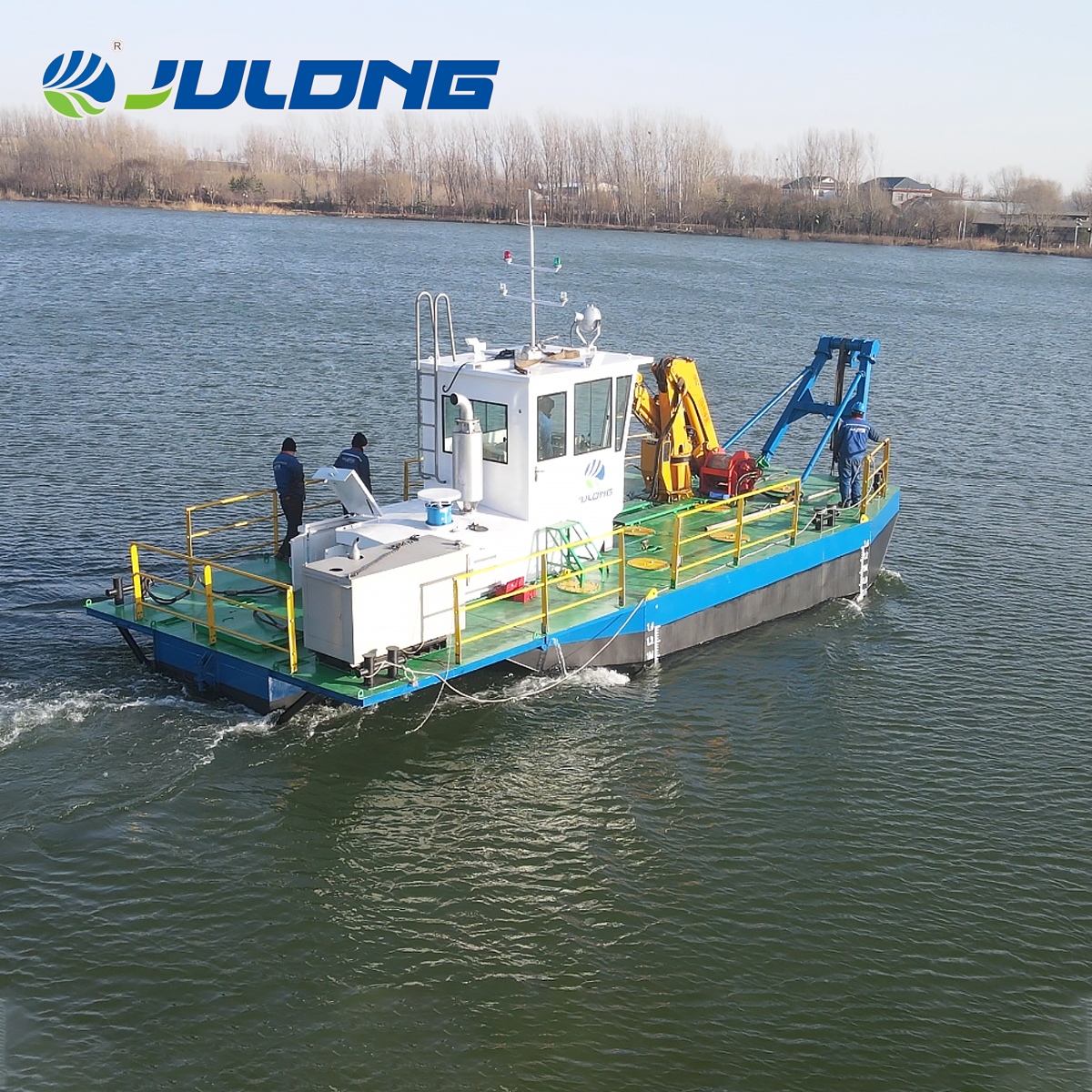
Safety  Features: Safety is paramount when operating in  marine environments. Look  for barges equipped with safety features such as handrails, non-slip surfaces, and emergency  flotation devices. These features  can significantly reduce workplace hazards.

Ease of Access and Loading: Consider the design of access points for personnel  and equipment.  Barges with  wide decks,  ramps, and adequate railings  facilitate easier and safer loading and unloading of equipment, which is vital  for operational efficiency.

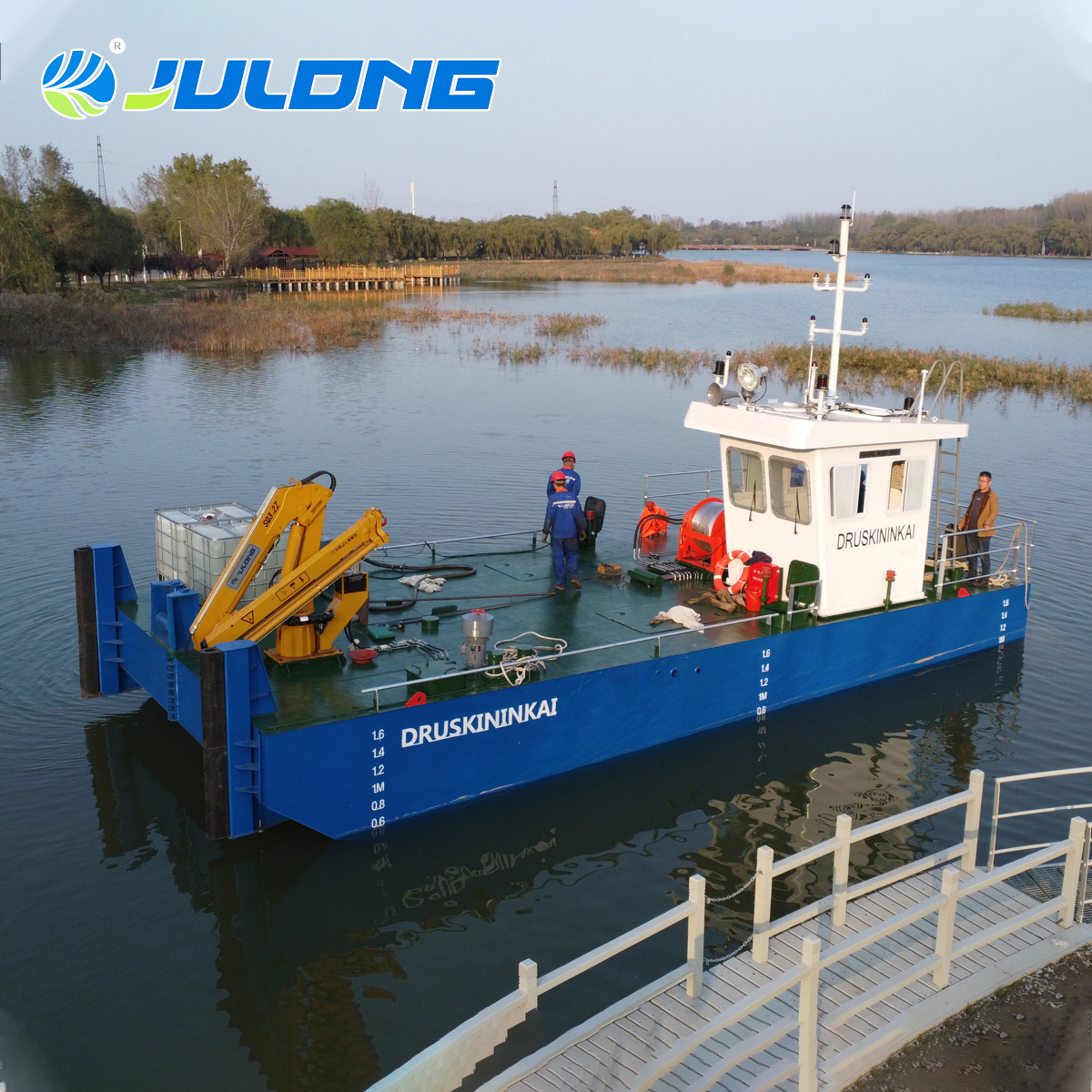
Operational  Versatility: Depending  on your project scope, select  working barges that can accommodate various tasks, such as dredging, transportation, or construction. Versatile  barges  can save costs and time by adapting  to different project needs without requiring multiple vessels, for example, the JLWB1600 Multi-function Work Boat.

Quality of Construction: Inspect the overall build quality, including welds and joints. High-quality construction is indicative of the barge's durability and can  prevent costly repairs and replacements in the future.

Common Problems with Working Barges and Their Solutions

Common Problems with Working Barges and Their Solutions

While working barges are designed for durability,  they can encounter common issues that may impact operations. Here are some typical  problems and their solutions:

Corrosion: Corrosion is a significant concern, especially in  saline  environments. Regular maintenance and applying protective coatings  can help mitigate this issue. Choosing the right material during the  initial purchase can also reduce susceptibility to  corrosion.

Structural  Integrity Issues: Over time, the structural integrity  of a barge may degrade due to heavy loads or environmental factors. Conduct routine inspections  to identify potential weaknesses early. Ensure that the  supplier offers warranties that cover structural integrity.

Engine Malfunctions: Engine issues can severely impact operations. Implement a regular maintenance  schedule that includes checking fuel systems, oil levels, and other operational components. Partnering with suppliers who provide technical  support can also  aid in resolving these problems quickly.

Maneuverability Challenges: Poor maneuverability can lead to operational delays.  Ensure that the propulsion system  is  appropriate for the work  environment and that the barge is adequately equipped for the specific  conditions  it will face.

Applications of Working Barges in Various Projects

Working barges  are incredibly versatile and find applications across a wide range of projects:

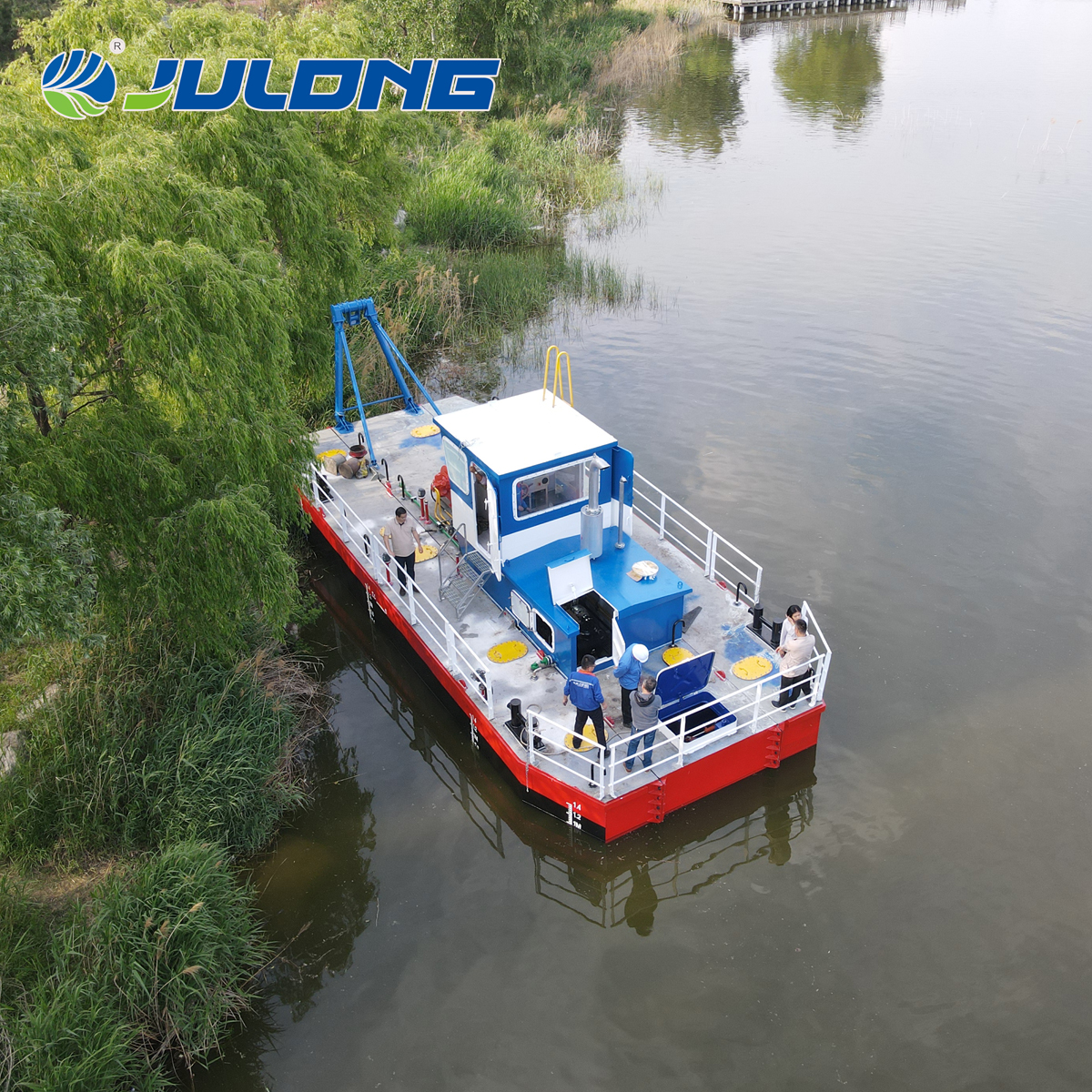
Dredging Operations: Barges are essential for dredging rivers, lakes, and ports, providing a stable platform for cutter suction dredgers and other  equipment. They enable  the efficient removal of sediment and  debris, ensuring navigable waterways.

Marine  Construction: In marine construction projects, working barges serve as platforms for erecting  structures,  installing pipelines, or conducting repairs. Their stability allows for safe  operation of cranes and other heavy machinery.

Environmental Management: Working barges are used in environmental restoration projects, such  as wetland restoration or aquatic habitat improvement. They facilitate  the transport of  materials and equipment necessary for these environmentally sensitive operations.

Transportation of Goods: In some cases, working barges can  also be utilized for the transportation of materials and goods across water bodies,  offering  a cost-effective solution for logistics in regions with limited road access.

By understanding the specifications, sourcing strategies, essential features, common challenges,  and applications of working barges, B2B  buyers can  make informed decisions that align  with their project goals. This knowledge not only ensures the right choice of equipment but also enhances overall operational  efficiency.

Key Specifications to Consider When Choosing Working Barges

When selecting working barges, several key specifications  should be evaluated to ensure optimal performance  for  your specific application.

Dimensions and Load Capacity: The size of the barge  and its load capacity are critical. Depending on the intended use, you may require a  barge that can support  heavy machinery  or materials, particularly in dredging  or construction applications. Ensure  that the dimensions fit  within  the operational constraints of  your project site.

Material Construction: Working barges are typically  constructed from steel or aluminum. Steel offers durability and resistance to harsh marine environments, while aluminum is lighter and may be preferred for projects requiring high  mobility. Assess the material based on factors such as corrosion resistance and weight requirements.

Stability and Design Features: The design of a working barge affects its stability and operational efficiency. Look for features like multi-hull designs or reinforced keels that enhance stability in rough waters. Stability is especially important for safety when operating heavy equipment on board.

Engine Power and Propulsion Type: Depending on  the barge's operational  requirements, the engine's power and the type of  propulsion system (e.g., outboard motors  or inboard engines) can significantly impact maneuverability and efficiency. Verify that  the propulsion type aligns  with your project's needs.

Frequently Asked Questions

What are working barges used for?

Working barges are platforms for dredging, transporting materials, supporting cutter suction and amphibious dredgers, and facilitating river, lake and port construction and maintenance.
Our barges are built to support a range of payloads for dredging equipment and cargo; capacities are customizable to project needs. Contact us with specifications for exact ratings.
Yes. We offer custom sizes, deck layouts, equipment mounts and fittings to match river, lake and port project requirements and machinery configurations.
Our barges are manufactured in an ISO/CE certified facility with quality control processes and durable materials to meet international safety and performance standards.
Yes. We provide technical support, maintenance guidance and spare parts supply to ensure long-term operation and efficient performance across 93 countries.

Get a Free Quote

Our representative will contact you soon.
0/1000

Related product categories