Key Specifications for Portable Dredges

application/portable-dredge, application/portable-dredge, 
Inquiry
Inquiry

portable dredge

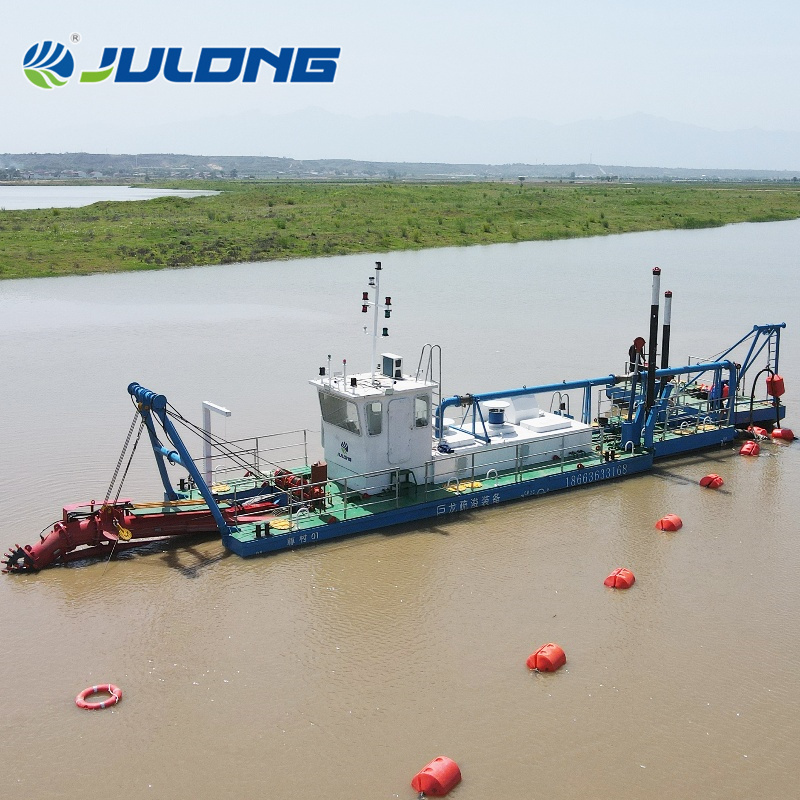
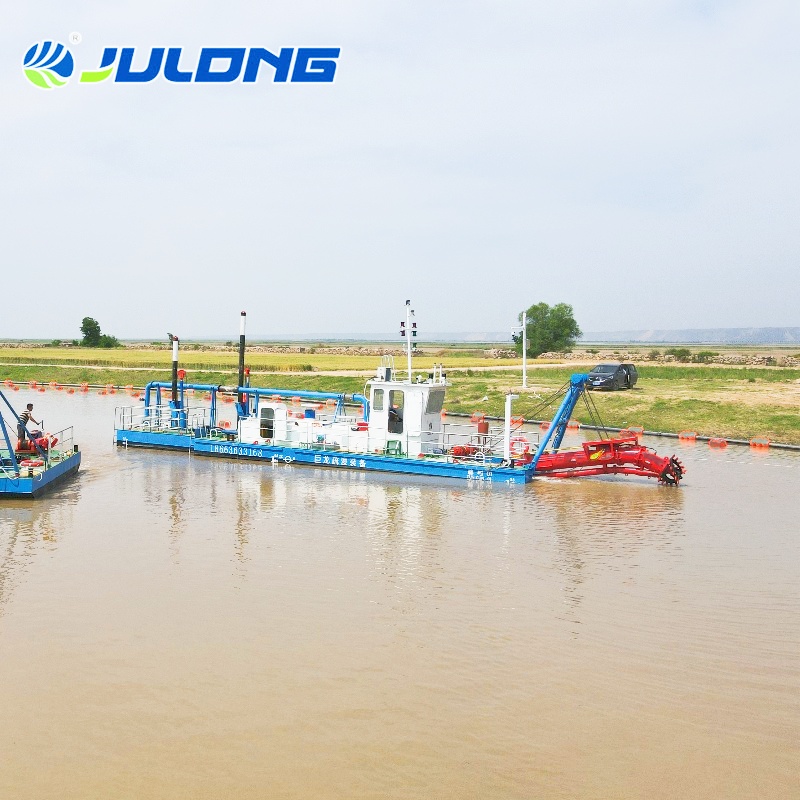
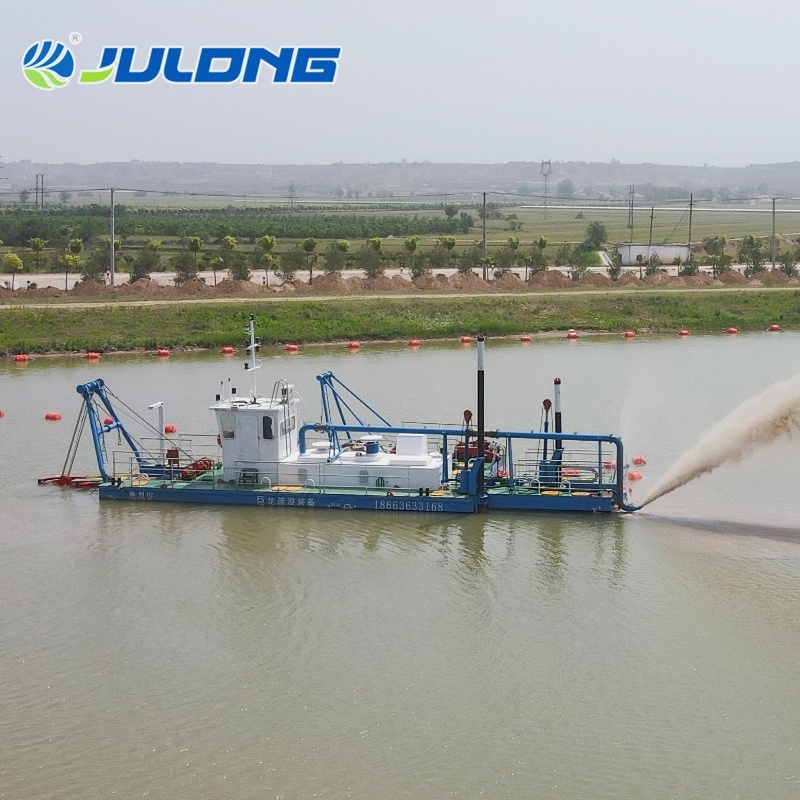
Portable dredges are  essential tools used in various  industrial  applications, from  maintaining  waterways to constructing ports.  For B2B  buyers, understanding the  key specifications and  quality assurance practices is crucial  when sourcing  these machines.  This article aims to  guide  purchasing managers  and engineers  through the critical aspects of evaluating,  buying, and utilizing  portable dredges  effectively, addressing common concerns  such as performance, reliability, and supplier credibility. Additionally, those interested in more specialized options might consider looking into a Multi-Function Work Boat which can be used in various dredging applications.

Quality Assurance Practices in Portable Dredge Manufacturing

Quality Assurance Practices in Portable Dredge Manufacturing

Quality assurance is a  fundamental  aspect of portable  dredge manufacturing.  To ensure  reliability and performance, manufacturers like Qingzhou JULONG Environmental Technology Co., Ltd. implement rigorous quality  control processes throughout the production cycle.

Material Selection: High-quality raw materials are crucial for durability. Manufacturers typically source materials that meet  international standards and utilize suppliers with proven  track records.


ISO and CE Certifications: Compliance with ISO and CE  standards demonstrates a commitment to quality and safety.  Buyers should verify that the manufacturer possesses these certifications, as  they reflect adherence to international  best practices.

In-Process Inspections: Regular inspections during manufacturing allow for the early detection of defects. This includes checking welds, testing hydraulic systems, and ensuring that all  components  meet the required specifications.

Final Testing: Before shipment, each dredge should undergo comprehensive testing to ensure it operates as expected under real conditions. Buyers should inquire about  these testing procedures to ensure they are robust.

Post-Sale Support: Quality assurance extends beyond  manufacturing. Reliable suppliers provide post-sale support, including  maintenance services and spare parts availability, which is vital for long-term  operational efficiency.

These  practices not only enhance product reliability but also build trust between manufacturers and buyers, fostering long-term partnerships.

Where to Find Reliable Suppliers for Portable Dredging Equipmen

Where to Find Reliable Suppliers for Portable Dredging Equipmen

Finding a reliable supplier for portable  dredging equipment involves several strategic approaches:

Industry Trade Shows and Exhibitions:  Attending trade shows can provide firsthand insight  into various  manufacturers  and  their offerings. Buyers can evaluate equipment,  meet company representatives, and discuss specific needs.

Online Marketplaces and  Directories: Platforms dedicated to industrial equipment can be  valuable resources for locating suppliers.  Websites that aggregate  supplier listings  often include reviews and  ratings that can aid in decision-making.

Industry Associations: Becoming a member of relevant industry associations can facilitate connections with  reputable manufacturers. These organizations often have directories of certified suppliers and can provide recommendations based on industry standards.

Networking: Engaging with industry peers through  forums, social media groups, or professional networks can yield recommendations for trustworthy suppliers. Personal  experiences shared by fellow professionals can be invaluable.

Manufacturer  Background Checks: Once potential suppliers are identified, conduct thorough background checks. Assess  their experience in the industry, check for certifications, and ask for references from  previous clients.

By leveraging these resources, buyers can identify suppliers that not only meet their immediate needs but also support  their long-term operational goals.

Common Problems with Portable Dredges and Effective Solutions

Common Problems with Portable Dredges and Effective Solutions

Portable dredges may encounter various issues during operation. Understanding these problems and their solutions is essential for optimizing performance:

Clogged Suction Lines: Sediment  or debris can often clog suction lines, reducing efficiency. Regular maintenance  and the use of filters can mitigate  this issue. Operators should also monitor suction line  conditions and clear any obstructions promptly.

Engine Performance Issues: If a dredge's engine fails or underperforms, it may be  due to fuel quality or mechanical issues. Regular engine maintenance, including oil changes and fuel quality checks,  can enhance performance and reduce  downtime.


Hydraulic System Failures: Hydraulic systems are crucial for dredging operations but  can fail due to leaks  or component wear. Implementing a routine inspection and maintenance schedule  can help  identify potential issues before  they escalate.

Weight Distribution Problems: Improper weight distribution can lead  to instability,  especially in amphibious dredgers. Operators should ensure that the dredge is balanced and monitor load distribution during operations.

Environmental Factors: Weather conditions can impact dredging operations. Operators should be prepared to adjust  their strategies based on current environmental conditions, including  wind  and water levels.

By  anticipating these common problems and implementing effective solutions, buyers can  enhance the reliability and efficiency of their portable dredges.

Installation Guidance for Efficient Use of Portable Dredges

Proper installation  and setup of  portable dredges are crucial for effective  operation. Here are some key  steps and considerations:

Site Assessment: Before installation, assess the  operational  site. Understanding the water  depth, sediment type, and environmental conditions  can influence  the dredge's setup and operational strategy.

Leveling  the Dredge: Ensuring that the dredge is level during installation is vital for optimal performance. An unlevel dredge can lead to mechanical failures and  inefficient operation. Use leveling tools to adjust the dredge as needed.

Configuration of Equipment: Based on the site assessment, configure the dredge's equipment correctly, including suction hoses and discharge pipelines. Ensure all connections are secure to prevent leaks during operation.

Testing Before Use:  Conduct a thorough  test of the dredge before starting regular operations. This  includes checking all mechanical  and hydraulic systems for functionality and addressing any issues that arise.

Training Operators: Proper training for operators is  essential. They should understand the dredge's features, maintenance needs, and emergency procedures to maximize efficiency and safety during operation.

By  following these installation  guidelines, buyers can ensure that their portable dredges operate  effectively from the outset, minimizing downtime and maximizing productivity.


Key Specifications to Evaluate When Sourcing Portable Dredges

When  considering portable dredges, several key specifications should be evaluated to ensure they meet project requirements. 

Pump Capacity and Type: The pump's capacity, often measured in cubic meters  per hour,  determines  how effectively the dredge can remove sediment. Buyers should  consider the type of pump—centrifugal or positive displacement—as each has its advantages depending on the application. Furthermore, understanding the different types of equipment can help buyers make informed choices, such as opting for an Aquatic Cleaning Boat for specific tasks.

Suction Depth and Reach: The dredge's suction depth is crucial for projects in varying water levels.  Ensure that the dredge can reach the necessary depths for sediment removal without compromising efficiency.

Material  Construction:  Portable  dredges should be built from durable materials, such as  high-strength steel or composite materials resistant to corrosion and abrasion. This choice directly impacts the  dredge's longevity and performance in harsh environments.

Power  Source: Evaluate whether the dredge operates on diesel, electric, or hybrid power. Each option has different implications for efficiency, maintenance, and environmental impact.

Mobility Features: Consider the dredge's mobility features, such as flotation systems  or transportability. A dredge  that can easily be relocated or adapted to various  terrains can save time and costs during operation.

Customization  Options: Many  manufacturers offer customization capabilities, allowing buyers to tailor specifications to specific project needs, including dimensions, equipment attachments, and operational features.

Understanding these specifications will aid buyers in selecting the right  portable dredge that aligns with their operational requirements.

Frequently Asked Questions

What is the portable dredge used for?

The portable dredge is designed for river, lake, and port sediment removal, land reclamation, and maintenance dredging in small to medium sites.
Specifications vary by model: suction diameter, dredging depth, engine power, and discharge distance. Custom options available to meet project needs.
Yes. Our products are manufactured in an ISO/CE certified facility and built to meet international quality and safety standards.
Yes. We serve 93 countries and offer shipping, spare parts, technical support, and installation guidance from our 12,000 m² facility.
Yes. We provide model customization, on-site commissioning, operator training, and long-term maintenance packages tailored to project requirements.

Get a Free Quote

Our representative will contact you soon.
0/1000

Related product categories