Choosing the Right Dragline Dredger for Your Project

application/dragline-dredger, application/dragline-dredger, 
Inquiry
Inquiry

dragline dredger

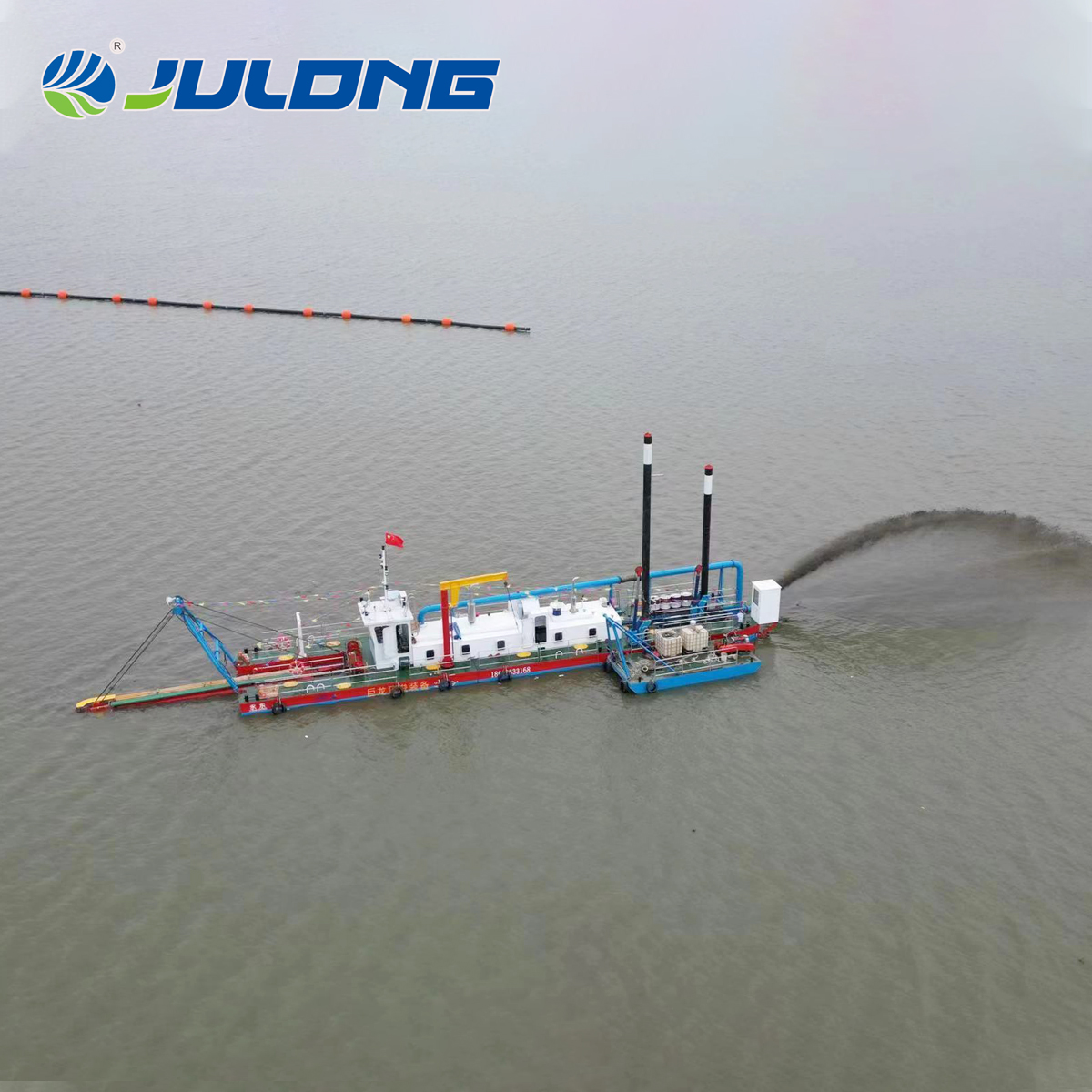
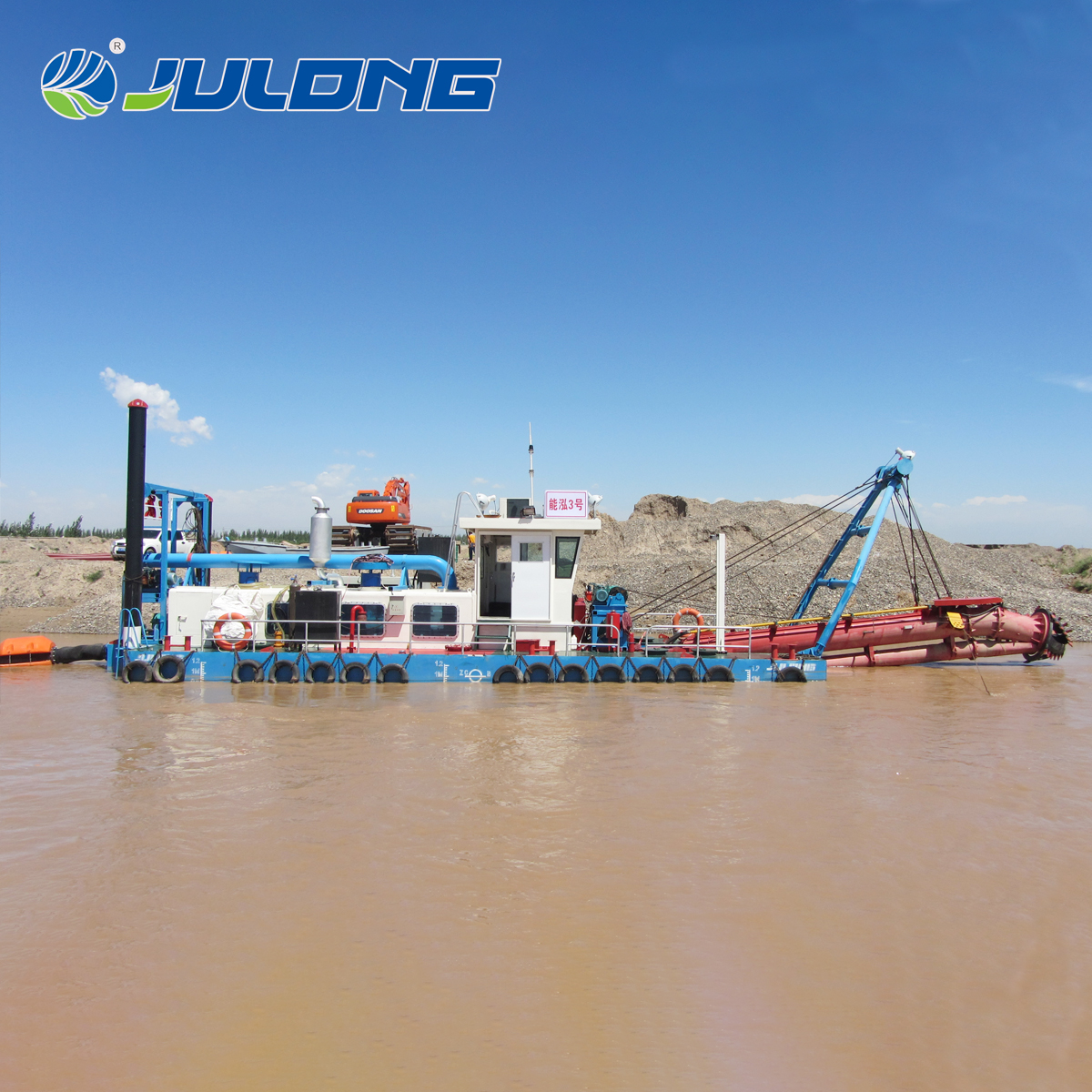
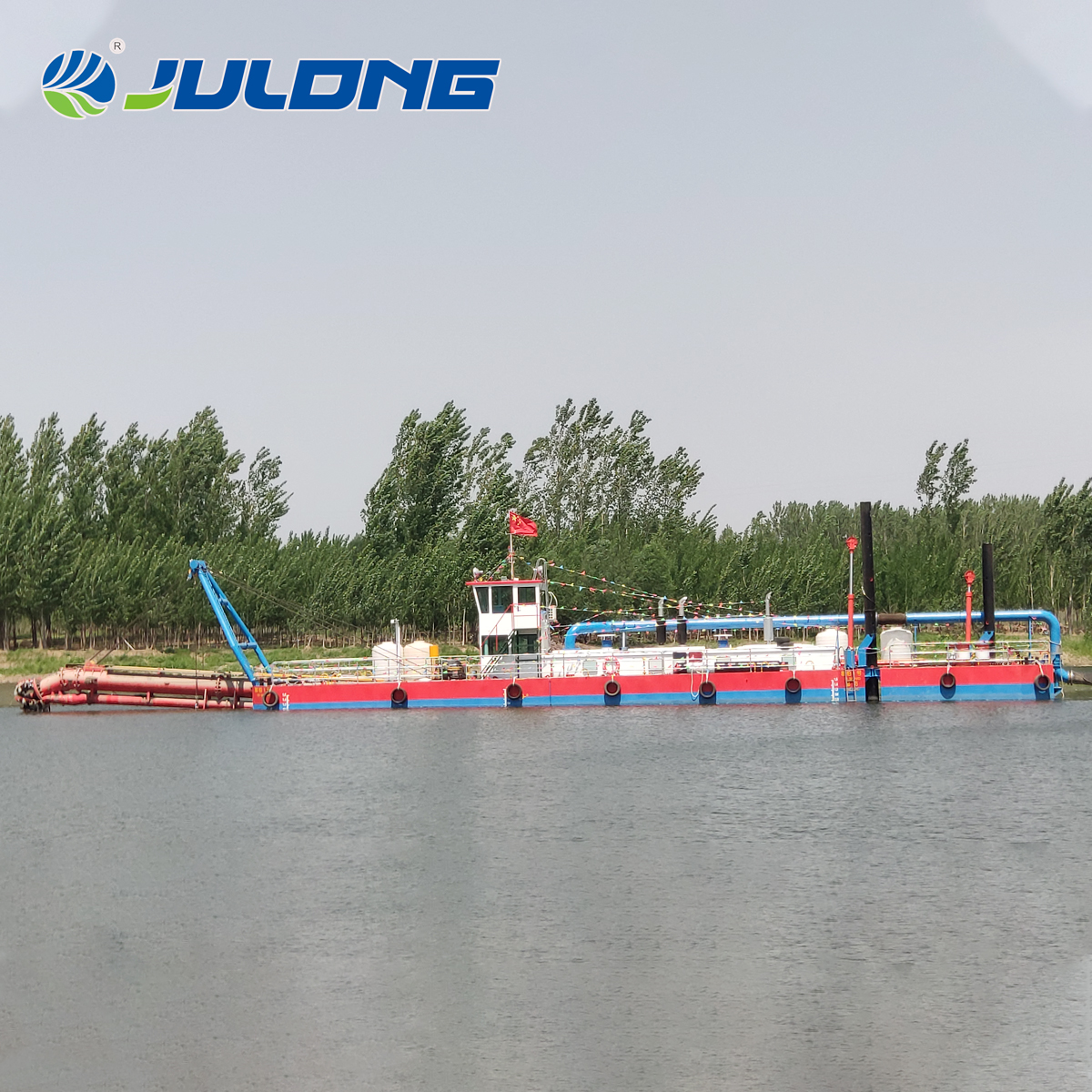
Choosing the  right dragline  dredger  can  significantly impact the success  of  your excavation or material handling project. Dragline dredgers are essential  for  excavation in  rivers, lakes, and ports, enabling  efficient material  removal and  site preparation.  As a B2B  buyer,  you may have specific  concerns such as performance, cost, quality, and application suitability. This article  will guide you through the critical factors to consider when selecting  a dragline dredger, ensuring you make an informed  purchasing  decision.

Understanding the Cost Factors of Dragline Dredgers for Importers

Understanding the Cost Factors of Dragline Dredgers for Importers

The cost of dragline dredgers can vary widely based on several factors. Understanding these cost  components is crucial for importers looking to budget effectively:

Base Price: This is the initial cost  of the dredger, which can fluctuate based on size, model, and capabilities. Larger, more powerful dredgers typically command higher prices.

Customization Costs: If your project requires specific features  or  modifications, expect additional costs. Custom buckets or specialized attachments can increase the overall price, similar to what you might find in a Multi-Function Work Boat.

Shipping and Import Fees: Factor in shipping costs and any import duties or  tariffs that may  apply when bringing the dredger  into your country. These can significantly impact  the total cost  of  ownership.

Maintenance and Operating Costs: Consider the long-term expenses associated with operating the dredger, including fuel, parts replacement, and routine maintenance. Choosing  a durable  and efficient model  can reduce these ongoing costs.

Financing Options: Some suppliers may  offer financing  plans  that can help manage  upfront costs. It’s worth discussing these options  to make your purchase  more manageable.

By understanding these cost factors, importers can make better financial decisions and select a dragline dredger that fits their budget while meeting project needs.

How to Evaluate the Quality of Dragline Dredgers Before Buying

How to Evaluate the Quality of Dragline Dredgers Before Buying

Quality evaluation  is critical when purchasing a  dragline dredger.  Here are key aspects to consider:

Material Specifications: Inspect the materials used in the  construction  of the dredger. High-quality steel and corrosion-resistant coatings are essential for longevity, particularly  in harsh environments.

Manufacturing Processes: Investigate the manufacturing capabilities of the supplier. A reputable manufacturer should have rigorous quality control processes in  place, including  inspections at various production stages.

Performance Testing: Request information about performance tests conducted on  the dredger.  Understanding how the dredger  performs  under operational conditions can provide insight into its reliability and efficiency.

Customer Feedback  and Case Studies: Look  for reviews, testimonials, and case studies from previous customers. This information can highlight the dredger's performance in real-world applications and reveal any recurring issues.

Warranty and Support: Evaluate the warranty offered and the level of after-sales support. A strong warranty can be a good indicator  of  the manufacturer's  confidence in their product quality.

By  thoroughly evaluating these quality factors, you can ensure that the dragline dredger you select will perform reliably and meet  your operational demands.

Installation Guidance for Dragline Dredgers in Various Applications

Installation Guidance for Dragline Dredgers in Various Applications

Proper  installation of a dragline dredger is crucial for optimal performance. Here are some installation considerations for different applications:

Site Preparation: Ensure that the  installation site is adequately prepared, with stable ground  and access  routes for  transportation. This  is particularly important for dredgers  used in challenging terrains.

Hydraulic and Electrical Systems: Follow the manufacturer's guidelines for connecting hydraulic and electrical systems. Incorrect installation can lead to performance issues and may void warranties.

Testing Before Operation: Conduct thorough testing of the dredger after installation. This includes  checking all systems,  verifying operational settings, and  ensuring there are  no leaks in hydraulic lines.

Operator Training: Ensure that operators  are trained on the specific model  of the dragline dredger. Proper training can  significantly reduce the risk of  accidents and improve operational efficiency.

Environmental Considerations: Be aware of environmental regulations that may  affect dredging operations.  Ensure that installation and operation comply with local laws to avoid fines and  project delays.

By following these installation guidelines, you can  enhance the performance and longevity of your dragline dredger in various applications.

Material Advantages of Dragline Dredgers for Enhanced Performance

The  materials used in dragline dredgers play a crucial role in  their performance and durability. Here are some advantages of selecting high-quality materials:

Durability: High-strength steel and advanced composites  can withstand harsh operating conditions, minimizing wear and tear. This leads to  a longer lifespan and reduced maintenance costs.

Corrosion Resistance: Materials with corrosion-resistant properties are essential for dredgers operating in  saline or  chemically  aggressive  environments. These materials  help prevent degradation  and extend the equipment's  operational  life.

Weight-to-Strength Ratio: Lightweight yet strong materials can enhance the dredger's efficiency by reducing operational energy requirements. This is particularly beneficial for large-scale dredging projects.

Impact  Resistance: Dragline dredgers often encounter hard materials during operation. Using materials with high impact resistance can prevent structural damage and ensure consistent performance.

Customization Capabilities: Advanced manufacturing techniques allow for  tailored material solutions that can  enhance specific performance attributes, such as increased load capacity  or improved hydraulic efficiency.

By understanding the material advantages, buyers can select  dragline dredgers that  not only meet their operational requirements but also provide better overall value through enhanced  performance and  longevity.

What to Consider When Choosing a Dragline Dredger for Your Projec

When selecting  a dragline dredger, several factors should be evaluated to ensure it meets your project's requirements. Key considerations include:

Project Specifications: Determine the scope of your project, including the type of  material to be dredged,  the depth of excavation, and the  expected volume of material. This will help identify the necessary size and power  of  the  dredger.

Operational Environment: Consider whether the dredger will  be used in freshwater or saltwater environments. This affects the material selection for components, as corrosion-resistant  materials may be required for saltwater applications.

Mobility and Access: Assess the  dredger's mobility, especially  if it needs to  be transported between multiple sites. Some dredgers are amphibious, which  can provide greater versatility  in accessing challenging terrains, such as those where an Amphibious Equipment would be advantageous.

Customization Options: Depending on your specific needs, you may require custom features such as  specialized buckets  or attachments. Ensure the manufacturer can accommodate these  requirements.

Compliance and Certifications:  Check for ISO and CE certifications, which indicate adherence to industry standards for safety and quality.

By keeping these factors in mind,  you can select a dragline dredger that aligns  with your operational goals and project specifications.

Frequently Asked Questions

What is a dragline dredger used for?

A dragline dredger excavates and removes sediment in rivers, lakes, ports and reclamation sites, ideal for deep excavation and large-volume material handling.
We offer customizable sizes and bucket capacities to match project needs, from small river works to large port dredging, specified per project requirements.
Our equipment meets ISO and CE standards, built in a 12,000 m² facility with strict quality control for durability and performance.
Yes. We provide tailored designs, attachments and propulsion options to suit site conditions, sediment types, and operational requirements.
Yes. We provide technical support, maintenance guidance, and spare parts supply to ensure long-term operation across international projects.

Get a Free Quote

Our representative will contact you soon.
0/1000

Related product categories