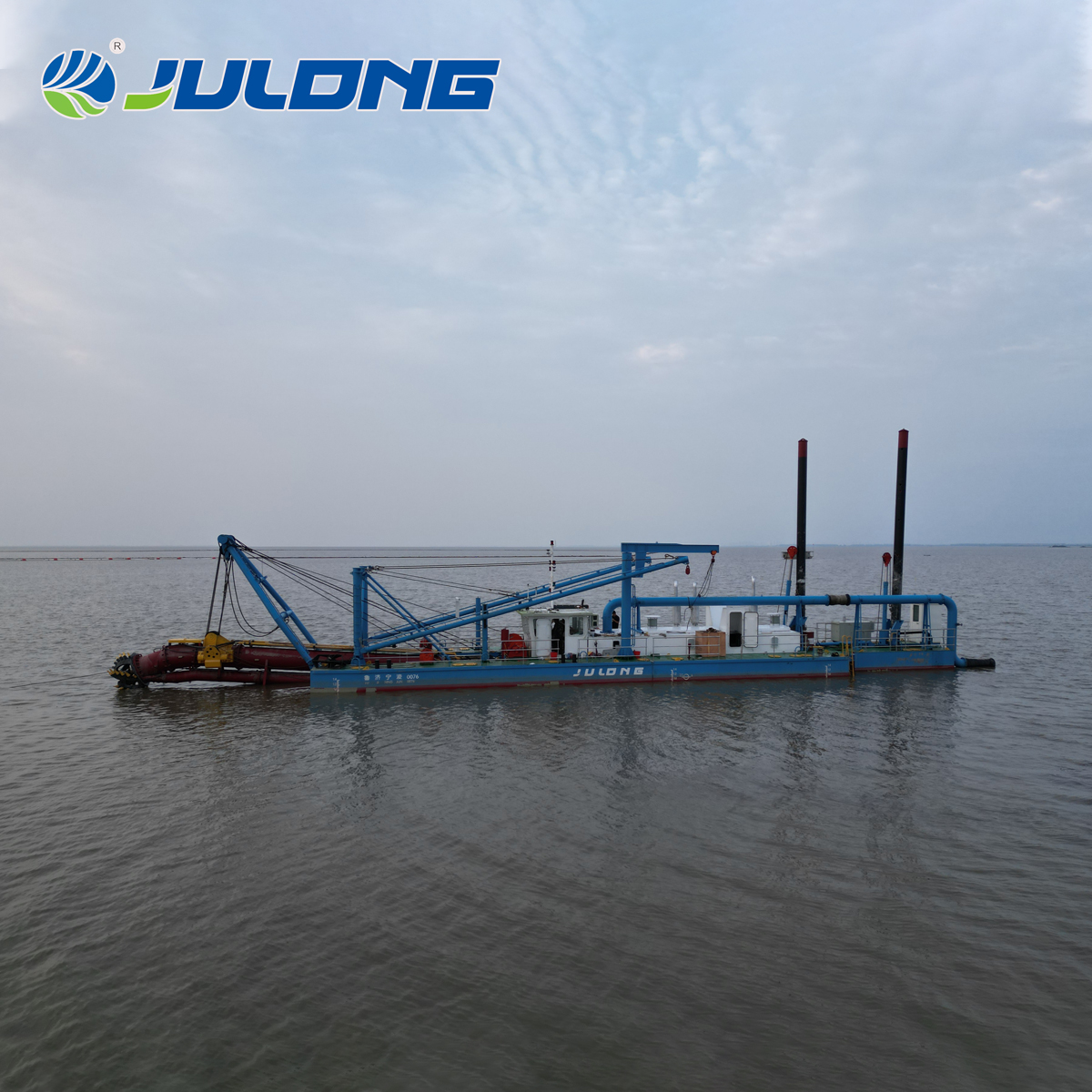
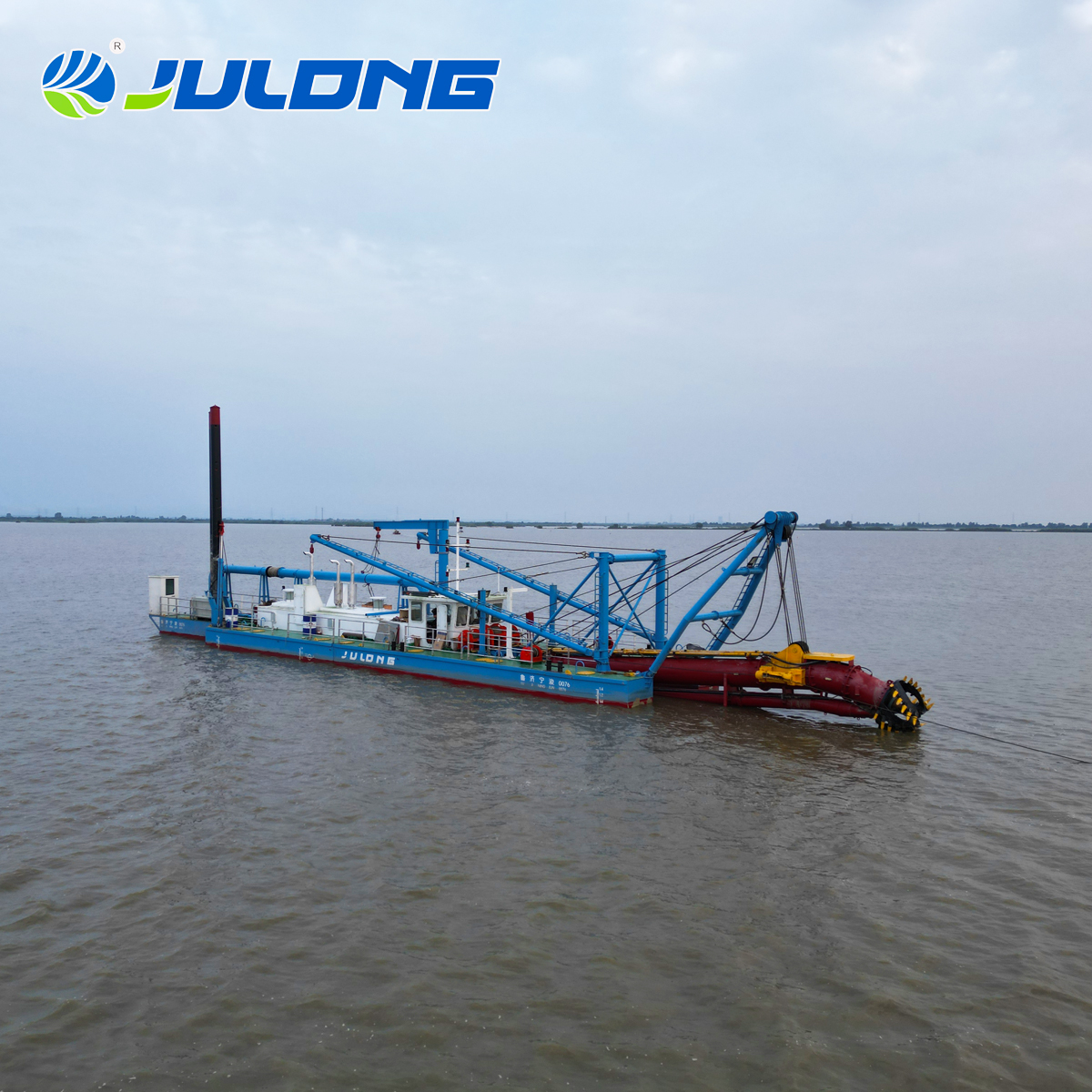
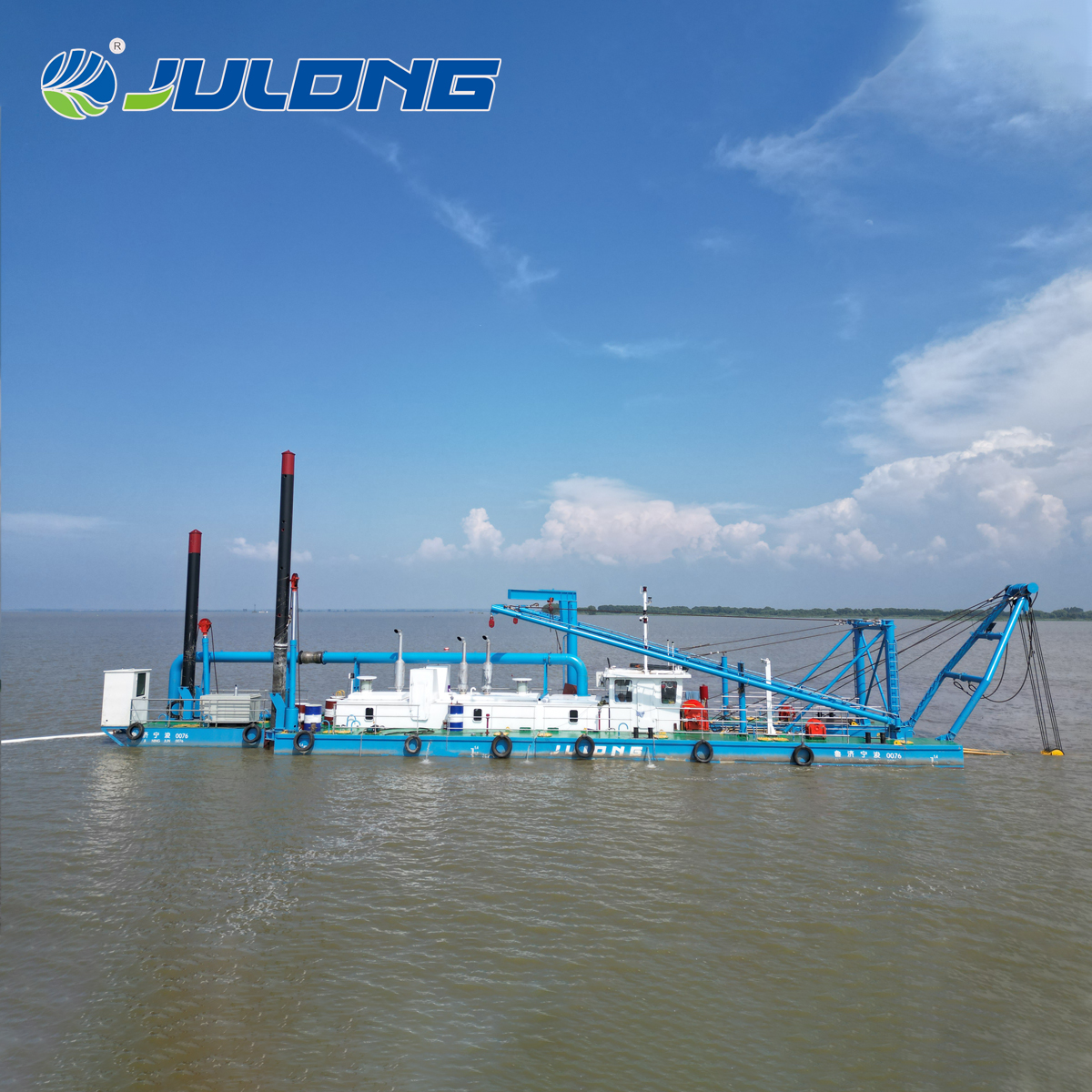
Clamshell Dredger: Key Features and Cost Factors

application/clamshell-dredger, application/clamshell-dredger, 
Inquiry
Inquiry

clamshell dredger

Clamshell  dredgers  are essential equipment for efficiently excavating and moving material in  various  aquatic environments,  including rivers, lakes, and  ports. As  a  B2B buyer, it's crucial to understand  the different  aspects of selecting clamshell dredgers,  especially when purchasing in bulk for large projects. This  article will guide you  through evaluating  manufacturers,  key  features to consider,  cost factors, installation guidance, and  common challenges associated with clamshell dredgers, helping  you make  informed purchasing decisions.

Key Features for Bulk Orders

Key Features for Bulk Orders

When purchasing clamshell dredgers in bulk, several key features  should be prioritized to  ensure they  meet your project requirements.  Firstly, consider the dredger's capacity and design,  which should align with the  intended use, whether for sediment  removal, material transport, or  environmental  restoration. The dredging depth and width are also crucial specifications, as they impact the efficiency and effectiveness of the dredging  operation.


Next,  assess the materials used  in the construction of the clamshell dredger. A robust design often employs high-strength steel or other durable materials that provide  longevity and resistance to wear and tear in challenging environments. Customization options, such as bucket sizes and shapes, can enhance performance for specific applications. For instance, manufacturers like JLCSD700 Cutter Suction Dredger offer tailored designs that meet various operational needs.

Lastly, ensure the manufacturer offers comprehensive warranties  and after-sales  support. This can be invaluable  for maintenance and  troubleshooting, ultimately affecting the dredger's  operational efficiency  over time.

Cost Factors When Purchasing Clamshell Dredgers in Bulk

Cost Factors When Purchasing Clamshell Dredgers in Bulk

Cost is a  significant factor when purchasing clamshell dredgers, particularly in  bulk. The initial purchase price is only one part of the total  cost of ownership, which also includes maintenance, operational  costs, and potential downtime. When evaluating costs,  consider the following factors:

Material and Design: Higher-quality materials and advanced  designs may come at  a premium but can save money in the long run  through  reduced maintenance and increased efficiency.

Customization: Tailoring dredgers to  specific project requirements may incur additional costs. Work with your  manufacturer to understand which features are necessary and which can be standardized to reduce expenses.

Shipping and Logistics: Bulk  orders may qualify for  reduced shipping rates, but it's essential to factor in logistics  costs, especially if your project  site is in  a remote location.


Payment  Terms: Negotiating favorable payment terms can help manage cash  flow,  especially for large purchases. Discuss options such as installment payments or discounts for early payments.

Installation Guidance for Efficient Use of Clamshell Dredgers

Installation Guidance for Efficient Use of Clamshell Dredgers

Proper installation is critical to  maximizing the efficiency of clamshell dredgers. Start by reviewing the manufacturer's installation  manual and guidelines. These documents typically  provide essential information on equipment setup, including  assembly instructions, connection to power  sources, and operational testing.

Before installation,  ensure that the  site is prepared  and meets any necessary requirements, such  as  proper access routes for  transportation and adequate  space for operation. It’s also vital to train your operators on the specific features and controls of the dredger, as  improper  use  can lead to inefficiencies or equipment damage.

Regular maintenance checks  post-installation will ensure that the  dredger operates optimally. Establish a maintenance schedule that includes  inspections of hydraulic systems, bucket integrity, and overall wear  and tear to prevent  unexpected failures during operation.

Common Problems with Clamshell Dredgers and Practical Solutions

Despite their robust design,  clamshell dredgers can encounter various  issues that may affect performance. Common  problems include:

Hydraulic  System Failures: These can  lead to reduced lifting capacity. Regularly inspect hydraulic hoses and connections for leaks or wear. Ensure that hydraulic fluids are  routinely checked and replaced as necessary.

Bucket Wear  and Damage: The bucket is subjected to harsh conditions, leading to potential wear. Choosing high-strength materials can mitigate  this risk. In addition, consider implementing a regular inspection routine to identify and address  wear early.

Operational  Efficiency: Inefficient dredging can result  from  operator error. Providing comprehensive  training and clear operational guidelines can significantly improve performance and reduce risks.

Environmental Regulations: Ensure your dredger complies with local environmental regulations. This may involve additional equipment or modifications  to reduce environmental impact.


By proactively  addressing these common issues through preventative maintenance and operator training, you can enhance the lifecycle and efficiency  of your clamshell dredger.

In summary, investing in clamshell dredgers requires careful consideration of manufacturers, key features, cost  factors, installation procedures, and common operational challenges. By taking these aspects into account,  you can ensure a successful purchase that meets your  project's specific needs.

Evaluating Clamshell Dredger Manufacturers

When looking  for a reliable clamshell  dredger manufacturer, it's vital to assess their production  capabilities, experience, and  quality  control  processes. Start by verifying their certifications, such as ISO and CE, which ensure that they meet international quality  standards. A manufacturer with a well-established  reputation, like Qingzhou JULONG Environmental Technology Co.,  Ltd., demonstrates their expertise in the industry, serving clients across 93 countries.

Additionally,  evaluate their production facility size and capabilities. A manufacturer with a substantial  facility, such as a  12,000  square meters operation, often indicates their ability  to handle larger orders and complex customization requests. It's  also  beneficial to ask for references  or case studies from previous clients, helping you gauge their reliability  and the  performance of their products  in real-world applications. For example, consider the JLWB1600 Multi-function Work Boat, which showcases the versatility required in large dredging projects.

Frequently Asked Questions

What is a clamshell dredger used for?

A clamshell dredger is used to excavate and remove sediments from rivers, lakes, ports, and other waterways. It efficiently handles loose material, debris, and silt for maintenance, reclamation, and construction projects.
Capacities vary by bucket size and boom; typical units handle from a few cubic meters per hour to several hundred. Qingzhou JULONG supplies models matched to project needs for efficient material removal.
Our clamshell dredgers are produced in an ISO/CE certified facility, ensuring manufacturing quality, safety, and compliance with international standards.
Yes. Models can be configured with adjustable booms and amphibious platforms to operate in shallow waters, marshes, and along riverbanks for flexible deployment.
We offer global support across 93 countries, training, spare parts, and technical assistance. Delivery and installation options are tailored to project needs from our 12,000 sqm facility.

Get a Free Quote

Our representative will contact you soon.
0/1000

Related product categories